How Local Conditions Play In
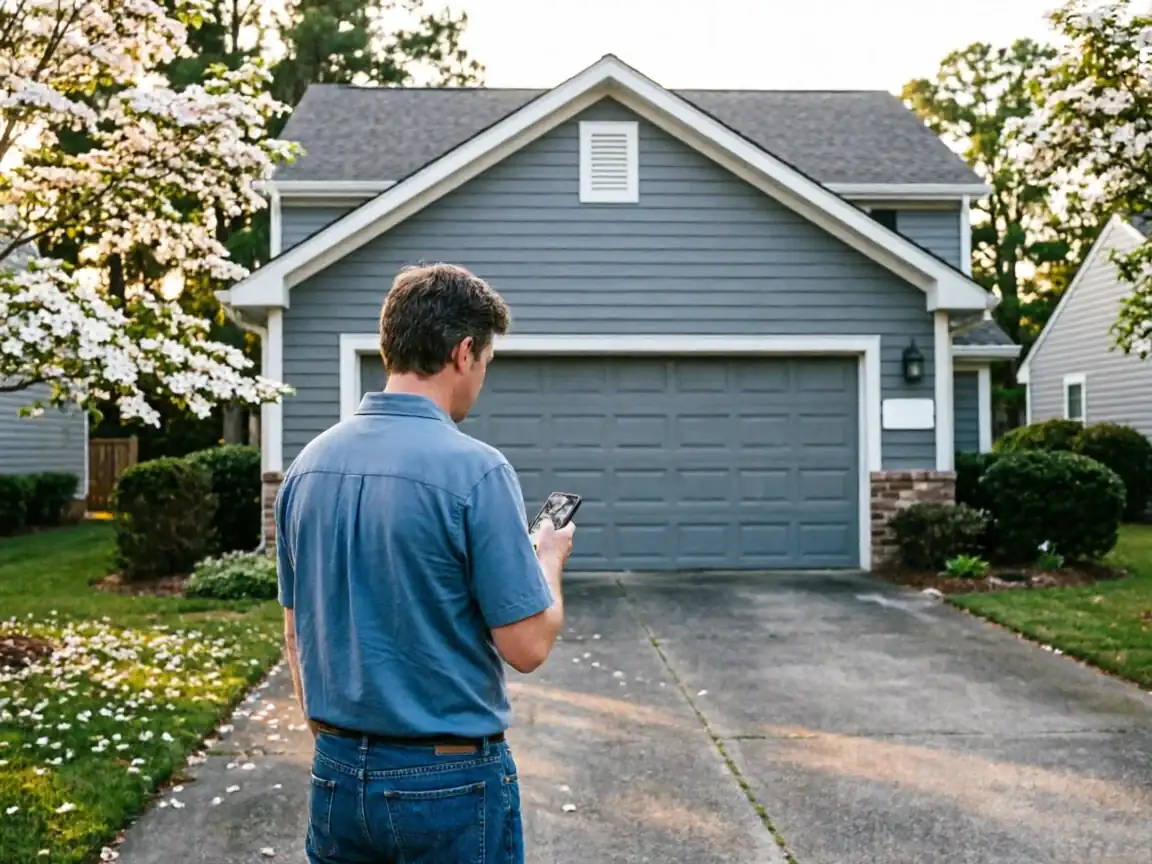
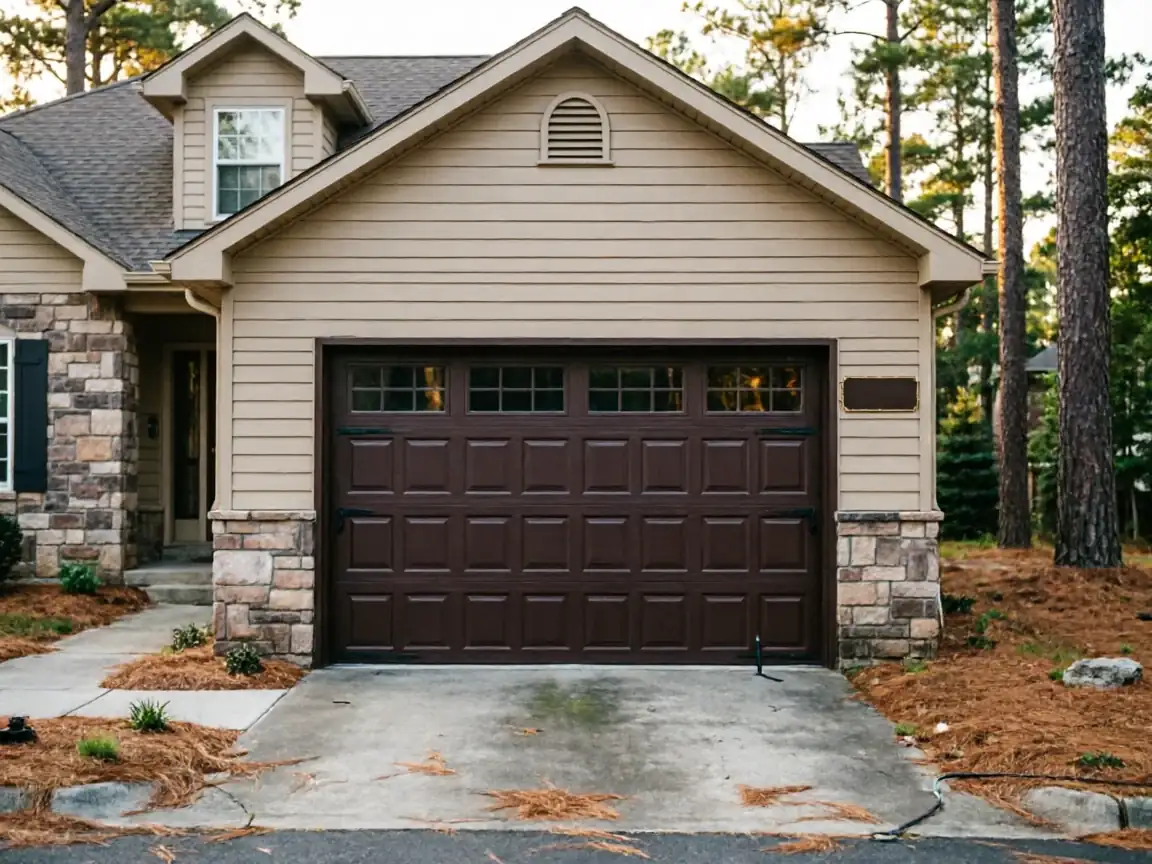
Most of the houses we work on in Sanford went up between 1955 and 1999, with the median landing around 1983. That matters more than people think. A door and opener installed when a house was built are usually the same door and opener still hanging there now, because nobody replaces a working garage door on a schedule - they replace it when it breaks.
Across the six surrounding areas we cover - Broadway, Goldston, Cameron, Pittsboro, Vass, and Carthage - the stock runs mostly 1980s and 90s construction too, so the pattern repeats. That's 30 to 70 years of torsion springs cycling up and down, rollers wearing their tracks, and steel panels taking whatever the winter throws at them.
The climate here sits in a cold-moderate band, which isn't brutal but isn't nothing either. Cold mornings tighten steel and stiffen grease, and a spring that's been losing tension for years will often pick the coldest morning of the year to let go. On a house from this era, that's not bad luck - it's the math catching up. The age of the housing and the climate band together are why spring failure and worn rollers are the two calls we see most, not some generic 'garage doors wear out' line that would apply anywhere.
Doing Nothing For Now
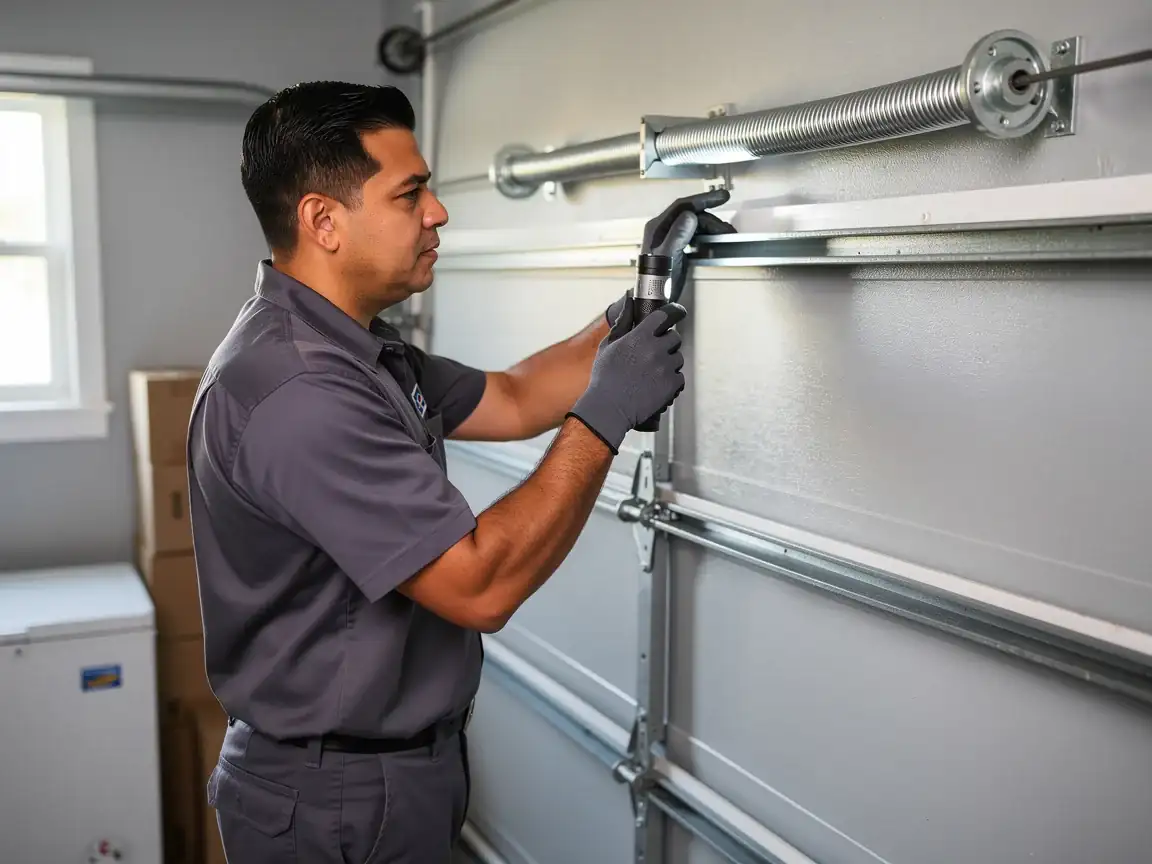
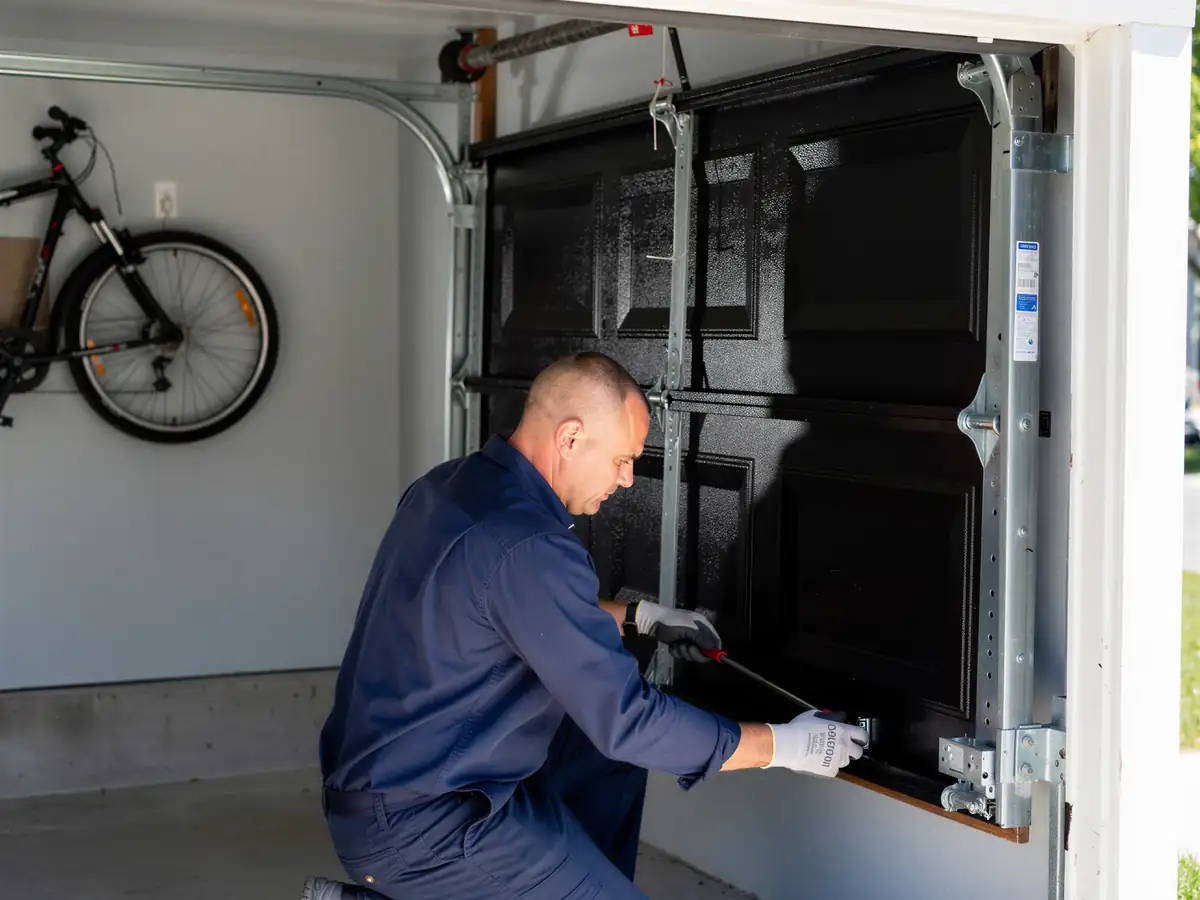
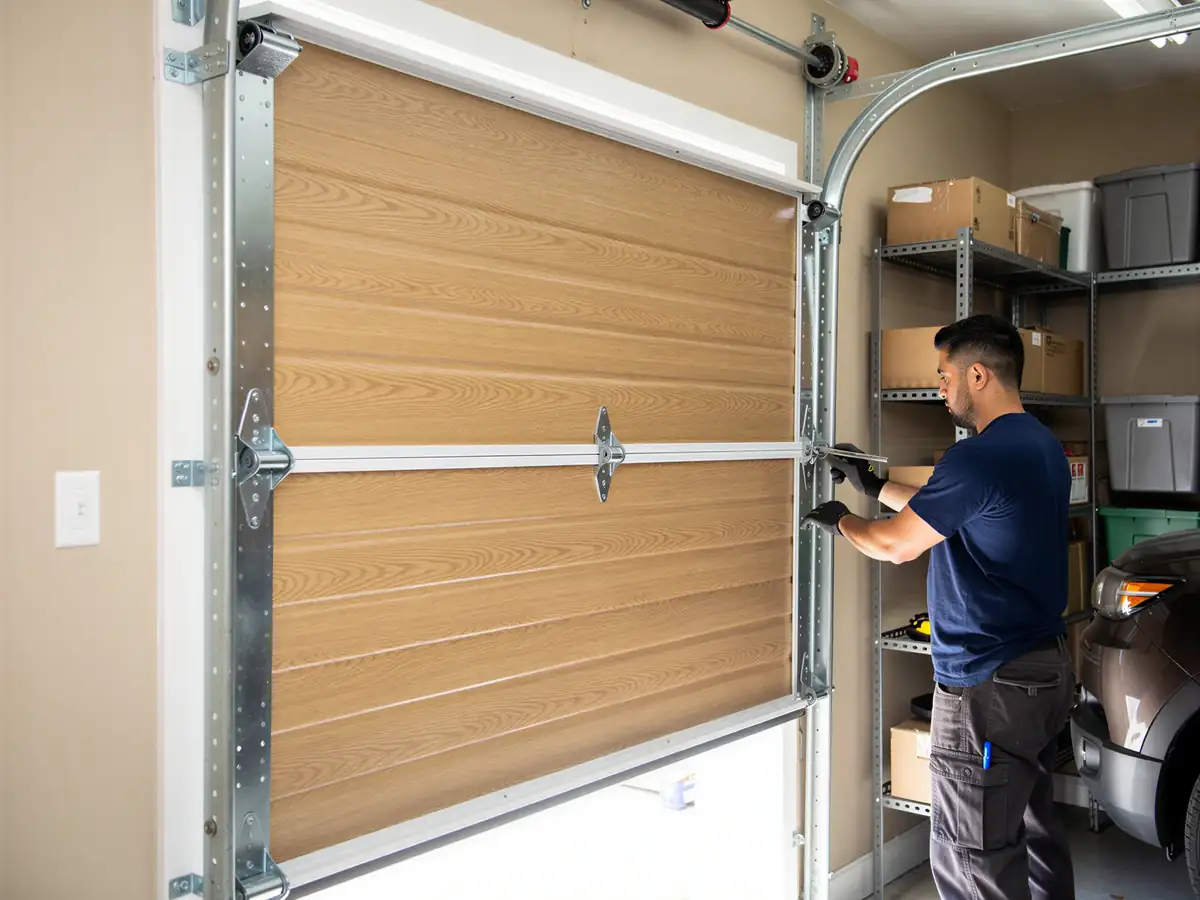
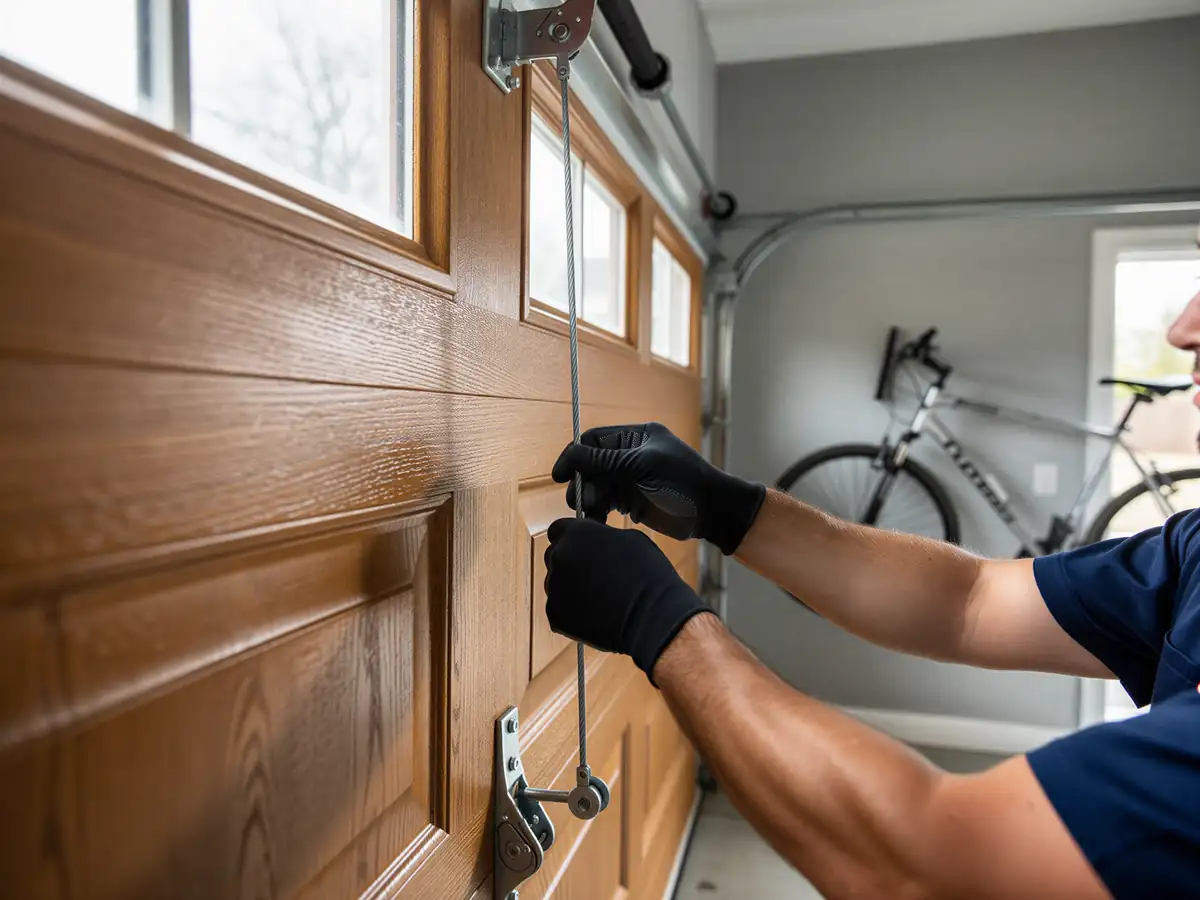
Putting off a repair on a door this age usually costs more than the repair itself. A torsion spring on a house built in the 1980s has been doing its job for four decades or more by now, and a worn spring doesn't fail quietly - it puts extra load on the opener's gears and the cables on either side of the door. Wait long enough and you're not replacing one part, you're replacing three.
With 2,523 owner-occupied houses among roughly 4,499 households in this service area, a lot of them built in the same twenty-year window, we see this pattern constantly: a door that's been a little noisy or a little slow for months, then one cold morning it won't move at all. Nothing about waiting makes that cheaper. The cable doesn't heal, the roller doesn't true itself back up, and the bearing plates on an original torsion setup don't get easier to source the longer you wait.
At a median household income of $62,428, most people here are deciding between a repair now and a bigger bill later, not between fixing it and ignoring it forever. Deferring a spring or roller job on a door this old is rarely the cheaper path - it just moves the cost, and usually raises it.
What Most People Get Wrong
The biggest mistake we see is treating a noisy, slow, or hard-to-lift door as a cosmetic problem instead of a mechanical one
On a house built in the median year of 1983, that noise is almost always a spring losing tension or a roller that's worn past its bearing - not a door that just needs oil. Oil helps, but it doesn't put tension back into a forty-year-old spring.
The second thing people get wrong is assuming the opener is the problem when the door is the problem
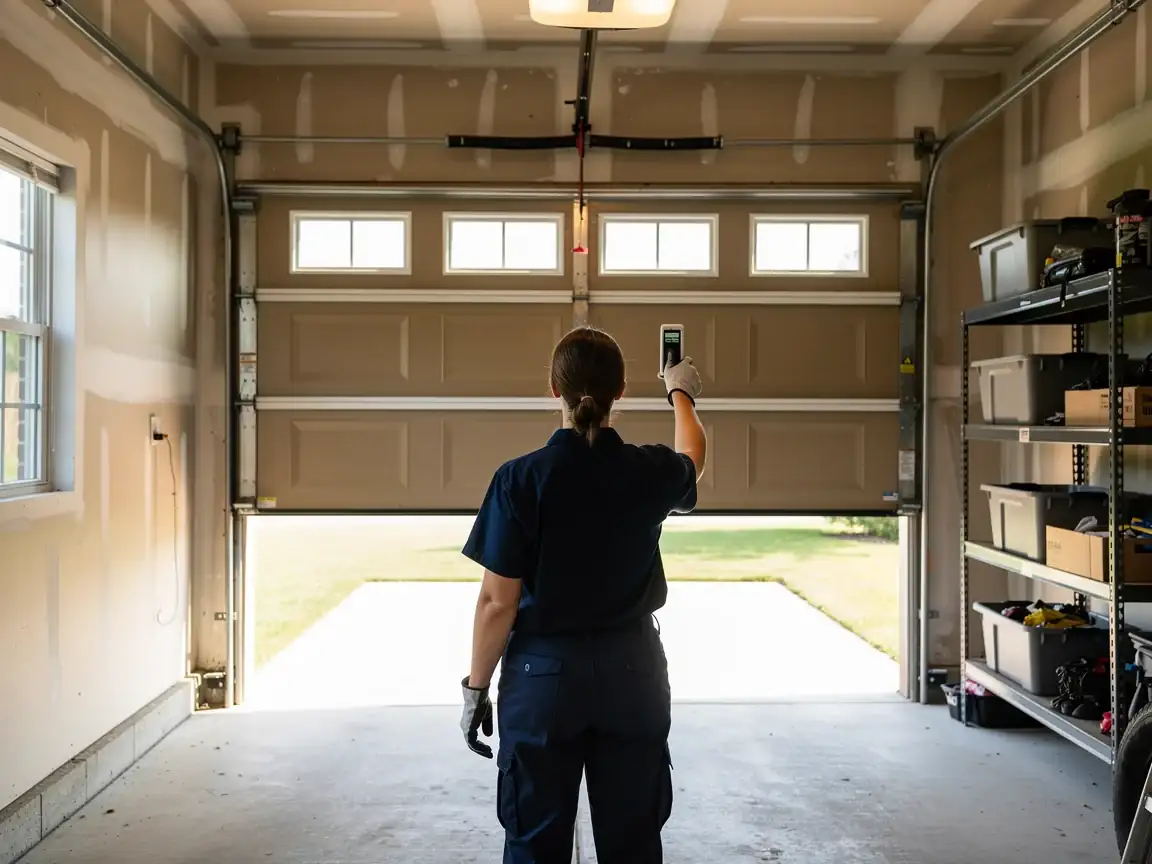
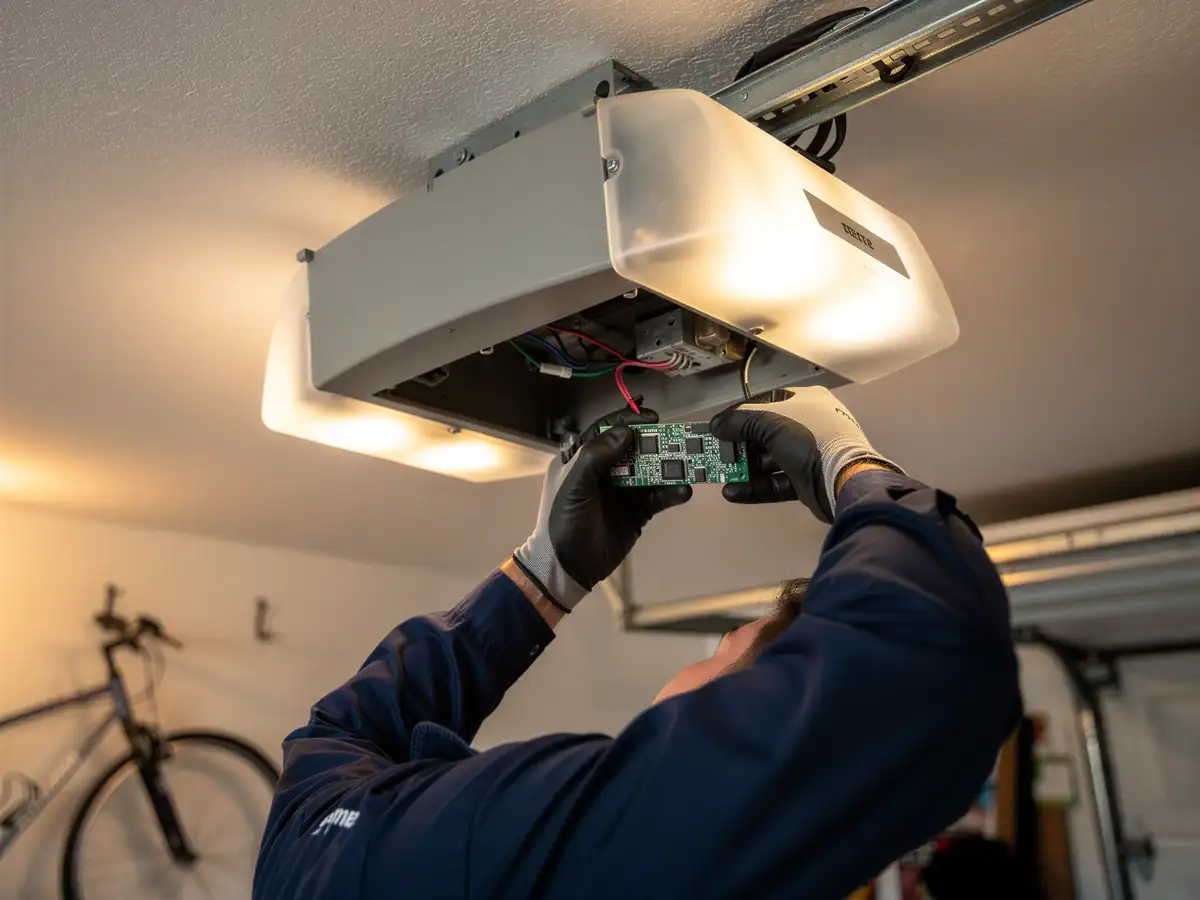
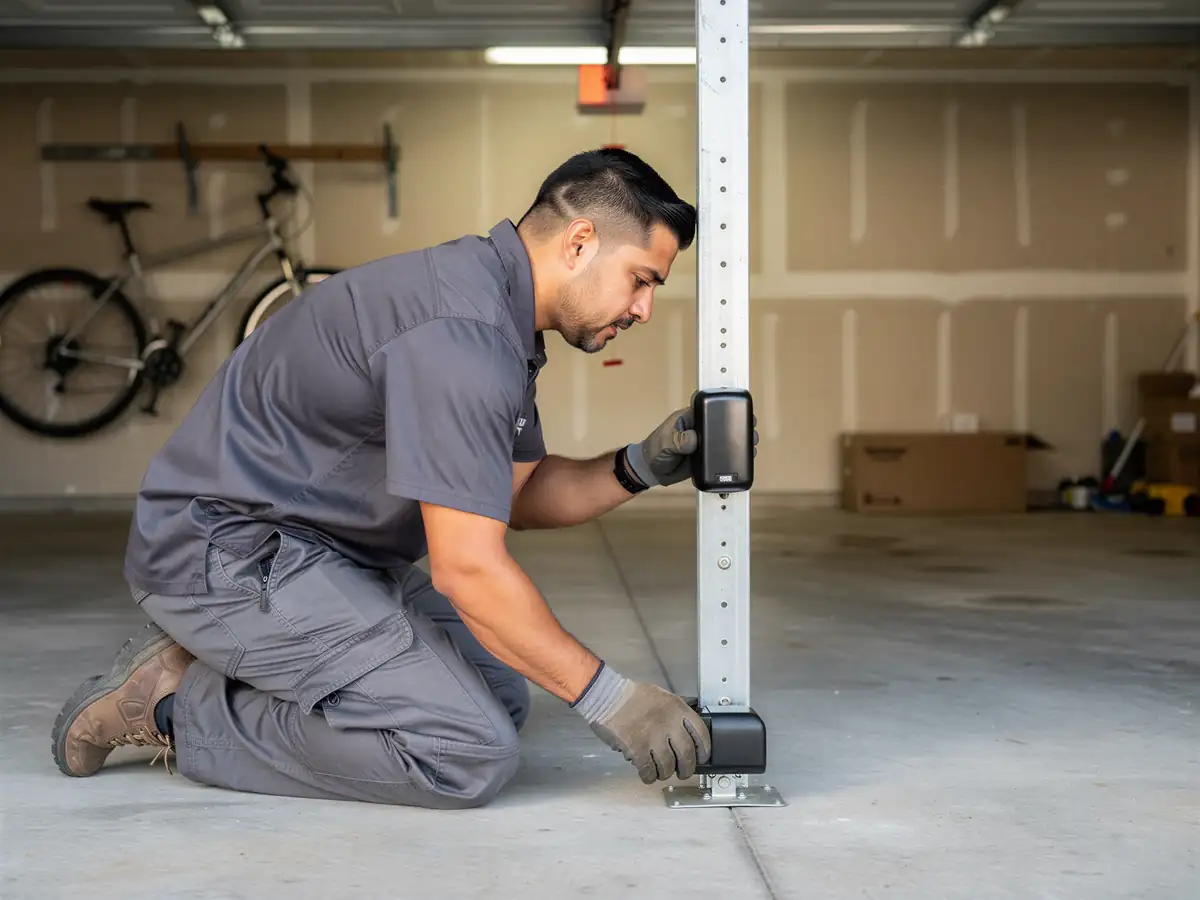
An opener working harder than it should - groaning, slow to lift, tripping the safety sensor - is often just straining against a door whose springs have given up most of their lift. Replace the opener on a door with bad springs and you've spent money without fixing anything.
The third mistake is comparing repair against replacement without actually knowing what's wrong first
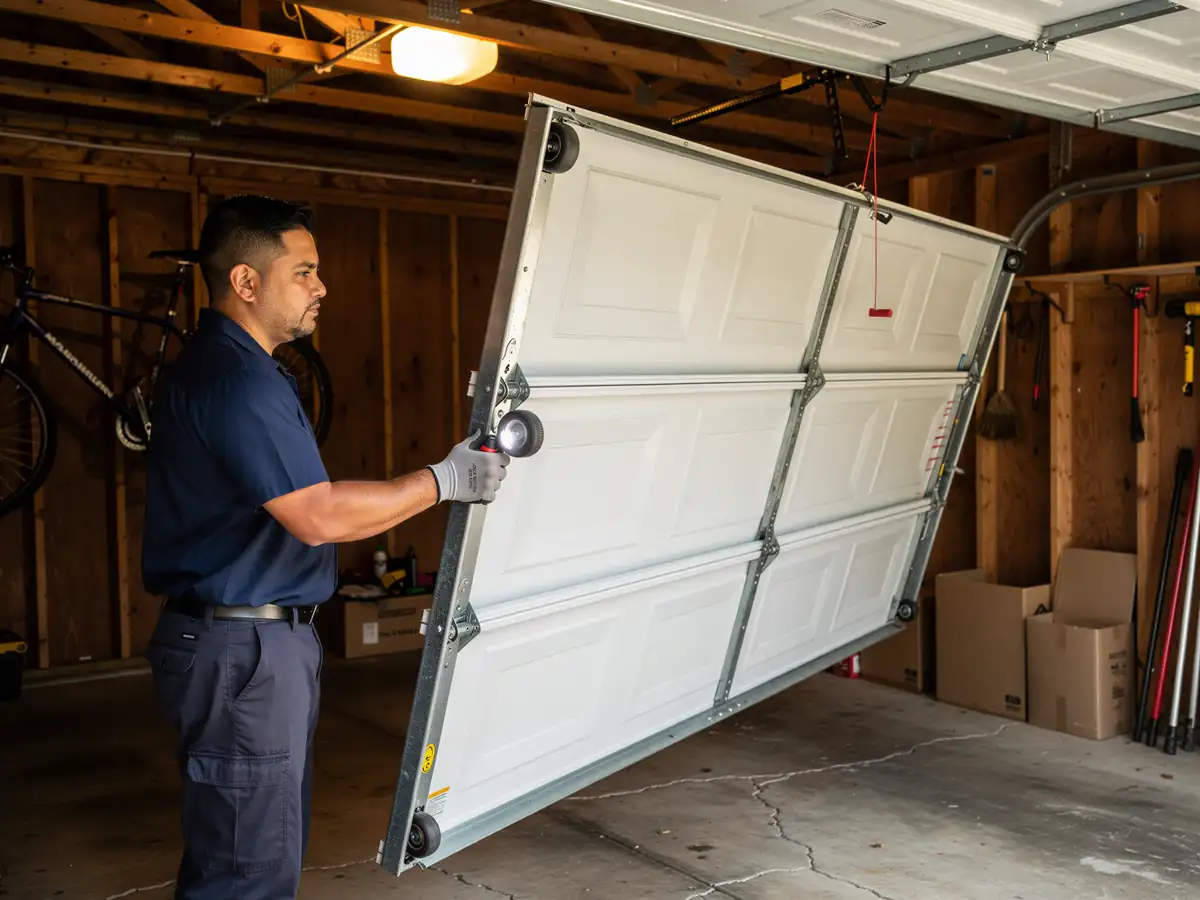
On stock from this era - mostly 1955 to 1999 - the door itself may still be sound steel even when the hardware around it has aged out. We'd rather tell someone their door has another decade in it than sell a replacement it doesn't need.
The Problem
Here's the limitation we're upfront about: on houses from this era, original hardware - certain spring sizes, older track brackets, some panel profiles - isn't always something we can pull off a shelf same-day. Parts for doors built when this neighborhood was new sometimes take longer to source than parts for a door installed five years ago, and we'd rather tell you that up front than promise a same-day fix we can't deliver.
That's the real tradeoff with a housing stock this age: the door itself is often still good steel, worth keeping, but the hardware behind it is old enough that sourcing takes a call and sometimes a wait. We'll tell you straight whether your repair is a same-visit job or a parts-order job before we start, not after.
We cover Sanford and the surrounding towns - Broadway at 7 miles, Goldston at 11, Cameron at 13, Pittsboro at 16, and Vass and Carthage both around 18 - and the same age pattern holds across most of that stretch. If your door was installed anywhere near when your house was built, assume the hardware is the first thing worth checking, not the last.