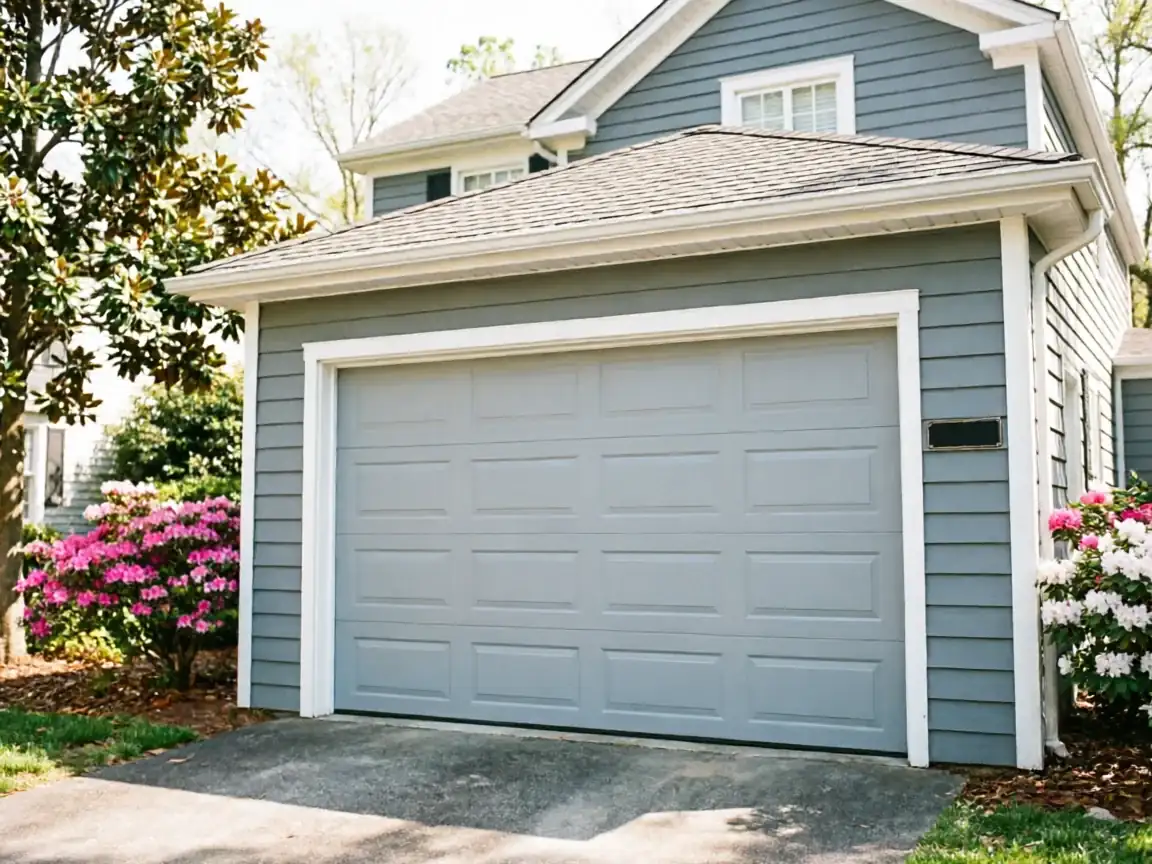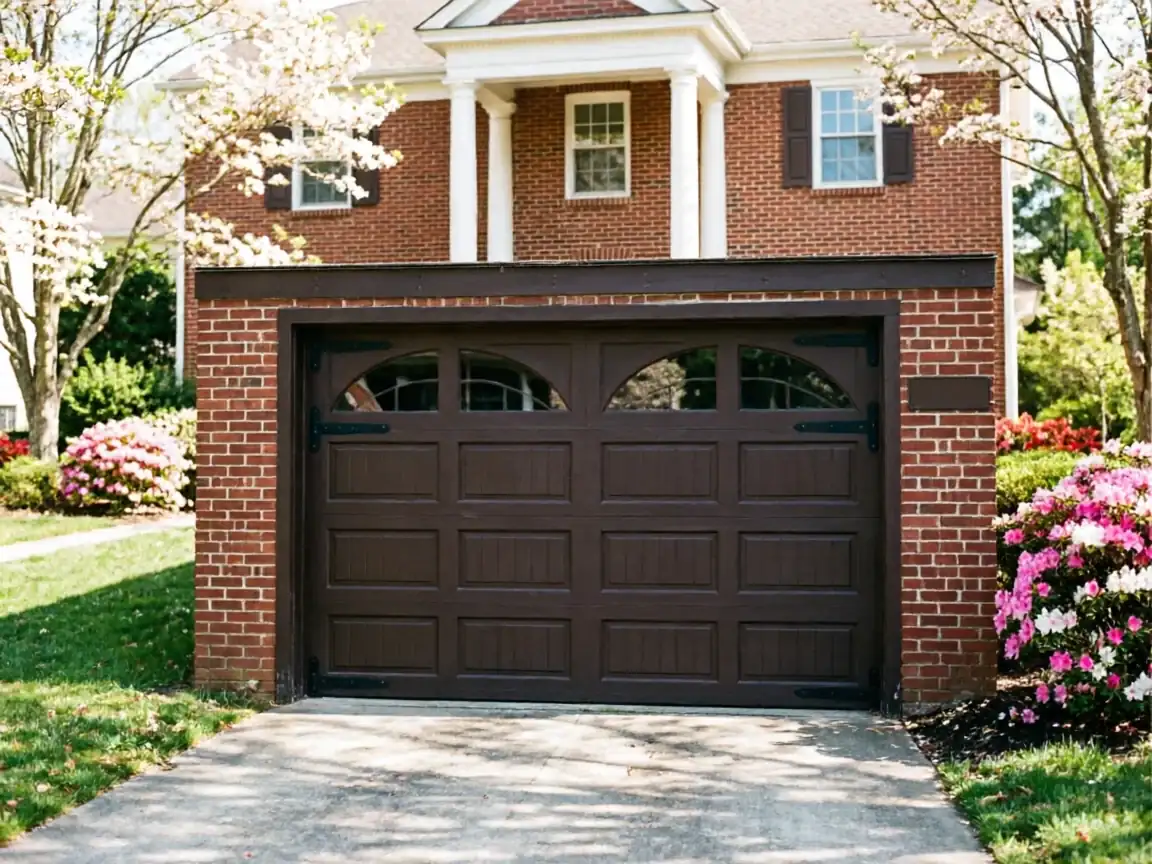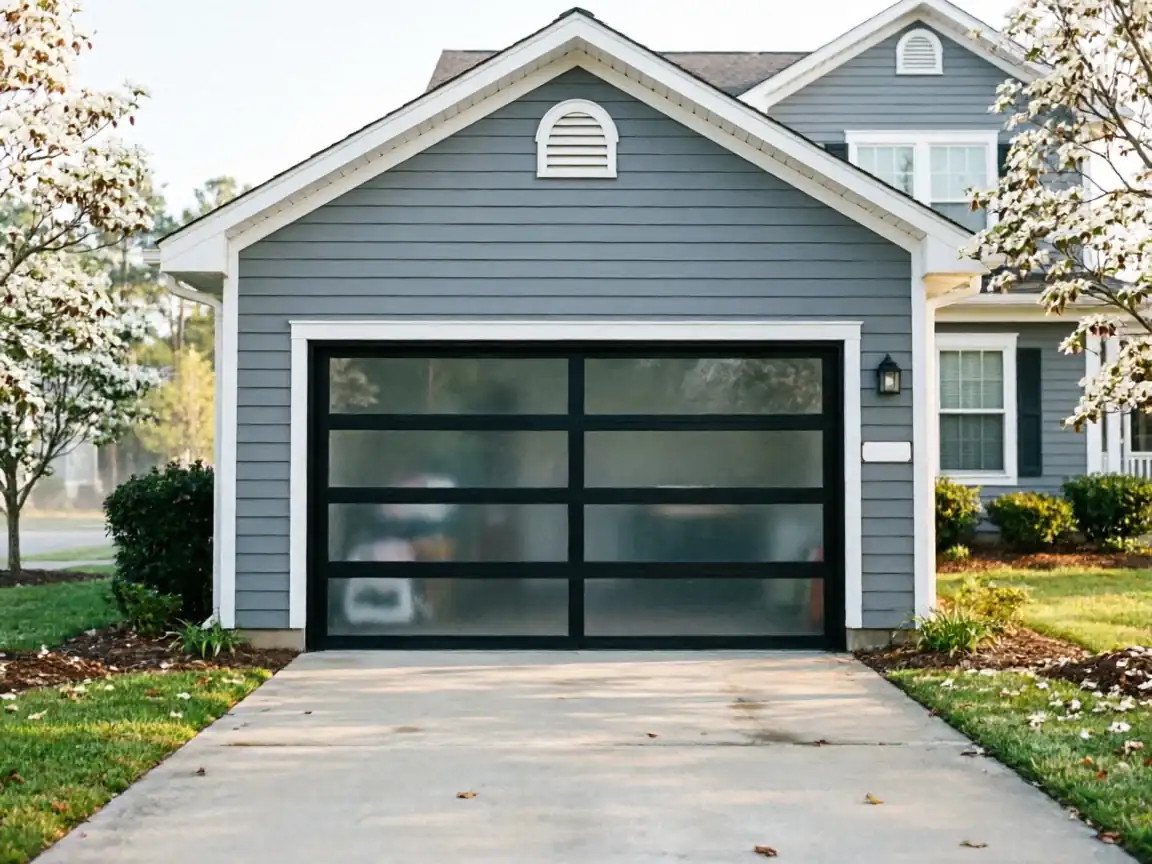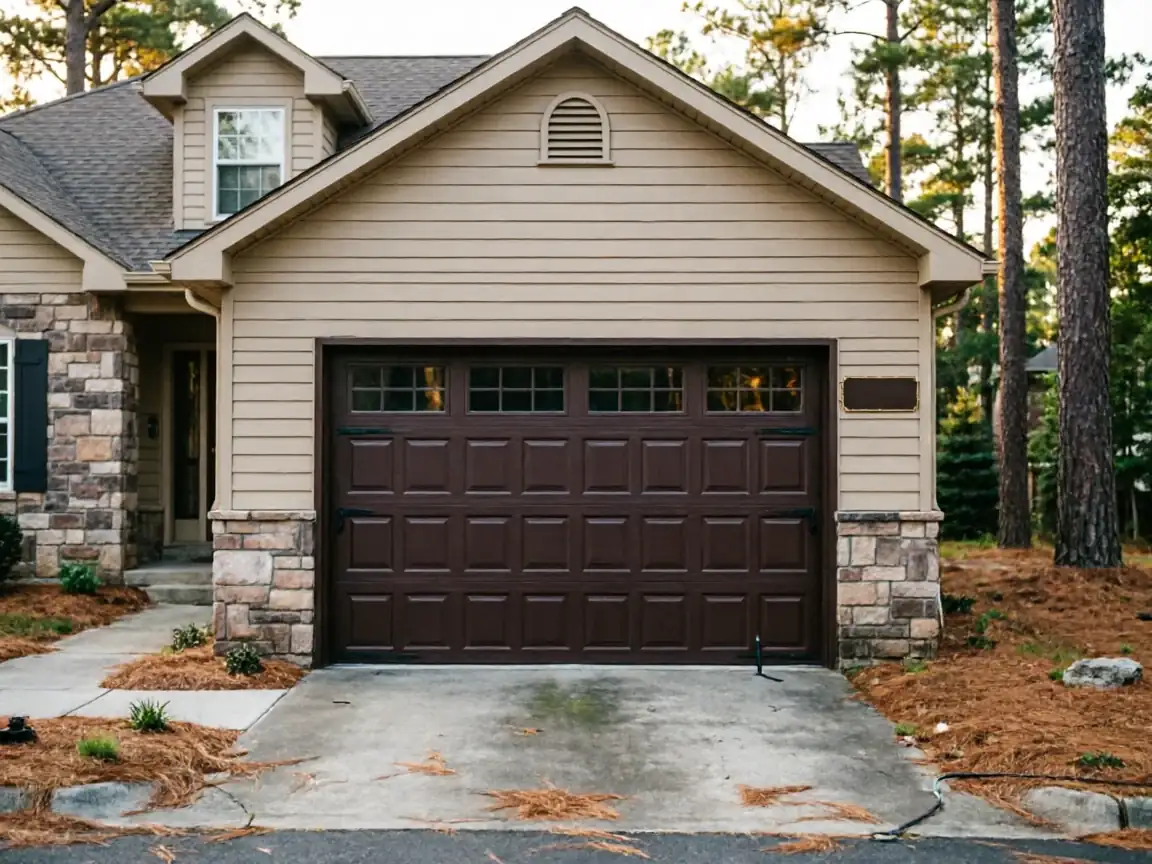
What People Here Ring About
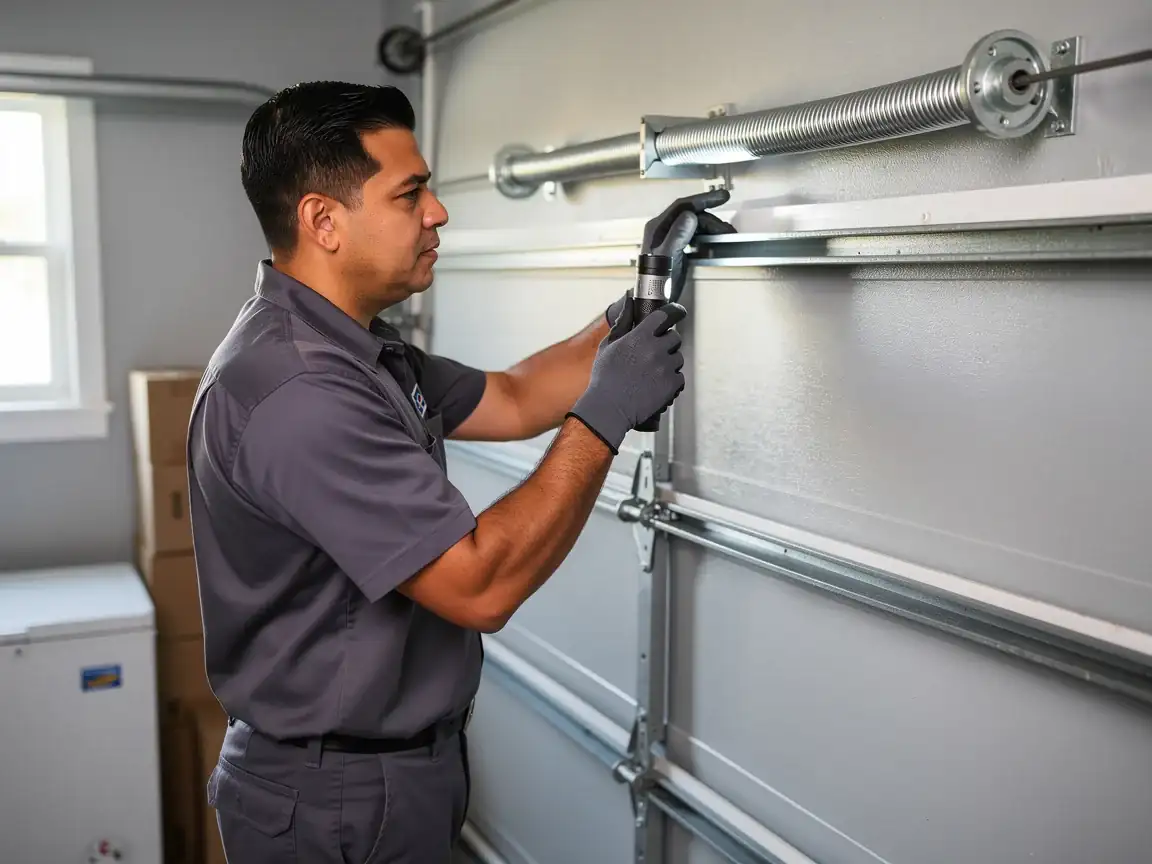
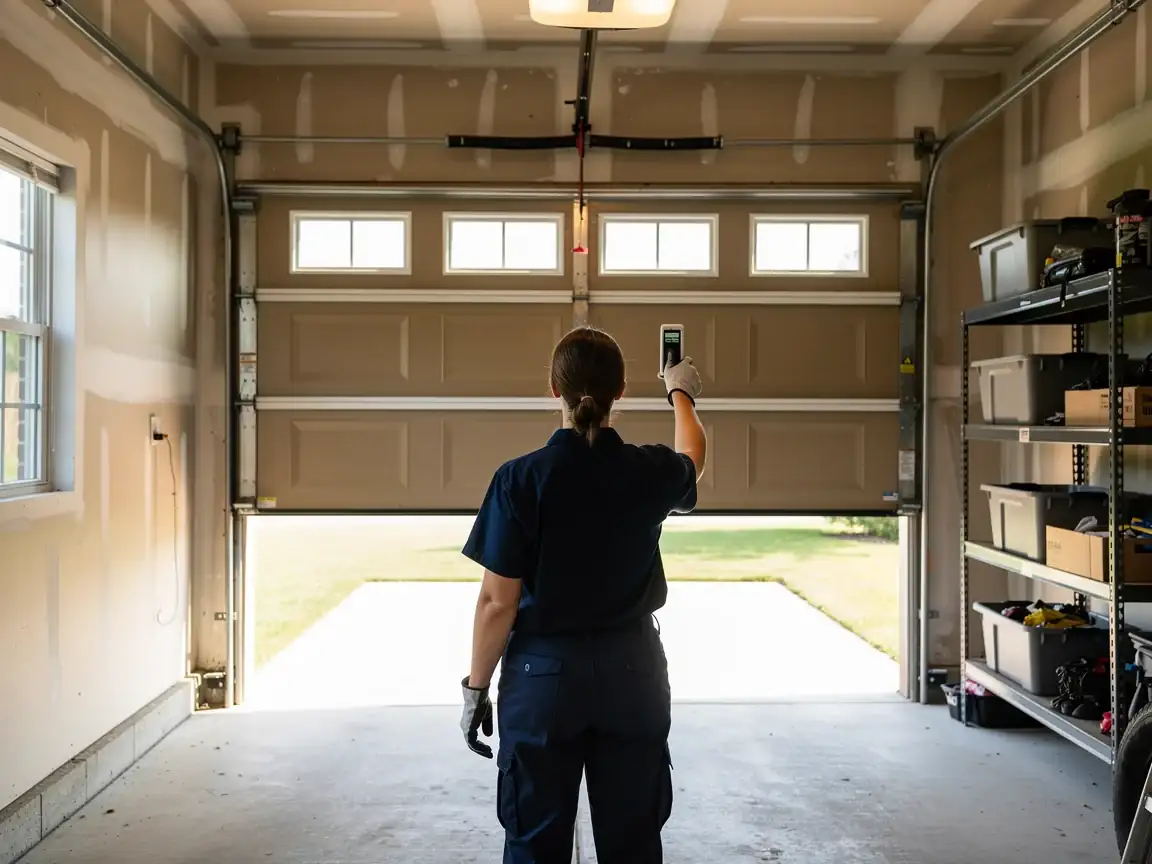
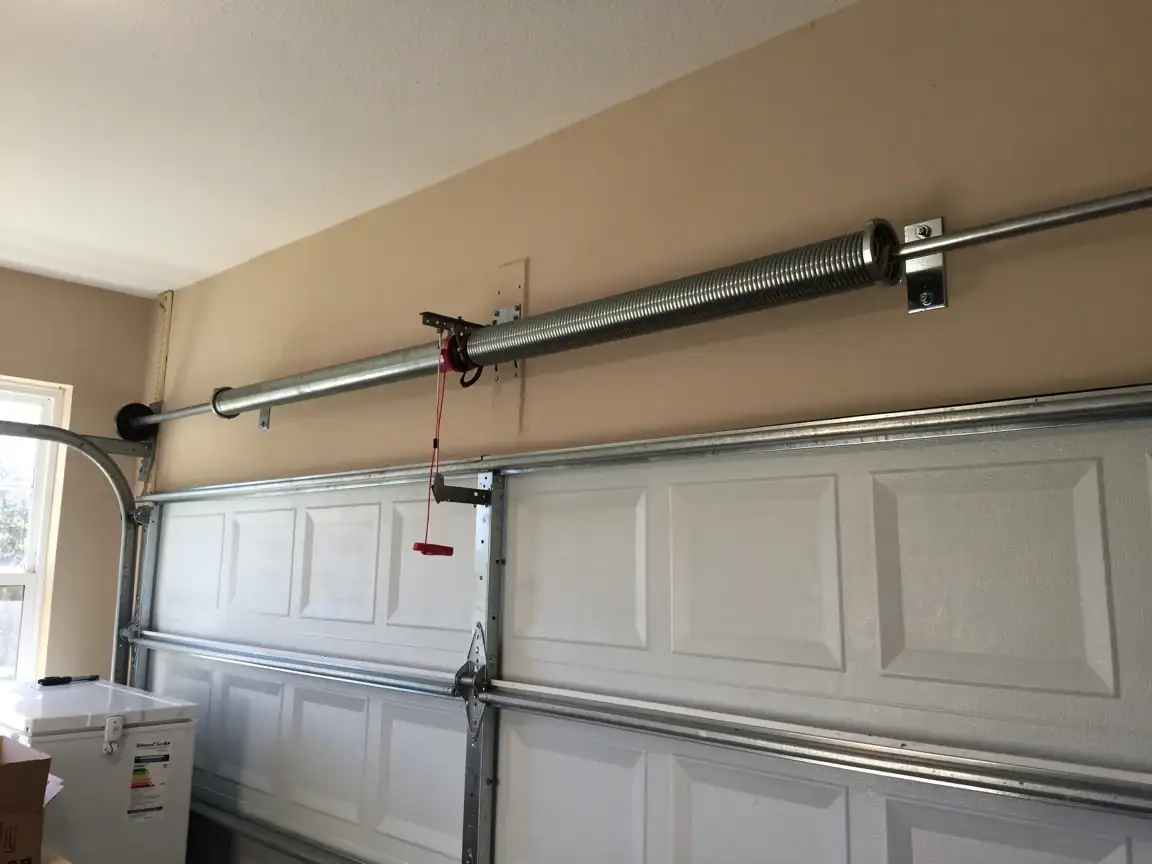
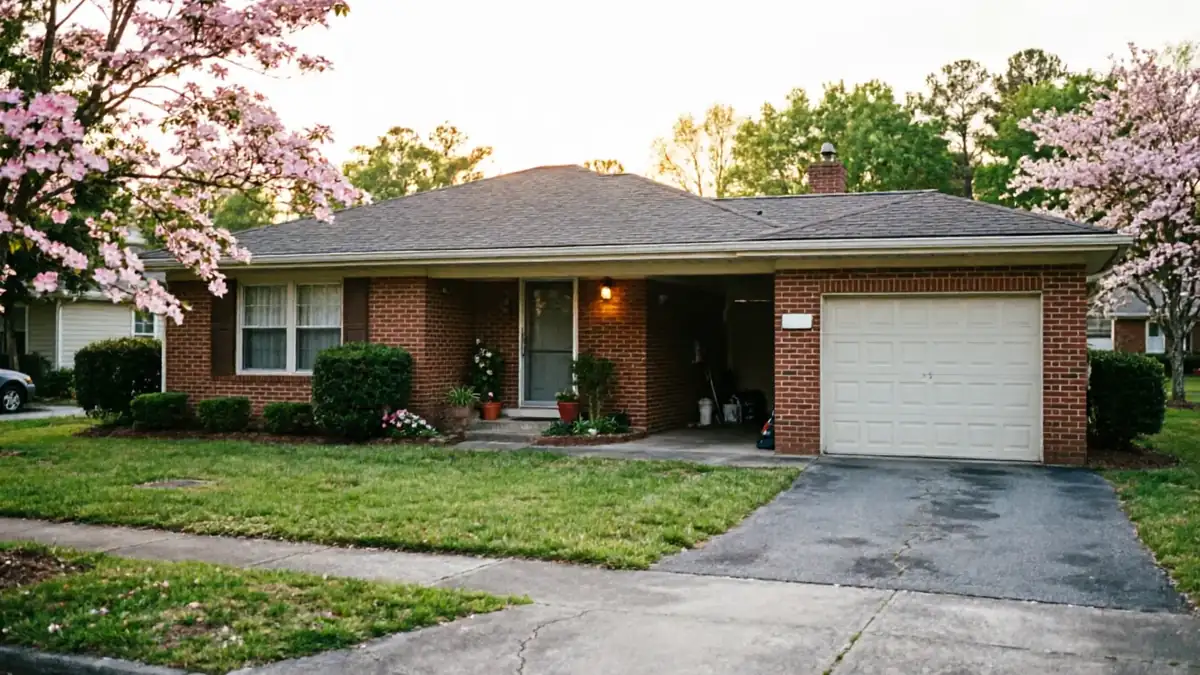
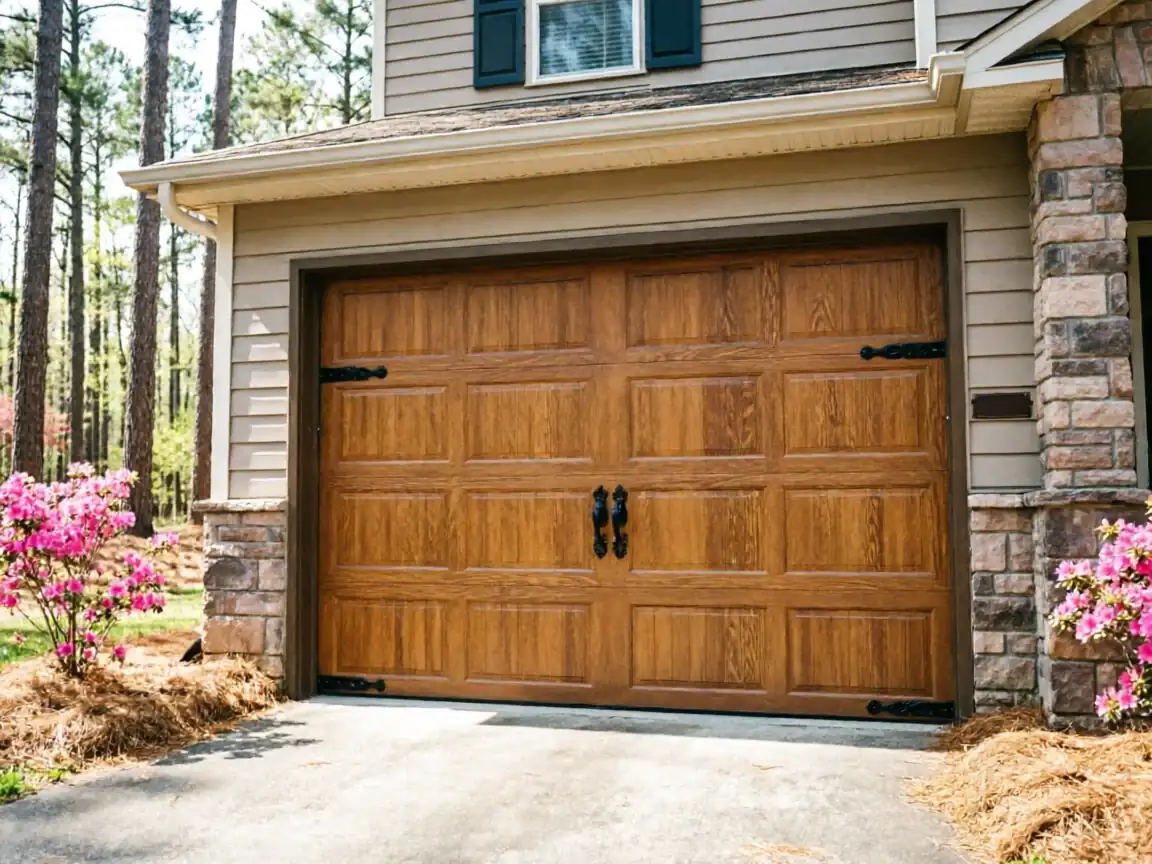
Most calls out of Goldston aren't about a dead opener remote or a dented panel from a bad backup job. They're about doors that are doing exactly what a door built around 1964 does after six decades: the torsion spring has taken its last cycle, the galvanized track has pulled away from the jamb, or the original steel hardware has rusted at the bottom brackets where rain and lawn sprinklers reach it year after year. A lot of these houses have never had the spring swapped once, which means whatever's on the door now is original or close to it. We also hear from folks whose opener is newer than the door itself - a retrofit chain-drive bolted onto 1960s track that was never sized for it, which throws the whole system out of alignment and chews through rollers. None of this is unusual for a town where the housing stock sits well before the service area's overall median year built. It's just older iron doing older-iron things.
What We Will Not Take On
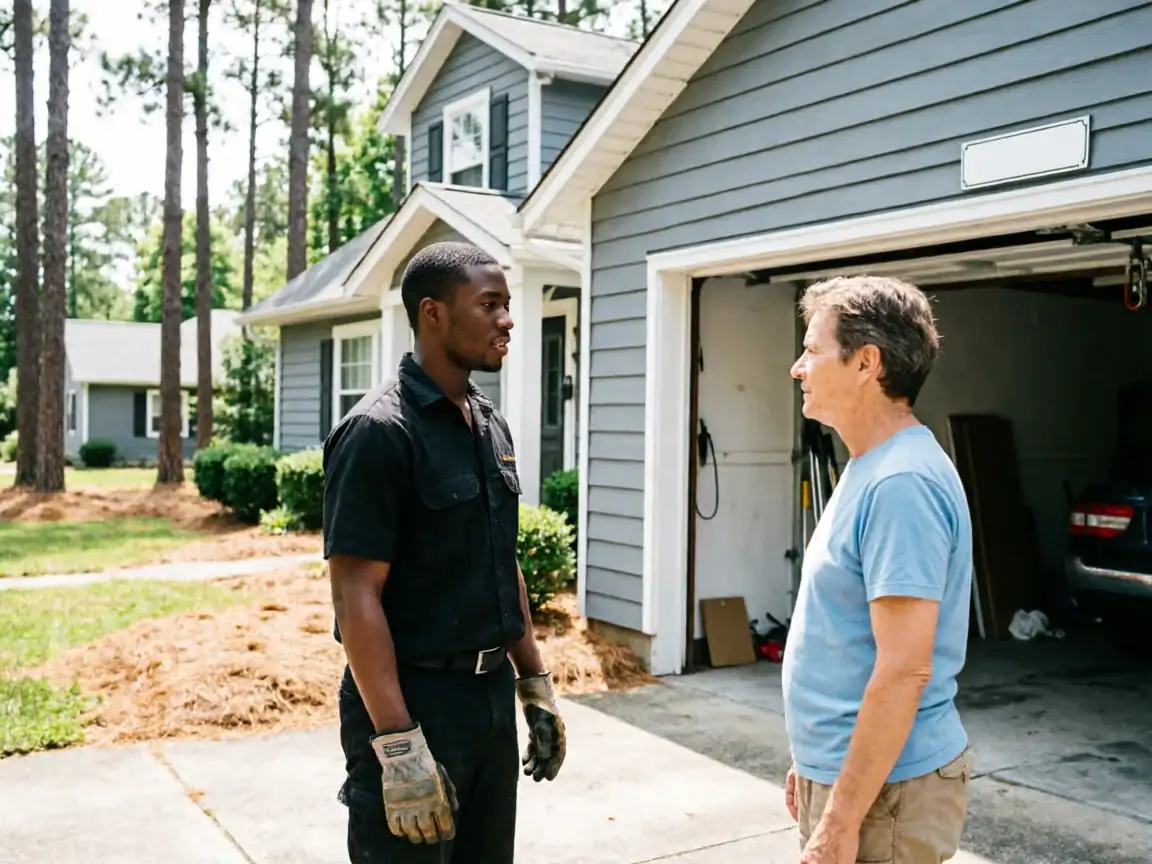
We don't carry a crew or a stocked truck based in Goldston itself - we come out from Sanford, roughly 11 miles each way, and that shapes what makes sense to take on same-day versus what needs a scheduled trip. Hardware from the 1960s sometimes uses spring and drum sizes that aren't common stock anymore, and if a part has to be special-ordered, that's a few extra days, not a same-day fix - we won't pretend otherwise. We also won't tell you a repair is worth it when it isn't. If a door from this era has a cracked wood or early steel panel along with worn track and a shot spring, replacing the whole unit is usually the straighter path than patching three separate failures on hardware nobody manufactures for anymore. We'll say that plainly instead of running up a bill on a door that's on its way out regardless.
What Was Built Here
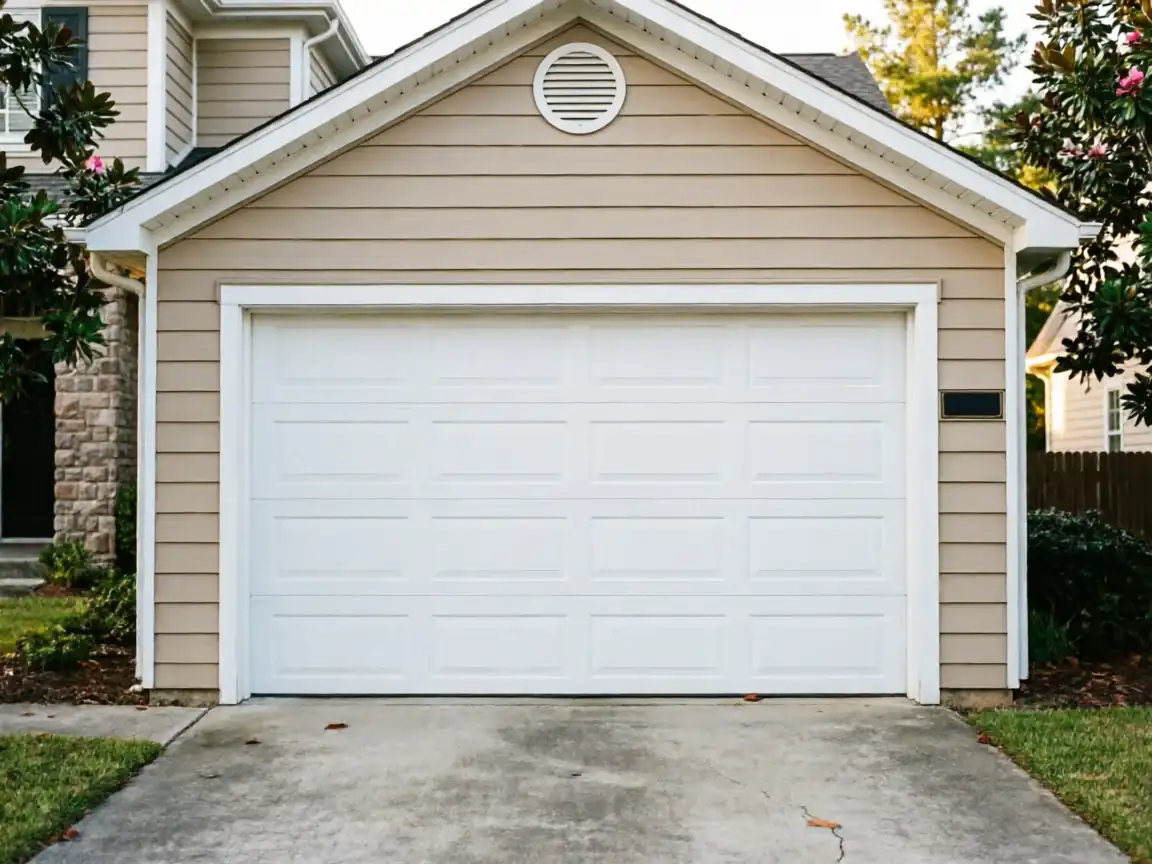
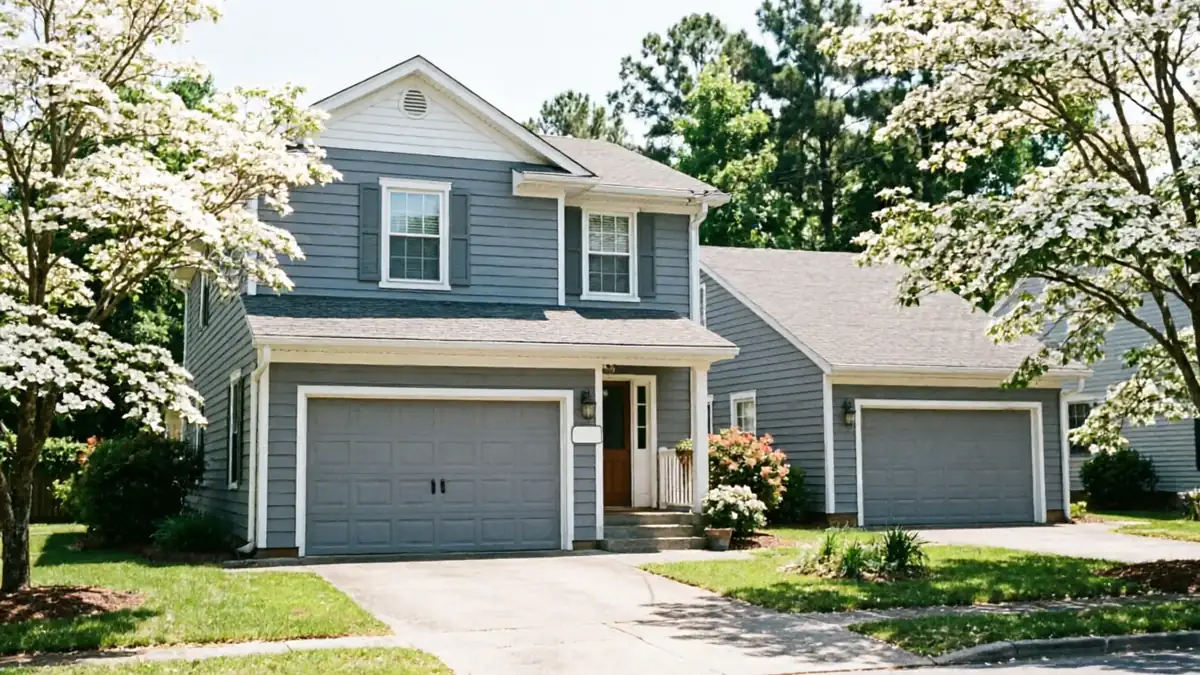
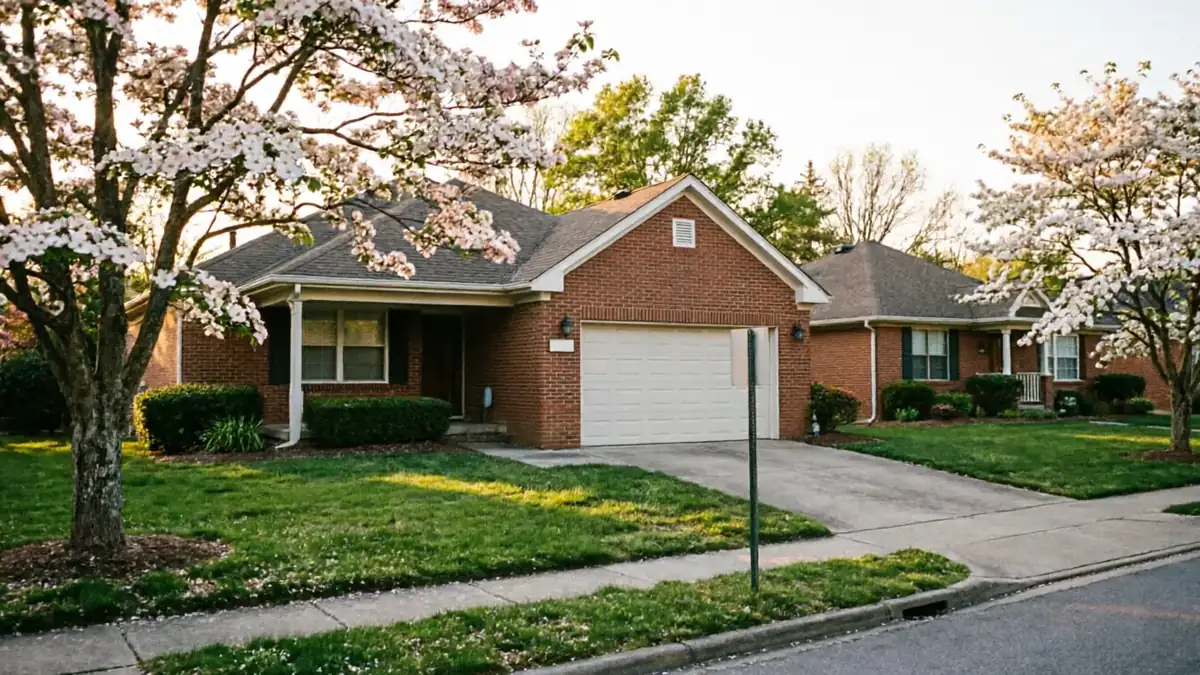
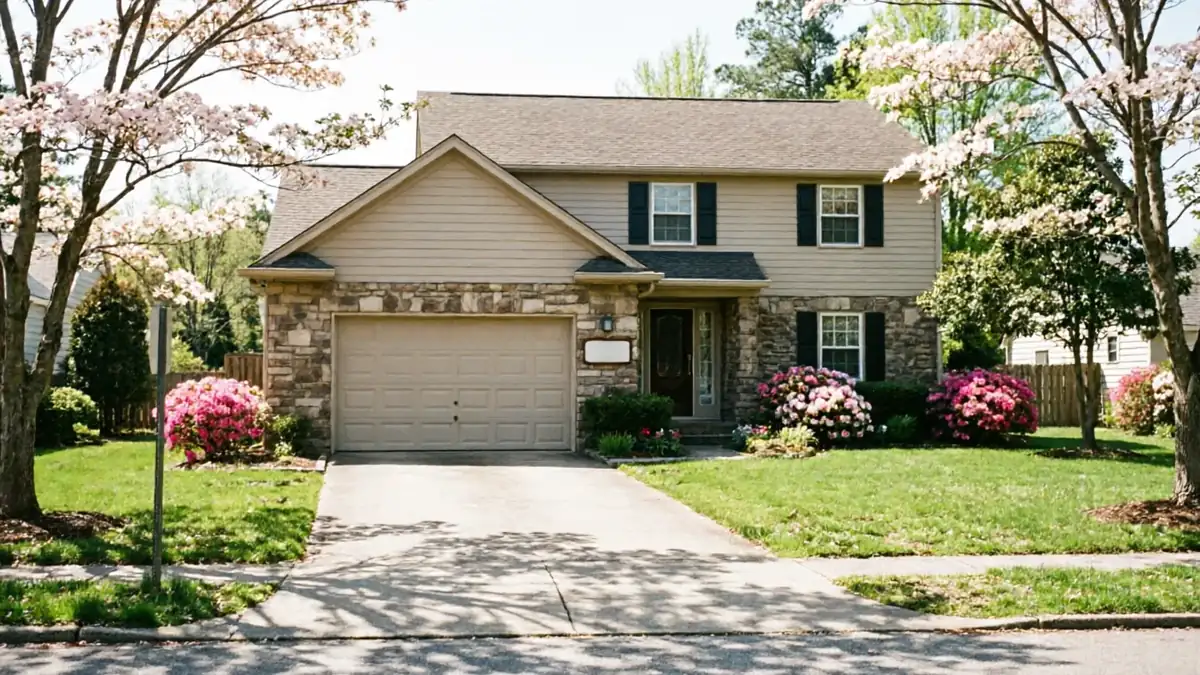
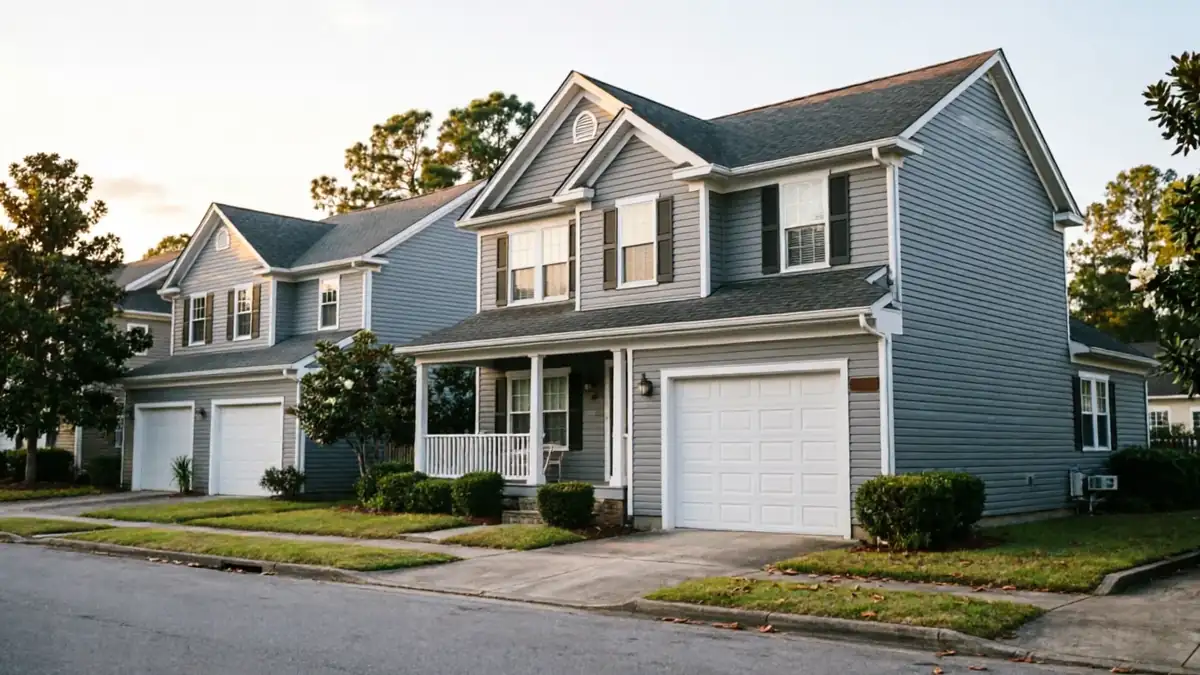
Goldston's homes center on a median build year of 1964, noticeably earlier than the 1983 median across the wider Sanford service area, which runs from 1955 up through developments built as late as the 1990s. With around 140 households in the immediate area, it's a small, consistent pocket of older construction rather than a mixed-era subdivision. That matters for anyone pricing a repair against what a neighbor in a newer part of the service area paid - the parts, the labor, and the likely failure point are different when the base door predates modern torsion-spring sizing by twenty years or more. Median household income here runs lower than the service area's overall $62,428, which is worth knowing going in: we'd rather talk through a repair-versus-replace decision honestly up front than have that conversation after work's already started.