What People Here Ring About
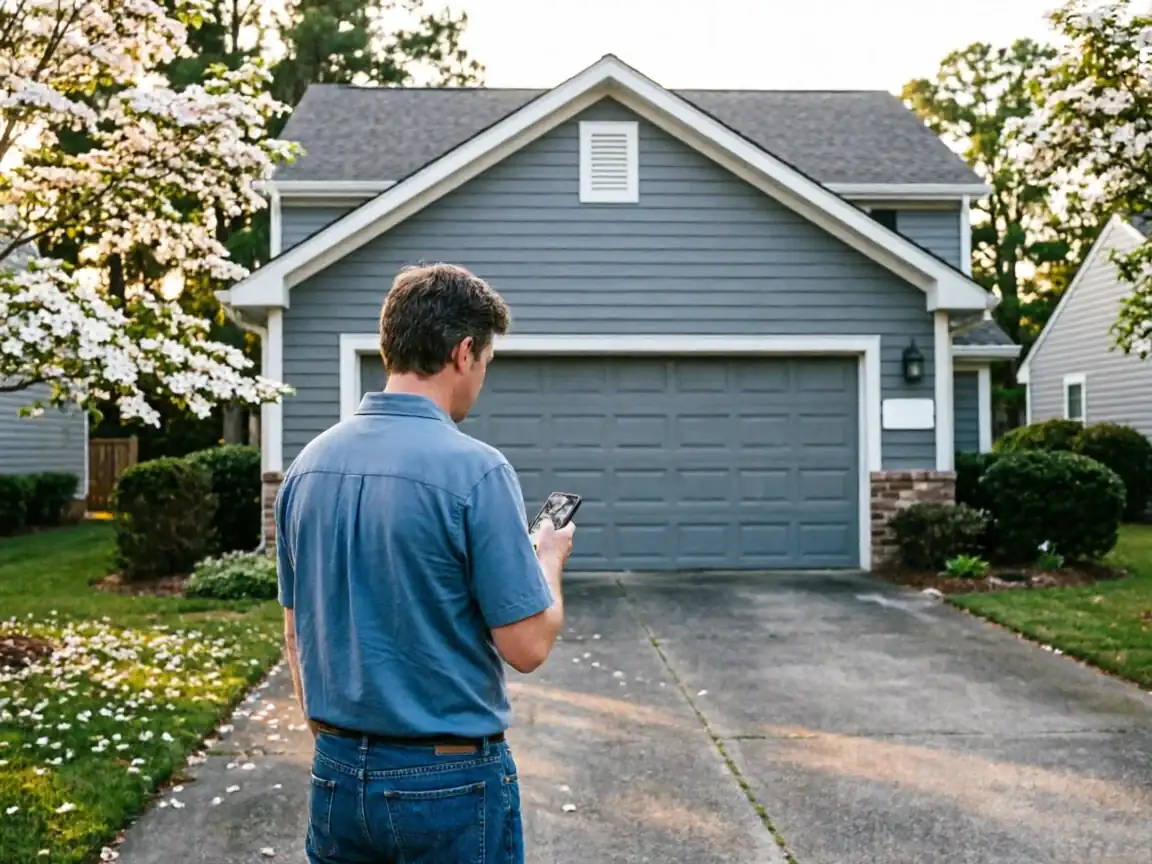
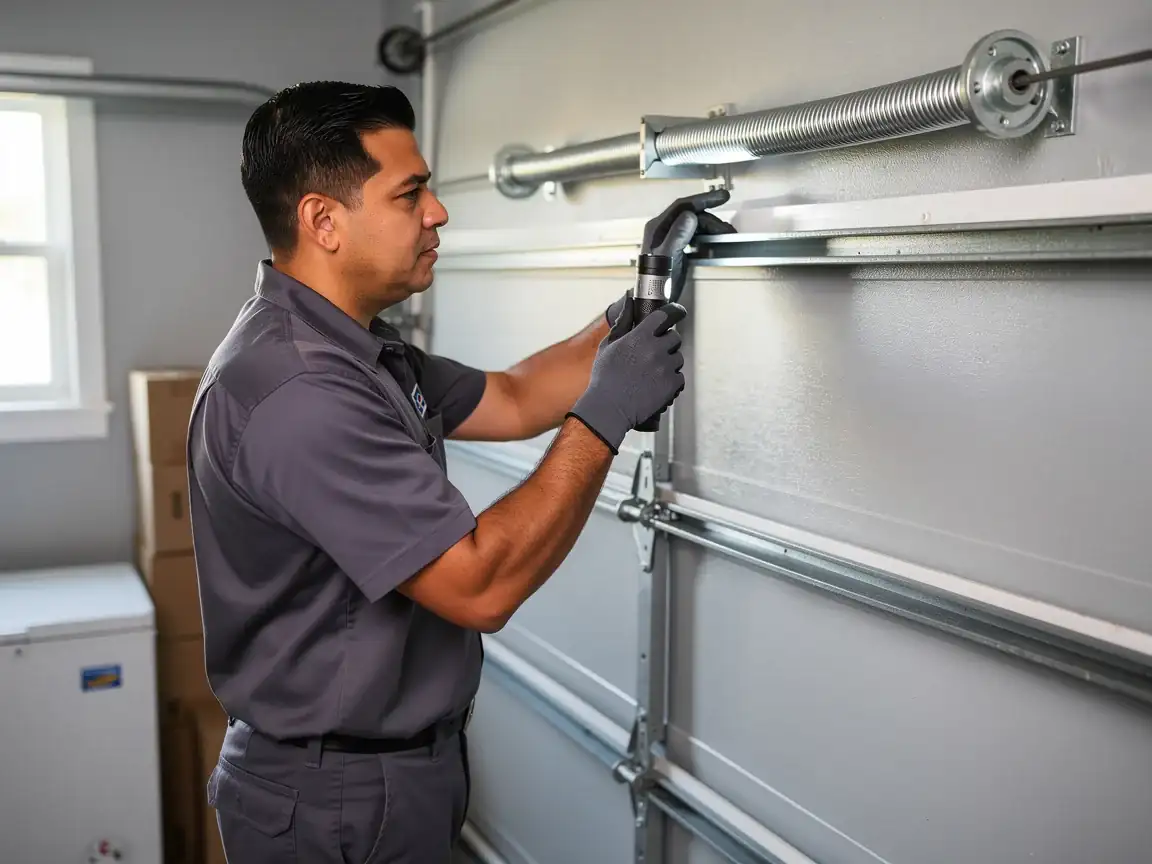
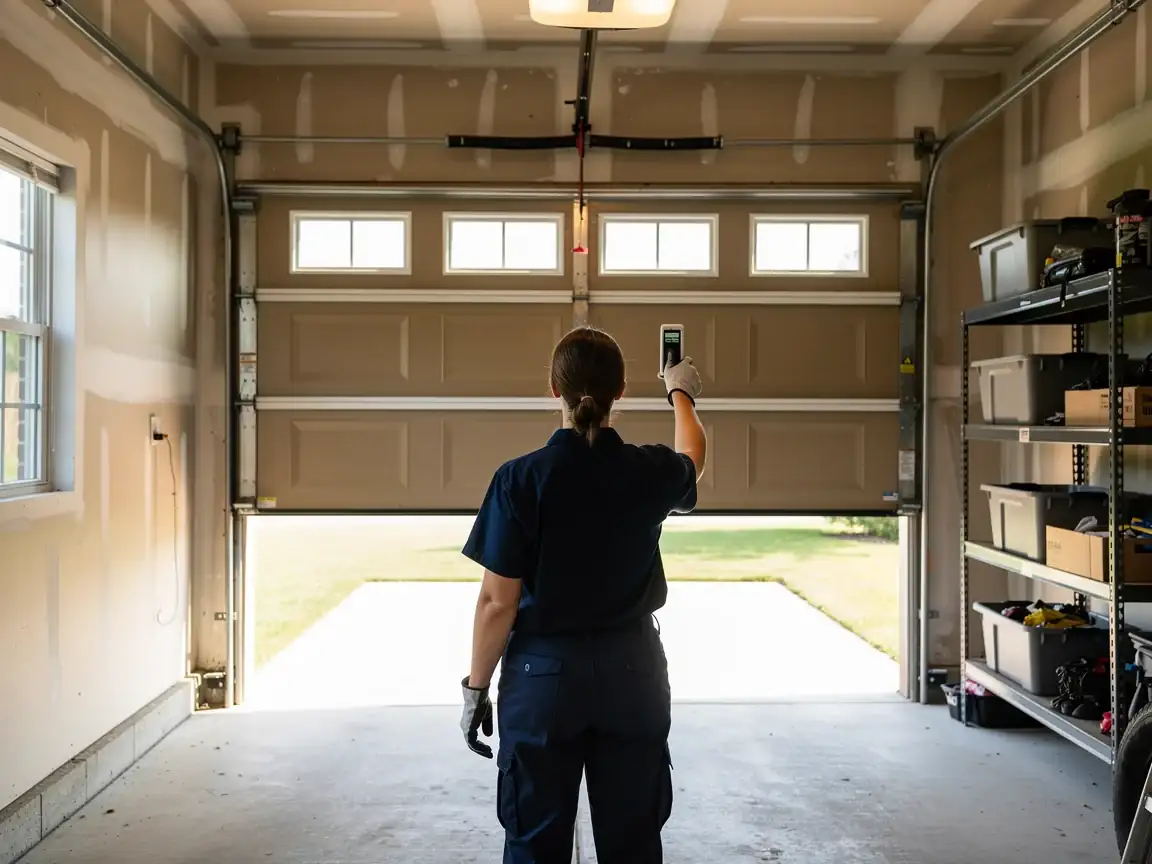
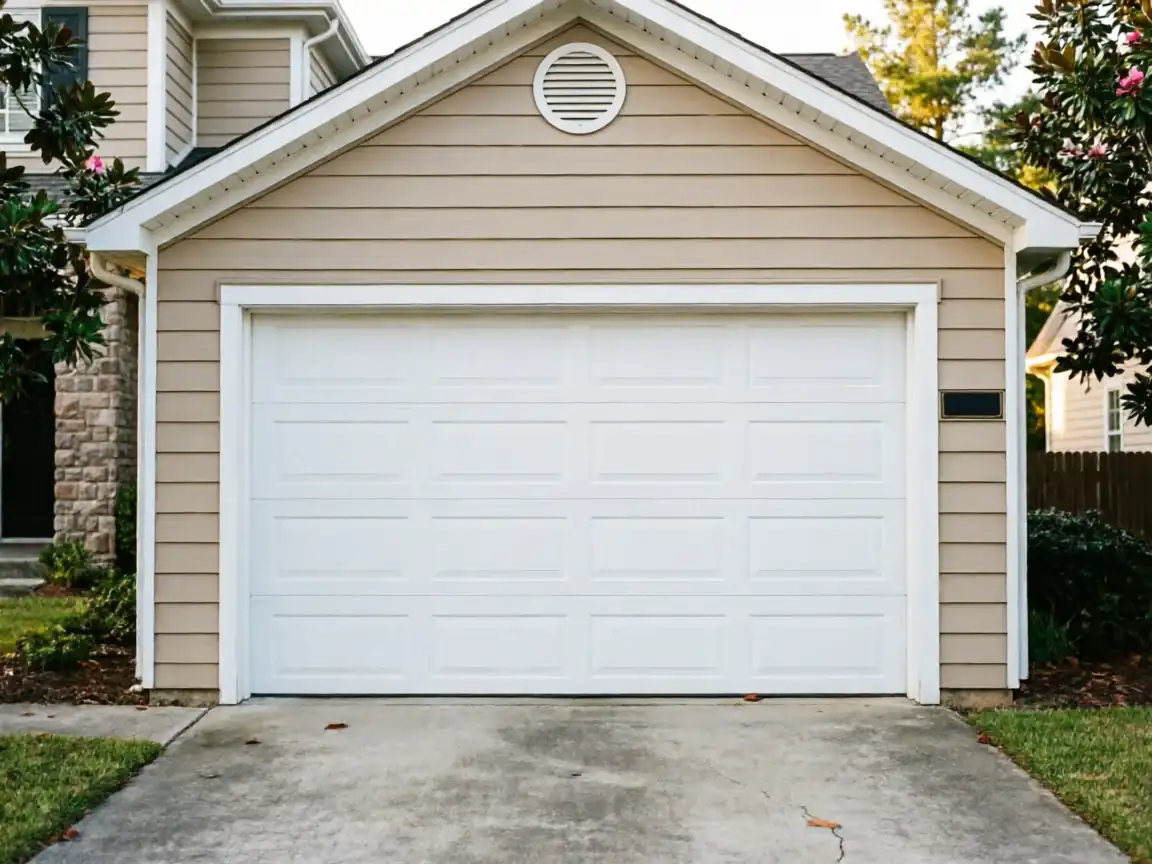
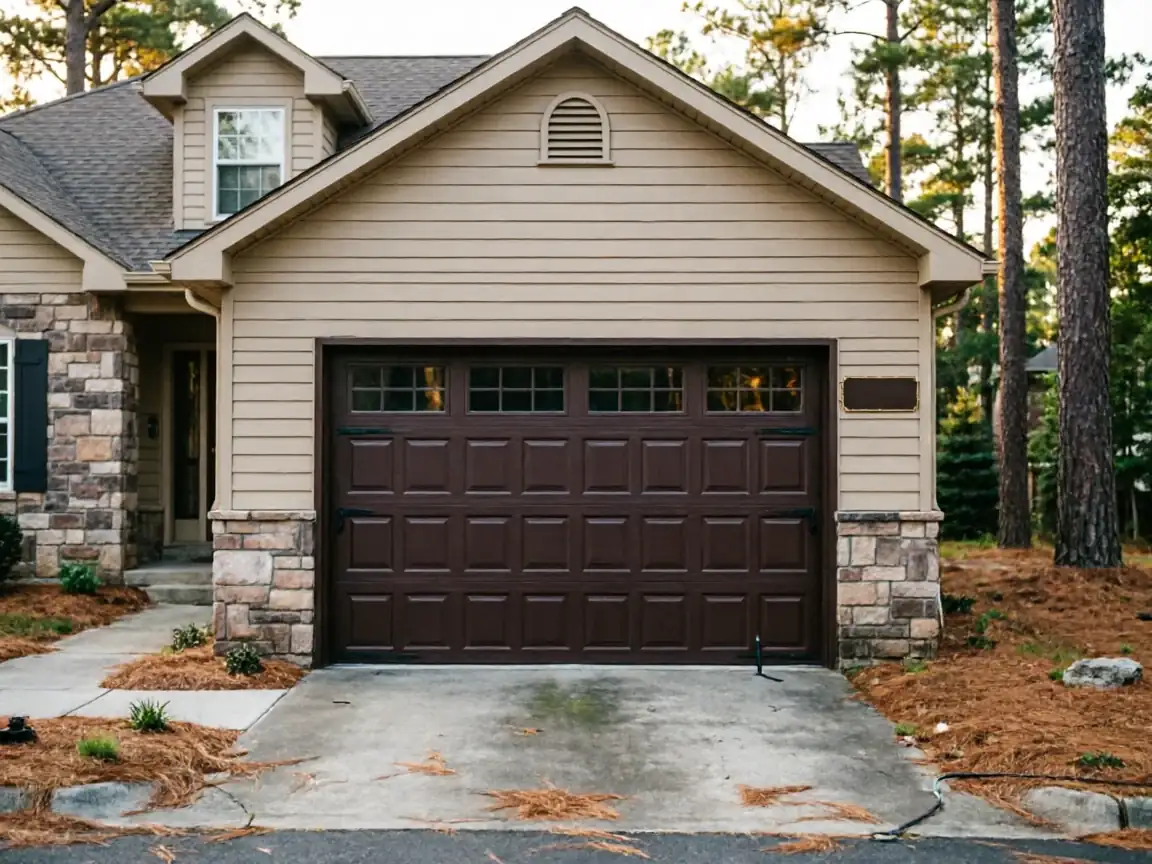
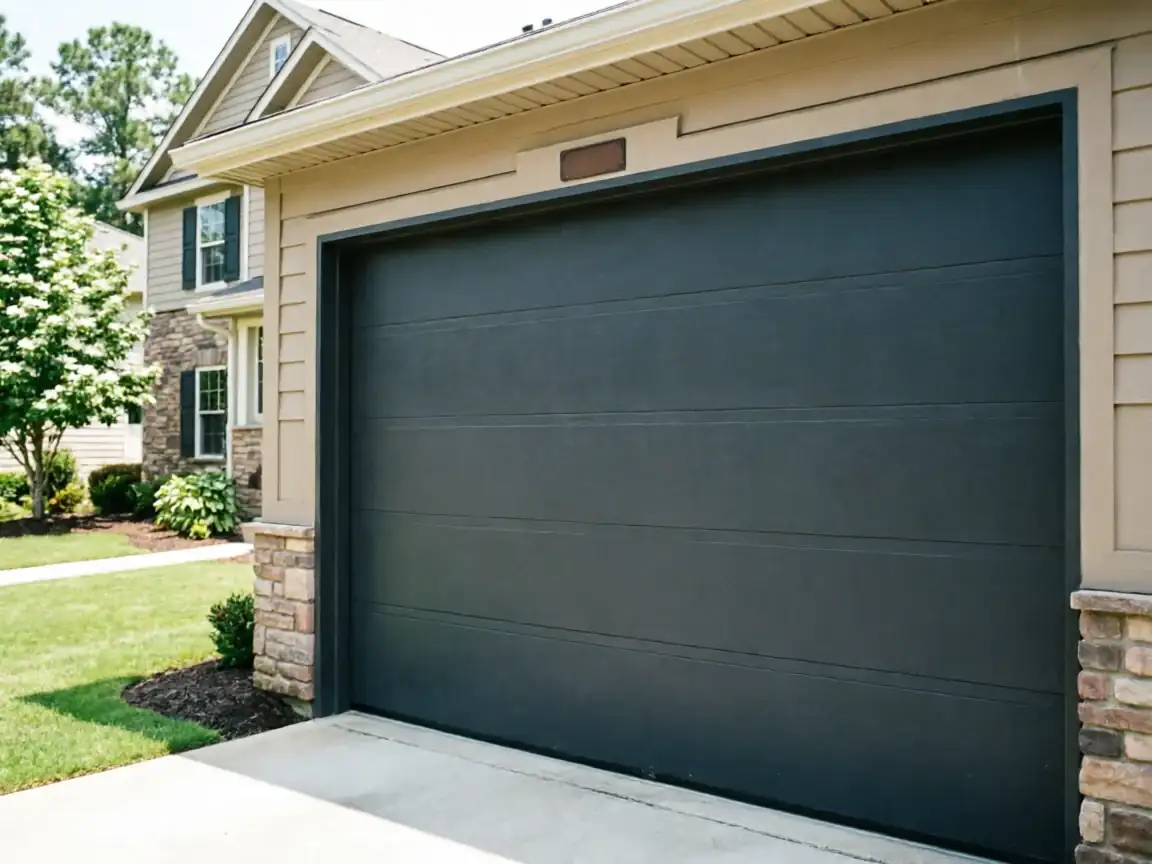
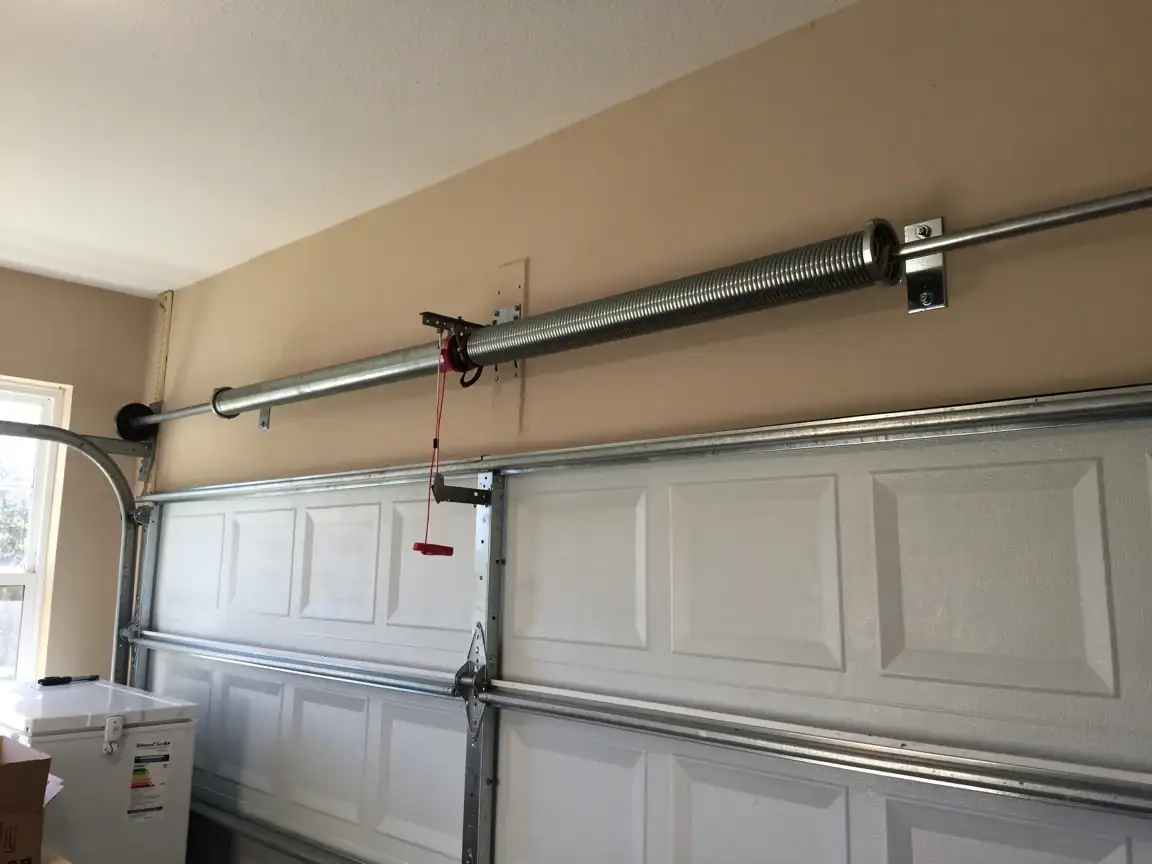
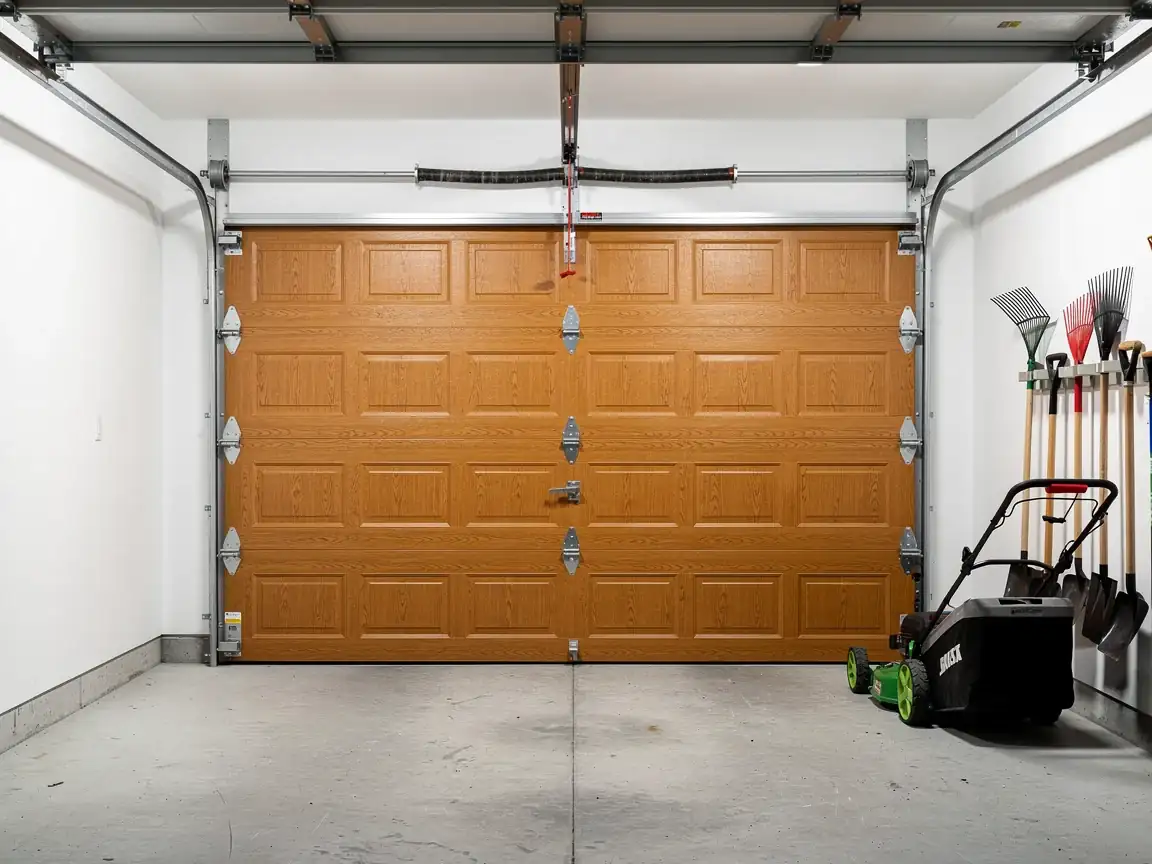
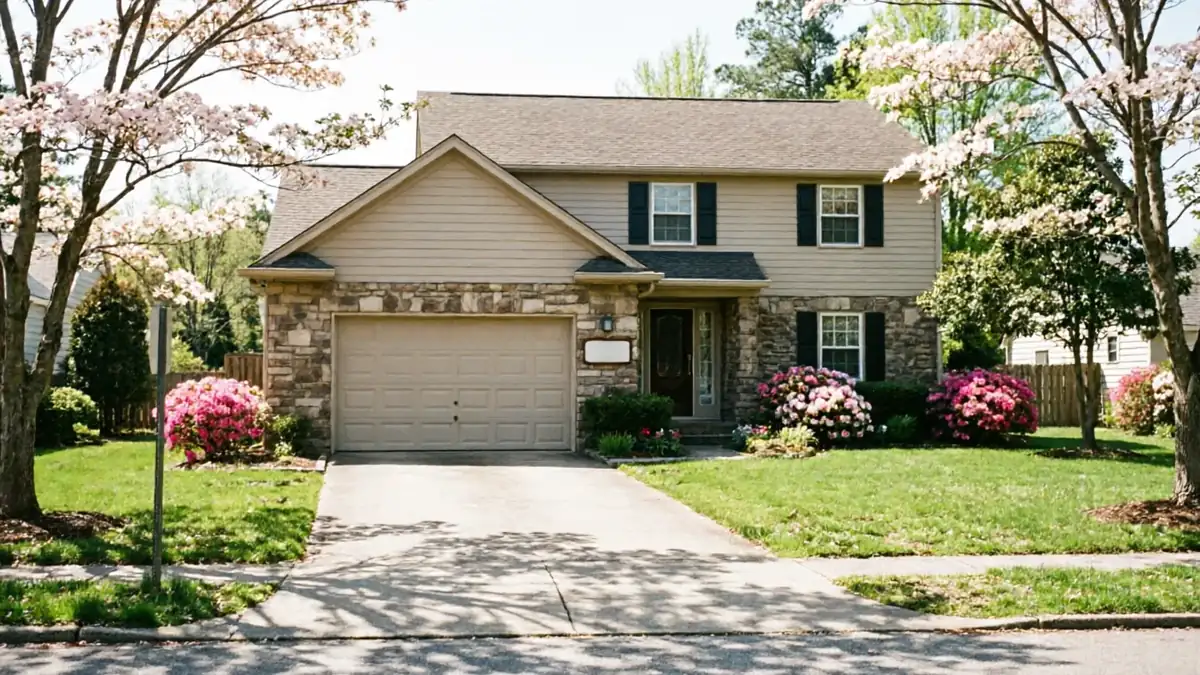
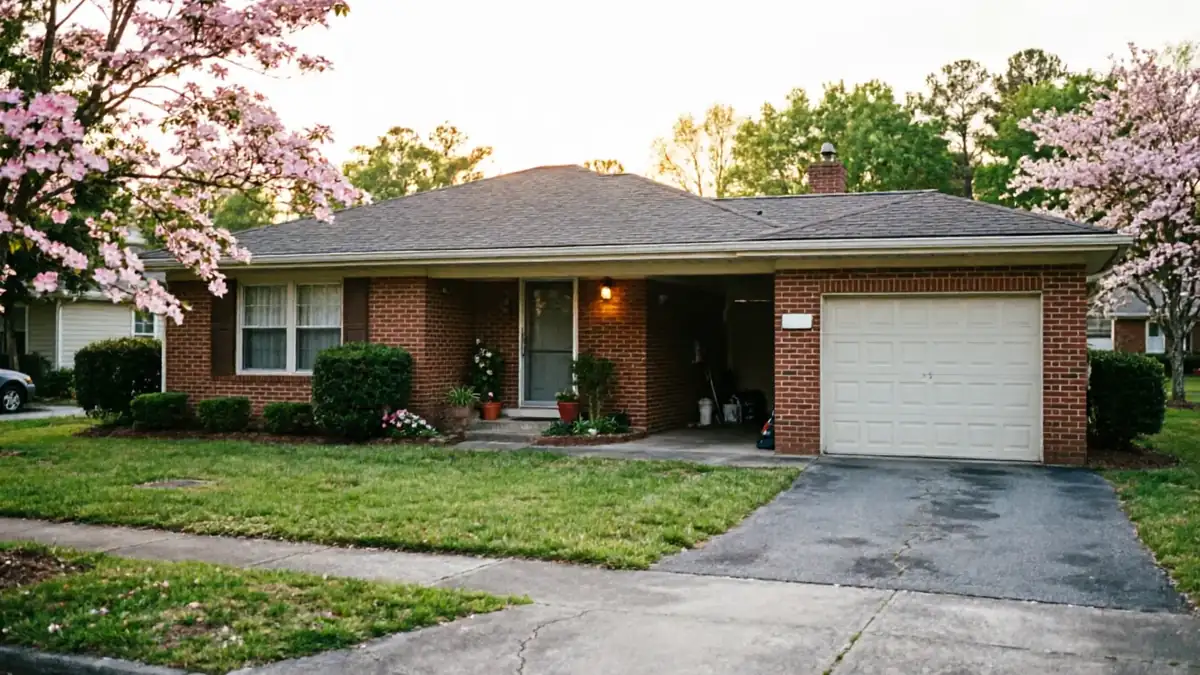
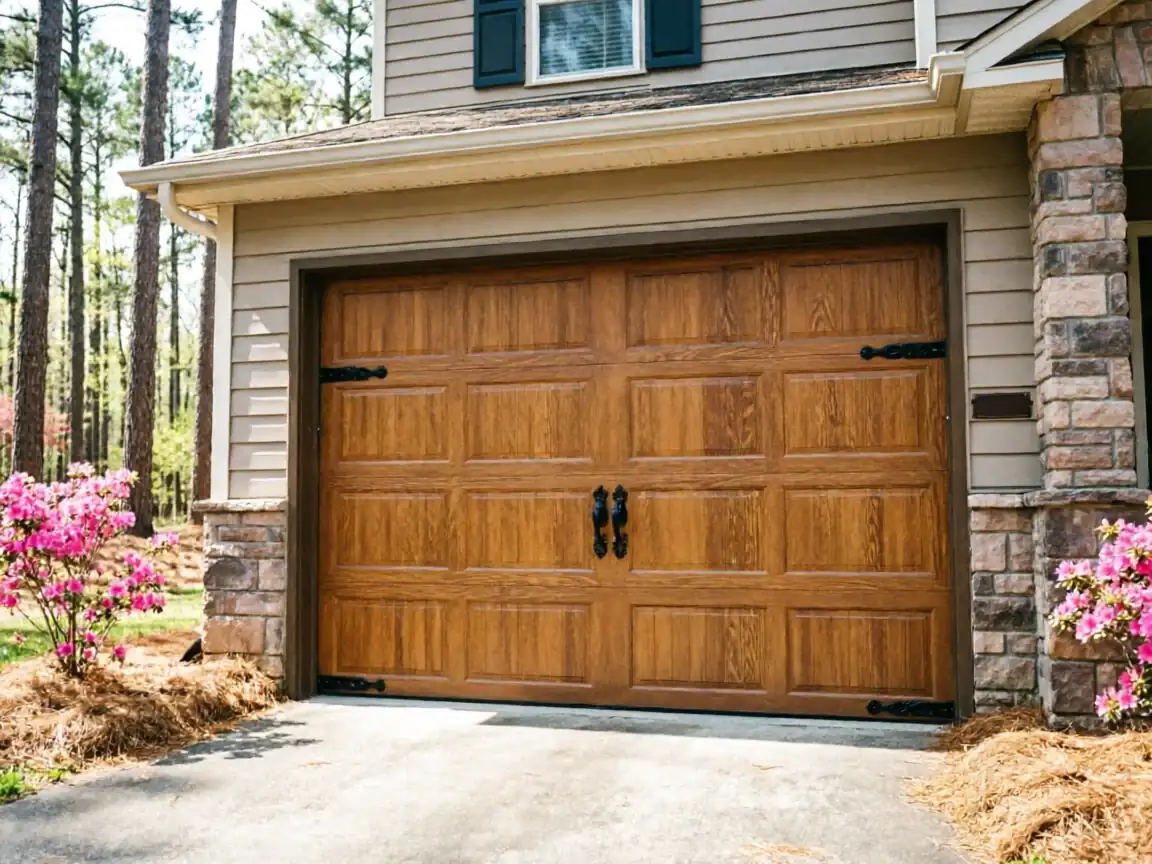
Most calls we get from Vass track back to houses built around 1988, give or take a few years either side. That's a specific generation of door and opener: steel sectional panels on extension springs, chain-drive openers with circuit boards that are now pushing 35 years old, and galvanized track that's seen three and a half decades of Carolina humidity swings. The failure pattern is predictable. Extension spring cables fray and snap, usually on the side that takes the most door cycles. Opener logic boards die quietly - the unit just stops responding to the remote, not the wall button. Rollers on the original hardware have usually gone from steel to a mix of broken and makeshift by now. We also get calls about doors that won't seal at the bottom, which on a 1988-era slab usually means the track has racked out of plumb over the years, not that the door itself is bad. None of this is dramatic. It's just hardware at the end of its service life, and it tends to all need attention around the same age.
What We Will Not Take On
We don't stock parts on-site in Vass - we run out of Sanford, about 18 miles off, so same-day availability depends on what's already on the truck versus what needs ordering. If a job needs a part we don't carry, we'll tell you that up front rather than promise a date we can't hit. We also won't recommend replacing a door that still has good bones just because it's old; a lot of the 1980s steel doors out here are structurally fine and just need new springs, cable, or rollers. Where we draw the line is openers - once a board from that era fails, we don't chase replacement parts for a unit that's been discontinued for years. At that point it's a new opener, not a repair, and we'll say so instead of running up a bill trying to revive something obsolete.
What Was Built Here
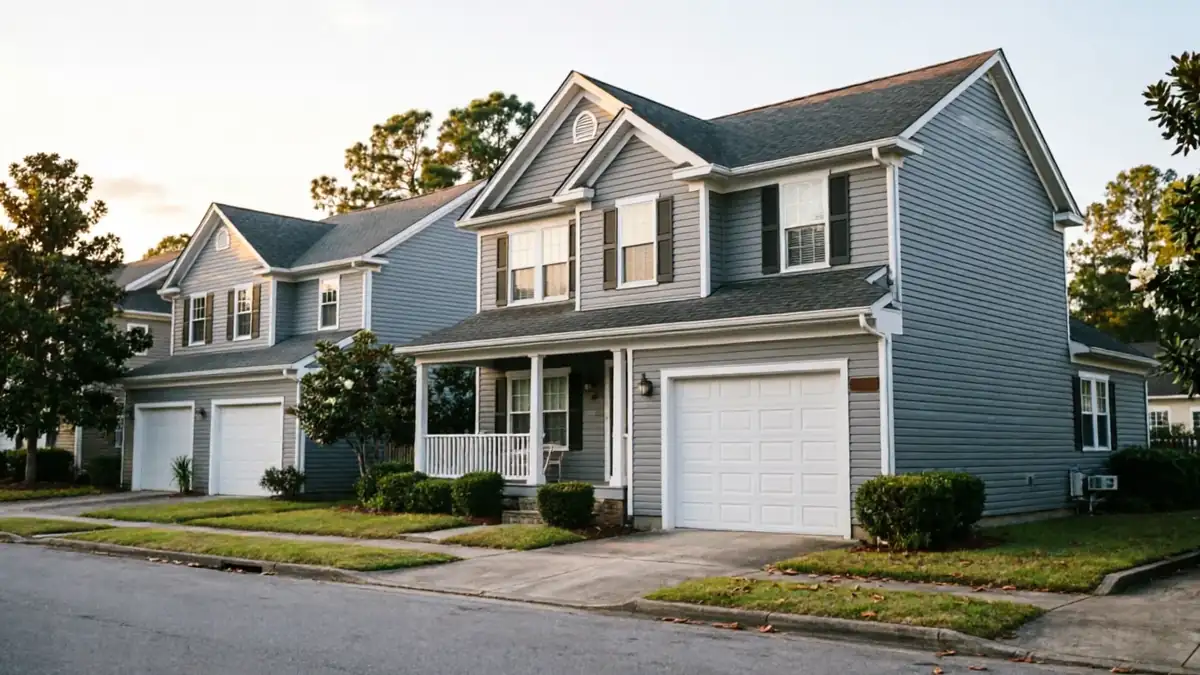
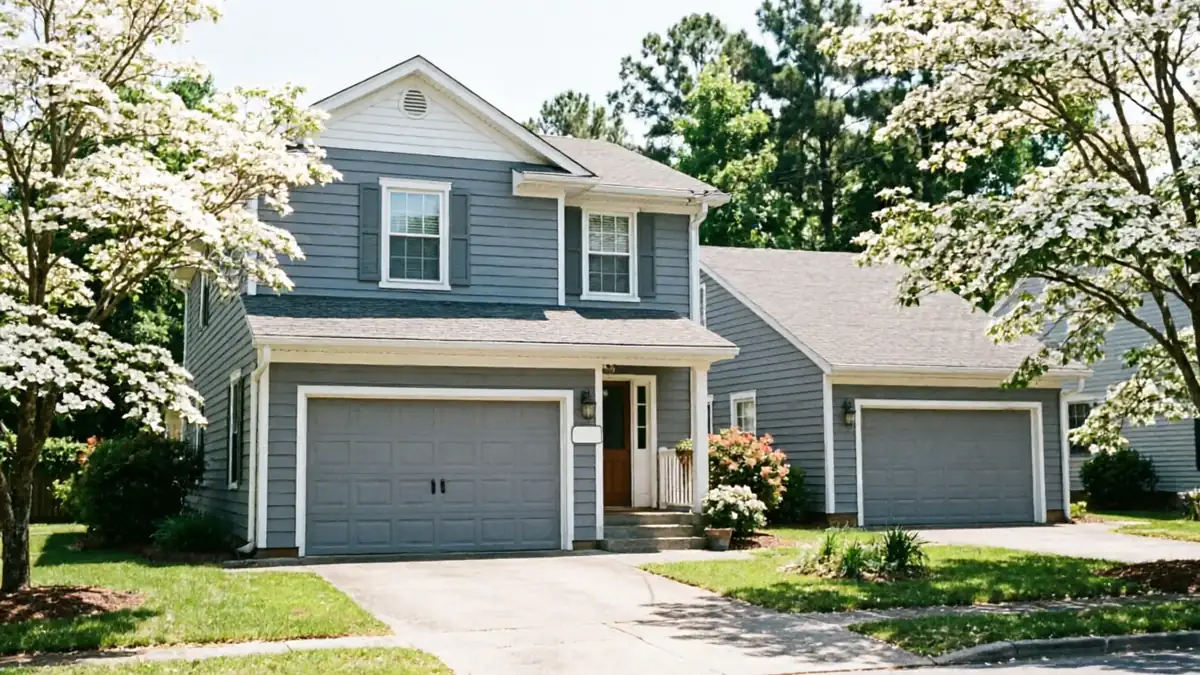
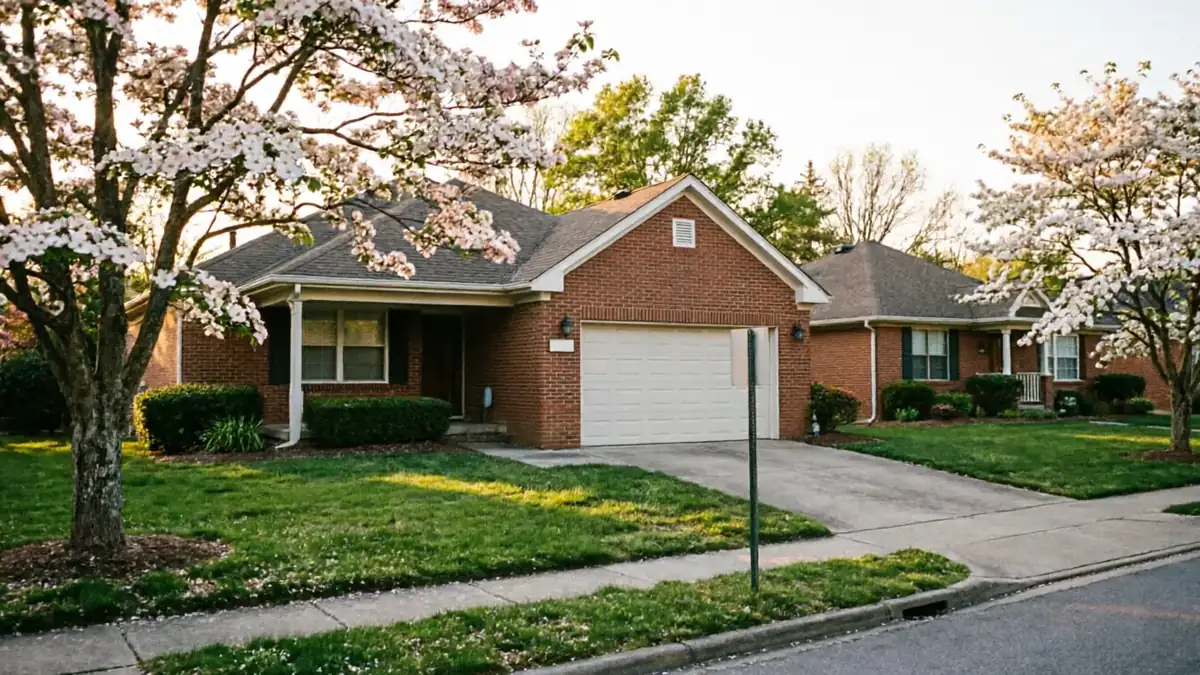
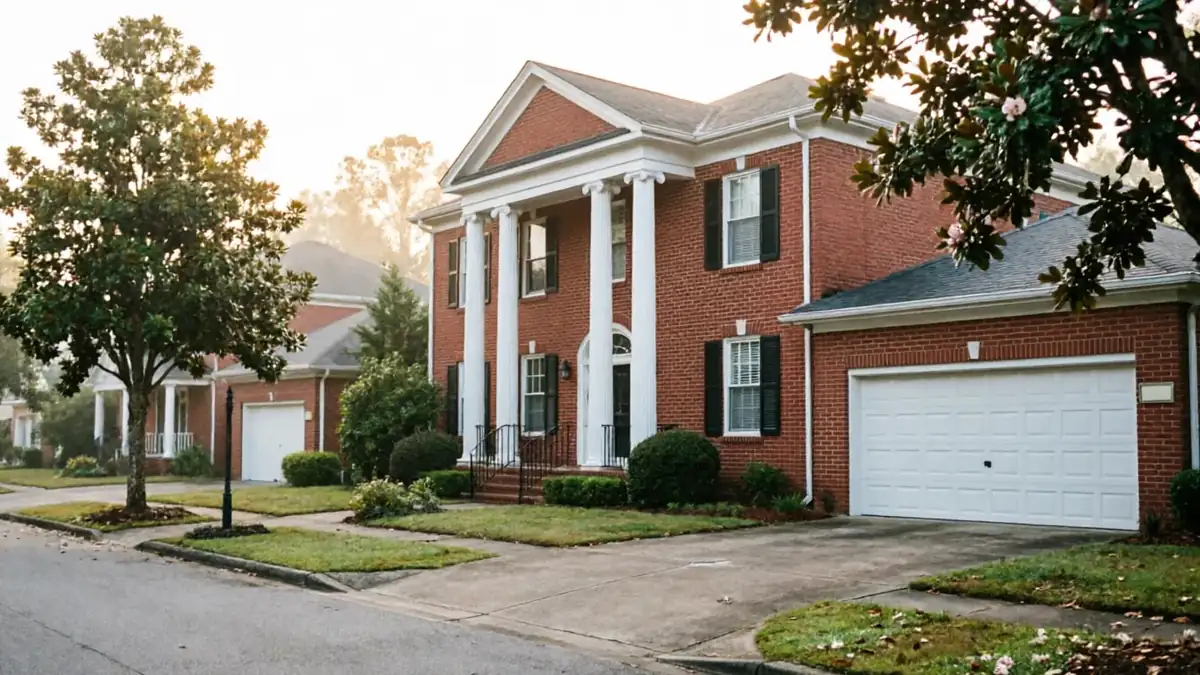
The area around Vass sits in the cooler, moderate end of the regional climate band - enough winter cold to matter for weatherstripping and bottom seals, without the extreme swings that wreck a door fast. Combined with a median build year of 1988, that means most of the doors we see here have had three decades of seasonal expansion and contraction on original seals that were never replaced. It's a slow failure, not a sudden one - weatherstripping cracks, gaps open at the corners, and nobody notices until a cold snap pushes drafts into the garage. We don't treat that as an emergency repair, but it's worth fixing before the rubber hardens completely and starts tearing on removal.