How to Book
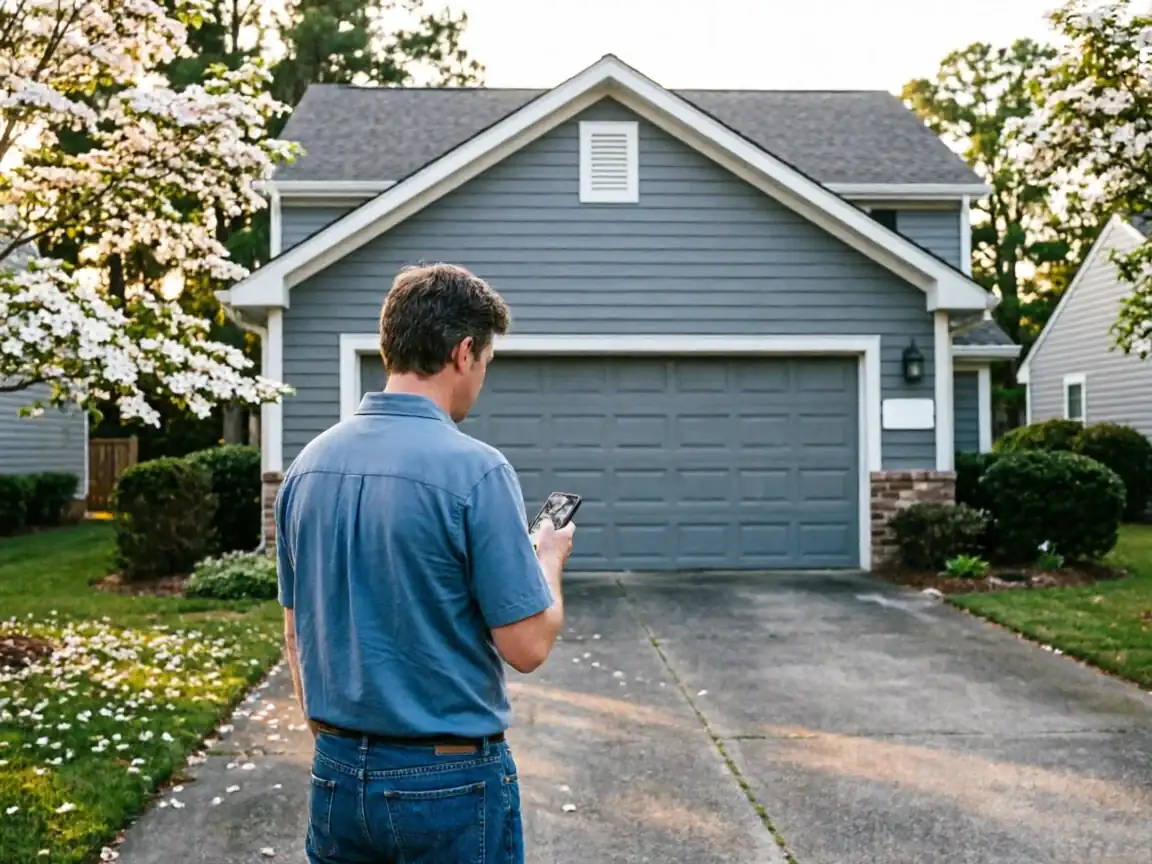
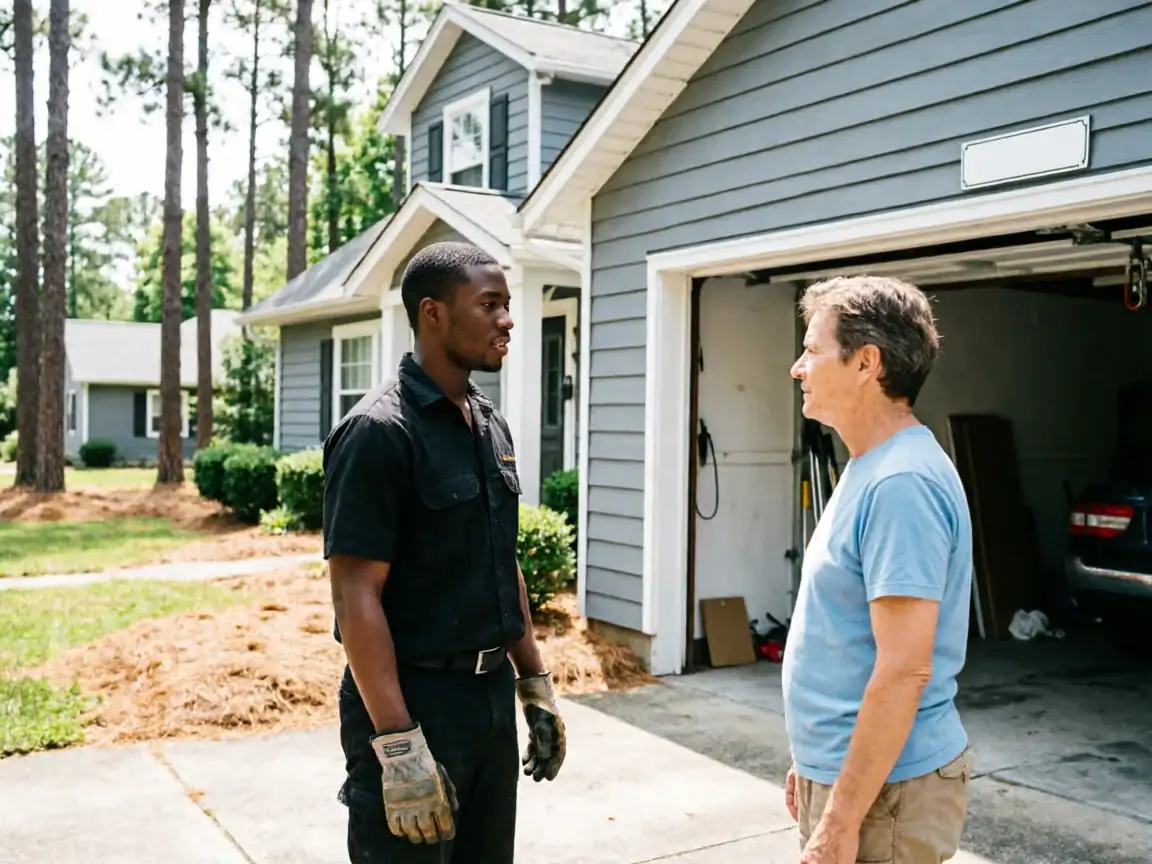
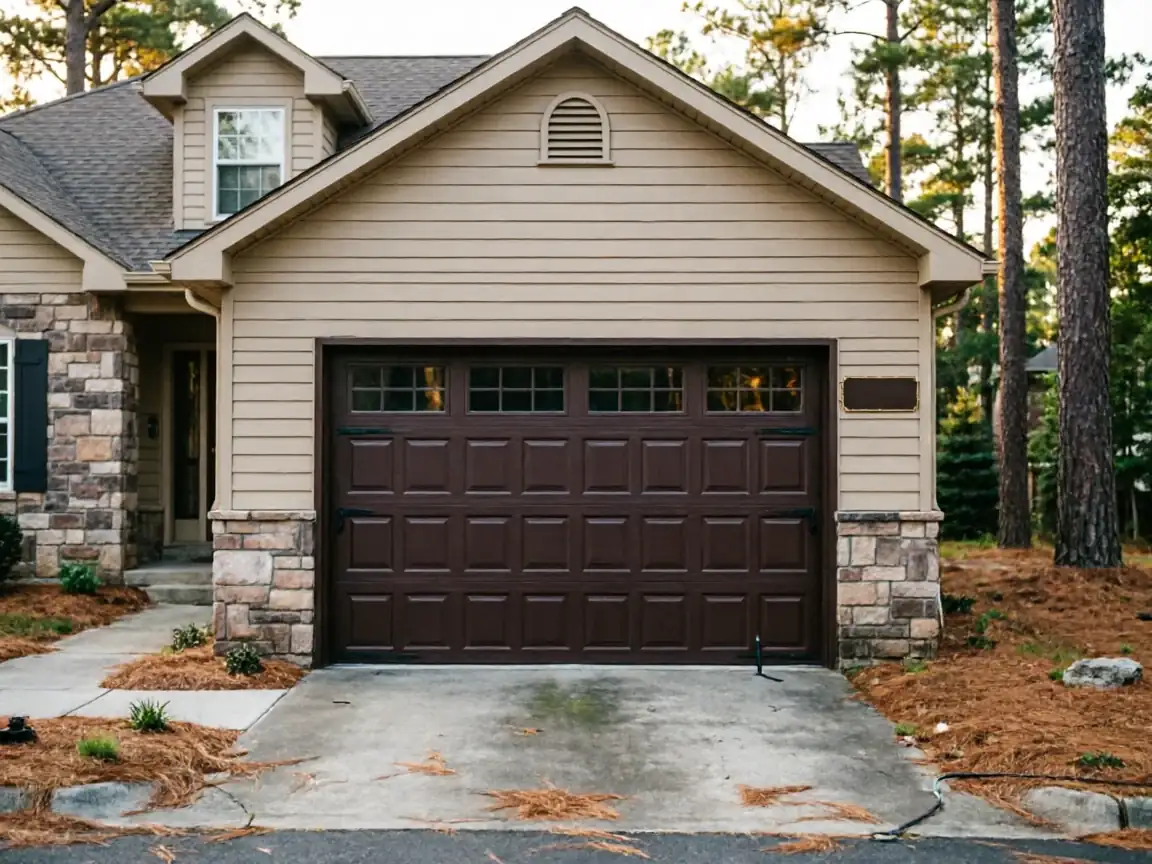
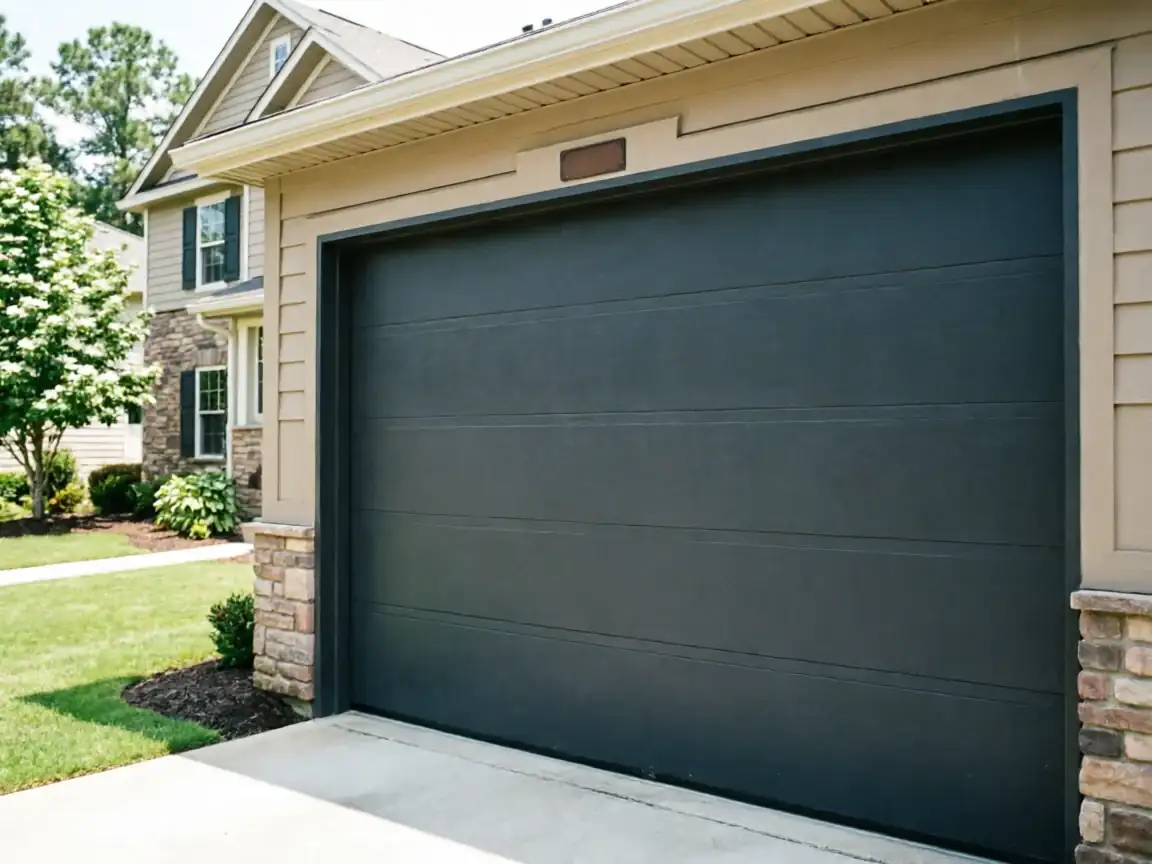
Booking an installation starts the same way every real job does: we need to see the opening, the track, and what's currently hanging there before we quote a number. Call or use the contact form on our home page and tell us the door's rough age and whether it's a single or double bay. If you know your house was built in the 1980s or 90s - which covers most of the service area - say so, because it tells us a lot about what's behind the trim before we ever show up. We'll set a time to measure the opening, check the header and jamb condition, and walk you through door options that fit both the house and the budget. There's no sense quoting a door over the phone sight unseen; openings settle, framing shifts, and what was square in 1983 isn't always square now. Once we've measured, you get a written number before any work starts, not an estimate that grows once the old door is off the track.
The Symptom
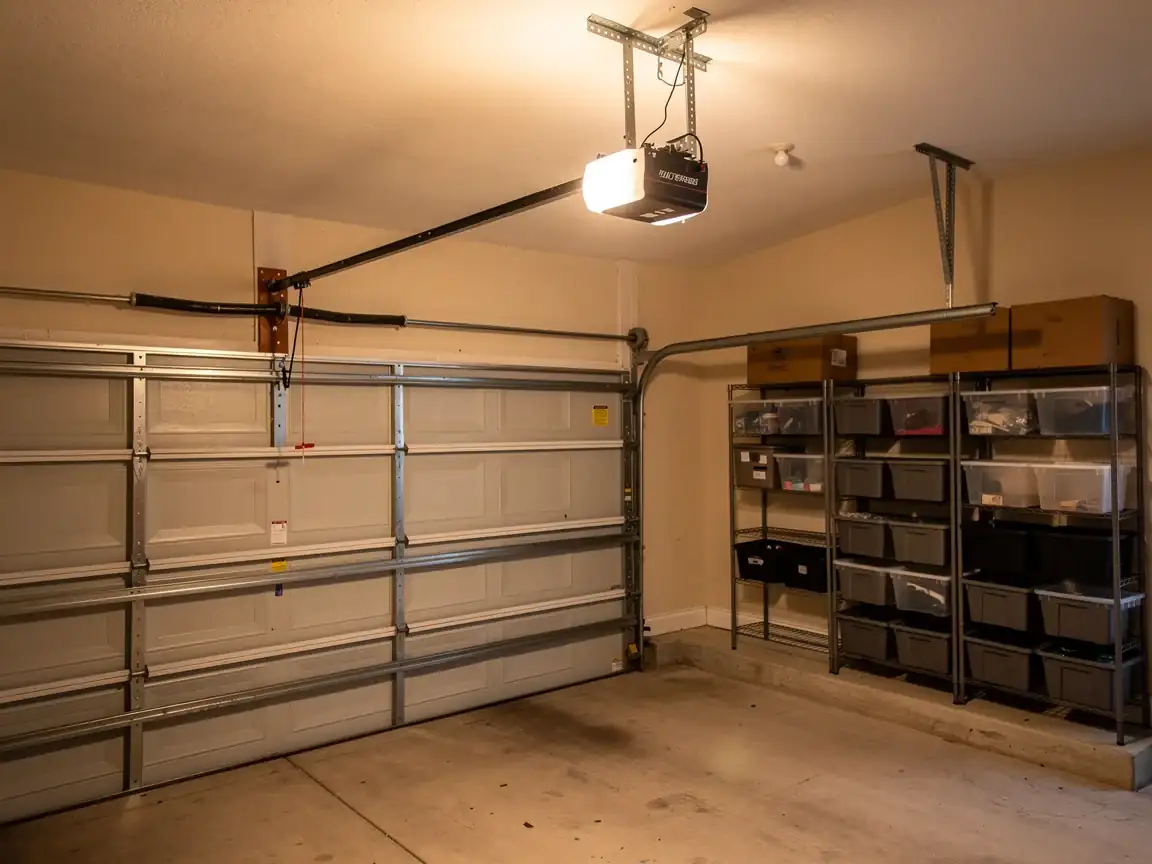
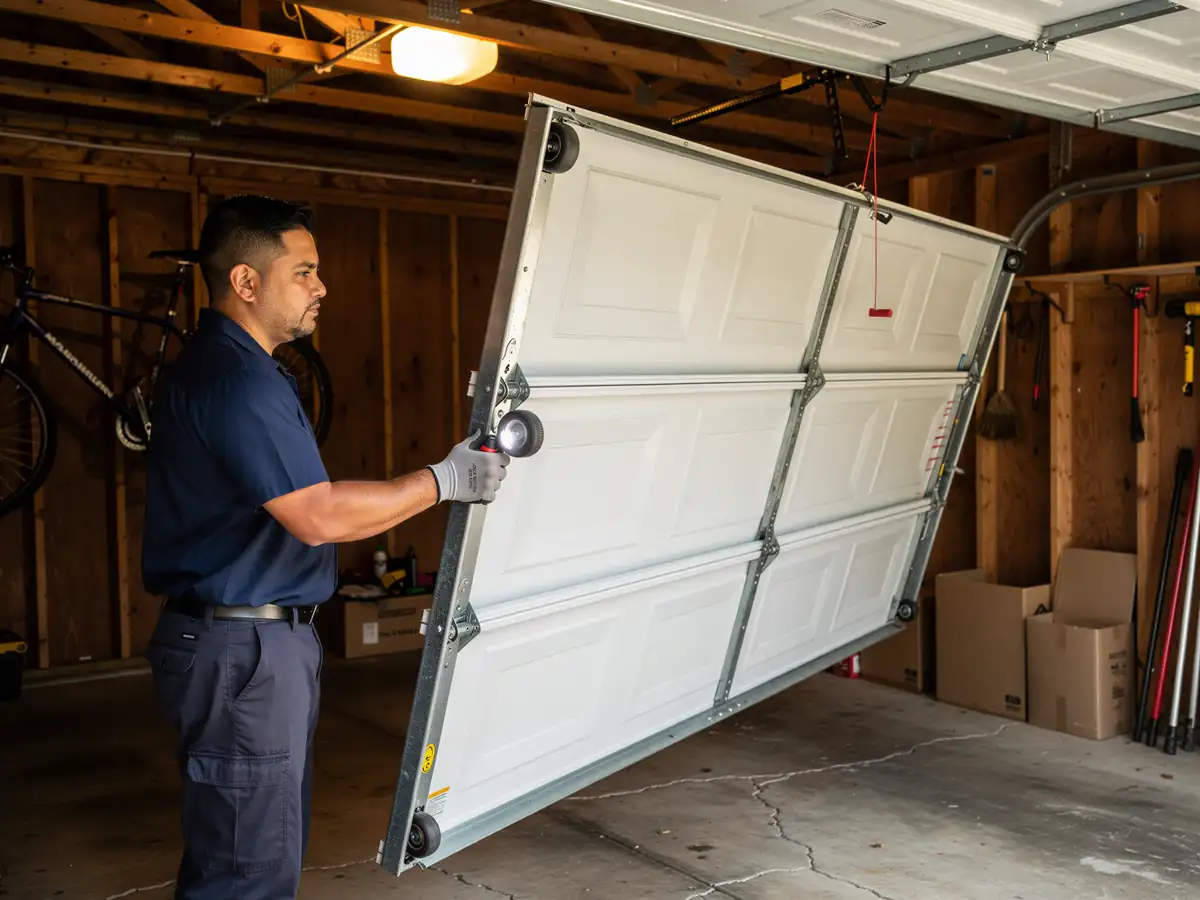
Most installation calls don't start with someone wanting a new door - they start with a door that's failing. A homeowner notices the bottom panel has gone soft or rusted through, or the door sags enough at the corners that it binds in the track every time it opens. Sometimes it's a single-layer steel door from the 1980s with no insulation, and the owner's tired of the garage running ten degrees colder than the rest of the house all winter. Other times the springs are the original size for a lighter door, and the opener strains and groans trying to lift a panel that's picked up moisture weight over forty years. By the time any of that shows up, patching isn't really fixing anything - the door's structure and the spring sizing are both past matching to new parts, and replacement is the honest answer, not the upsell one.
Can You Do This Yourself
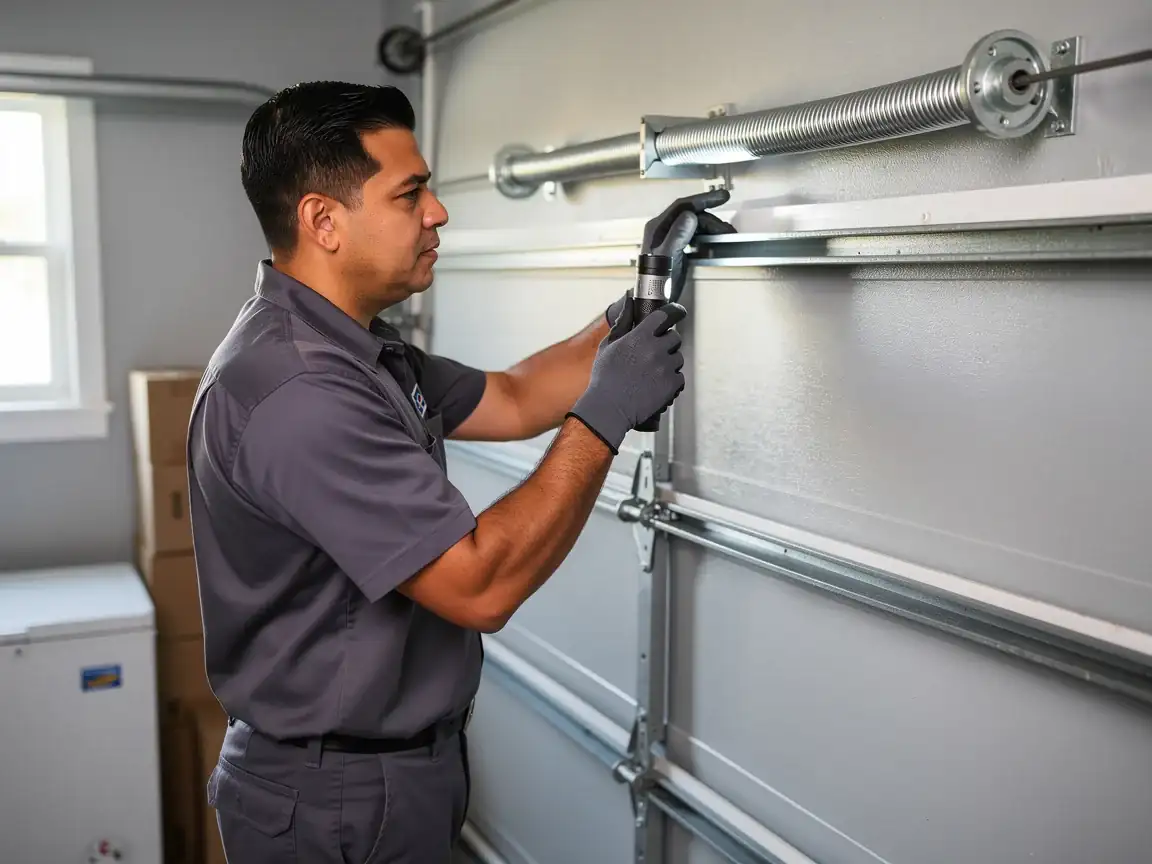
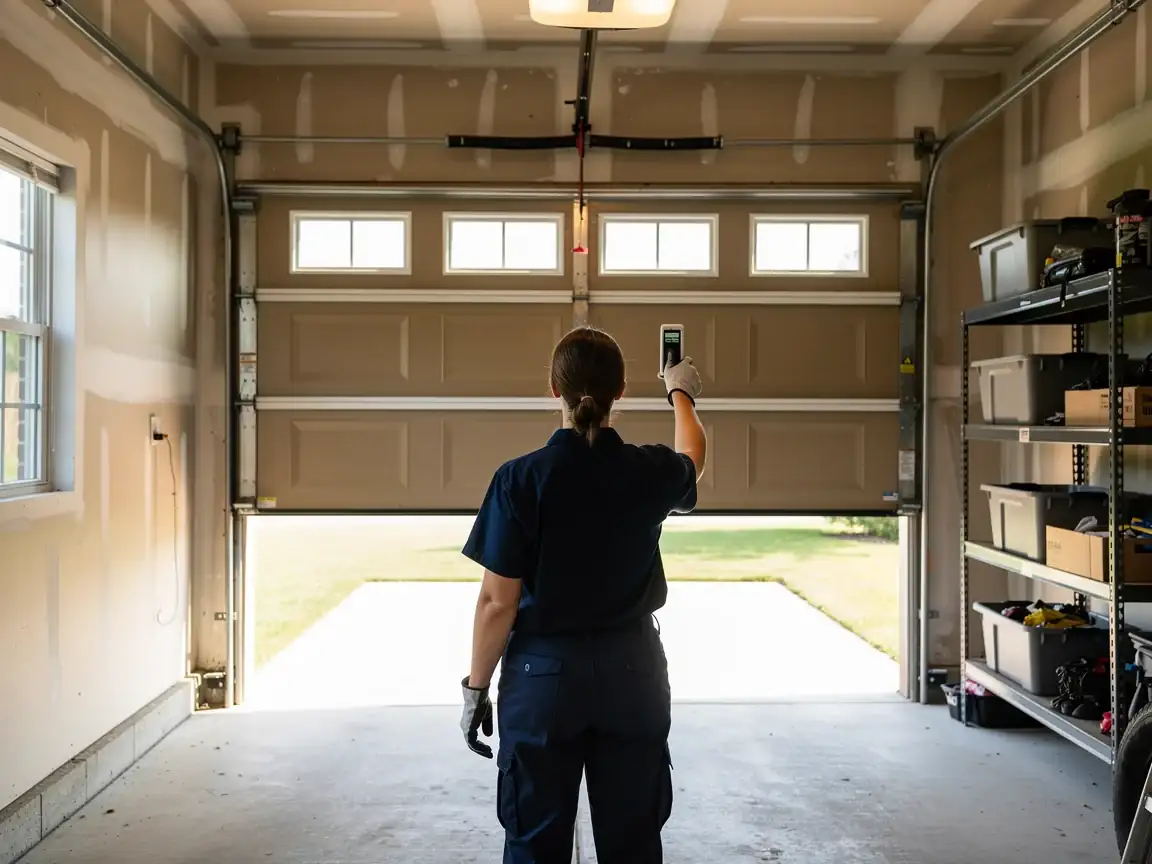
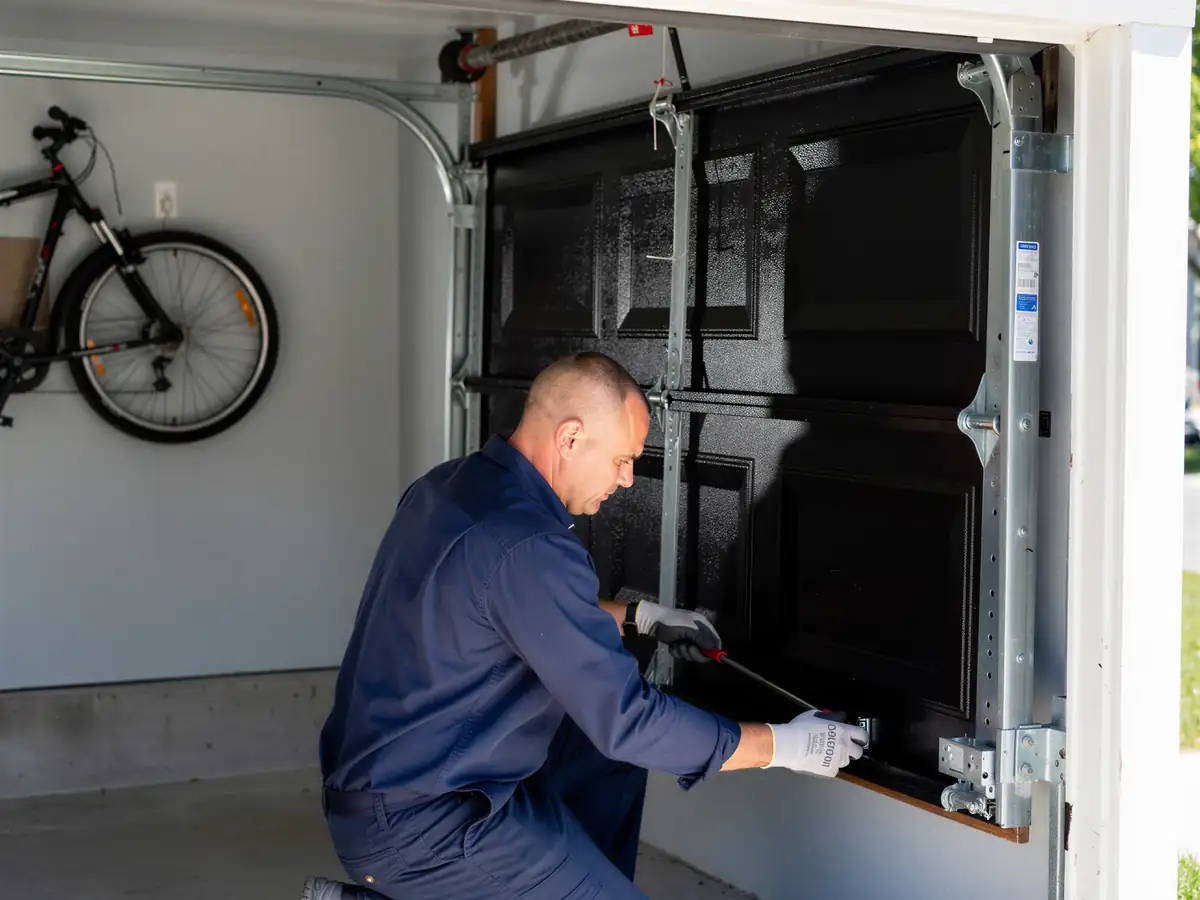
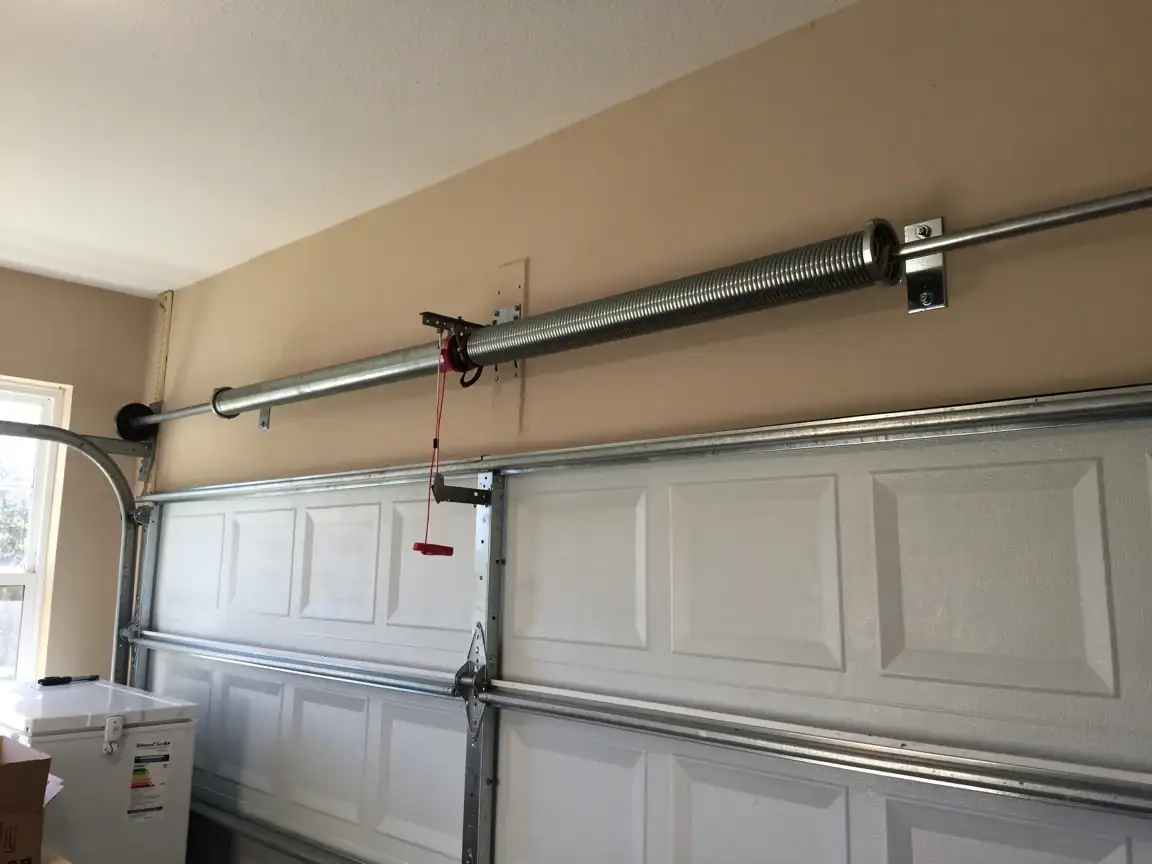
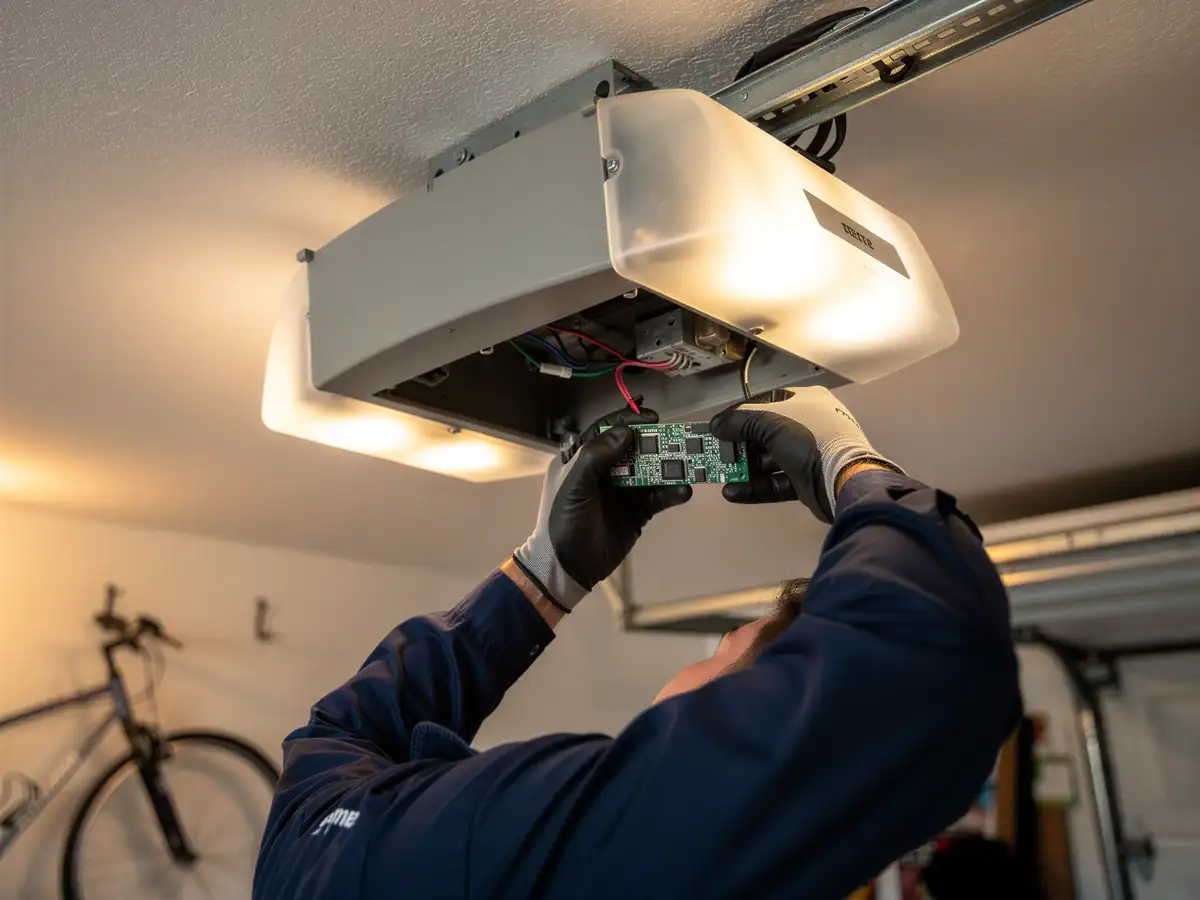
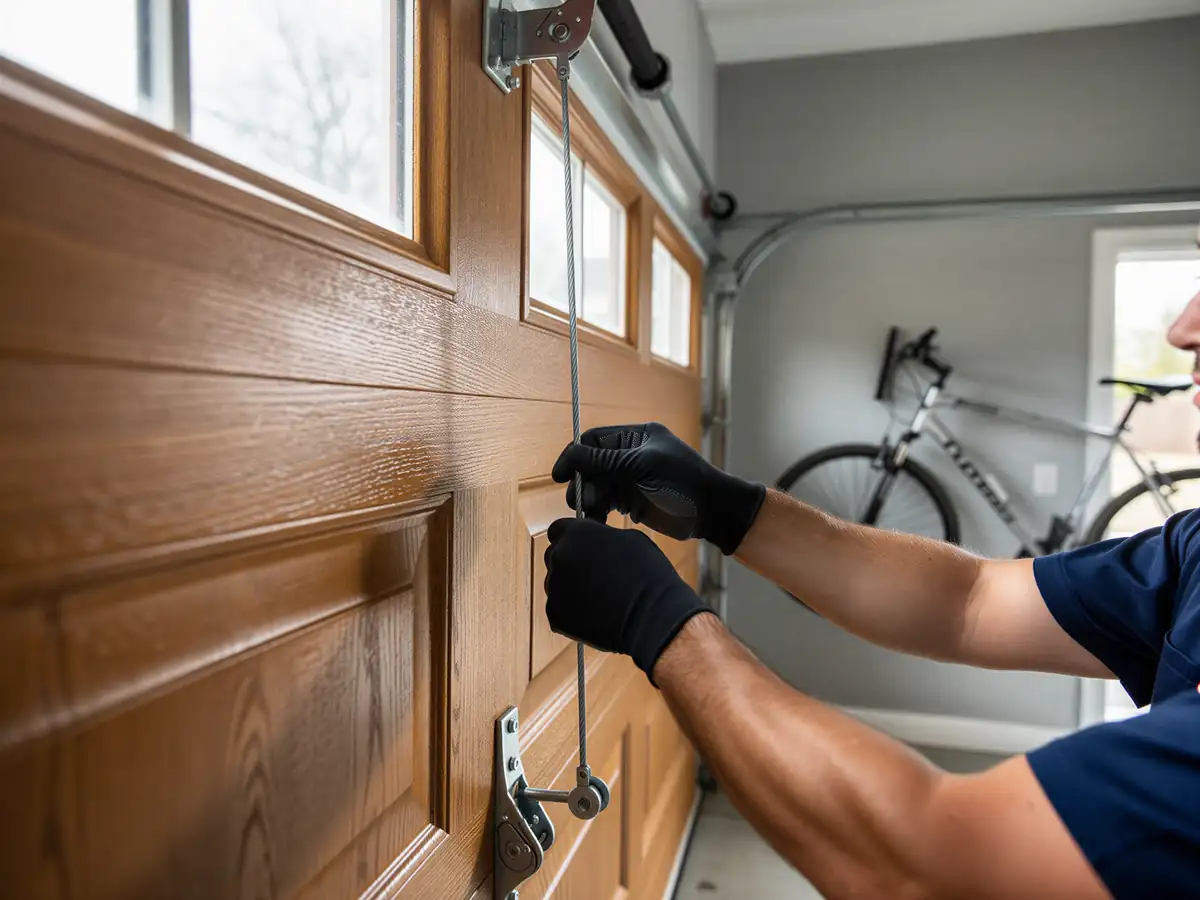
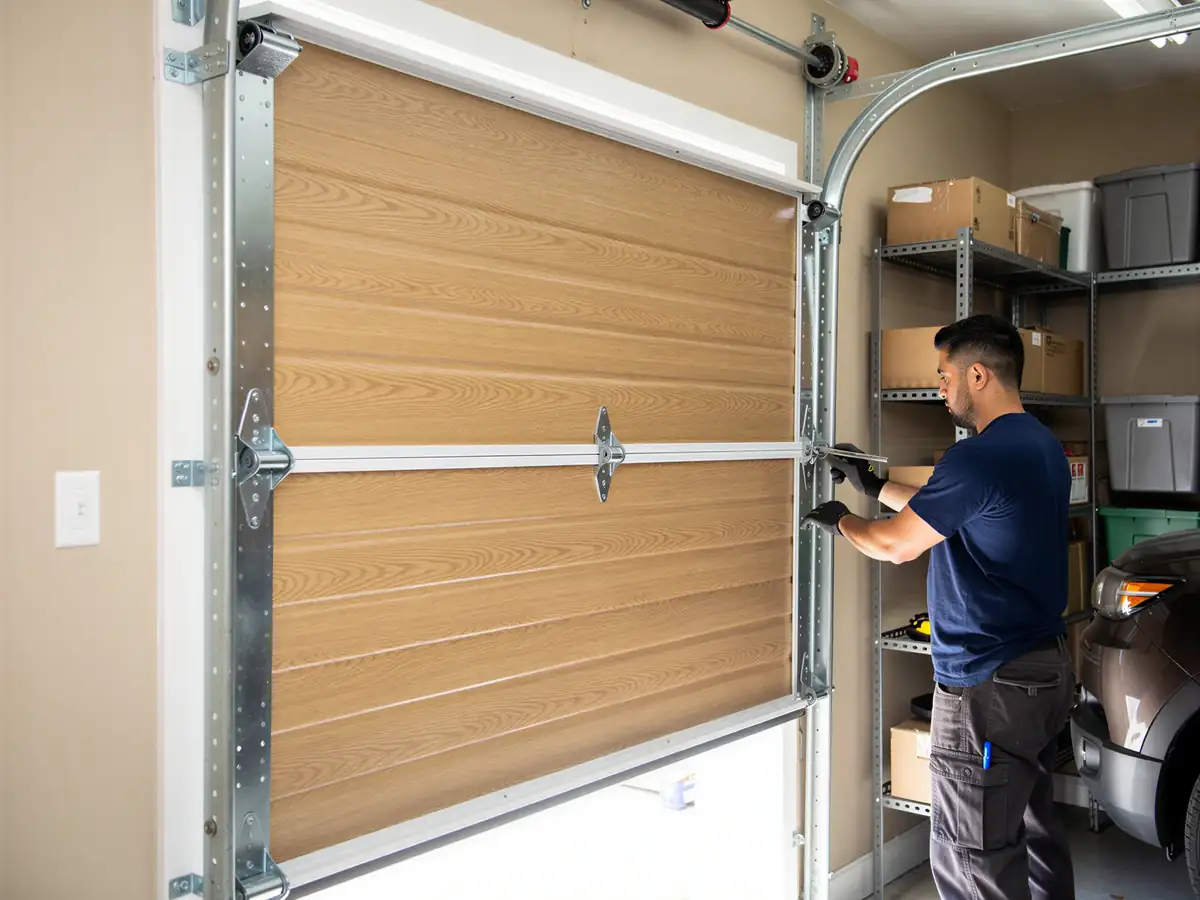
A garage door is one of the few things around a house where doing it yourself can genuinely put you in the hospital. The springs under tension on a double door store enough energy to break bones if the winding bar slips, and that risk doesn't go away because the door looks simple from the outside. If you're comfortable with tools, you can swap weatherstripping, lubricate rollers, or replace a cracked window panel yourself without much risk. Full installation is a different job - it means setting new track plumb, matching spring tension to the exact door weight, and tying the opener's travel limits back in correctly, and getting any one of those wrong means a door that slams, reverses, or comes off the track later. We also won't pretend every install is same-day; some door styles and hardware take time to get in, and we'll tell you that lead time up front rather than promise a date we can't hit.