How Local Conditions Play In
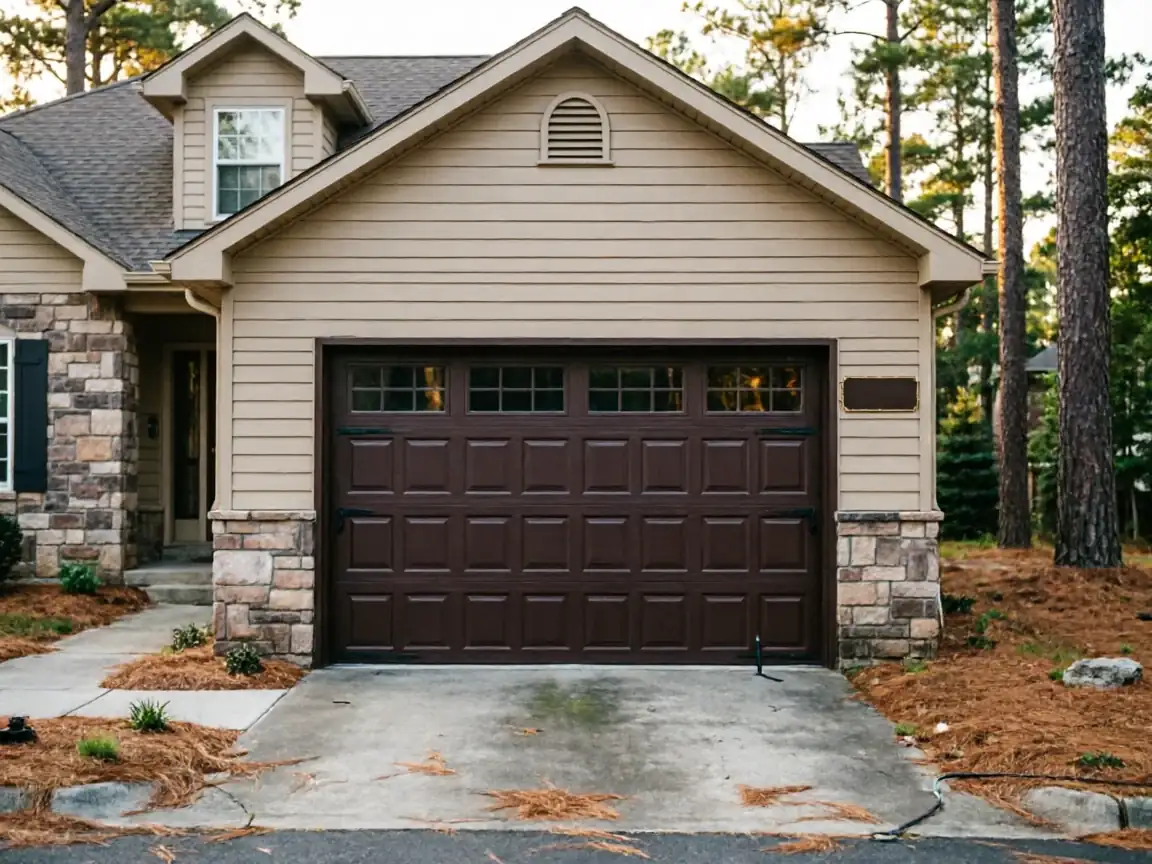
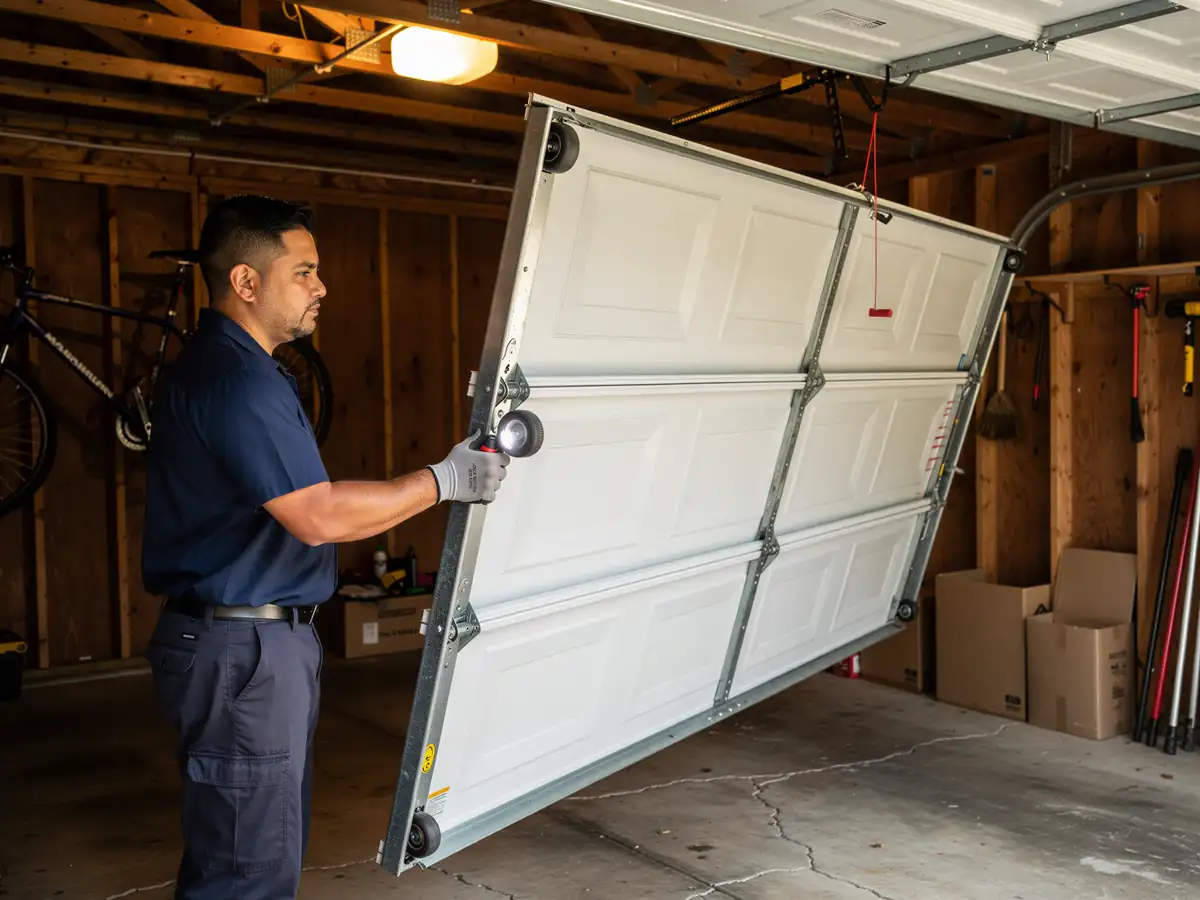
Most of the housing stock in this service area went up between 1955 and 1999, with the median home dating to 1983. That matters more than people think, because a door bought in 1983 was sized and sprung for a steel panel that weighed less than what's sold today, and the torsion hardware behind it was matched to that weight, not to a replacement door off a current showroom floor.
Six named areas around here carry mostly 1980s and 90s stock, which means a lot of the openers, tracks, and spring setups we find on a call are either original or a second-generation replacement that was never quite matched to the house. On top of that, we sit in a cold-moderate climate band. It's not the brutal freeze-thaw you get further north, but it's enough that steel contracts in January in a way it doesn't in July, lubricant that was fine in fall can gum up by midwinter, and a spring that was already fatigued from age will usually let go on the first real cold snap rather than gradually.
So a call here isn't just "the door won't open." It's figuring out what decade the hardware came from and whether the parts on the wall still match the door bolted to it.
Doing Nothing For Now
Not every noisy door is an emergency, and we'll say that on the phone even though it costs us the trip. If a door from the 1980s-90s stock that's common across this area is still opening and closing on its own power, just louder than it used to be, that's usually rollers and hinges wearing out - a maintenance job, not a breakdown. It can wait a few weeks without getting worse in any serious way.
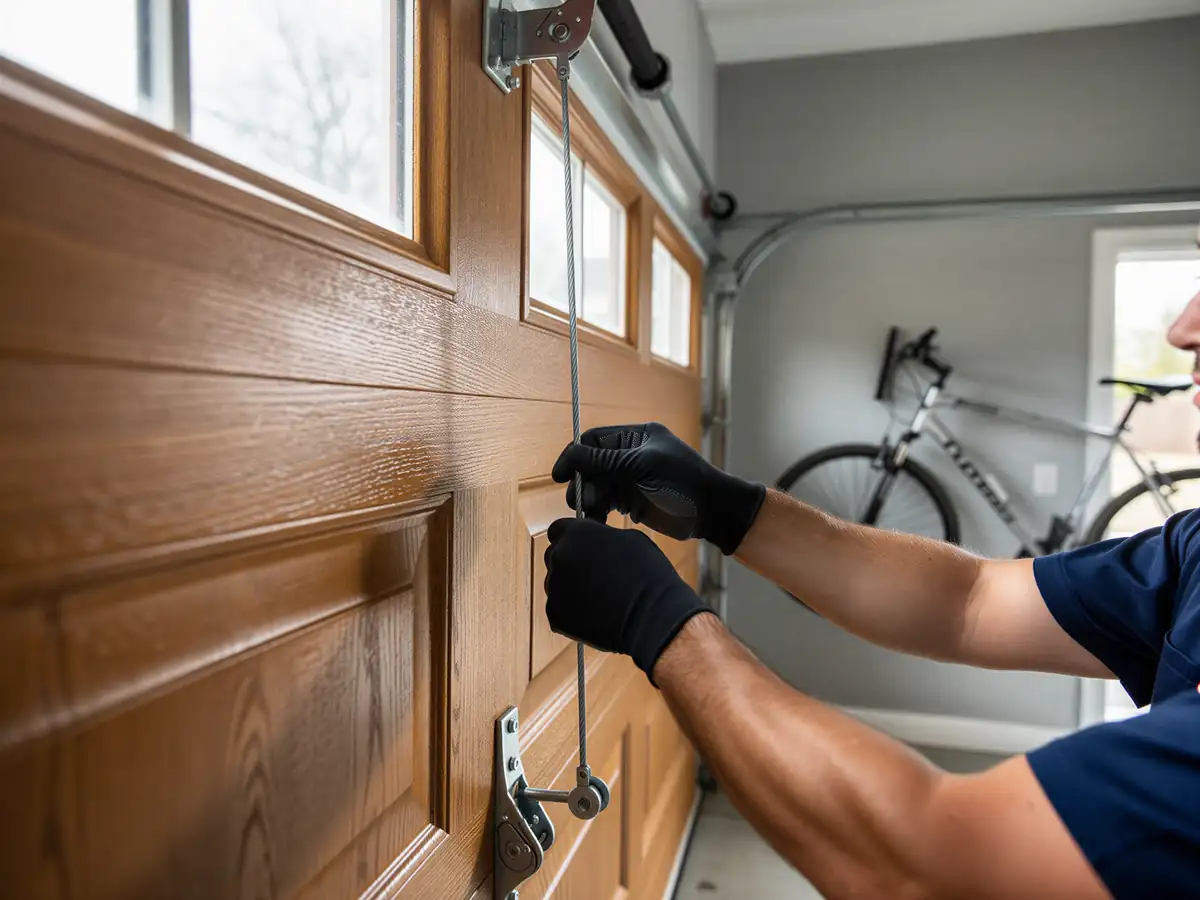
What shouldn't wait is a door that's started reversing itself, dropping fast, or binding halfway up. On a torsion system that's three or four decades old, which is what you've got on a lot of houses in this build window, that's usually a spring losing its temper, and it doesn't fail gently. It fails on the next cycle.
Here's the honest limit: if a door is original to a 1983-median house and the frame or track has warped from decades of settling, patching the spring or opener buys time but doesn't fix the underlying lean. We'll tell you when a repair is a stopgap, because pretending otherwise just moves the same call to next winter.
What Most People Get Wrong
The most common mistake we see
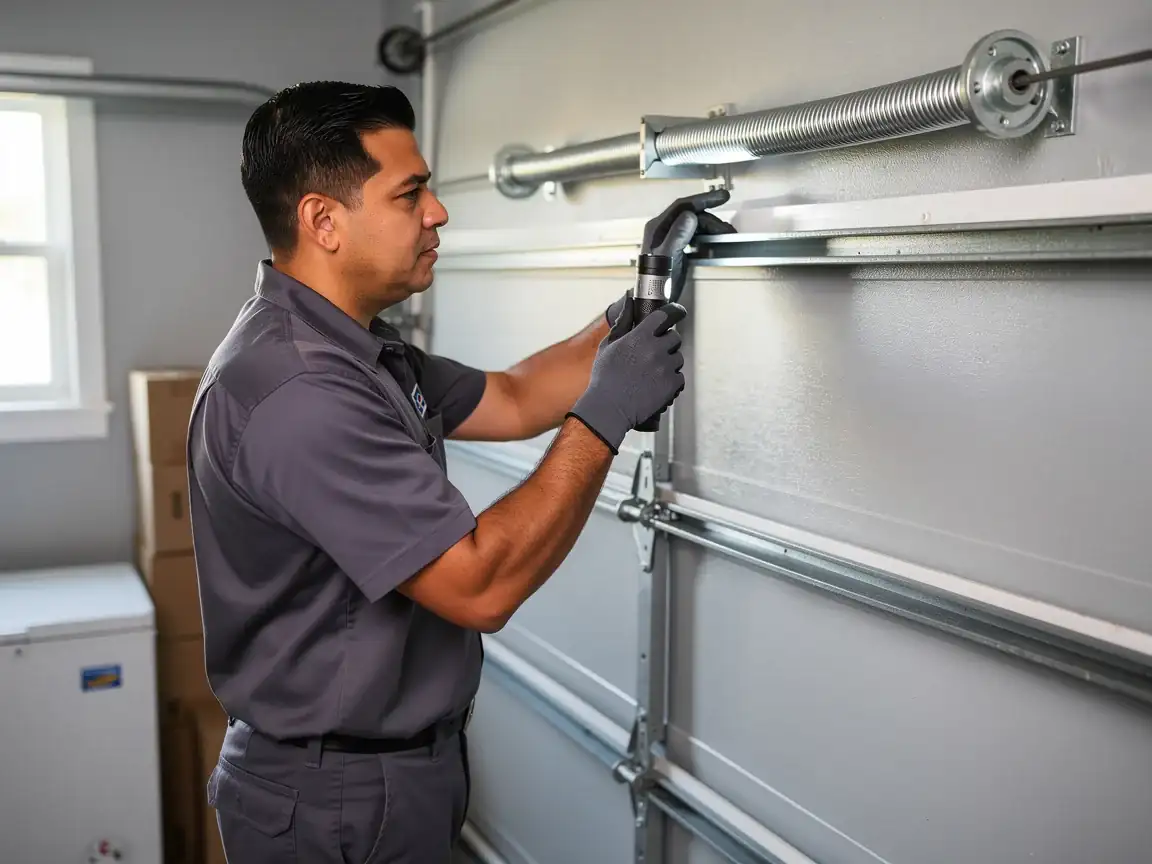
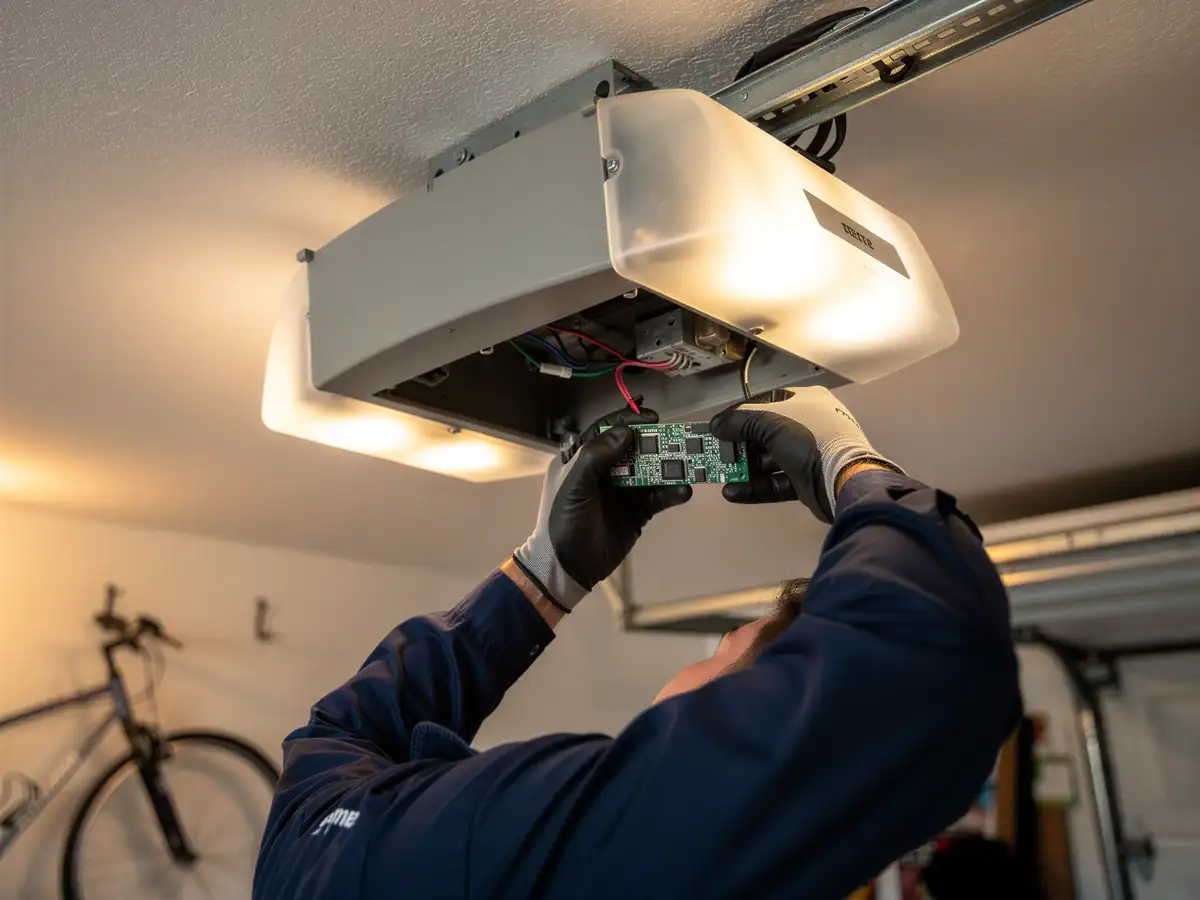
An owner replaces the opener because the door stopped lifting, when the actual failure was a broken torsion spring. The opener motor keeps trying and keeps failing, so it looks like an opener problem, but on houses from the 1955-1999 era the springs are old enough that this is the more likely culprit, not the motor.
The second mistake is buying a universal replacement spring sized off the door's current weight instead of the hardware's original rating
Doors in the six named areas with mostly 1980s-90s stock often got a heavier insulated panel at some point without the spring being re-rated to match. A spring that's close but not matched will work for a while and then fail early, usually within a year.
Third: assuming a loud door means something is broken
On older houses, dry hinges and worn rollers make more noise than a failing spring does right up until the spring goes. Noise alone isn't diagnosis. What the door does when it moves - speed, balance, where it sticks - tells you more than what it sounds like.
The Problem
Put simply: a large share of the doors in this area are original or near-original to houses built between 1955 and 1999, median year 1983, and the hardware on them was sized for conditions and door weights that have since changed. With 2,523 owner-occupied houses among 4,499 households in the service area, that's not a small number of doors running on thirty-to-forty-year-old torsion setups through a climate that swings cold enough each winter to stress fatigued steel.
A service call on a house like that isn't a quick swap. It starts with figuring out what's original, what's been replaced, and whether those two things still match each other. Sometimes they don't, and that mismatch is the actual reason a "new" opener or a "new" spring didn't solve anything the last time someone worked on it.
That's the honest shape of the work here: less about installing something new, more about reading what thirty or forty years already did to the hardware before deciding what to fix.