What People Here Ring About
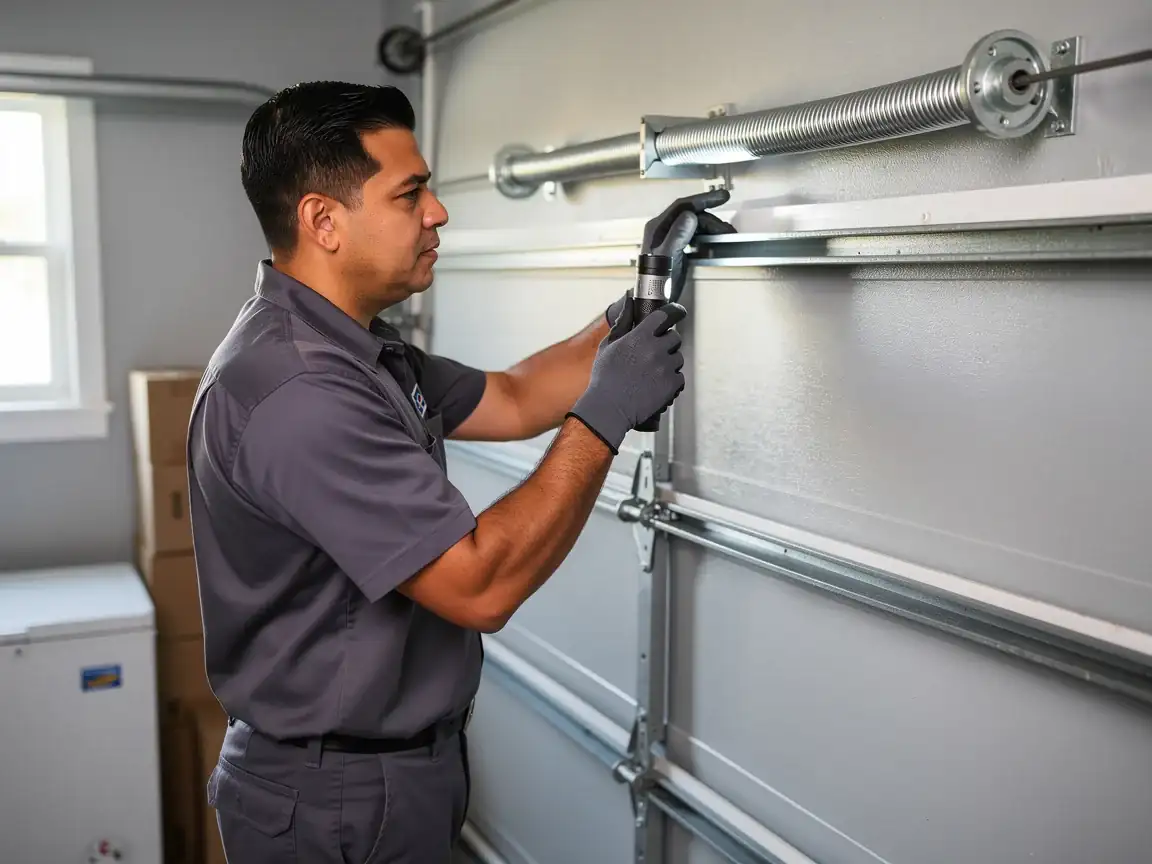
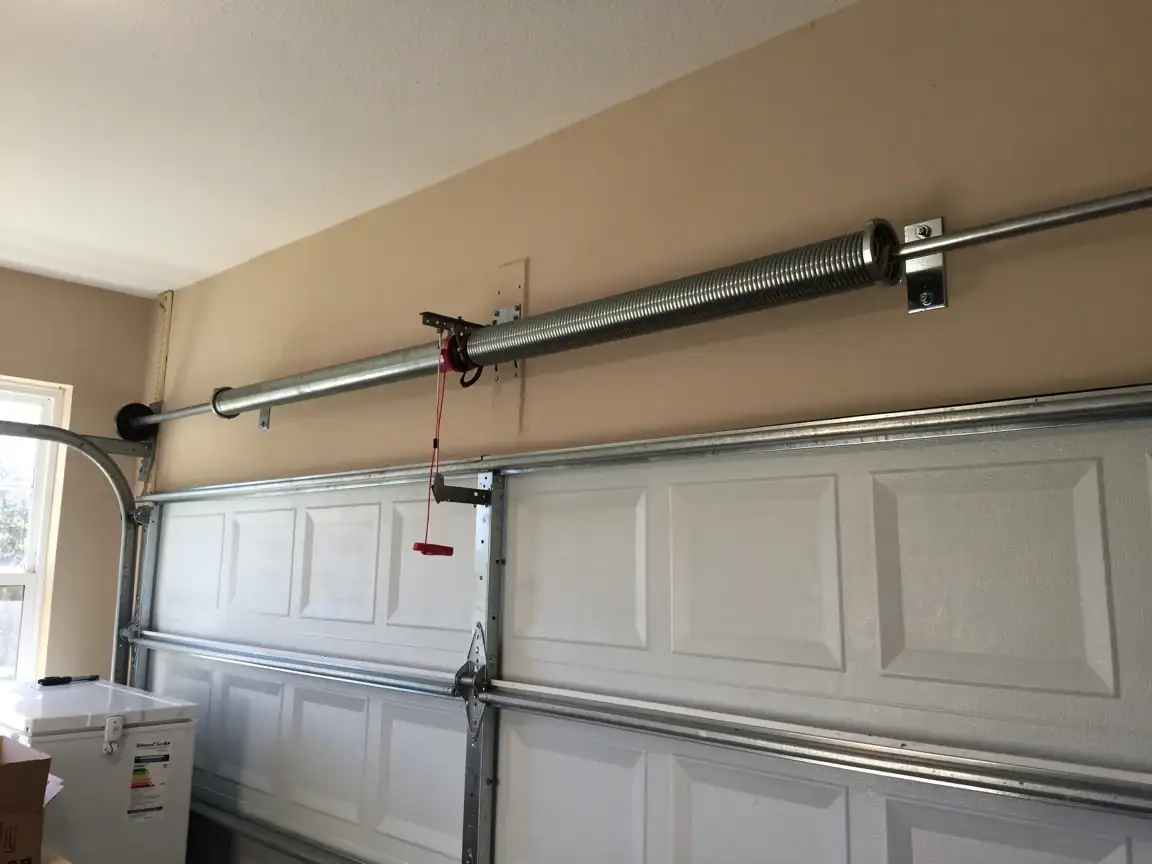
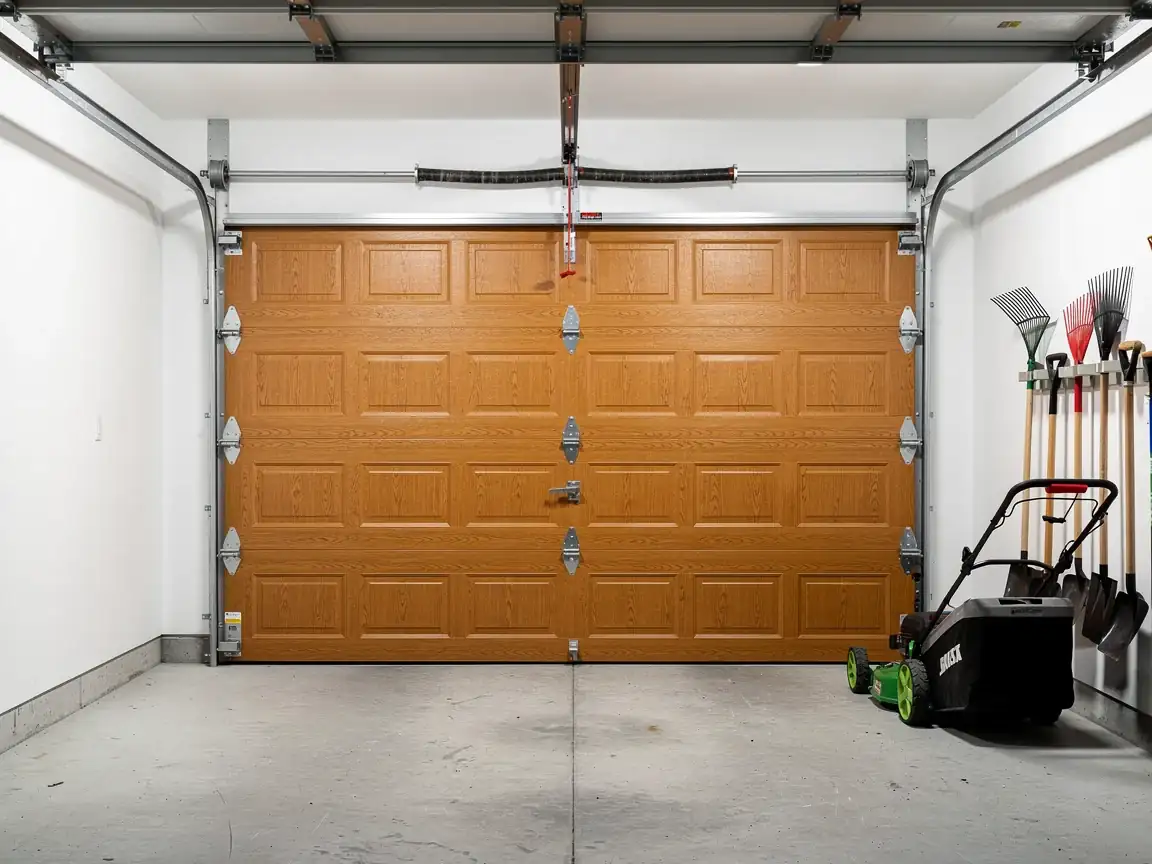
Cameron sits about 13 miles from our shop in Sanford, and the calls that come out of this area skew older than what we see closer to town. With a median build year around 1955 here - versus 1983 across the wider service area - a lot of the doors we're opening up still have the original torsion setup or an early replacement that's now outlived its spring cycle count twice over. We hear about doors that groan on the way up, openers pulling chains that have stretched past safe tension, and cables starting to fray at the drum. On a smaller, older housing stock like this - 132 households total - we don't get flooded with calls, but the ones we do get tend to be hardware nobody's touched in decades rather than a cheap builder-grade door that failed in year six. That's a different kind of job, and it usually takes a little longer to diagnose because the parts on hand aren't always a match for what's actually on the track.
What We Will Not Take On
We're honest about what's worth fixing and what isn't. On a door from the 1955-era stock out here, if the track is bent past true or the jamb has shifted with the house settling over seventy years, patching the opener or swapping a spring doesn't solve the underlying problem - it just buys a few more months before the next call. We won't quote a repair we don't think will hold. We also don't carry every obsolete spring size or roller type on the truck; some of what's original to a mid-1950s install isn't made anymore, and if we have to special-order hardware, that adds time before the job can be finished. We'd rather tell you that up front than pretend it's a same-day fix. And because we're traveling from Sanford, we're not set up to handle a job the same hour it's called in - we schedule, we don't drop everything.
What Was Built Here
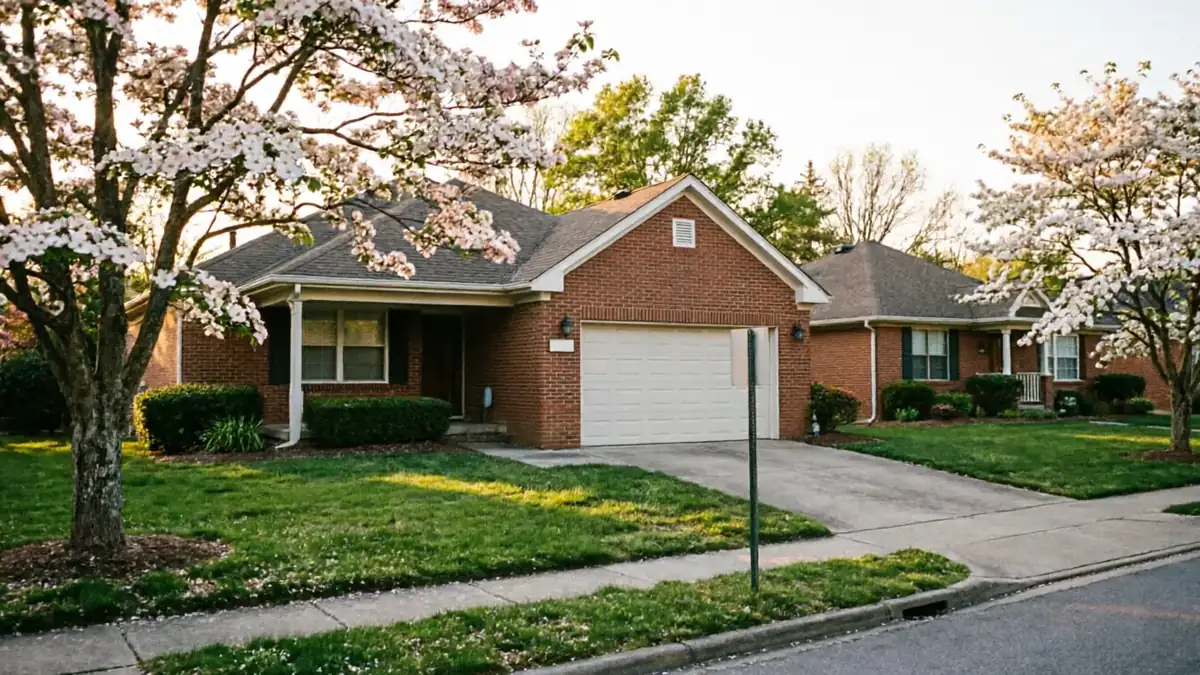
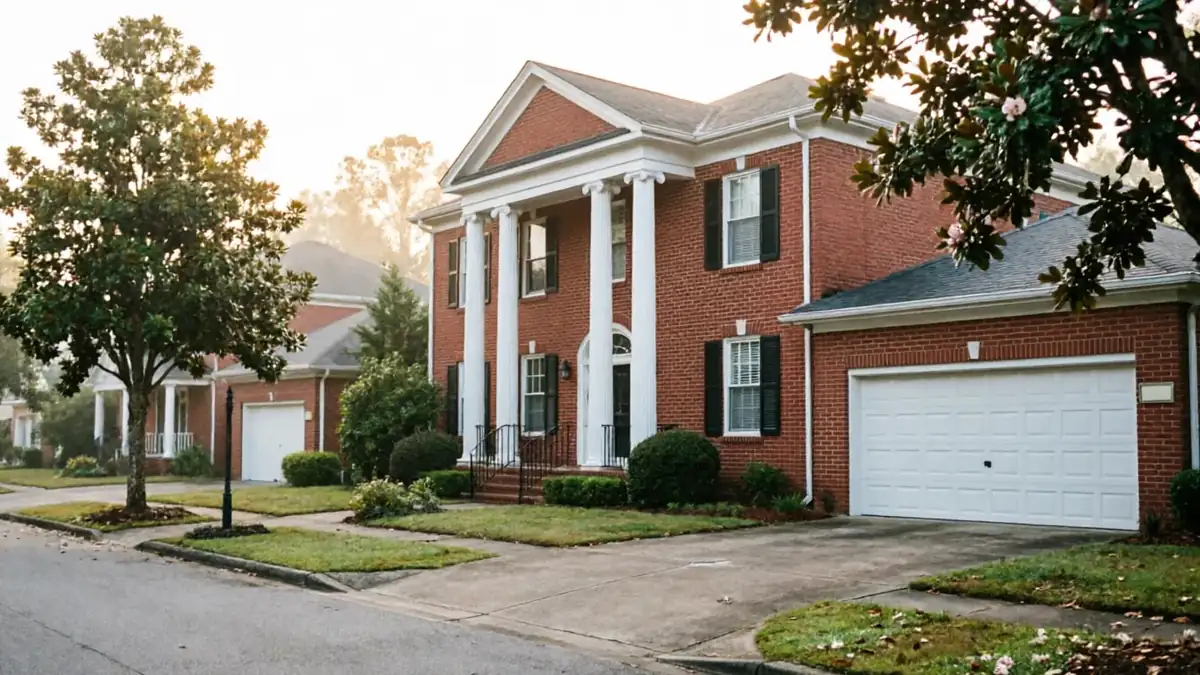
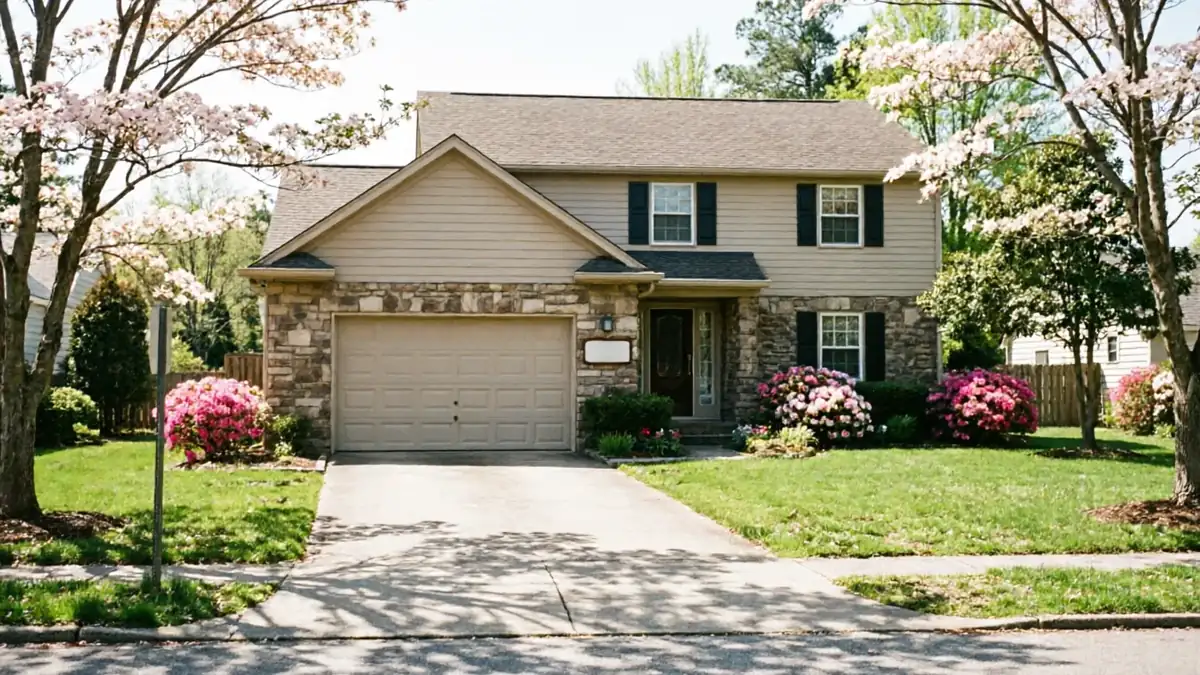
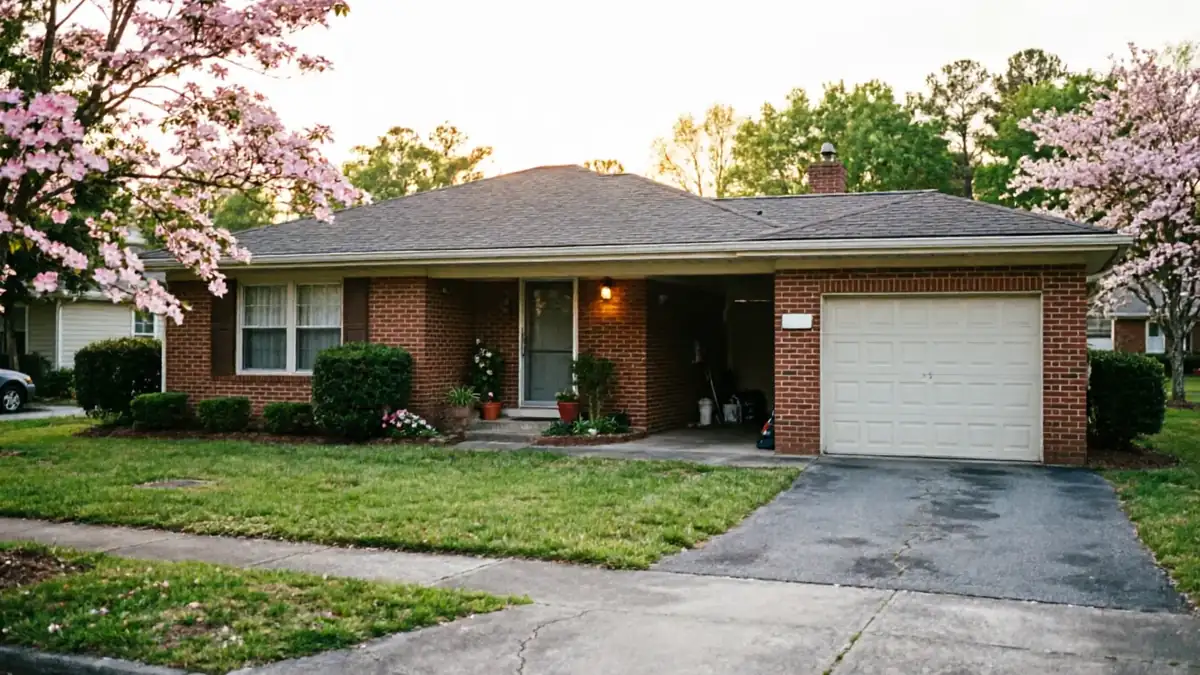
Cameron's housing here runs older than most of what we service - a median build year around 1955, well ahead of the 1983 median across the broader six-area footprint we cover out of Sanford. With roughly 132 households and a median income of $74,688, this isn't a high-turnover area; houses tend to stay in the same family, and so do their garage doors. That means original hardware lasting far longer than it was ever built to, and it means replacement decisions here are often about matching a door to a house that's held its character for seventy years rather than picking the cheapest option off a showroom floor. We don't have landmark-level detail on this area beyond the housing numbers, but that build date alone tells us most of what to expect before we even open the truck.