How to Book
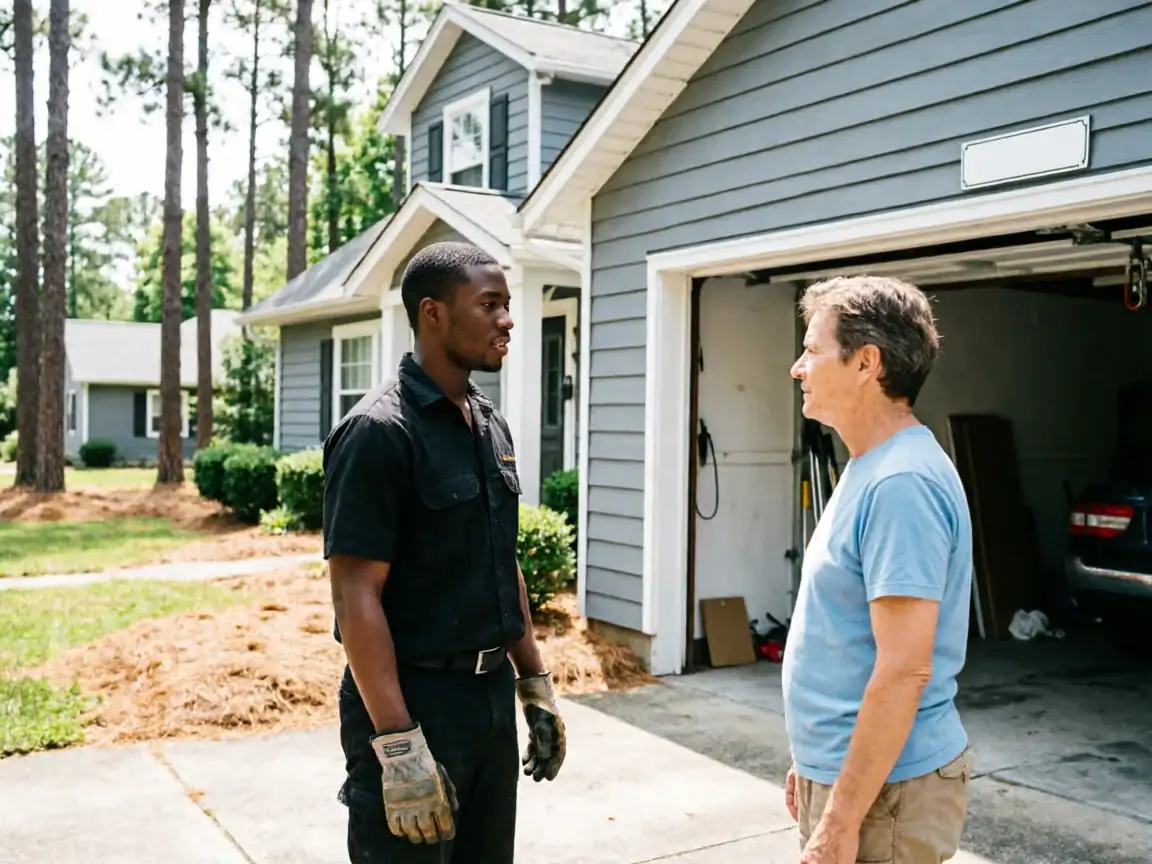
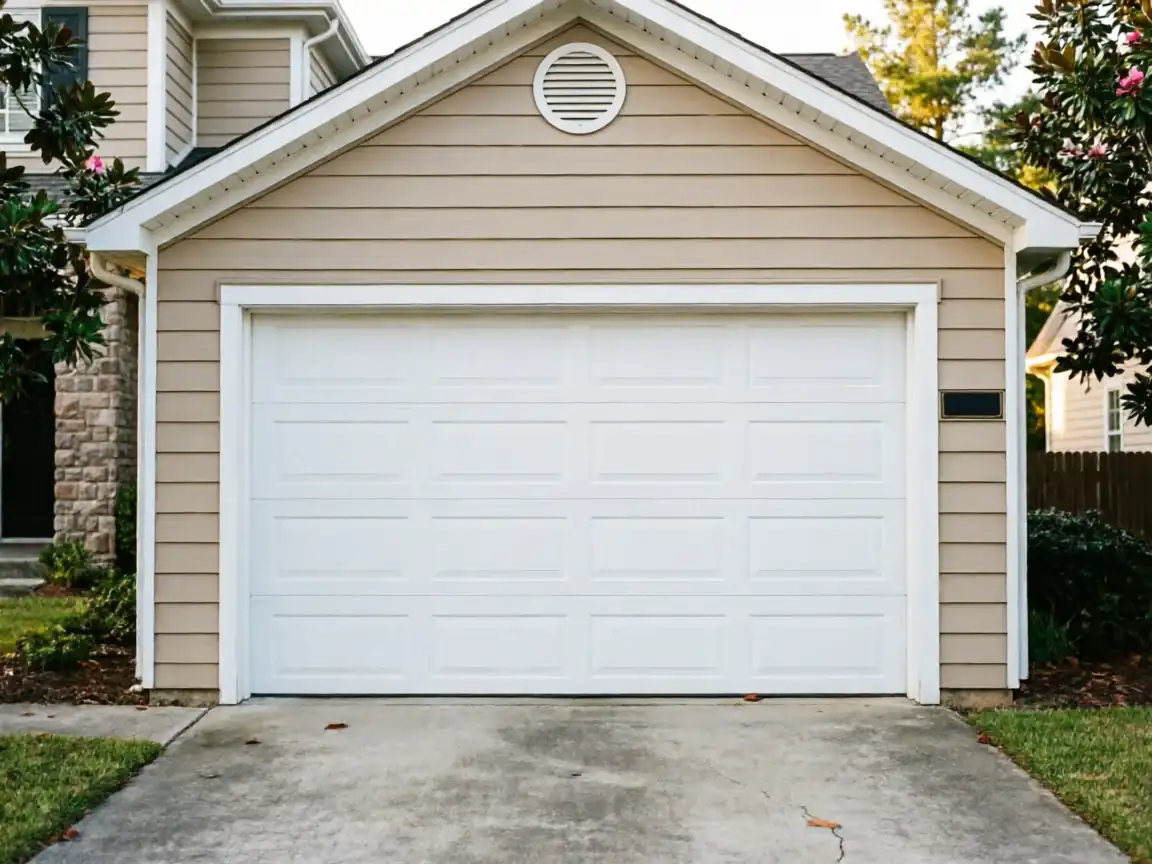
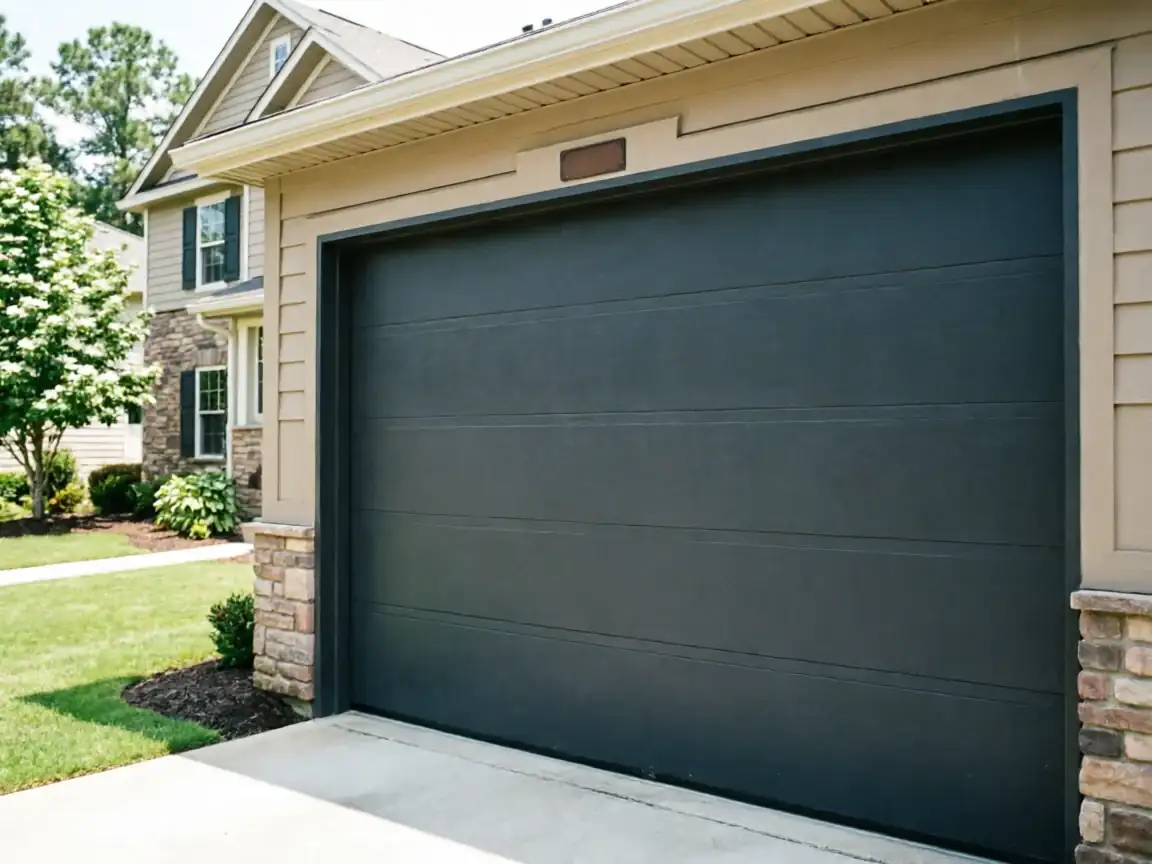
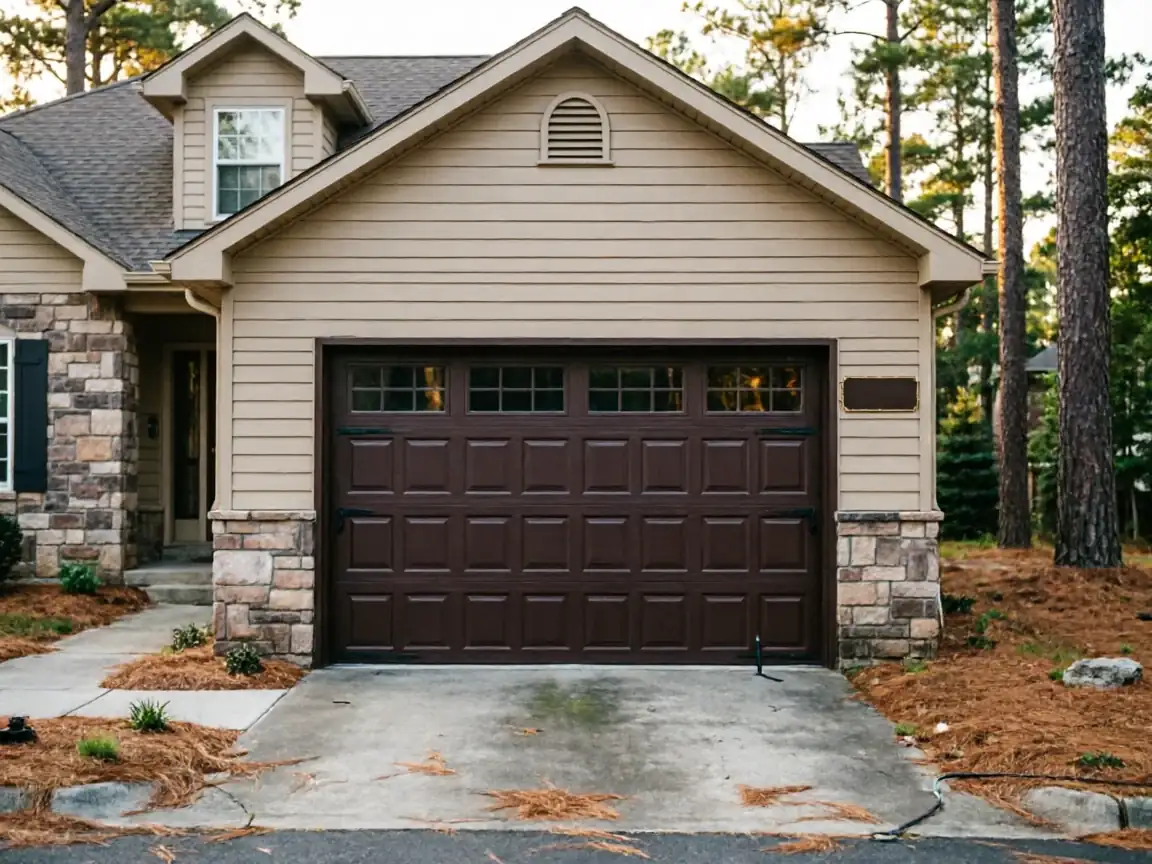
Cameron sits about 13 miles from our shop in Sanford, and we run installation crews out that way on scheduled days rather than same-day drop-ins. Call ahead and we'll get you on the board. Because we're traveling in rather than working out of a local yard, we ask for the door width, the track type if you know it, and whether the opening still has its original wood jamb before we quote a date. That one question saves a wasted trip, since a lot of the openings we see in Cameron need jamb work before a new door ever goes in. We don't do walk-up quotes in Cameron itself - we measure from photos or a quick site visit, then confirm the install window once material is on hand. If you're not sure what you have, that's fine. Send a picture of the door from the driveway and we'll tell you what we're looking at before anyone drives out.
The Complications
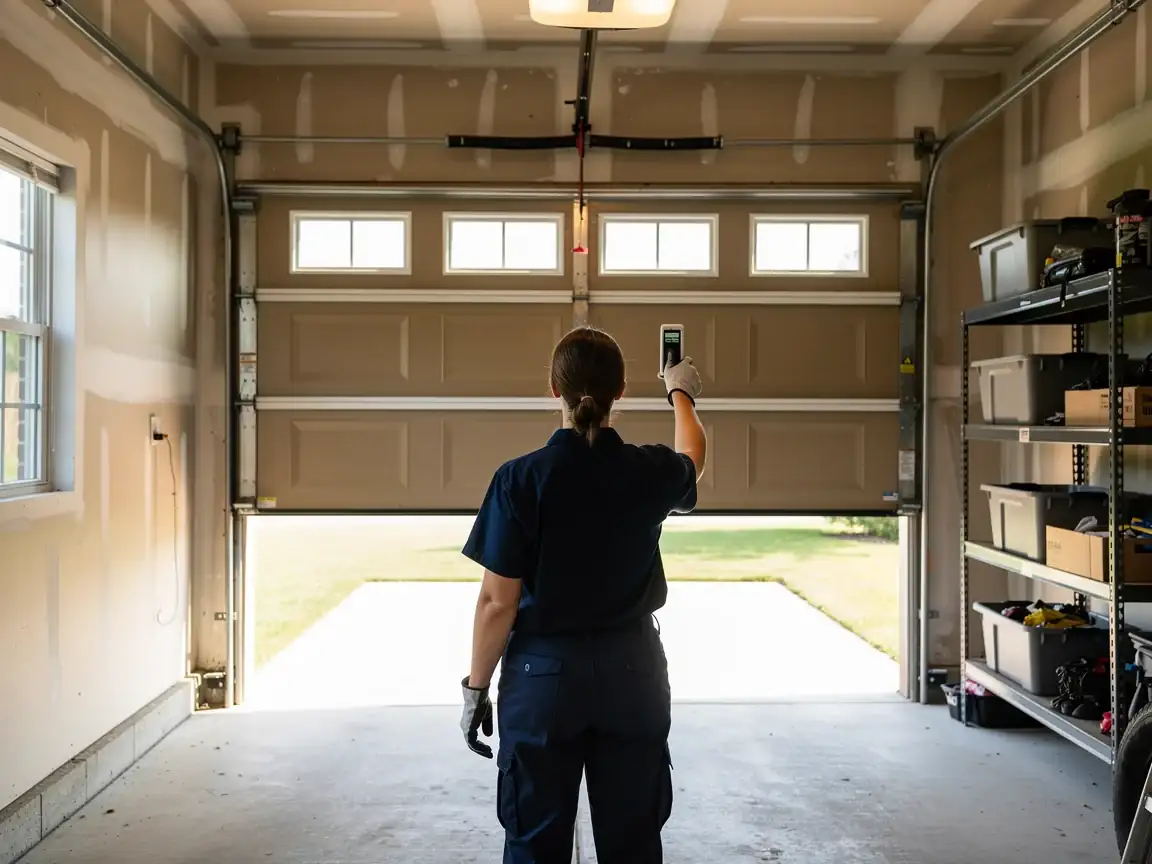
The fault we run into most in Cameron isn't a broken spring - it's an opening that was never built for a modern door. Houses here cluster around a median build year of 1955, a good deal older than the 1983 median across the rest of our service area, and openings from that era tend to run narrow, with wood jambs that have shifted out of square over seven decades. A door ordered to today's standard width sometimes doesn't sit flush without trimming or shimming the frame first. Add in that the area is a small pocket - 132 households total - and the housing types aren't uniform the way a big subdivision is; we see one-off garages added later, carports converted to enclosed bays, and openings cut by hand rather than framed to a standard. None of that is a defect, it's just what mid-century, low-density building looks like, and it means a installer has to check square and header height on site rather than assume a stock size fits. The honest limitation: if the opening is badly out of square, we may need a second visit once a carpenter squares the jamb, since we install doors, we don't reframe structures.
Can You Do This Yourself
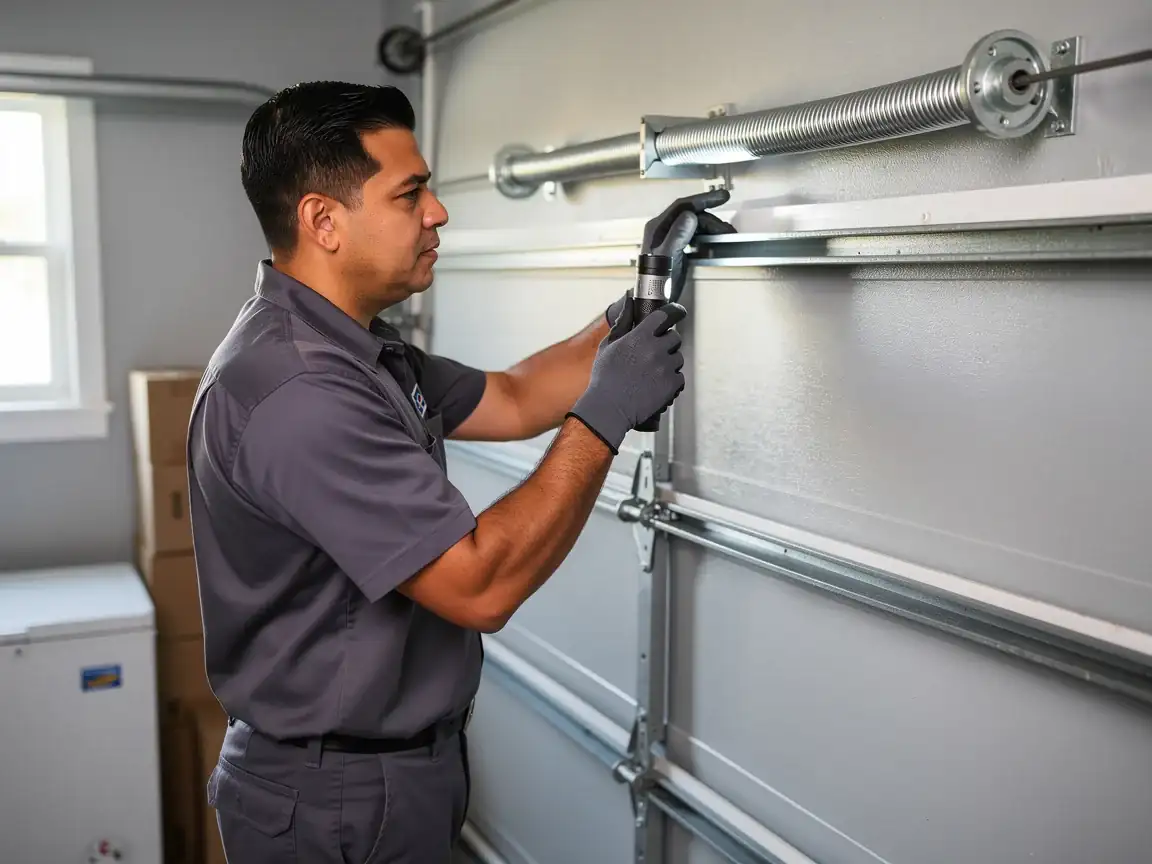
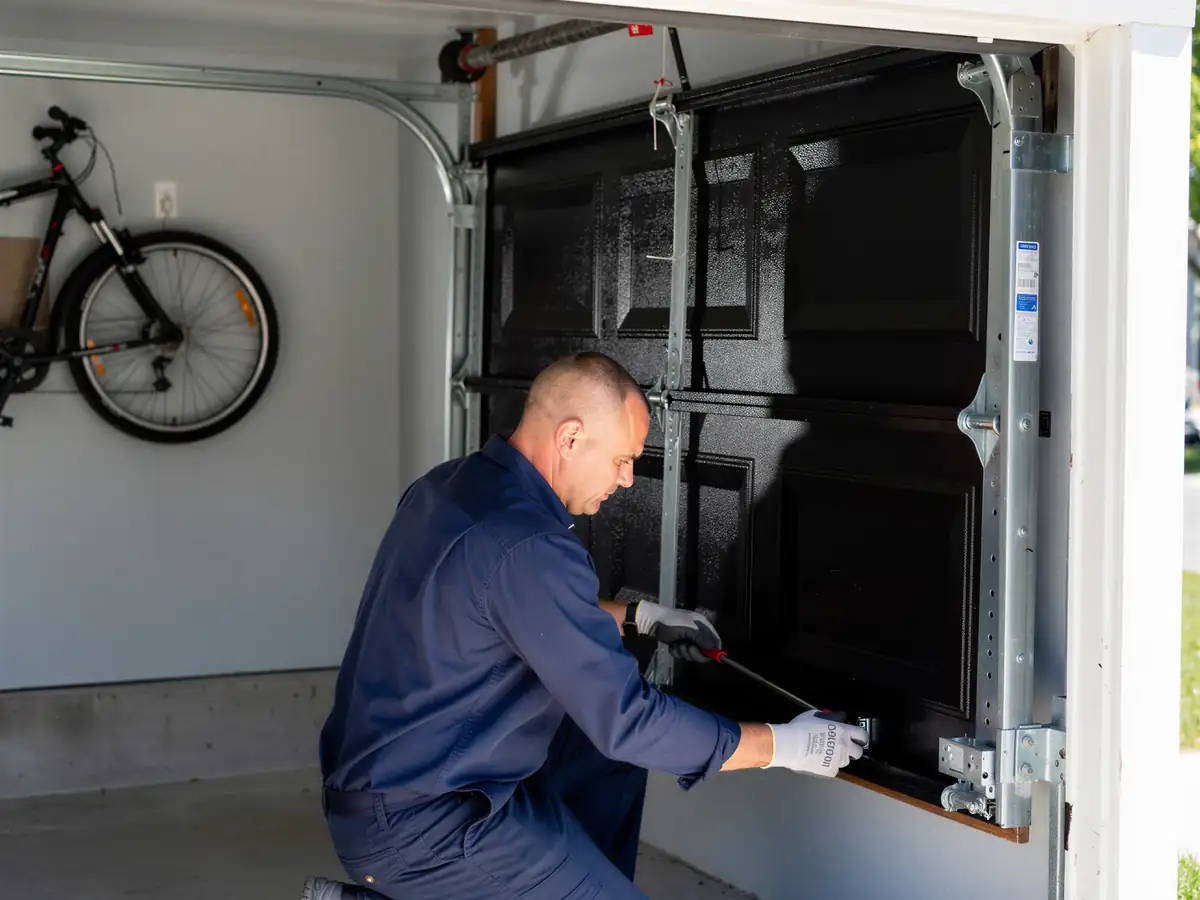
Swapping a garage door yourself is possible if the opening is square, standard-sized, and you're comfortable with torsion spring tension, which can injure you badly if it lets go wrong. In Cameron specifically, the bigger risk isn't the spring - it's discovering mid-install that the jamb isn't plumb and the door won't seat right, at which point a DIY job turns into a framing problem you didn't plan for. If your house is one of the newer builds in the area and the opening checks out square, a capable homeowner can manage a basic steel door swap with the right tools. If your home dates closer to that 1955 median and you haven't opened the garage walls to check the jamb, we'd suggest having someone look at the framing first, DIY or not.
Stocked Parts
We carry standard steel door panels, torsion springs in common sizes, and track hardware on the truck for jobs where the opening is a known, standard width. What we don't stock for Cameron is custom-width panels or non-standard jamb hardware for the older, hand-built openings common in that 1955-era housing - those get ordered once we've measured on site, which adds lead time to the install date. If your opening turns out to be a standard size once we check it, we can often move faster than the quote suggests. If it's a one-off size, plan on the order lead time being the long pole, not the install itself.