How Local Conditions Play In
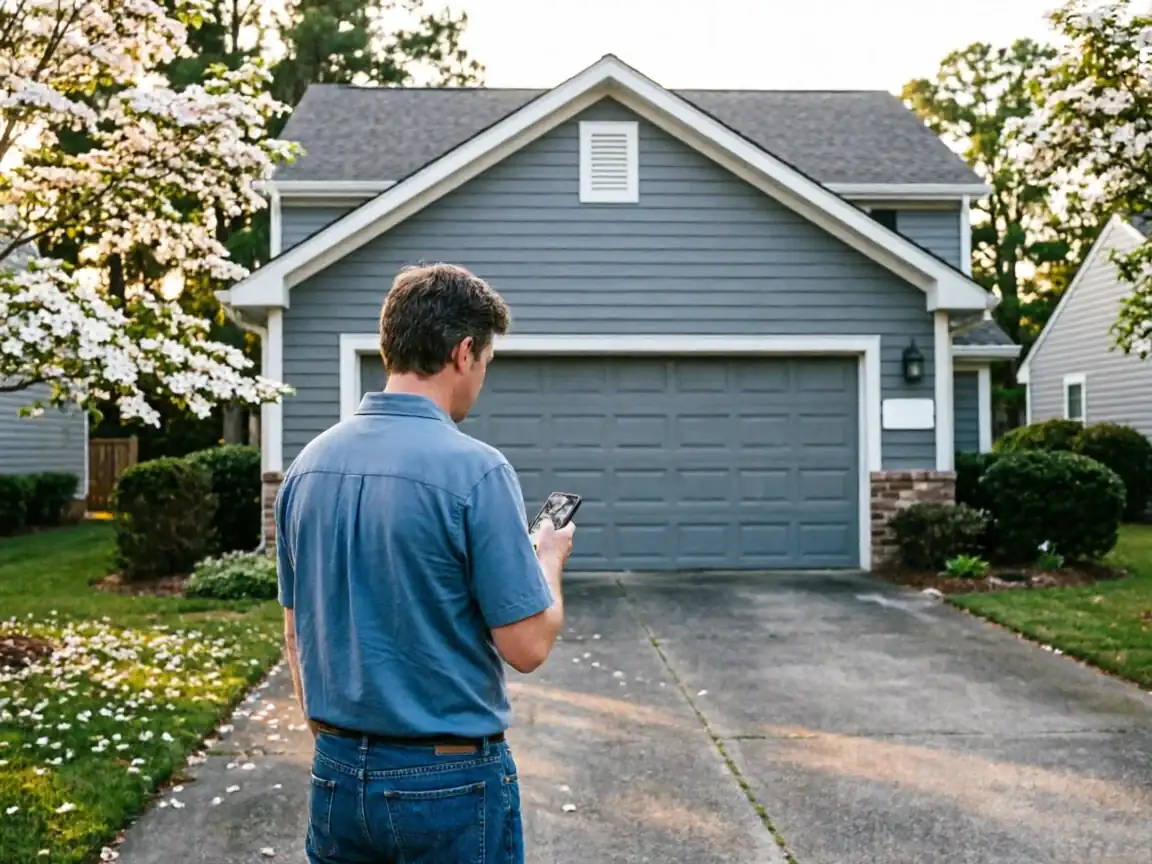
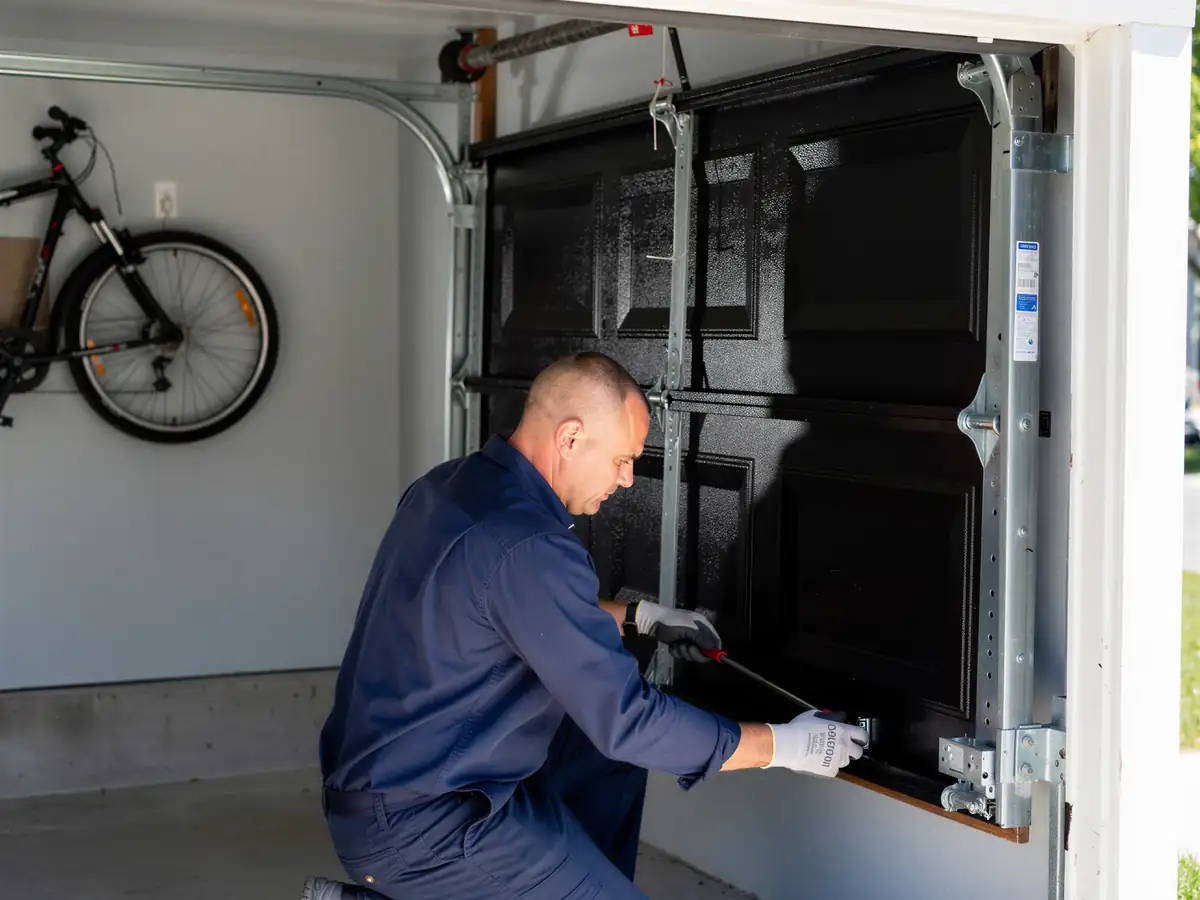
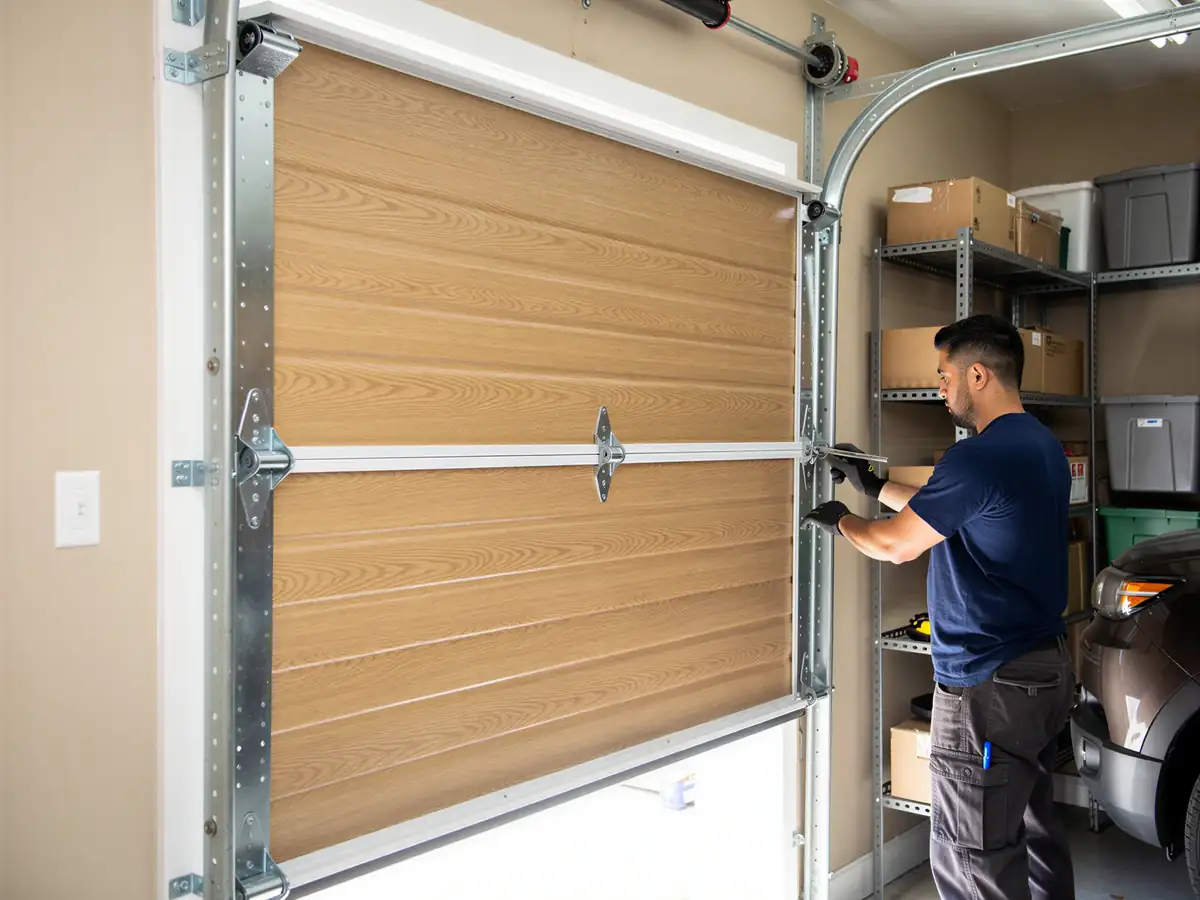
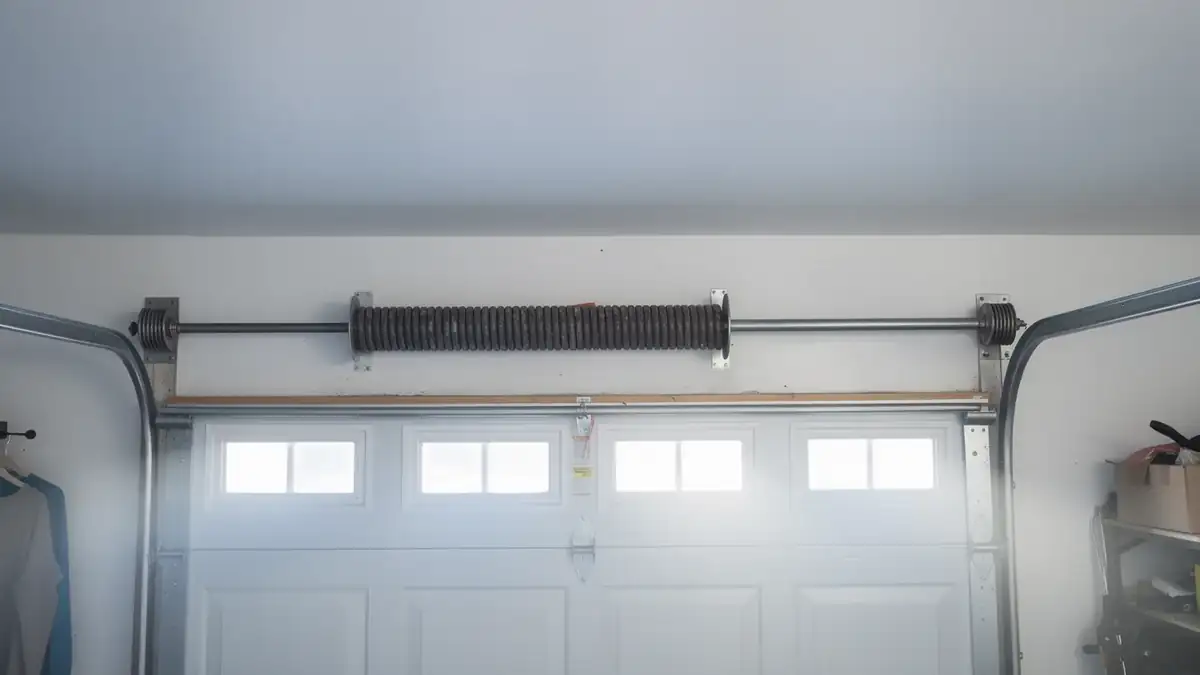
Most of the houses we work on around Sanford went up between 1955 and 1999, with the bulk of that stock dating to the 1980s and 90s across the six areas we run calls in. That matters because torsion springs lose temper over decades, and a 30 or 40 year old spring that's been fine all fall will often let go the first hard cold snap of the year. Sanford sits in a cold-moderate climate band, which means we don't get the brutal swings some parts of the state avoid entirely, but we get enough freeze-thaw cycling that steel contracts, lubricant stiffens, and a spring already near the end of its life finds the extra few pounds of resistance it needed to snap. We see this pattern every winter: a door that's worked for years suddenly won't open, and the owner swears nothing changed. Something did - the metal got colder and the spring had already worn thin. If your house falls in that 1955-1999 window, which is most of them out here, your spring is older than it looks and the cold isn't the cause, it's the trigger.
Doing Nothing For Now
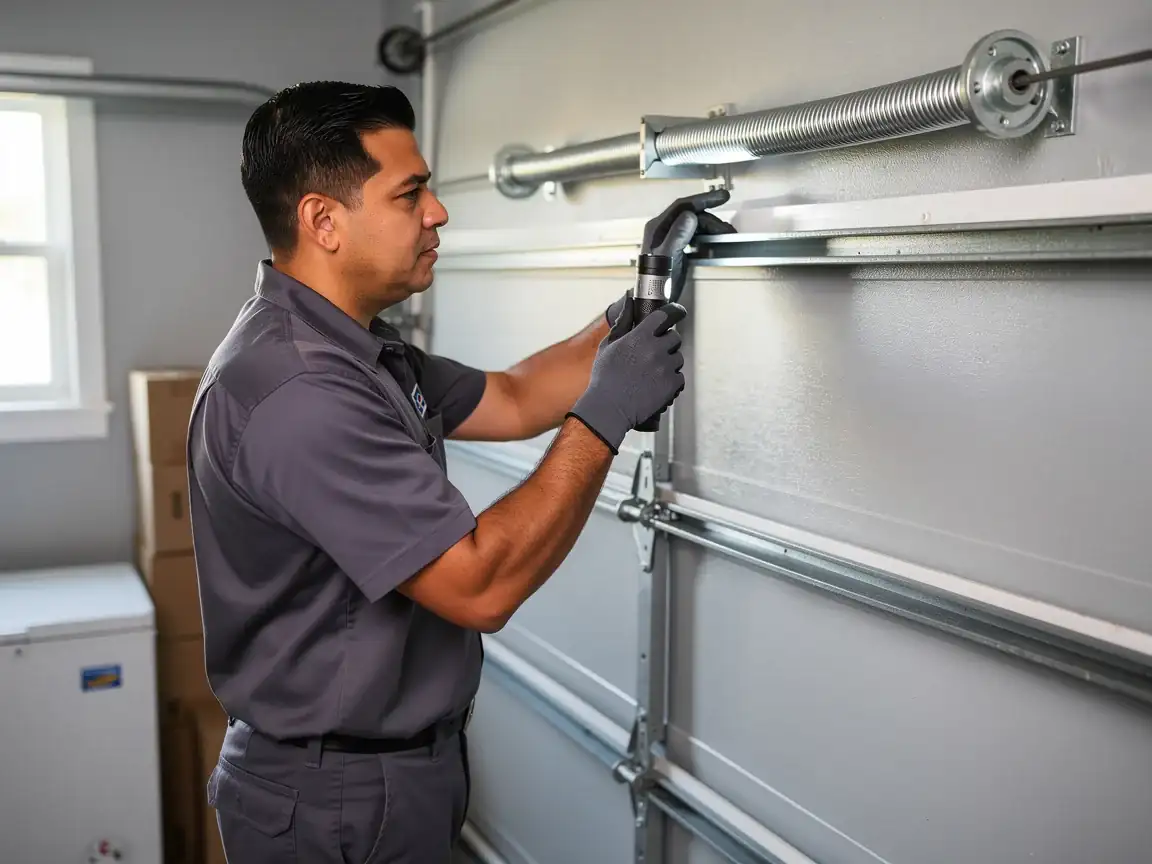
Waiting is a reasonable call sometimes, and I won't tell you otherwise. If the door is opening and closing fine and you just noticed a little more noise than usual, that's not an emergency. But on a house from the 1983 median build year we keep landing on for this area, the hardware is old enough that noise is rarely cosmetic - it's usually a bearing or a worn cable guide telling you the spring is carrying more load than it should. Doing nothing means that load keeps climbing through the cold months ahead. The spring doesn't fail gracefully. It fails at full tension, on a day it's already working hardest against the cold, and usually when someone's standing underneath or has a hand near the track. Waiting costs you nothing until the day it costs you a trip to urgent care or a door that comes off the track entirely.
The Problem
The core issue in Sanford is simple math: a median build year of 1983 means a lot of original hardware is now 40-plus years old, and a cold-moderate climate means every winter adds a stress test that spring never had to pass in July. With 2,523 owner-occupied houses across roughly 4,499 households in the areas we cover, a large share of the doors we're called to are carrying springs that were never meant to outlast the house's second or third roof. We can't tell you your exact spring's age without looking at it - torsion springs aren't dated and there's no serial number to check from the driveway. What we can tell you is that if your house falls in that 1955-1999 build range and nobody's touched the springs, cold weather is the thing most likely to find out first.