How to Book
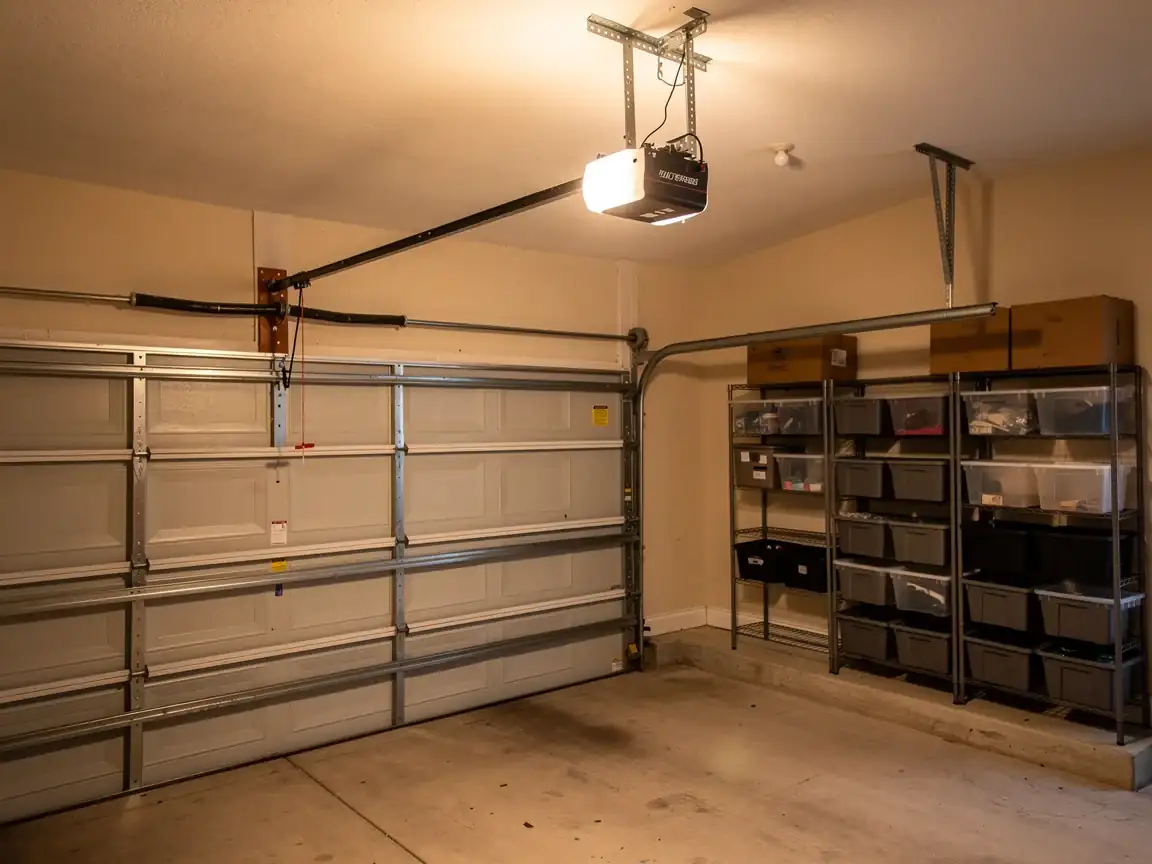
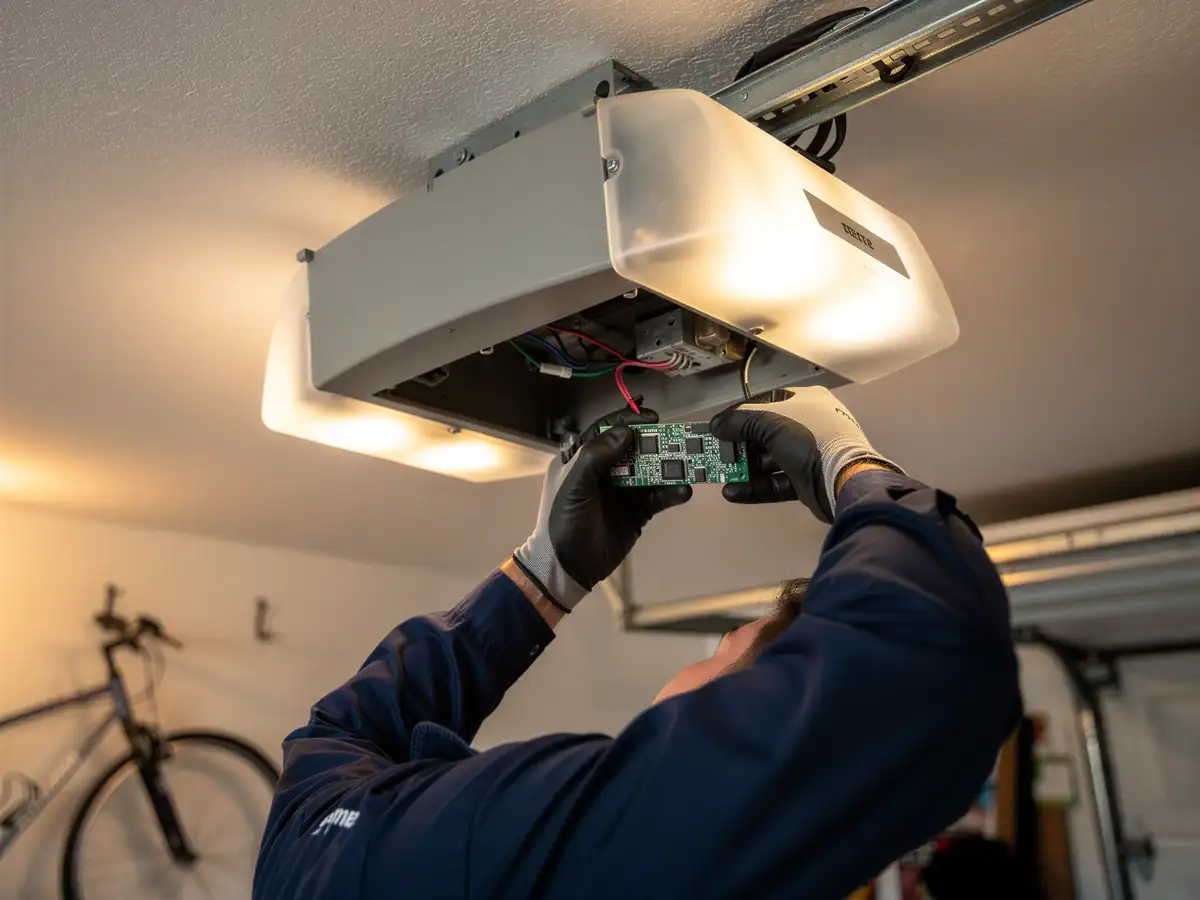
Call and tell us what the opener is doing - not closing, reversing before it hits the floor, running but not moving the door, or just dead. That one detail tells us whether we're bringing a logic board, a set of limit switches, or a new unit on the truck. We work across the service area that includes Broadway, Goldston, Cameron, Pittsboro, Vass, and Carthage, so when you call, mention your town so we can route the job efficiently.
We ask for the brand and, if you can find it, the model number stamped on the motor housing. If the opener is original to the house and the house went up in the 1980s or earlier, there's a decent chance parts for that exact unit aren't made anymore, and we'll tell you that up front rather than have you wait on an order that never ships. We don't do same-day emergency dispatch promises here because we're not going to state a response time we can't back up - we'll give you a real window when you call, not a generic one.
Once we're on site, most opener calls are diagnosed in the first few minutes. If it's a part we carry, the repair happens that visit.
The Symptom
The most common call we get isn't a door that won't open at all - it's a door that opens fine but won't close, or closes partway and reverses. Right behind that: the opener runs (you can hear the motor) but the door doesn't move, which usually means the drive gear inside the unit has stripped, not the motor itself. Less common but still regular: the remote stops working first, while the wall button still runs the door, which points at the receiver board rather than the opener's brain.
A dead opener with no sound at all is usually simpler - often a tripped breaker or a bad wall switch - but we still check the board before assuming the obvious. The symptom that costs people the most money is ignoring a door that reverses randomly for weeks, because that's often a misaligned or dirty safety sensor, and a forced workaround (holding the button down to override it) is how people get hurt.
Across the households we serve, openers installed when a house was built in the 1980s or 90s are now well past the age where logic boards and capacitors hold up, which is a big part of why this specific repair call is as common as it is here.
Why It Happens Here
Housing across this service area mostly dates from 1955 to 1999
With the median build year around 1983, and most of it clusters in six named areas with that same 1980s-to-90s stock. That matters for openers specifically: a chain or screw-drive unit installed when one of those houses was built is now thirty-plus years old, and the capacitors and circuit boards in units that age fail at a predictable rate regardless of how well the door itself was maintained. We see a steady run of calls from exactly this generation of equipment.
The climate here is on the colder, moderate side rather than mild
And that swings matter for openers too. Cold mornings make grease in an aging drive gear stiffen up, which is part of why a motor that ran fine all summer suddenly strains or strips a gear once temperatures drop. Humidity swings through the year also work on exposed circuit boards and relay contacts over the decades, which is consistent with how many of these 1980s-90s openers are failing now rather than all at once.
We're not going to tell you a specific humidity number or storm event we don't have on file
Just that the age of the housing stock and the seasonal swing here line up with what we're pulling off openers on these calls.
Can You Do This Yourself
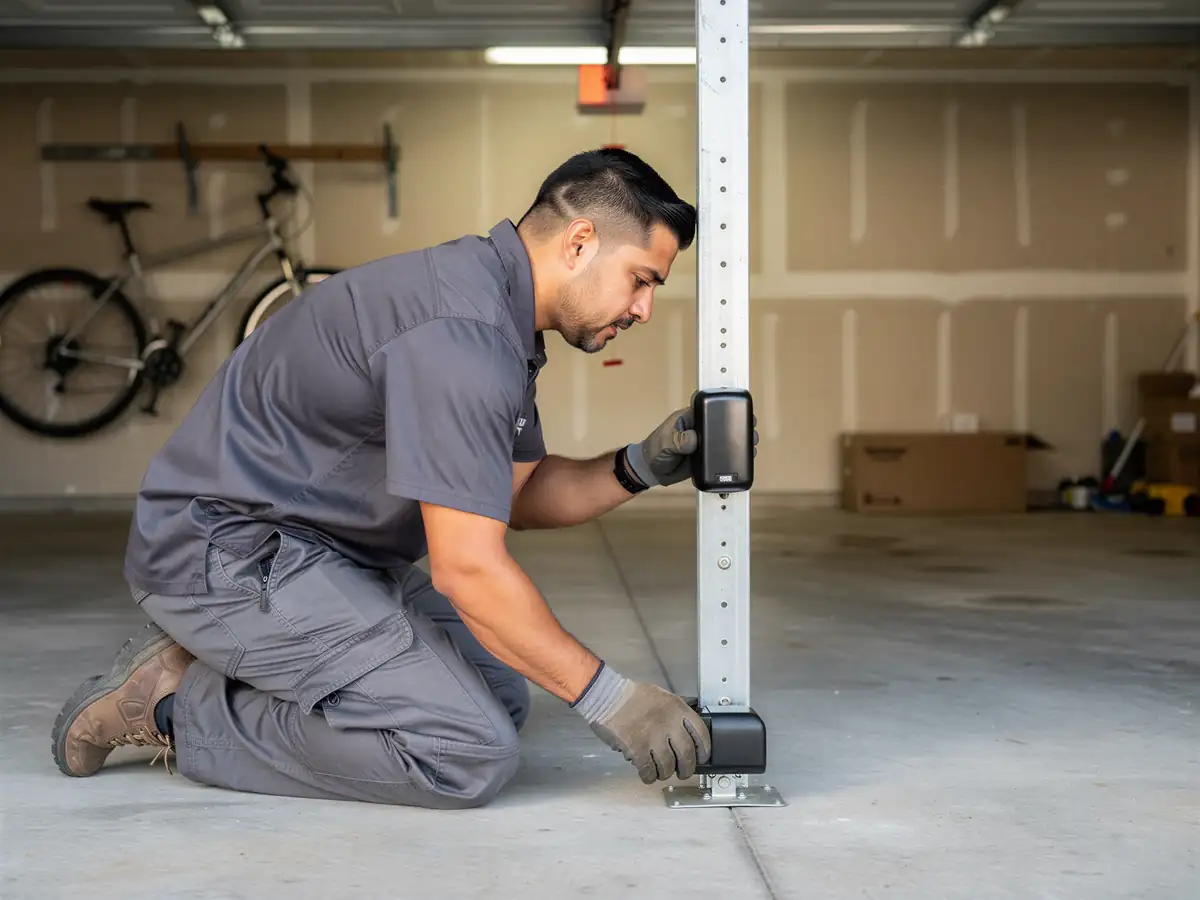
Some of this is fair to tackle yourself. If the door won't close, start by wiping down the two small sensor eyes near the floor on each track - dust or a spiderweb across that beam causes more