How Local Conditions Play In
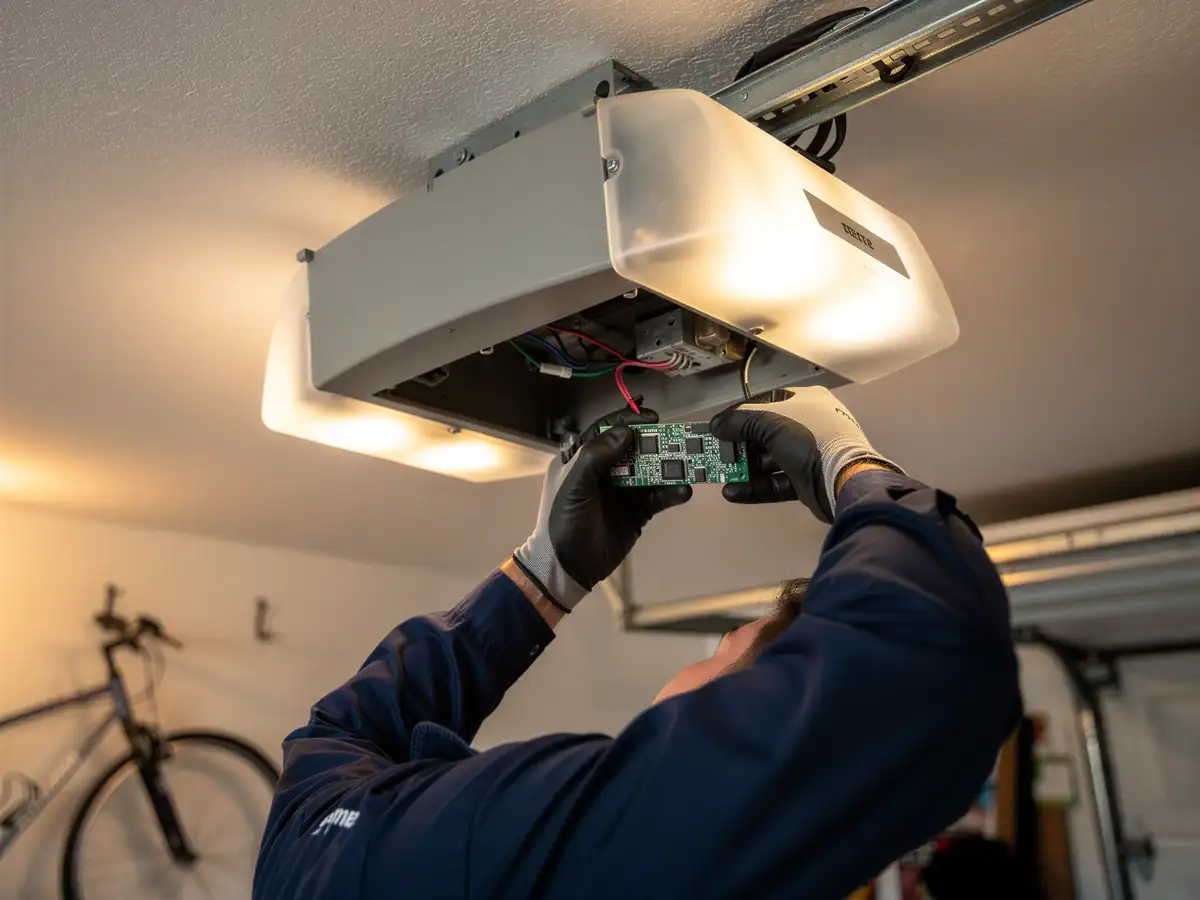
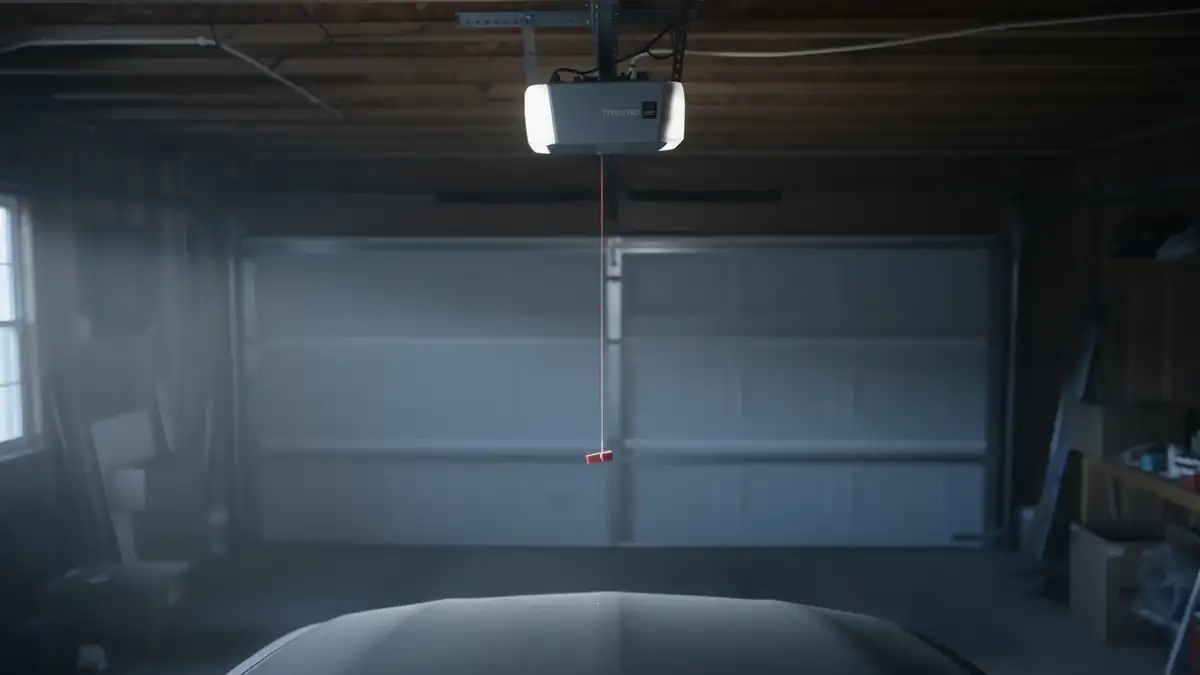
Most houses in this area were built between 1955 and 1999, with the median landing around 1983, and that number matters more than people think. An opener installed when a house went up in the early 80s is now well past the age where its circuit board, capacitor, and drive gear were built to last. Across the six pockets of 1980s and 90s construction that make up most of the service area, chain-drive openers from that build era are still common on original hardware, and those units don't hold a charge the way newer belt-drive models with battery backup do. Add in that this is a cold-moderate climate, not a hurricane coast, and the pattern that shows up here is specific: ice and wind take the power out in winter, not a tropical storm in September. When that happens on a house with a 40-year-old opener, the door doesn't just lose convenience, it loses the only way to open it unless someone knows where the manual release cord is. That combination, older opener stock plus winter-driven outages, is what actually drives the calls we get this time of year, not a generic opener problem that could happen anywhere.
Doing Nothing For Now
If your opener is original to a house built in the 1983 range and it still runs fine, you don't need to replace it just because it's old. A lot of chain-drive units from that era keep working for years past when people expect them to quit, and swapping a working opener for one with battery backup is money you don't have to spend today. The honest limitation here: we don't push replacement on a unit that's doing its job. What we do tell people is to locate the manual release cord before the power goes out, not during. With 2,523 owner-occupied houses sitting on this kind of older hardware across a service area of 4,499 households, a lot of garage doors here go dead the same week a winter storm knocks out power, and most of those calls are people who can't find the cord in the dark. That's a five-minute fix with no truck needed. Doing nothing about an opener that works is fine. Doing nothing about not knowing how to release it manually is the part that turns a power cut into a stuck car and a missed morning.
The Problem
The real problem isn't the power cut itself, it's the mismatch between modern expectations and older hardware. People in houses built across this 1955-1999 range, median 1983, expect their opener to behave like a new one with a battery that kicks in automatically, because that's what gets advertised now. The opener in the garage doesn't know that. When winter weather knocks the power out, as it does in a cold-moderate climate like this one more than people from warmer regions expect, an opener without backup just stops, full stop, until the grid comes back. That's not a malfunction, it's just the design limit of a unit from that era. If you're a few miles out toward Broadway or Goldston, or further out near Vass or Carthage, you're on the same grid risk and the same aging opener stock, so the fix isn't different, it's just further from the truck. The actual decision point is whether to keep the old opener and rely on the manual release during outages, or replace it with a unit that has battery backup built in. Both are reasonable. Only one of them means you're never stuck.