How to Book
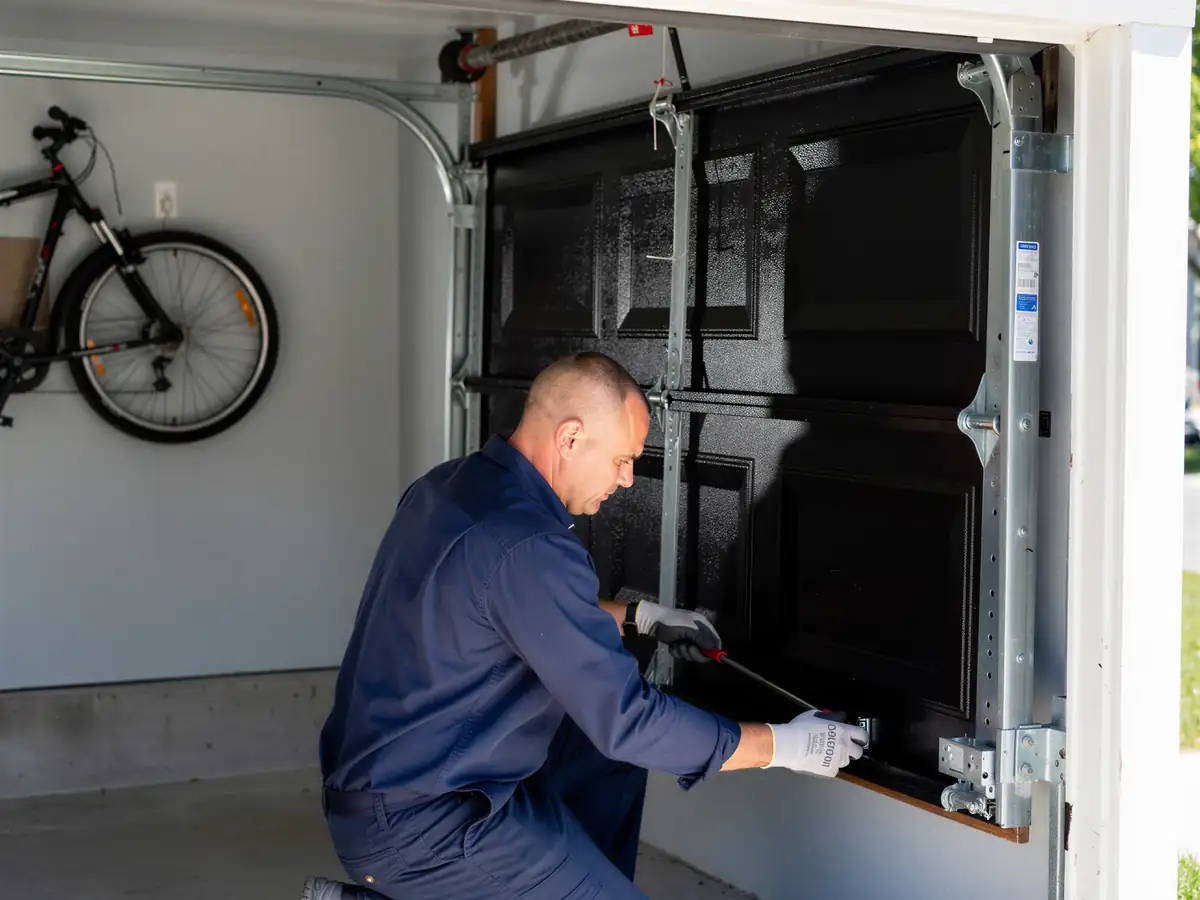
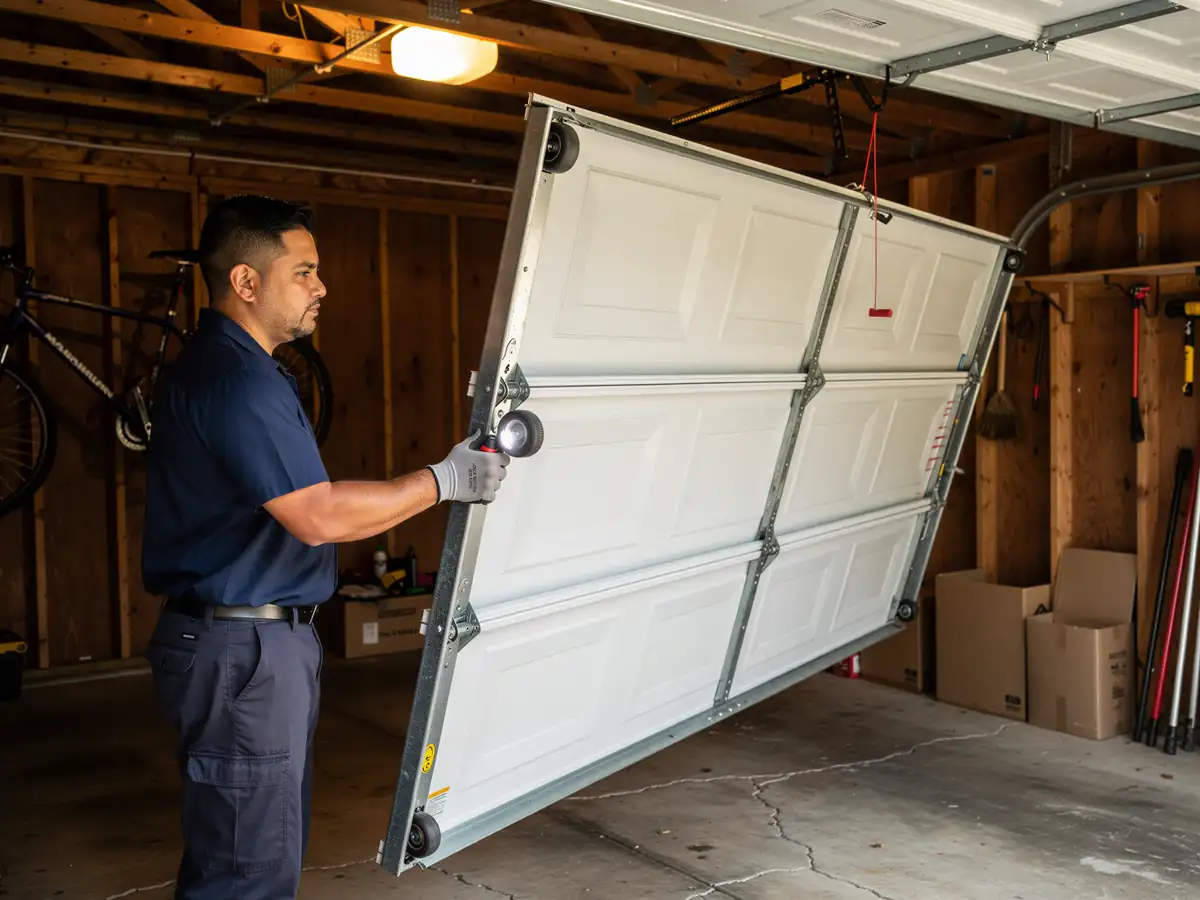
Every off-track call in Cameron starts with a drive - it's 13 miles out from our Sanford shop, which is a little farther than most of the service area we cover. That drive doesn't change what we charge you for the job itself, but it does mean the tech loads the truck for the job before leaving, not after seeing the door. When you call, tell us what you're seeing: a door that's cocked at an angle in the opening, a cable hanging loose, rollers that have popped the lip of the track. That detail decides which hardware goes on the truck, and getting it right the first time matters more on a trip this length than it does on a job five minutes from the shop. We book the call, confirm the make and rough age of the door if you know it, and head out. There's no local branch in Cameron - every job here is covered from Sanford, so the time on the road is part of planning the visit, not an afterthought.
The Complications
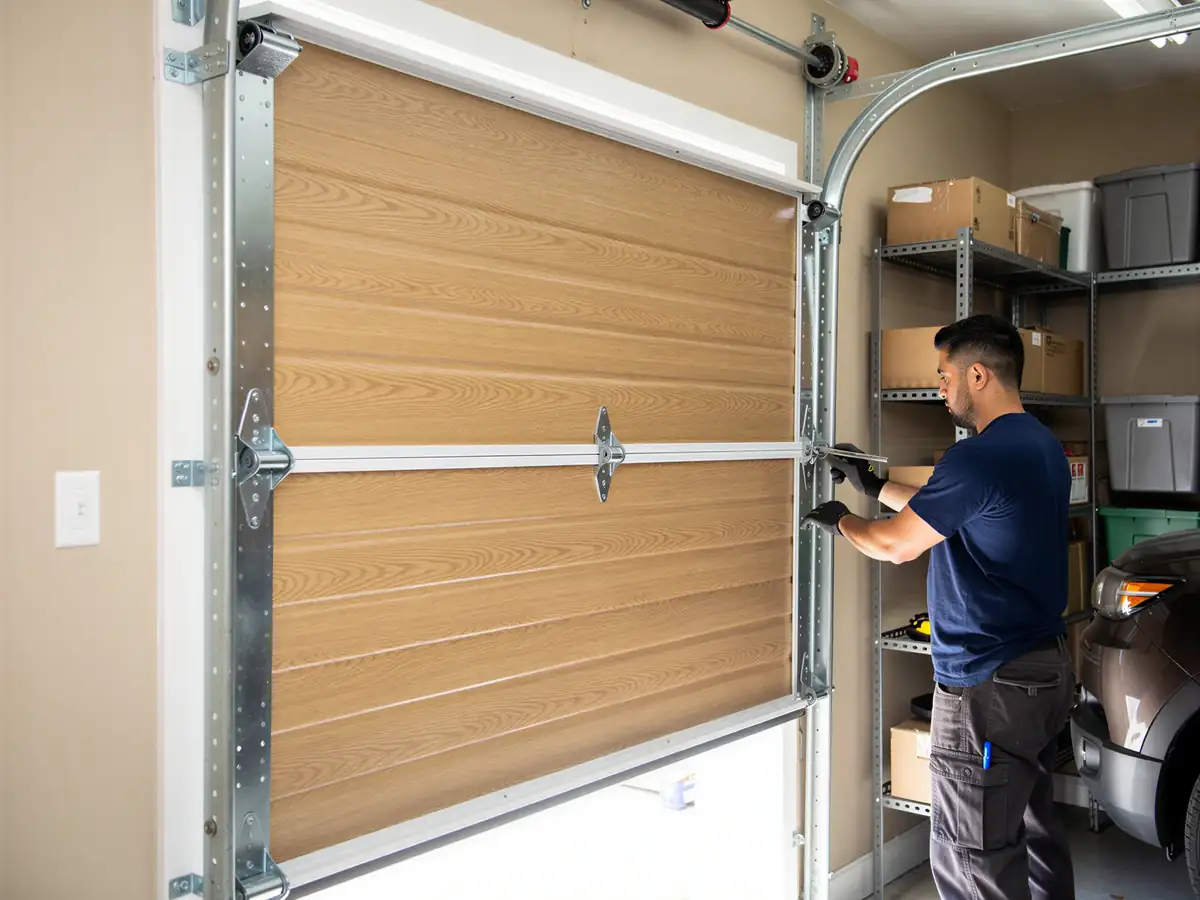
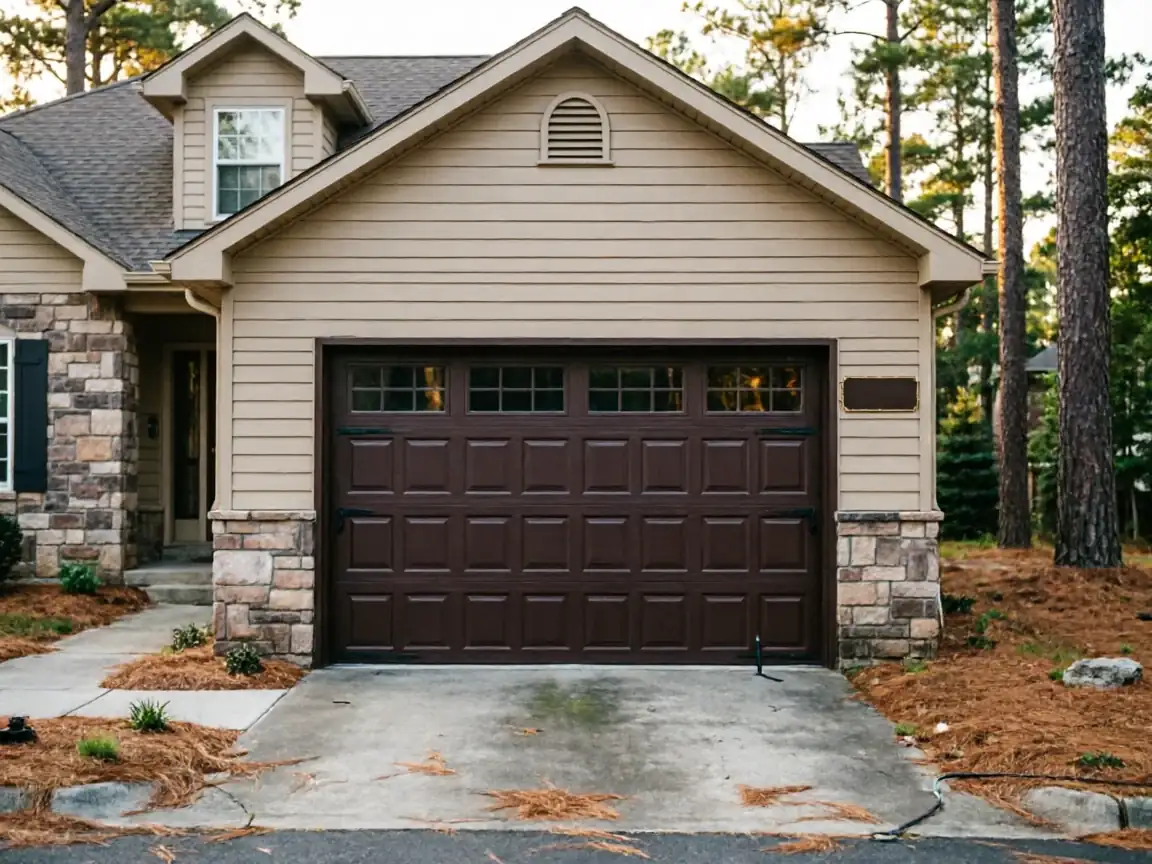
Cameron's housing stock runs older than much of the rest of our service area - homes here cluster around 1955, well ahead of the 1983 median you'll see across the wider territory. That matters for off-track doors specifically: older garages were built for narrower single doors or early double-door track runs, and over sixty-plus years those tracks have been re-shimmed, re-leveled, or bent back into rough shape more than once. A door that's off its track in a house this age is often off because the track itself has drifted out of plumb over decades, not because of one bad hit. Add the cold-moderate climate swings this area sees - the kind that make steel brackets expand and contract season to season - and lag screws that held fine in 1975 can be working loose now. That combination, old track geometry plus seasonal metal movement, is a different repair than straightening a track on a door installed ten years ago. We look at the whole run, not just the bent section, because on a house this age the rest of the track is usually close behind.
Can You Do This Yourself
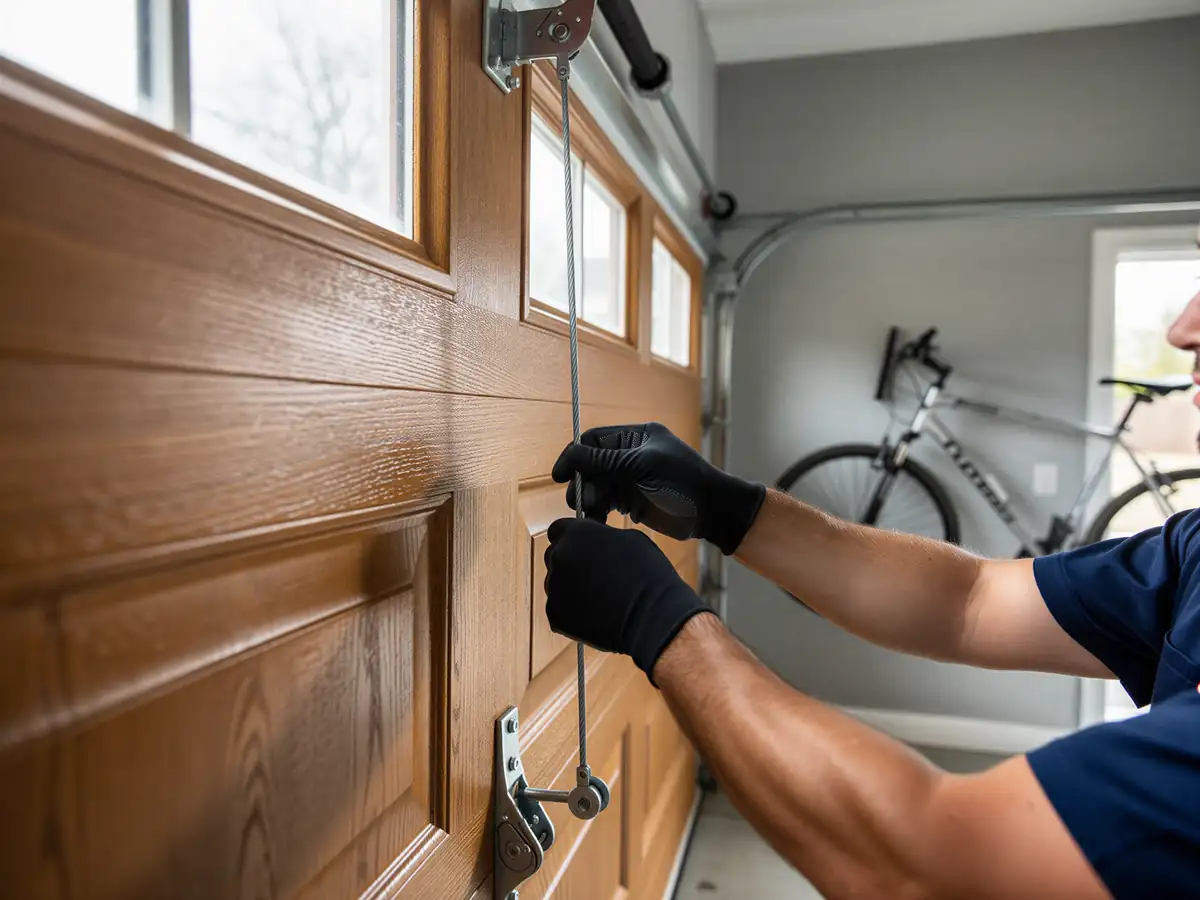
Some of it, yes. If a roller has simply popped out of the track and the door is still square in the opening, you can sometimes guide it back by hand with the door manually in the up position and the opener disconnected. What you shouldn't touch yourself is anything involving the cables or the spring - on a door this age, the spring and cable setup is more likely to be original or close to it, and that hardware doesn't fail politely. If the door is sitting at a visible angle in the frame, or a cable has come off the drum, that's not a DIY fix. Honest limitation here: we don't do same-day emergency calls out to Cameron specifically - we're a shop in Sanford covering a wide area, so if a door is hazardous (blocking a car in, or a spring under tension with the door stuck halfway), call us, but expect the scheduling to reflect the 13-mile trip, not a dispatch down the street.
Stocked Parts
Because so much of Cameron's housing dates to the mid-1950s, we carry the older-style track brackets and roller hardware that newer-built subdivisions elsewhere in the area don't need as often. A lot of what's still in service on these doors is heavier-gauge steel track than what ships standard today, and the bracket spacing on original installs doesn't always match current stock sizes. We keep common replacement lengths and universal brackets on the truck for exactly this reason, since a trip this far isn't one we want to make twice over a part that should've been loaded the first time. What we don't stock is anything proprietary to a specific manufacturer's discontinued line - if the door turns out to need an obsolete part number, that's a special order, and we'll tell you the lead time before we commit to the fix.