How to Book
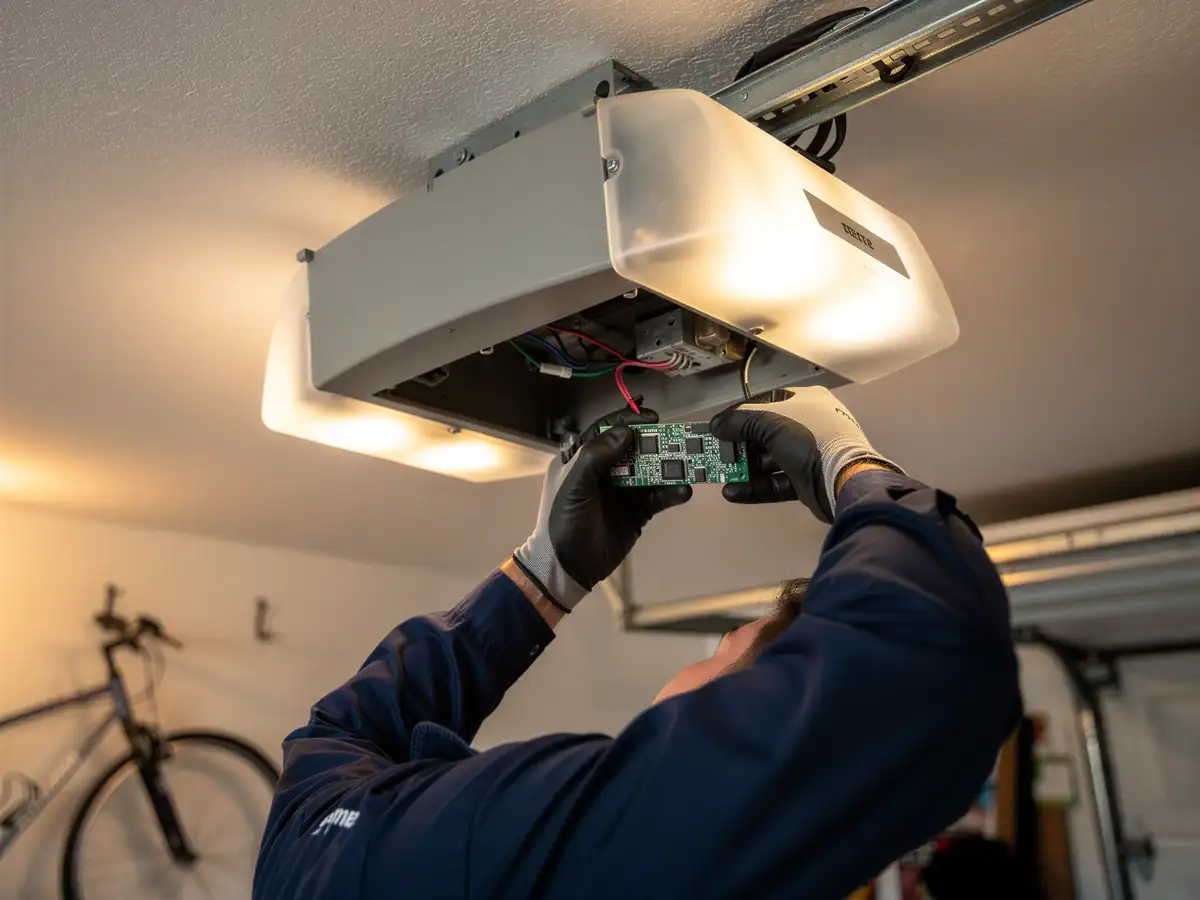
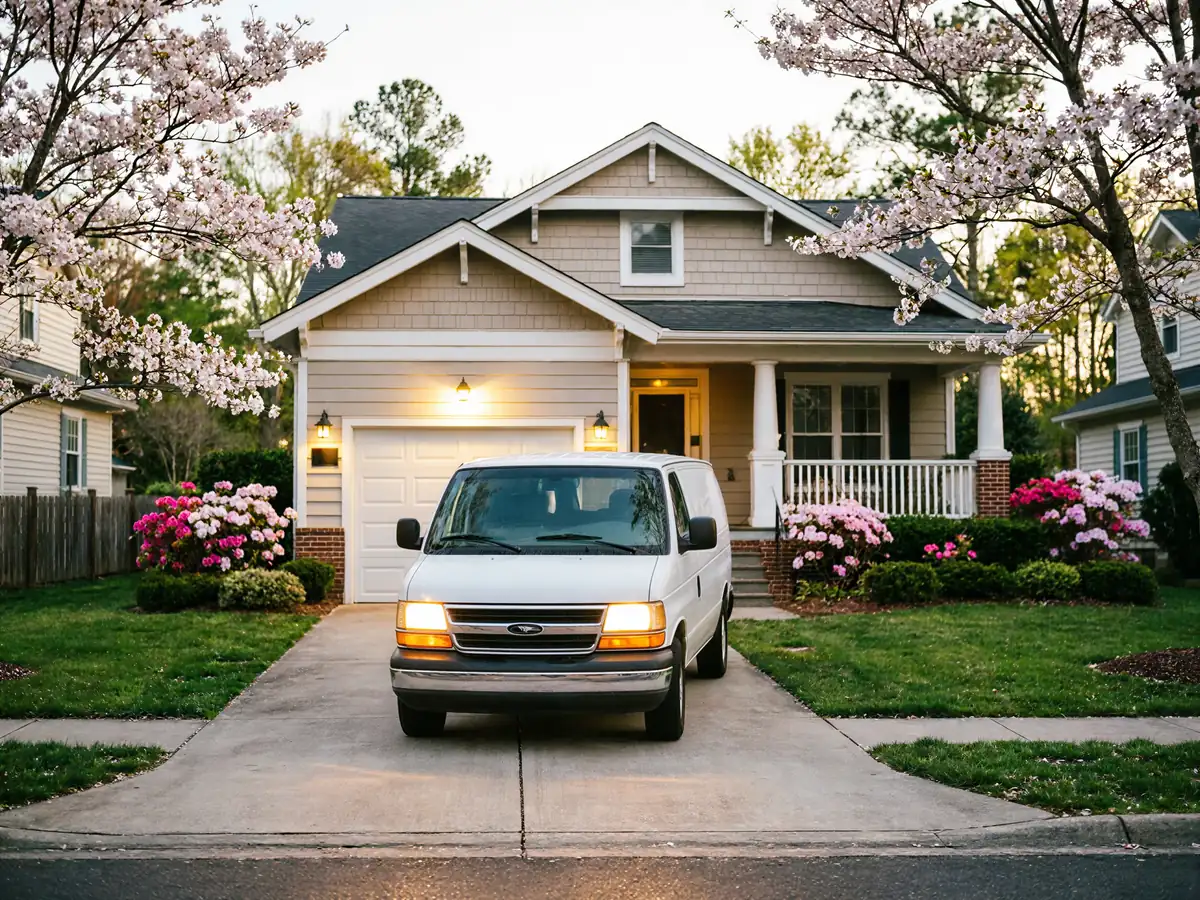
We're based in Sanford, about 13 miles out, and we run calls into Cameron on the same routes we use for the rest of the service area. There's no branch office here and no crew stationed in town, so a repair call means a truck coming from Sanford rather than a local dispatch. Call ahead and tell us what the door is doing - grinding, off-track, won't open, spring snapped - and we'll bring the parts that match. Because we're driving in rather than around the corner, it helps to know roughly what's wrong before the truck leaves: a torsion spring job and a cable job carry different parts on the van, and guessing wrong adds a second trip. We'll ask a few questions on the phone first: door age, whether it's one door or two, and whether the opener still runs. That's usually enough to load the right springs and get out to you in one trip instead of two.
The Complications
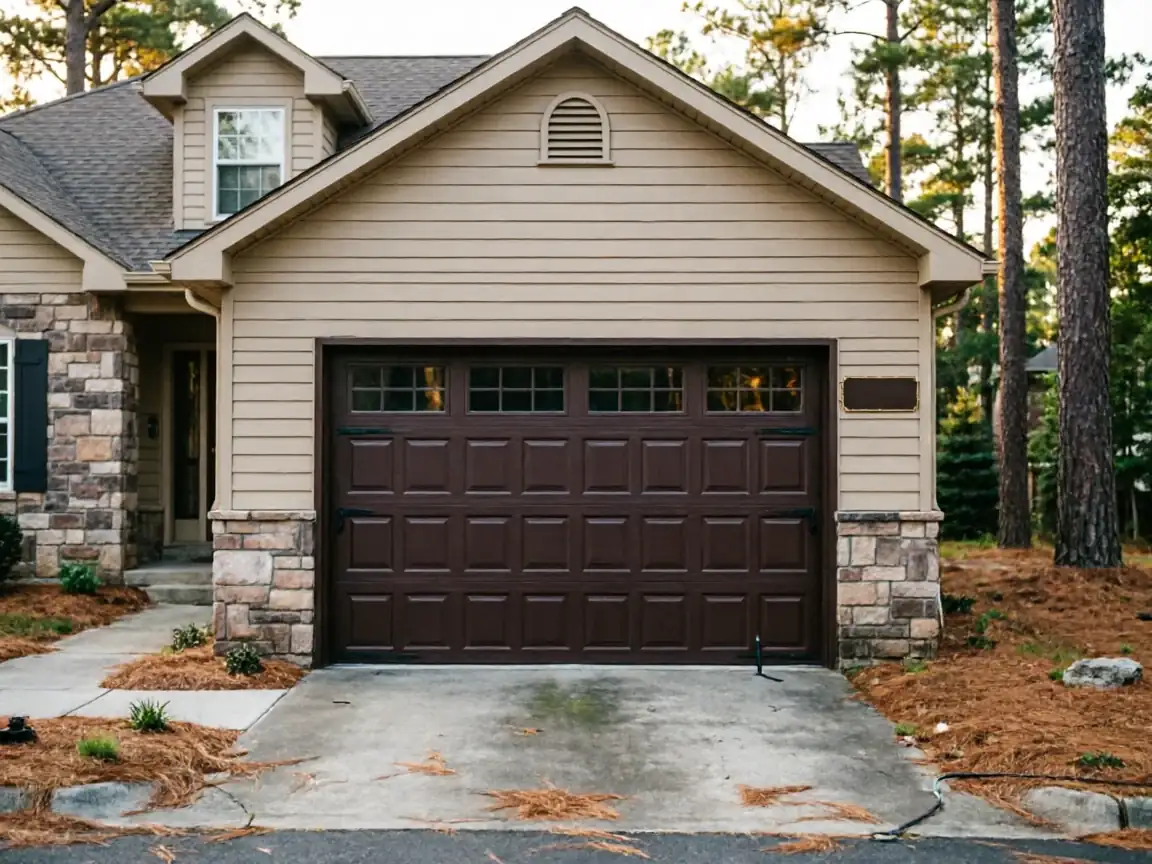
Cameron's households sit at a median income of $74,688, noticeably higher than the $62,428 median across the broader Sanford service area. That matters for the repair-or-replace call: at this income level, a lot of owners skip the patch job and go straight to a full door and opener swap rather than nurse along 1950s-era hardware. The houses themselves trace back to around 1955 here, older than the 1983 median build year across the six areas we generally cover, which skews newer, 1980s-90s stock. A door frame from the mid-1950s often means a narrower opening, older wood jambs, and torsion hardware that's been replaced piecemeal over seventy years - sometimes with parts that don't match each other. With only 132 households in Cameron, this isn't a neighborhood of identical production-built doors; expect to find a mix of generations on a single street, which changes what we check first.
Can You Do This Yourself
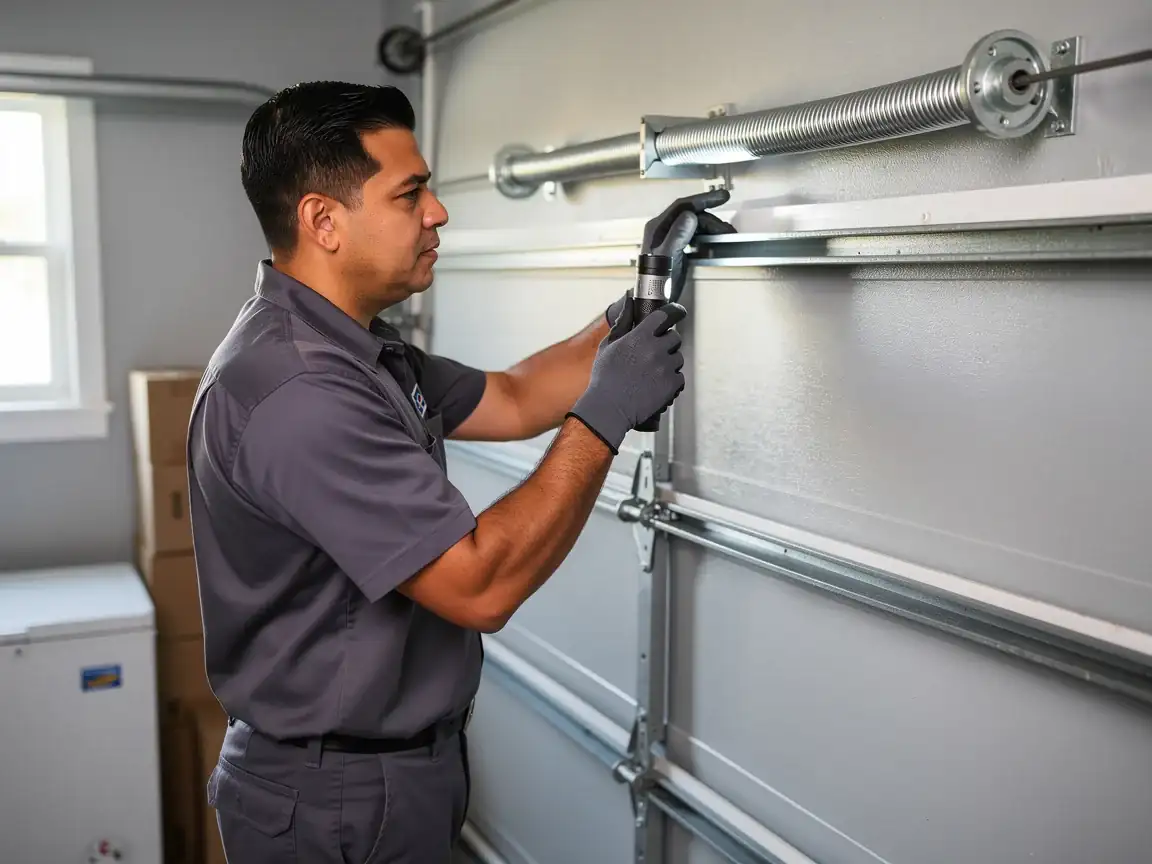
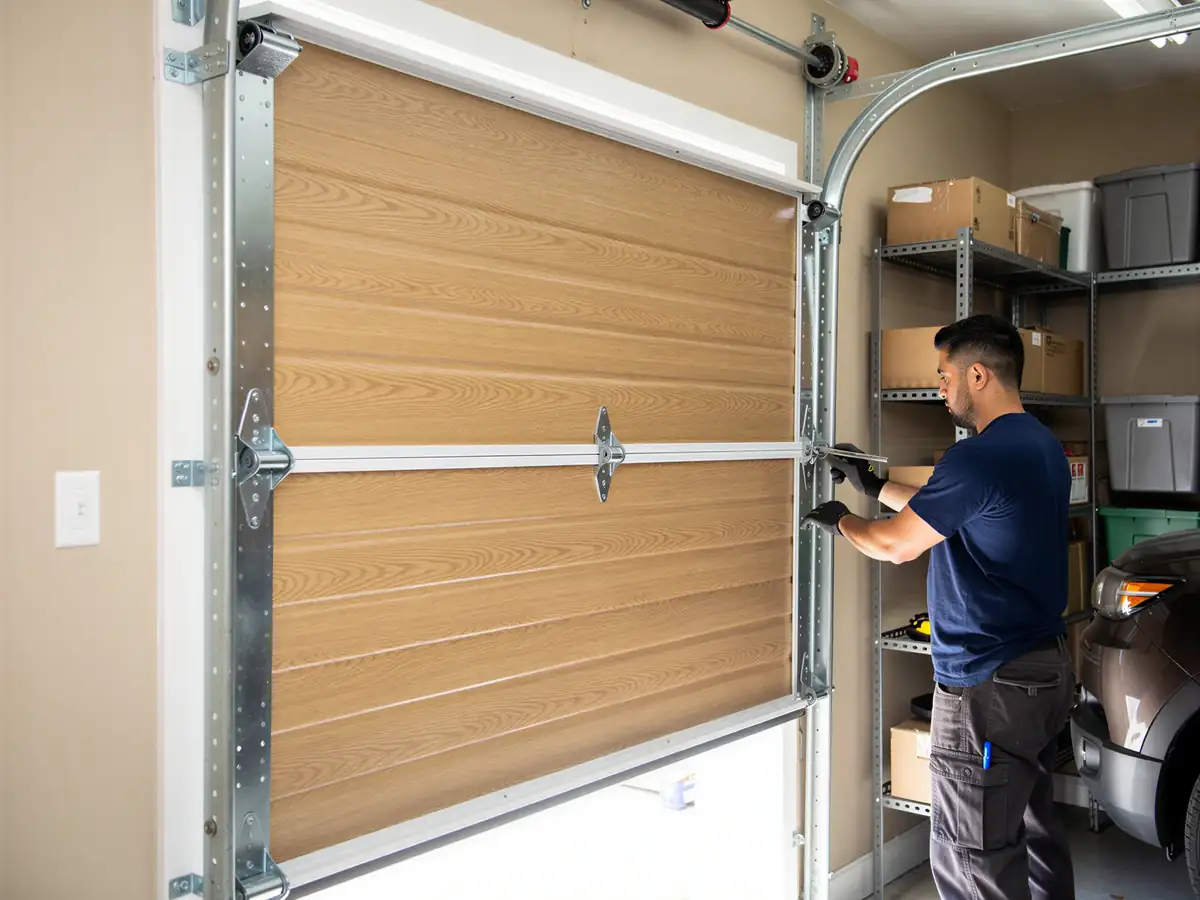
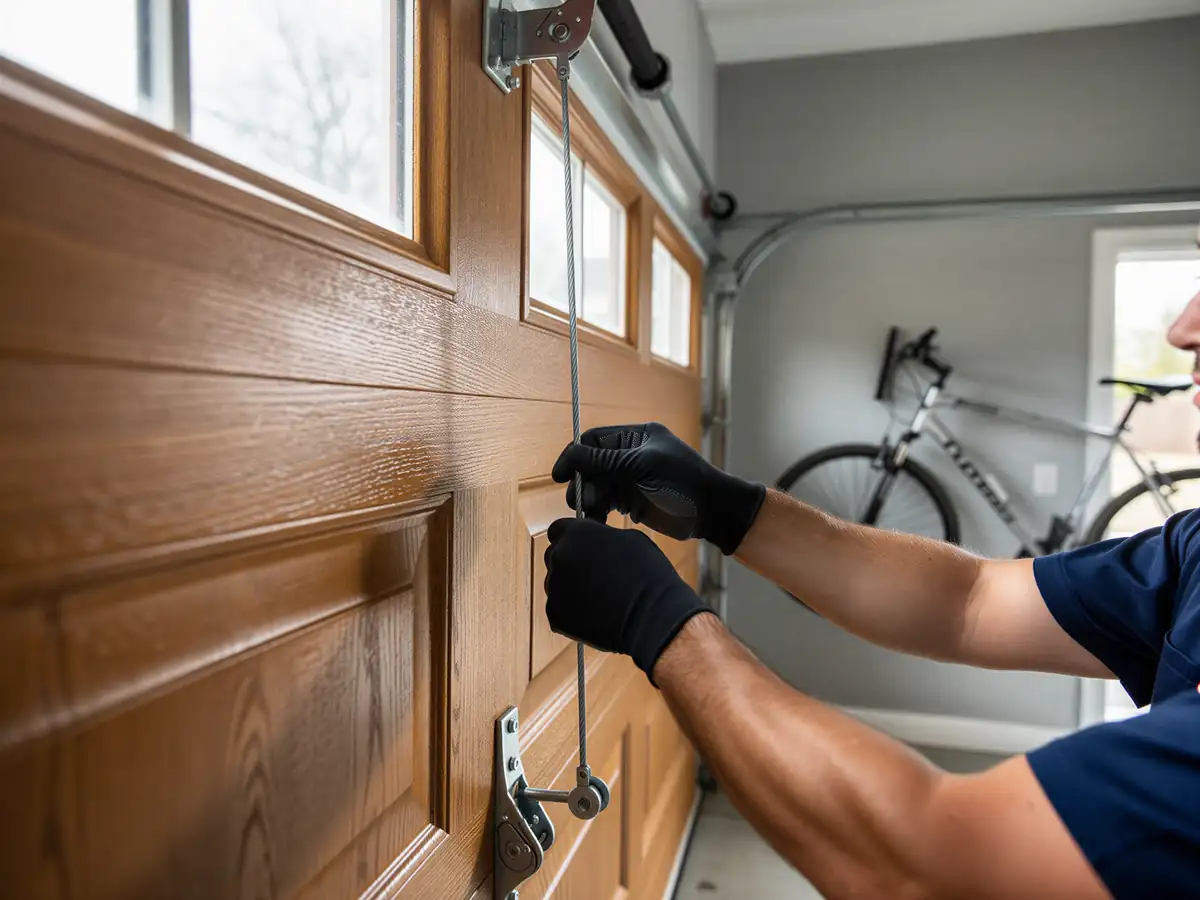
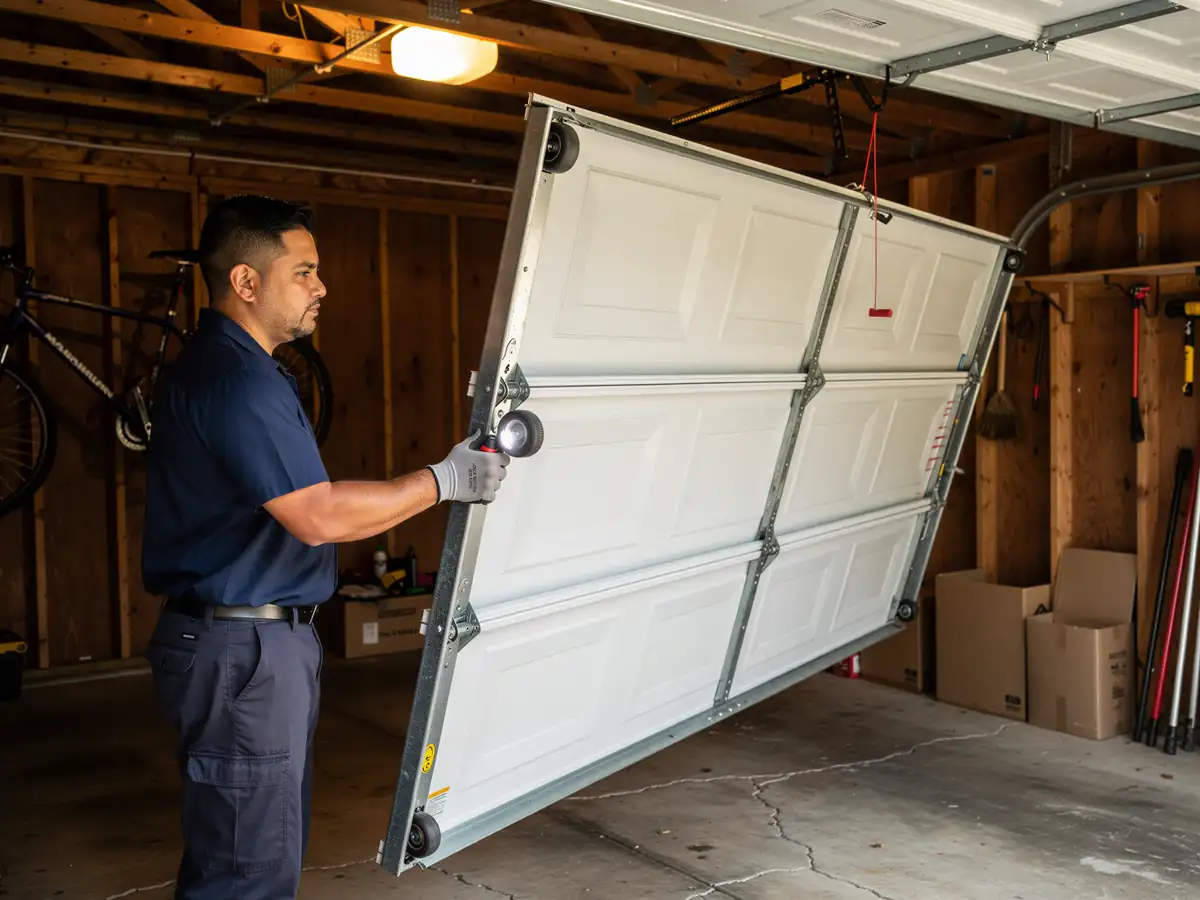
Rollers, weatherstripping, and lubricating hinges are fair game if you're handy - that's cheap and low-risk. A torsion spring is not. Those springs are wound under enough tension to break a bone or worse, and a door with original 1955-era hardware is more likely to have non-standard spring sizing than a newer one, which means a wrong guess at the hardware store doesn't just fail - it can be dangerous to even test. If the door is off its track, don't force it back on; forcing a misaligned 1950s-era track can bend it further and turn a repair into a full track replacement. Our honest limit here: we don't talk anyone through a spring swap over the phone, and we won't sell you a part if we're not confident it's the right one for a door this old.
Stocked Parts
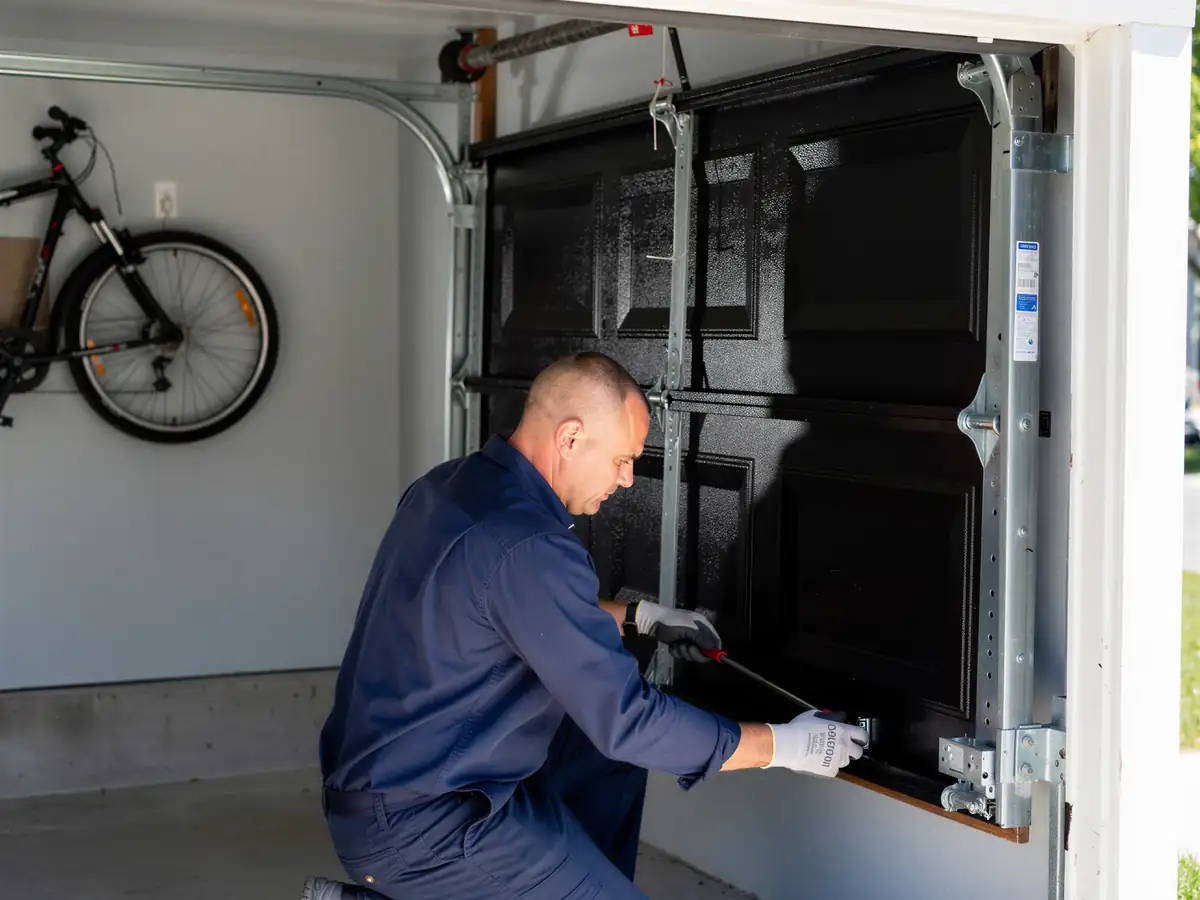
Because Cameron's housing predates most of the service area's 1980s-90s stock, we carry a wider range of spring sizes and roller types on the truck specifically for older openings like this. A door from 1955 is more likely to run on original or near-original torsion hardware than a door built after 1980, and that hardware isn't always something we have on the shelf without checking first. If your door needs a part that's genuinely out of production, we'll tell you that up front rather than promise a same-visit fix - that's one of the honest limits of working on hardware this old, and it's worth knowing before we drive out.