How to Book
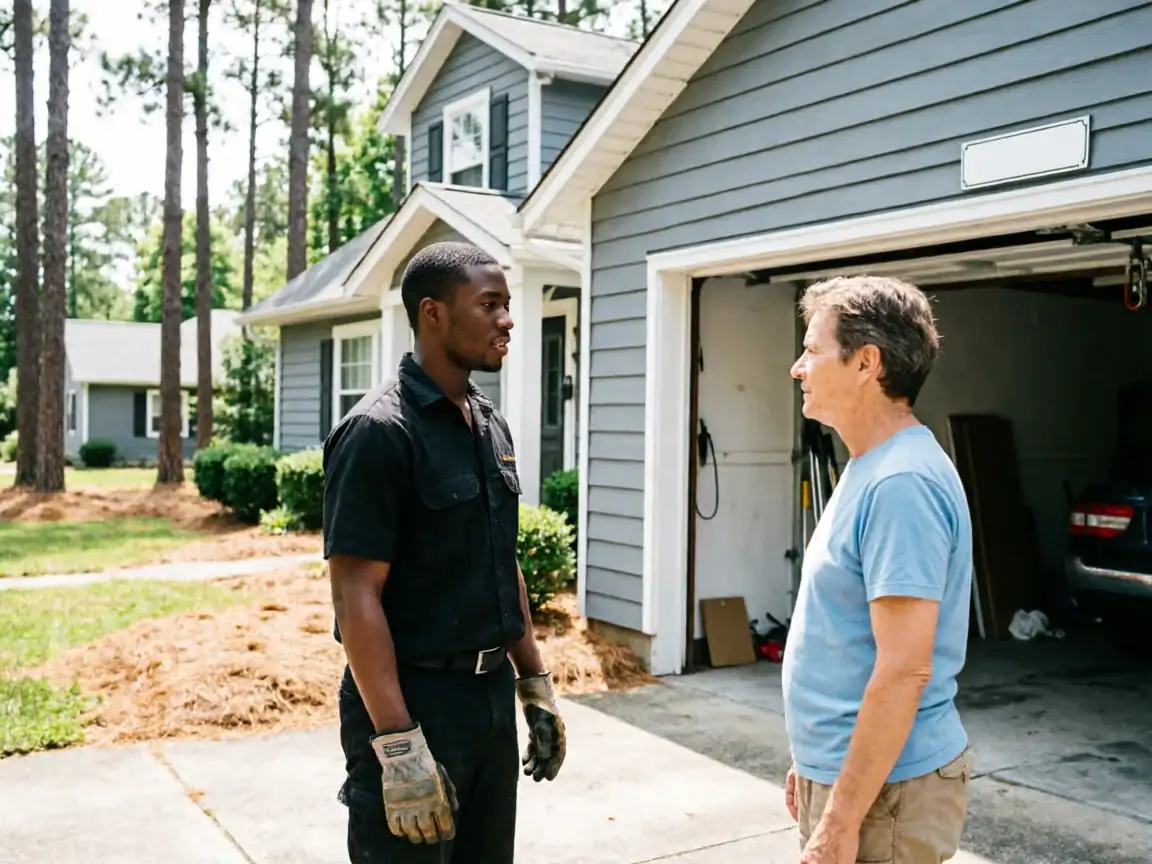
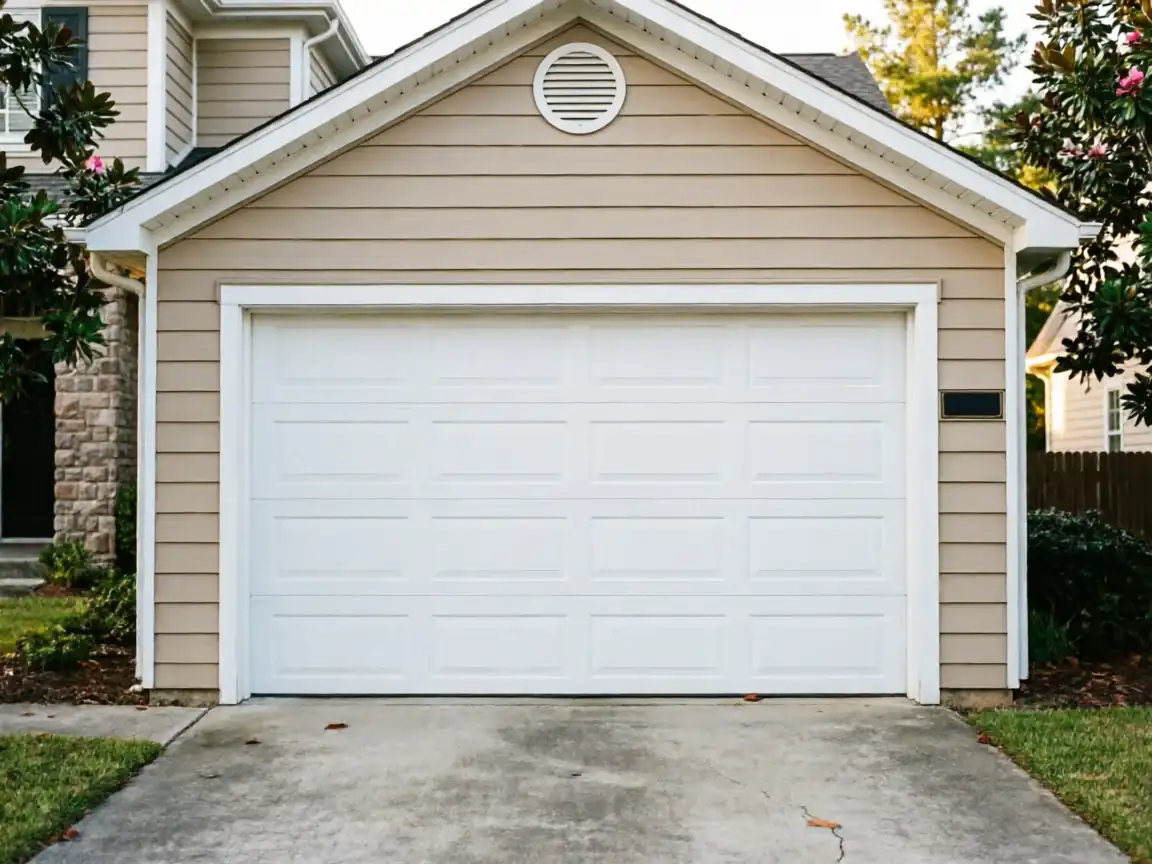
We cover Cameron from our Sanford shop, 13 miles out, so maintenance visits here get scheduled rather than slotted in same-day. Tell us the age of the house when you call - Cameron's housing stock centers on 1955, a full generation older than the 1983 median across the rest of the service area we work, and that changes what we bring on the truck before we ever see the door. With only 132 households in Cameron itself, we're not rolling through daily, so batching the call with a clear description of the symptom (grinding, drooping on one side, opener reversing for no reason) helps us show up with the right parts the first time. Book through the areas page or call ahead; we don't keep a branch or drop-box in Cameron, every job starts from Sanford.
The Complications
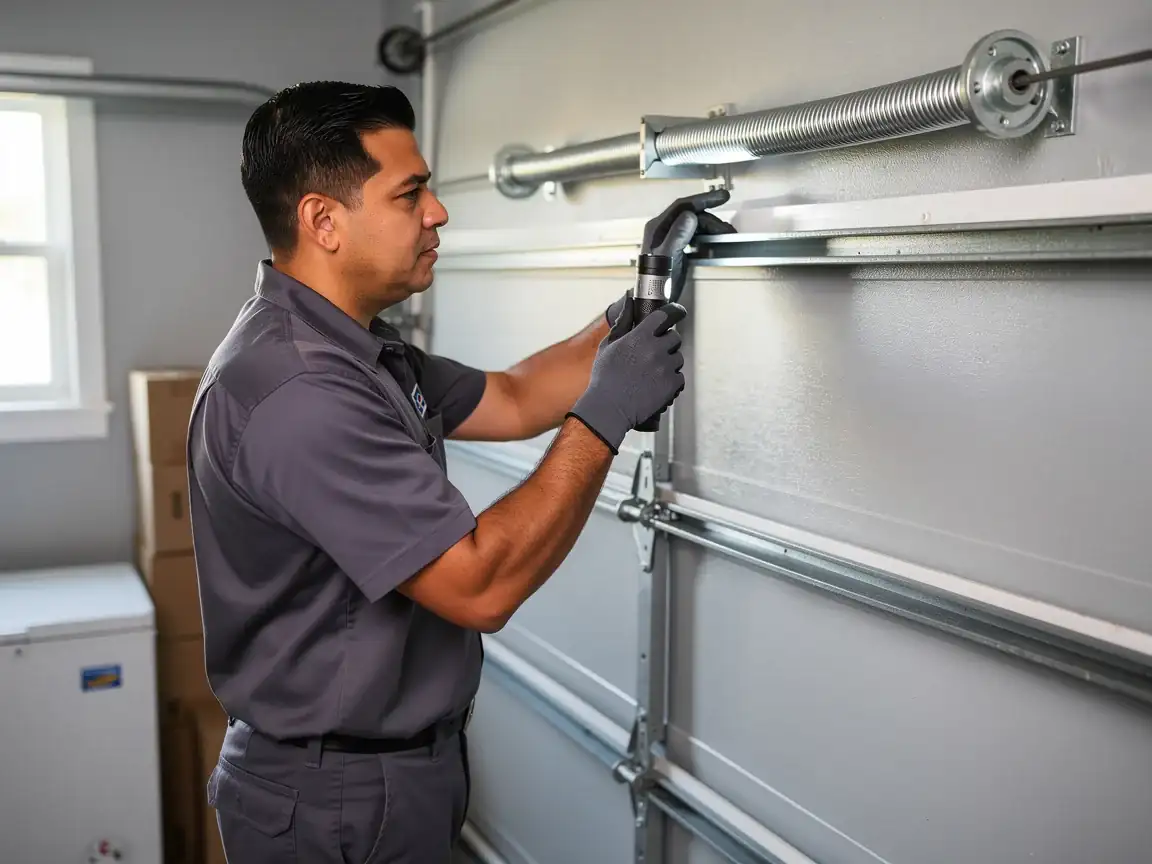
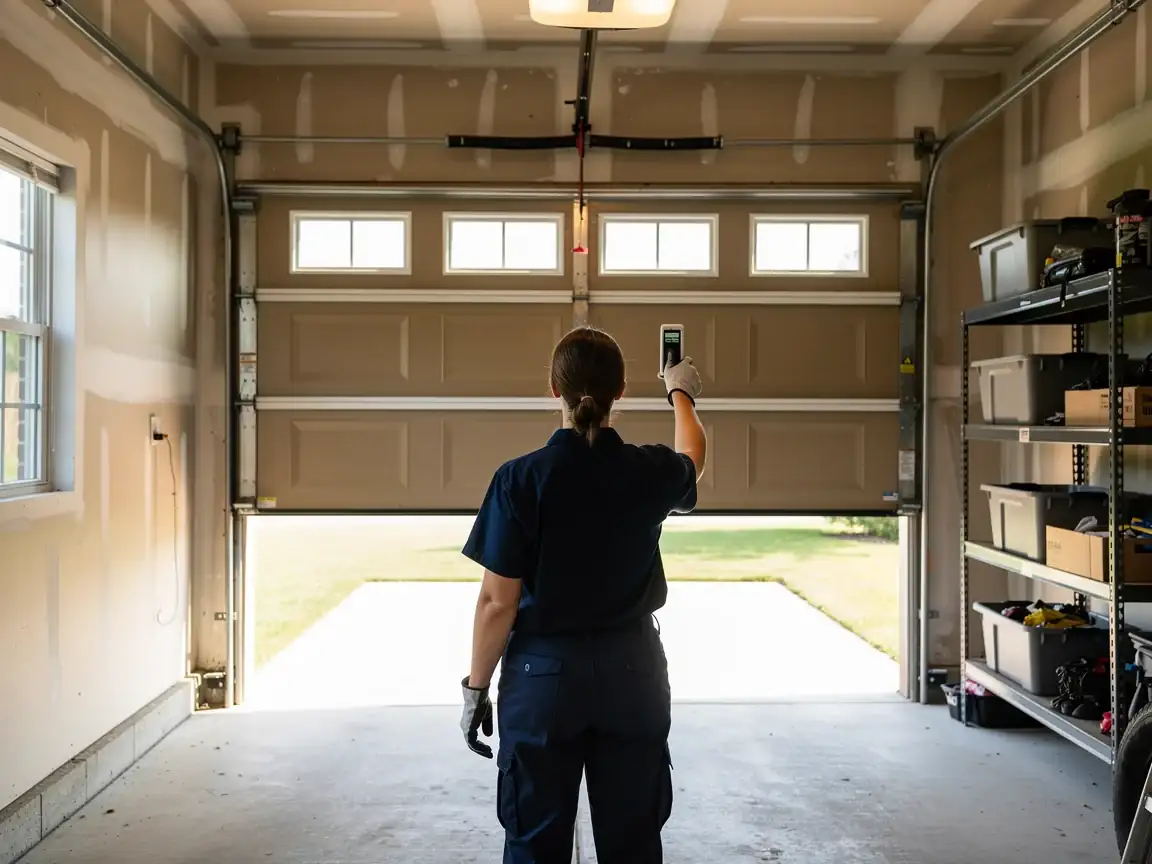
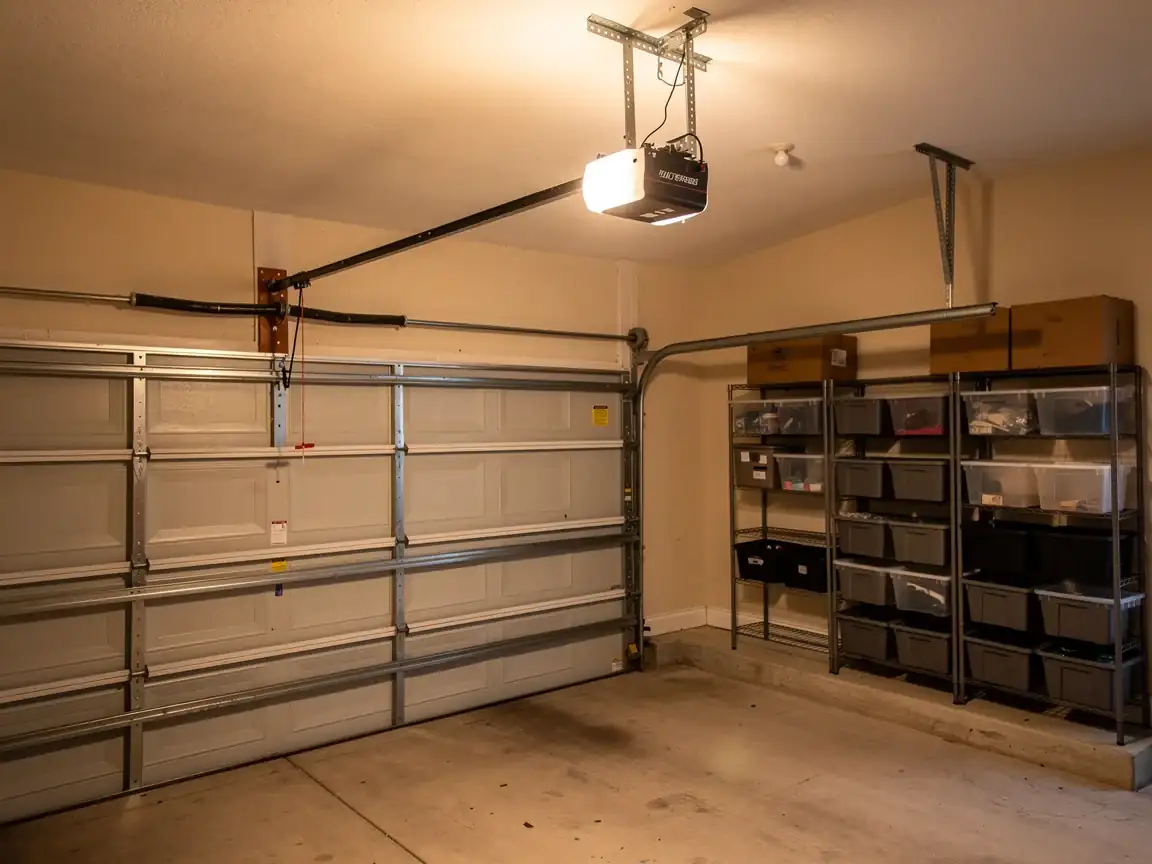
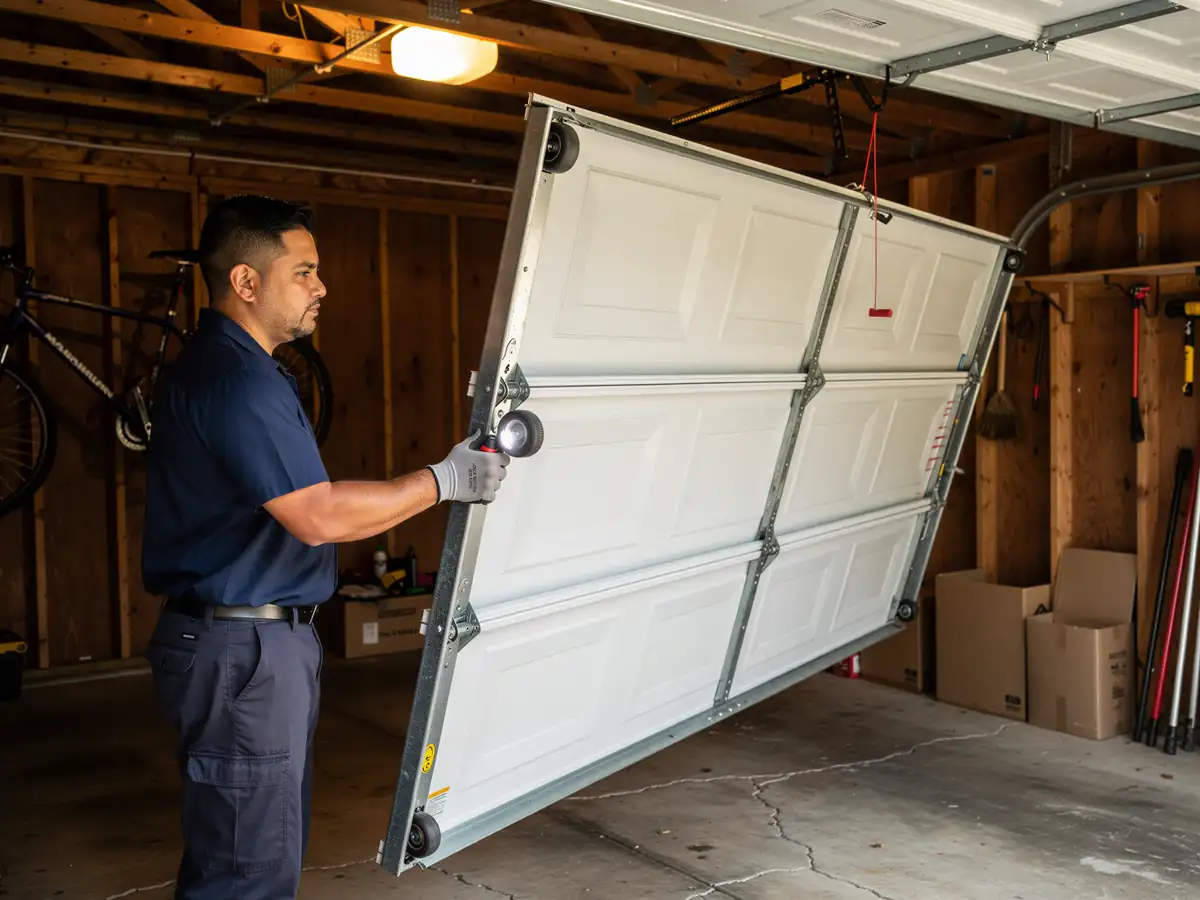
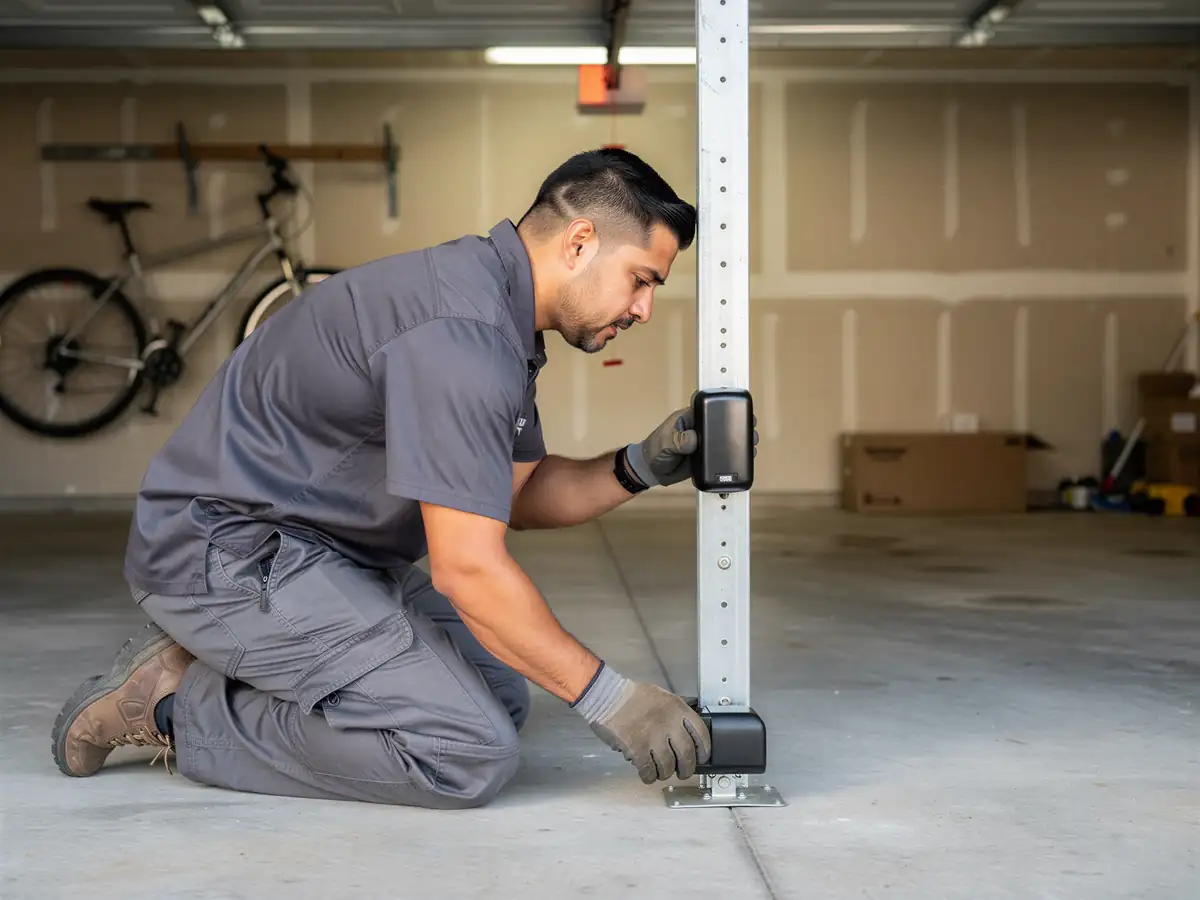
A door installed around 1955 predates a lot of what's now standard. Extension springs mounted along the horizontal tracks were common then, not the torsion springs over the header that dominate newer builds - and the 1993 federal rule requiring photo-eye reversal on openers came decades after these doors went up, so a lot of them were retrofitted later, sometimes badly. Add the cold-moderate climate this area sits in: freeze-thaw cycling works hardware loose, and condensation inside an uninsulated steel panel from 1955 causes rust at the bottom corners faster than it would on a newer insulated door. We also see panel sag and misaligned tracks on houses this age, because the original framing settled long before anyone thought about garage doors as a maintenance item. None of this means the door is unsafe on its own - it means a maintenance visit on a 1955-era door in Cameron looks for different failure points than one on a 1990s door.
Can You Do This Yourself
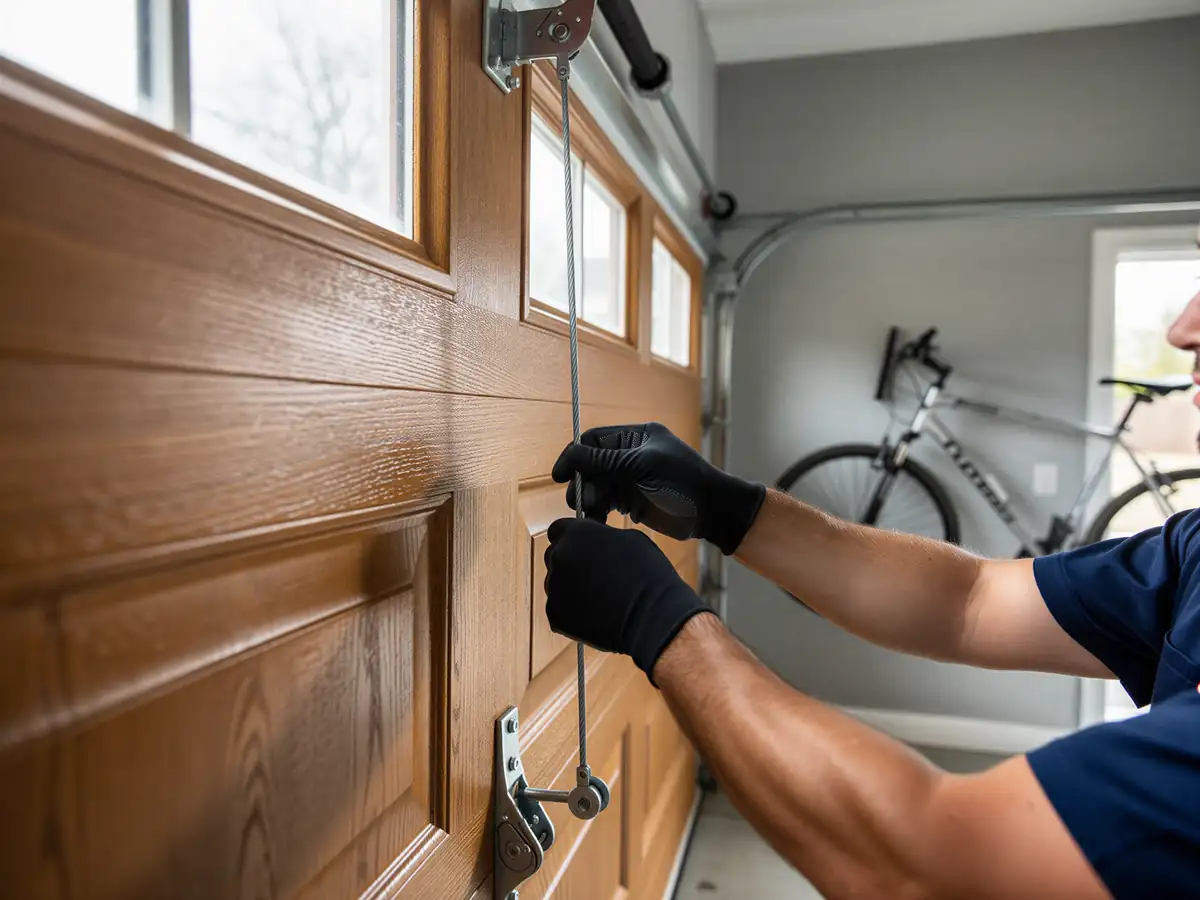
Some of it, yes. Wiping down and lubricating rollers and hinges, checking for visible fraying on cables, and watching how the door balances when you disconnect the opener and lift it by hand - these are reasonable homeowner tasks on any door, including a 1955 one. What we don't recommend doing yourself here: touching extension springs under tension, or adjusting opener travel limits on a retrofitted unit without knowing what safety reversal hardware is actually behind it. On a door this old, components interact in ways that aren't obvious from the outside, and a spring or cable failure under load is the injury that sends people to urgent care. If something feels off during your own check - noise, drag, uneven movement - that's the call to make, not the repair to attempt.
Stocked Parts
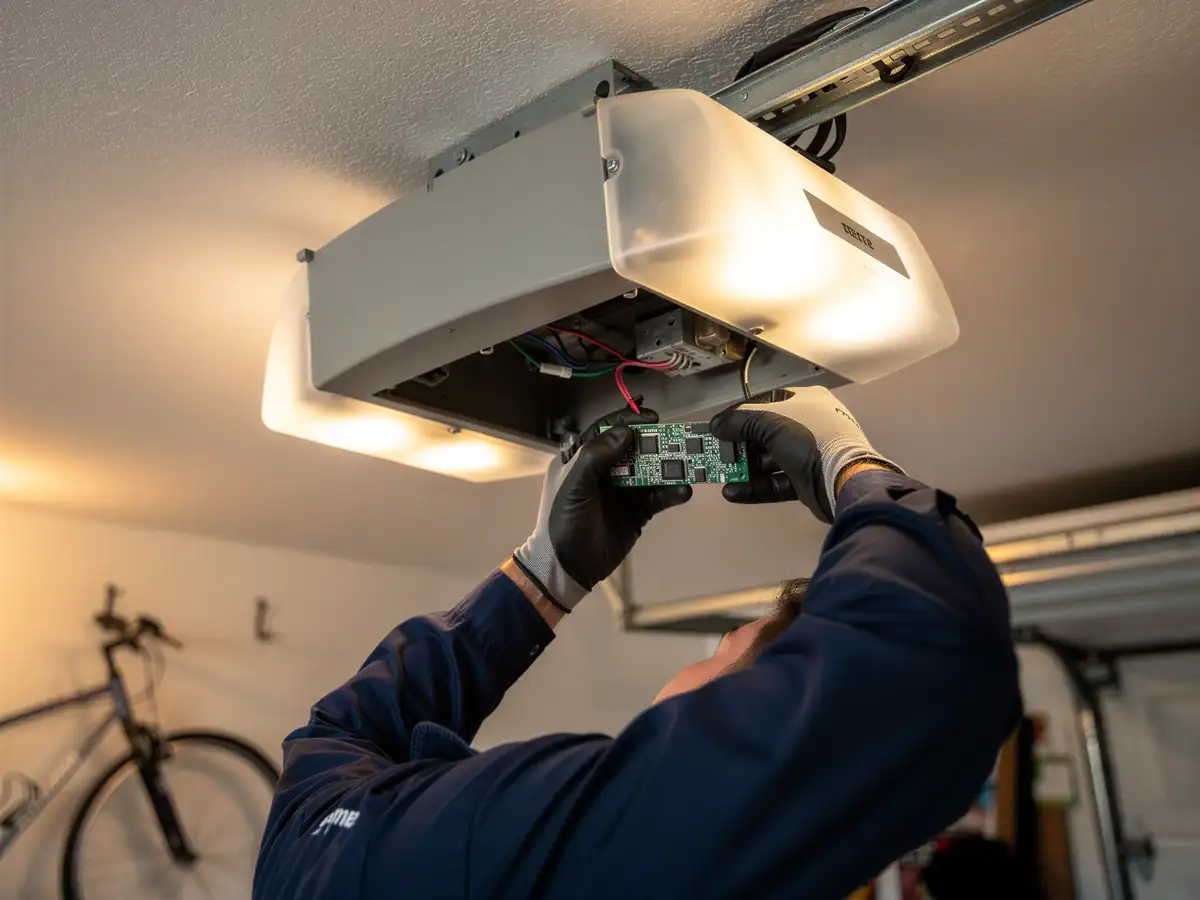
Our truck stock is built around the 1980s-90s hardware that makes up most of the wider service area, which means some parts for a 1955-era Cameron door aren't sitting on the shelf when we pull in. Extension spring sets, older roller brackets, and certain track hardware from that period sometimes need to be special-ordered, and we'll say so up front rather than pretend otherwise - that's the honest limitation of covering a town whose housing predates what we stock for daily. What we do carry standard: lubricant, common roller types, cable, and the sensors needed to bring an older opener up to current safety reversal behavior, which is often the single most worthwhile upgrade on a door this age.