The Complications
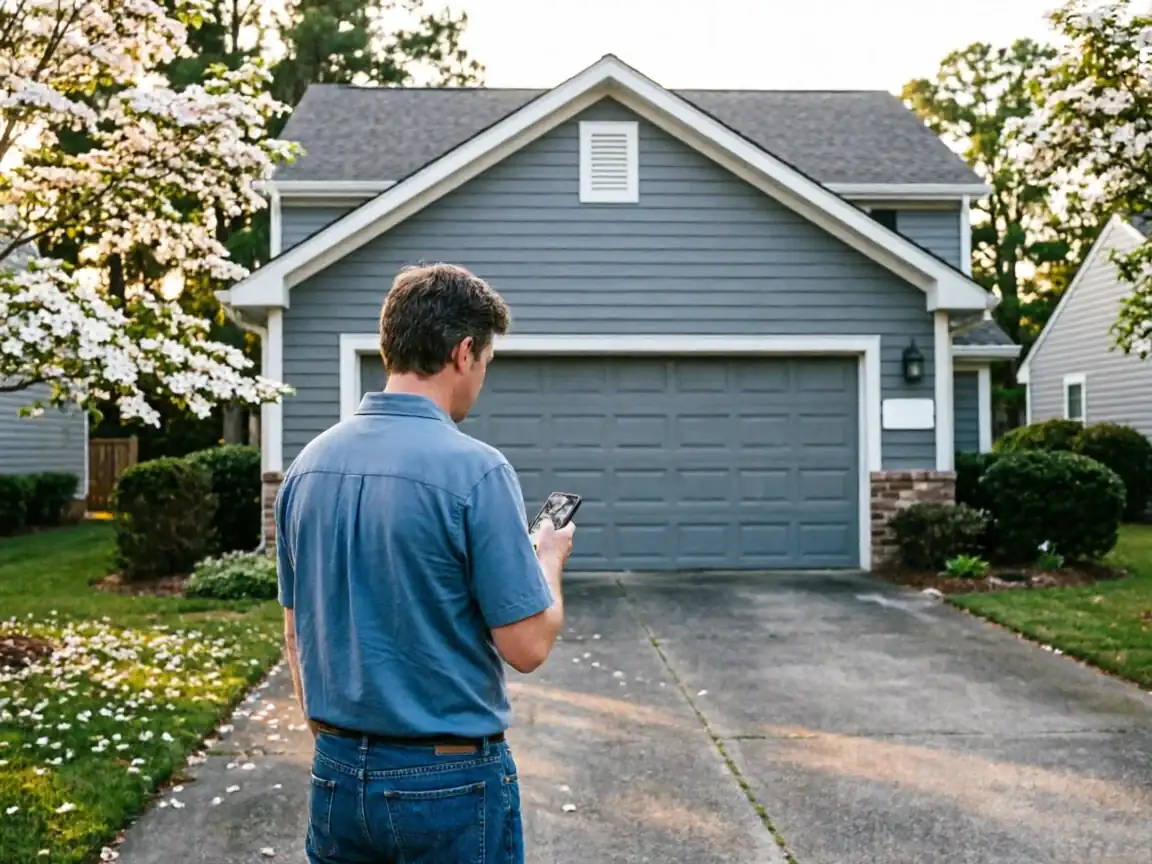
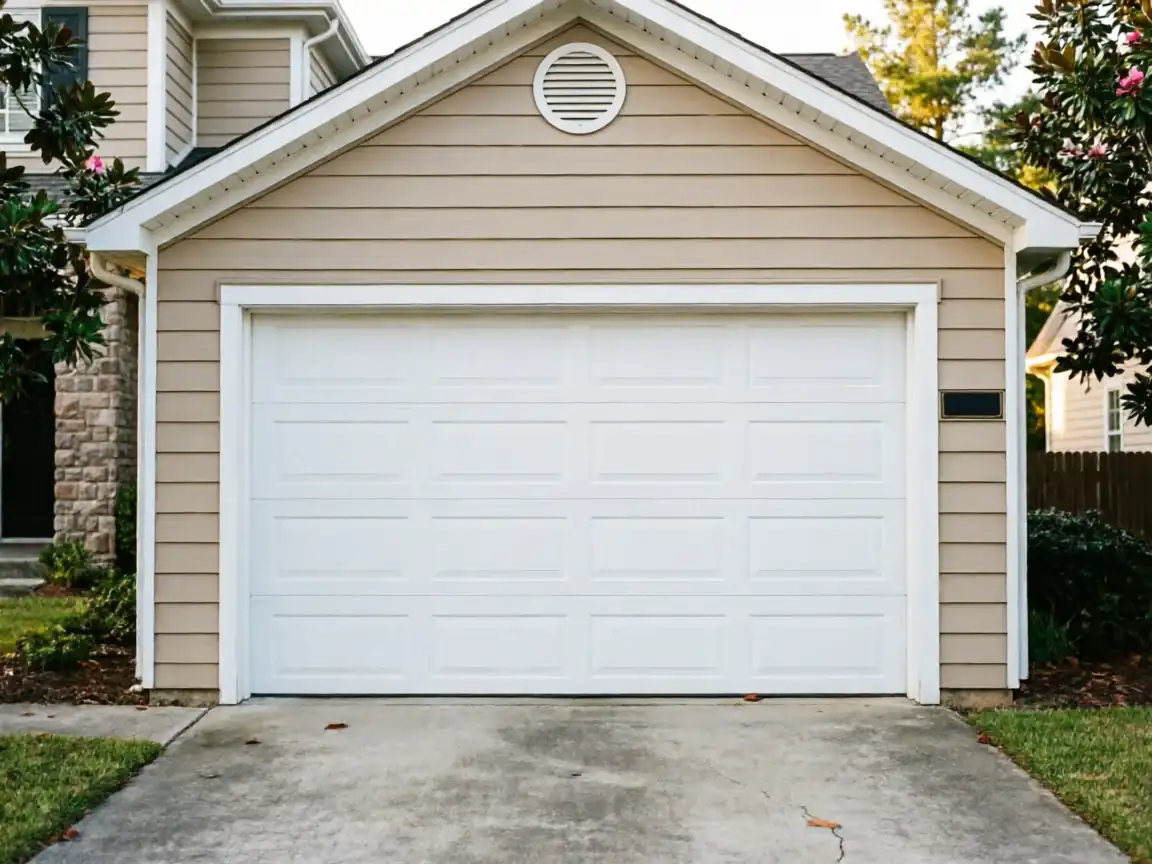
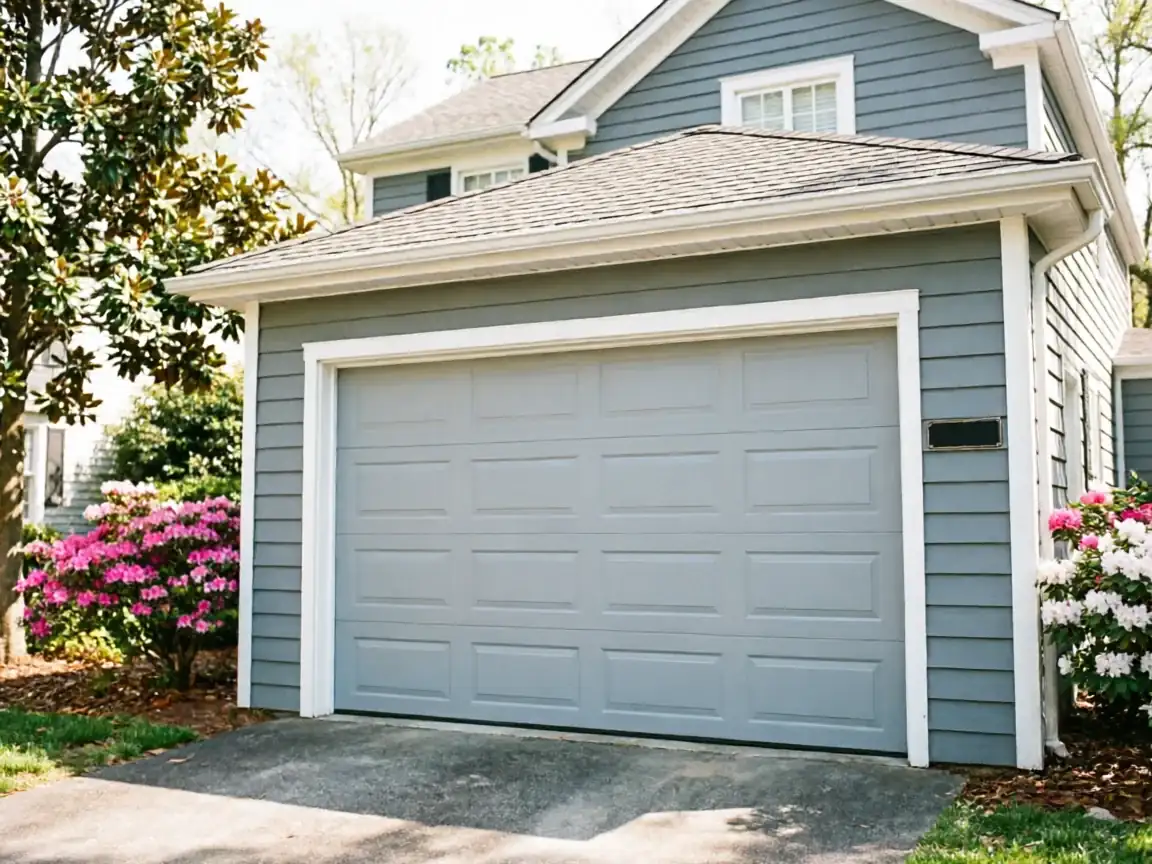
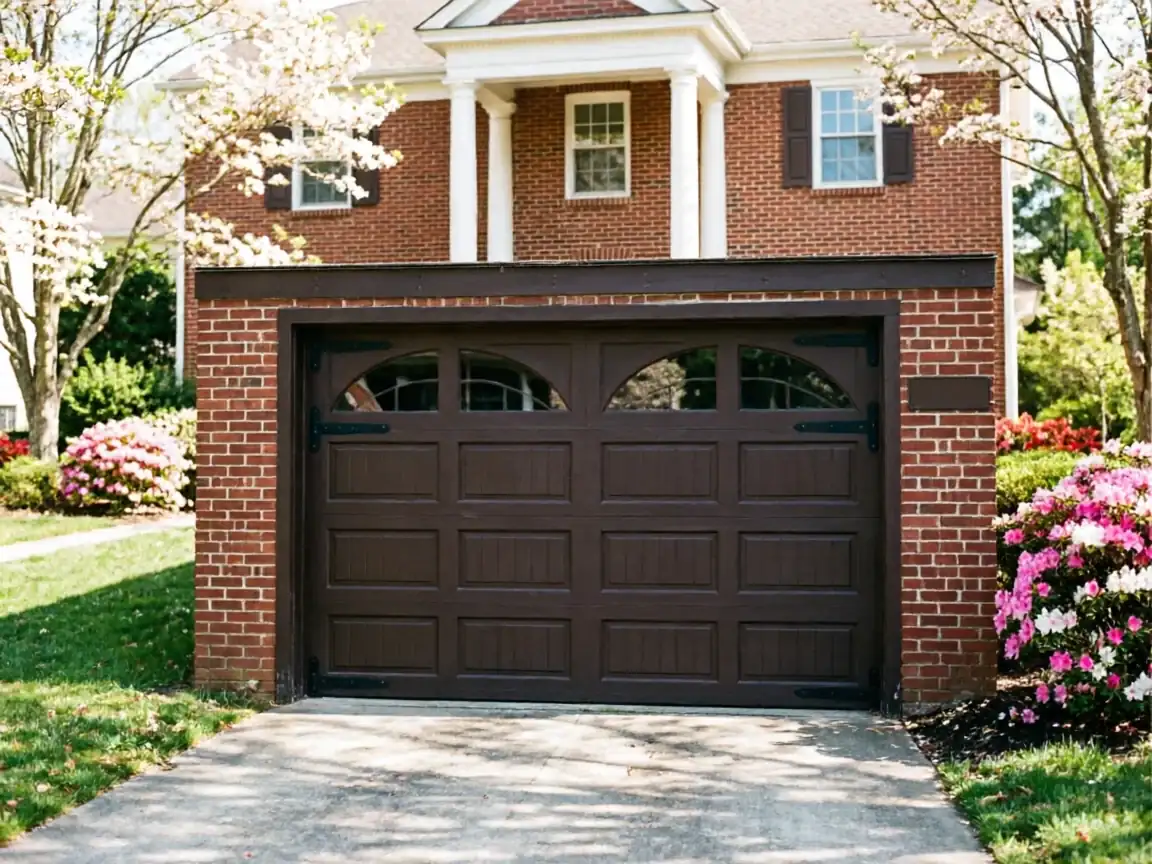
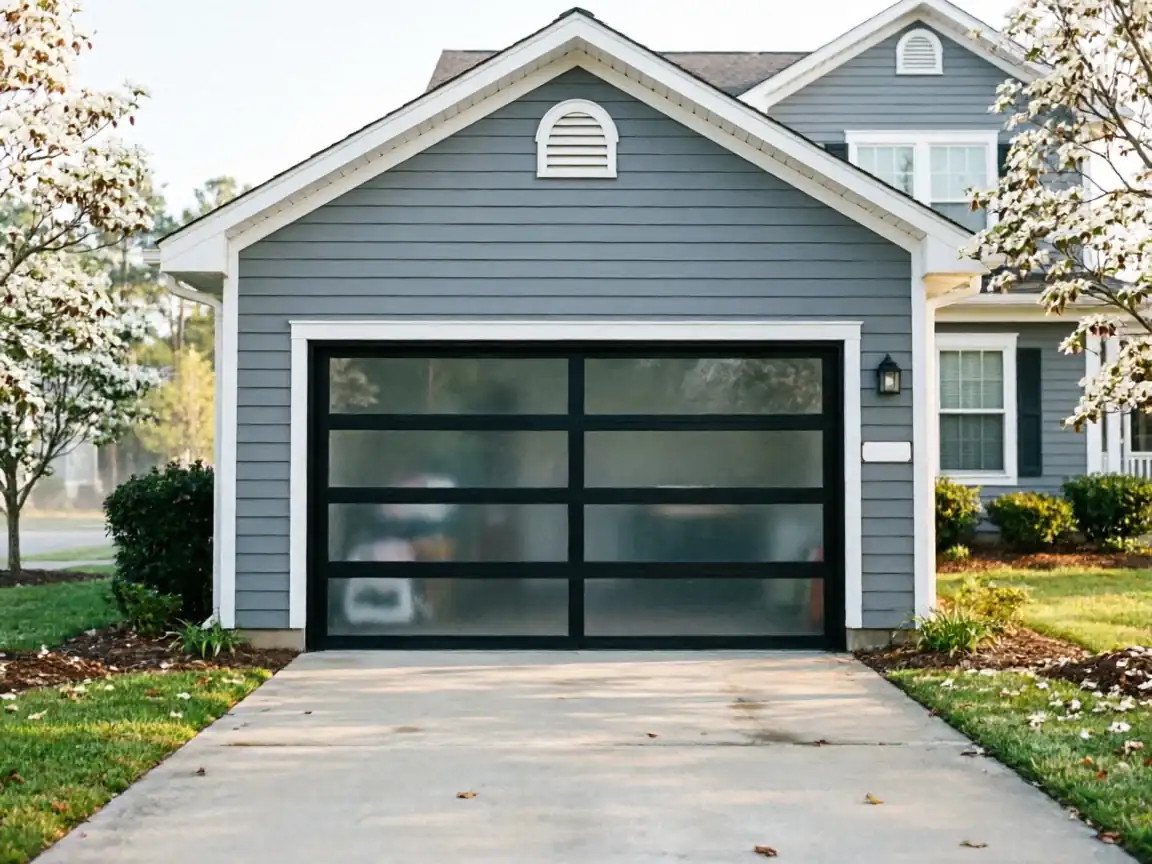
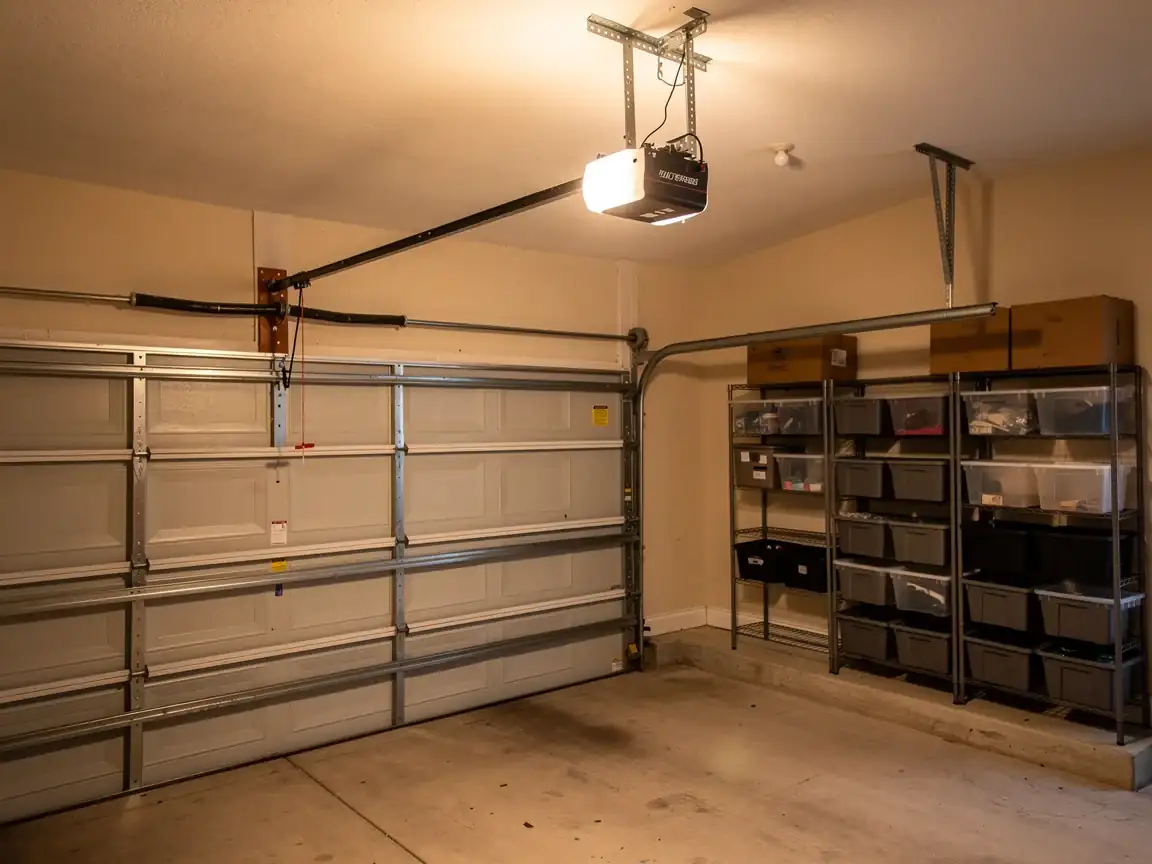
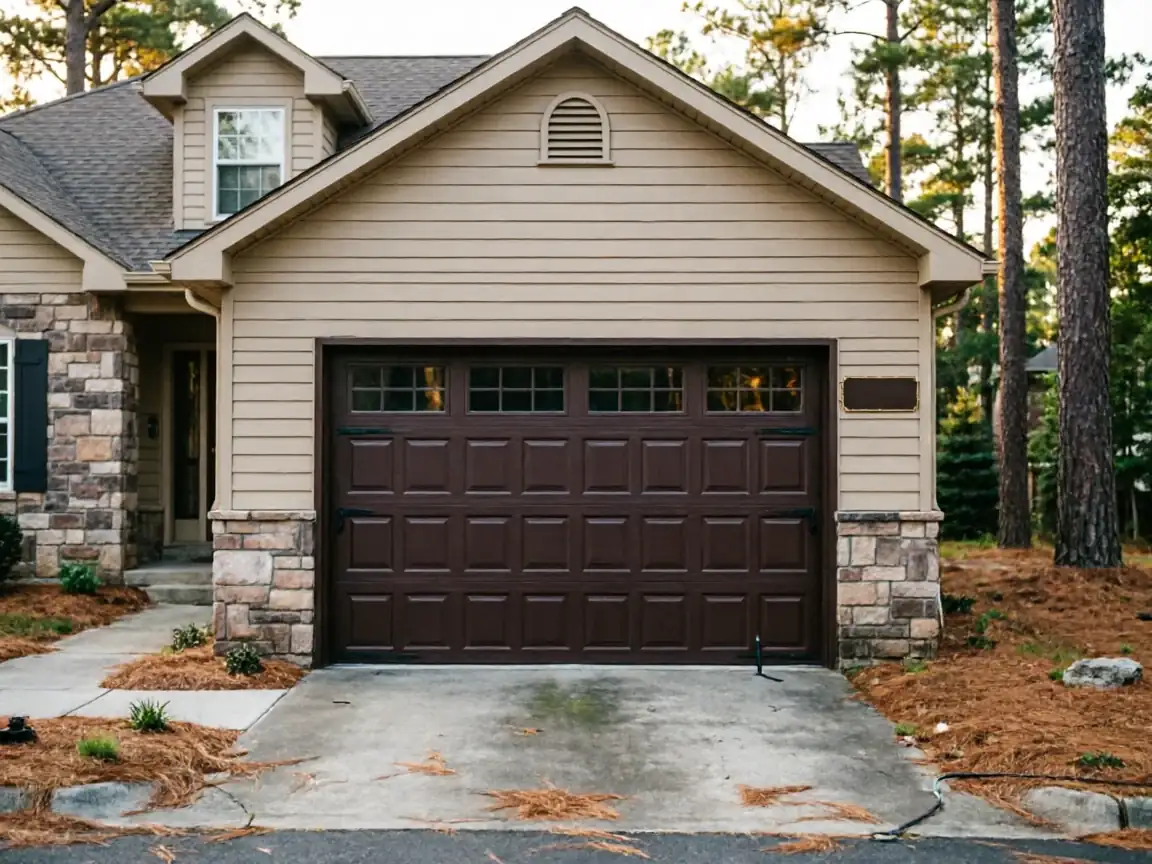
Most houses on this end of Vass went up around 1988. That's the number that matters more than anything else on this page, because it tells you what's bolted to the ceiling of the garage right now. A lot of those openers have never been touched. Not serviced, not upgraded, not even had the chain tensioned - just run, year after year, until something finally lets go.
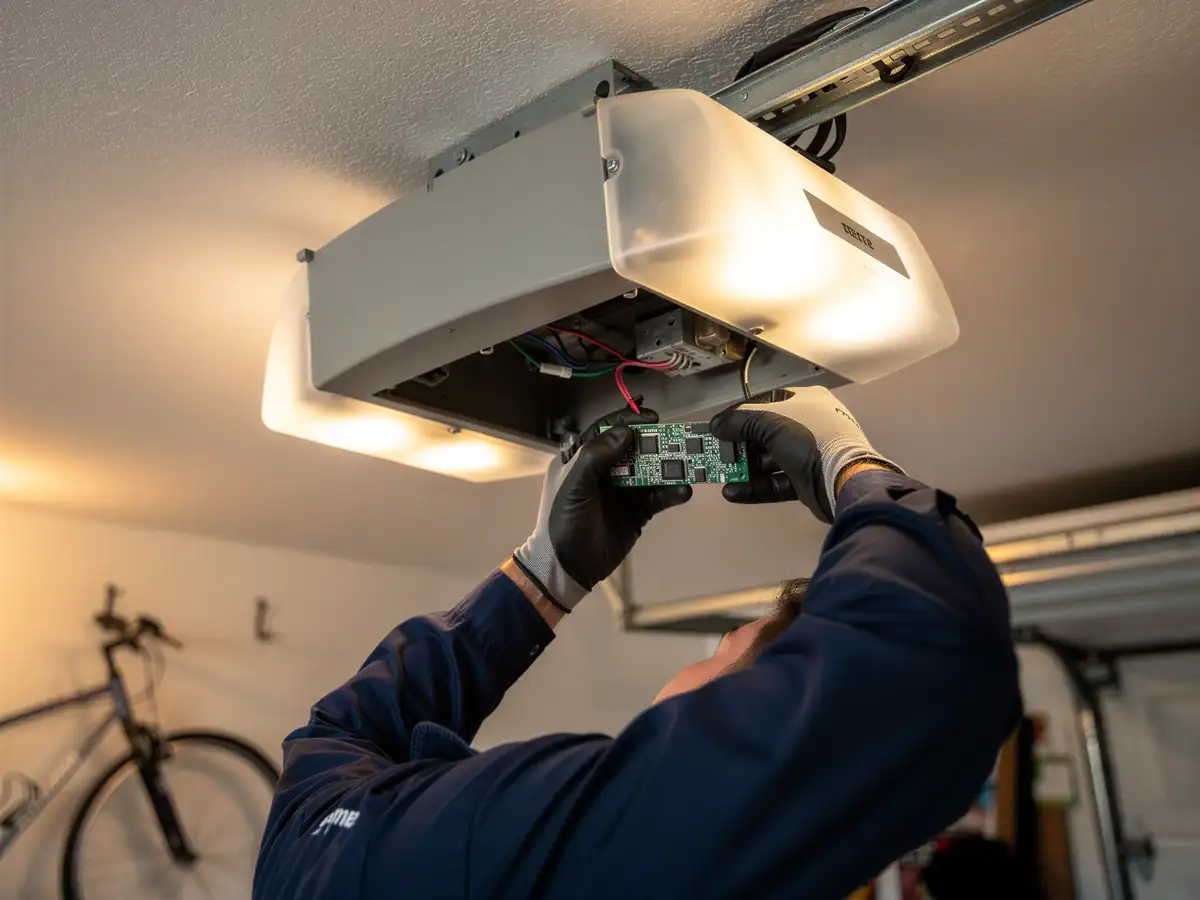
That matters because an opener from that build era is usually a chain-drive unit on a steel rail, wired straight into a wall switch with no keypad, no camera, no app. The logic board inside is simple by today's standards, which is good news and bad news. Good, because there's less to fail. Bad, because when the board does fail, you can't just order a replacement board - the whole head unit is usually out of production, and the fix is a new opener rather than a part swap.
We see this pattern across the wider Sanford area too, where housing runs 1955 to 1999 with a median around 1983, but Vass sits a few years newer than that overall median. A few years doesn't sound like much. On an opener, it's often the difference between a board repair and a full replacement.
Why It Happens Here
The service area carries a cold-moderate climate - not brutal, but enough freeze-thaw cycling each winter to work on metal fasteners, lubricant, and the rubber grommets that isolate an opener's motor mount from the ceiling joist. Over three and a half decades, that cycling loosens mounting bolts, dries out factory grease in the drive gear, and lets the travel limits drift out of adjustment.
In a house built around 1988, that's roughly 35 years of seasonal swing acting on a unit that was never designed to run that long without a gear or sprocket replacement. The symptom isn't always obvious wear - sometimes it's just a door that reverses for no reason, or an opener that runs louder every month until it's grinding.
Household income here runs lower than the area median - $56,042 against $62,428 across the broader service footprint - and that shows up in behavior more than in the hardware itself. Owners here tend to keep an opener running through two or three minor repairs before they'll pay for full replacement, which means by the time we get the call, the unit has usually been limping for a while.
Can You Do This Yourself
Some of this is fair game for a homeowner with a ladder and patience
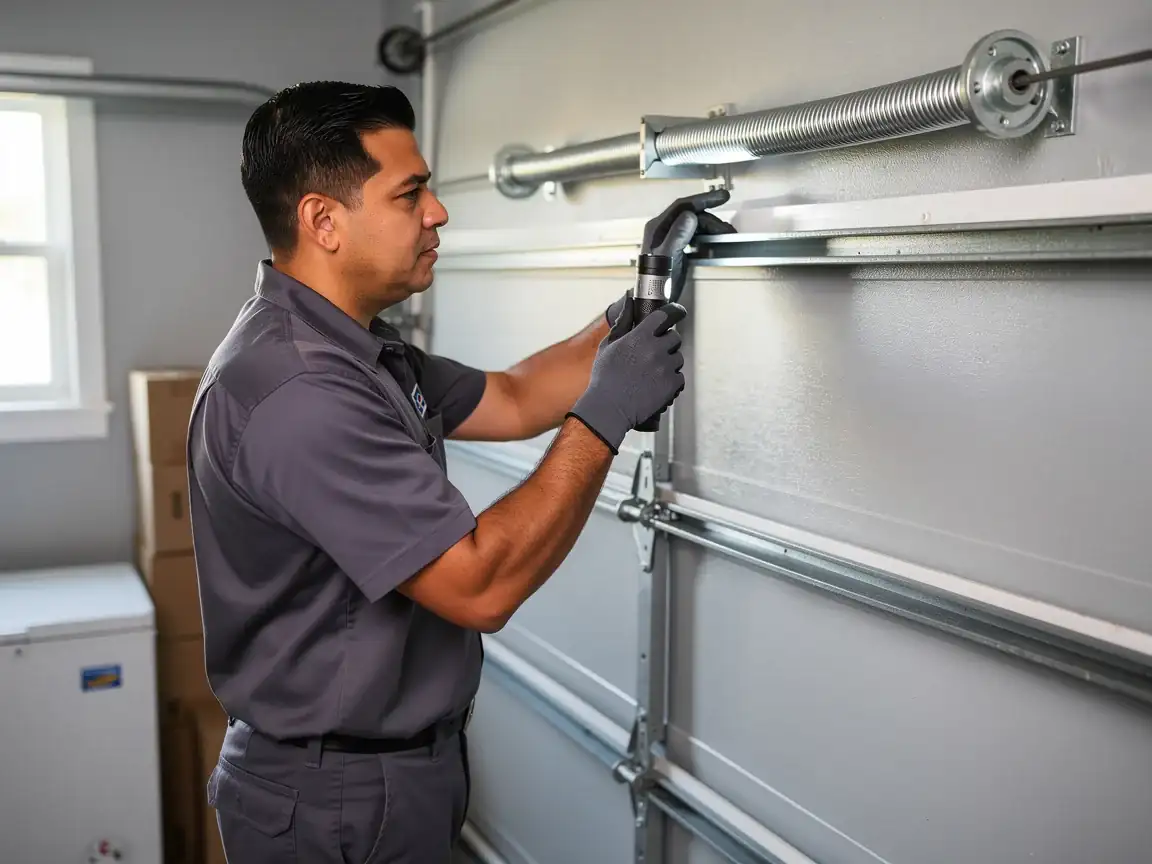
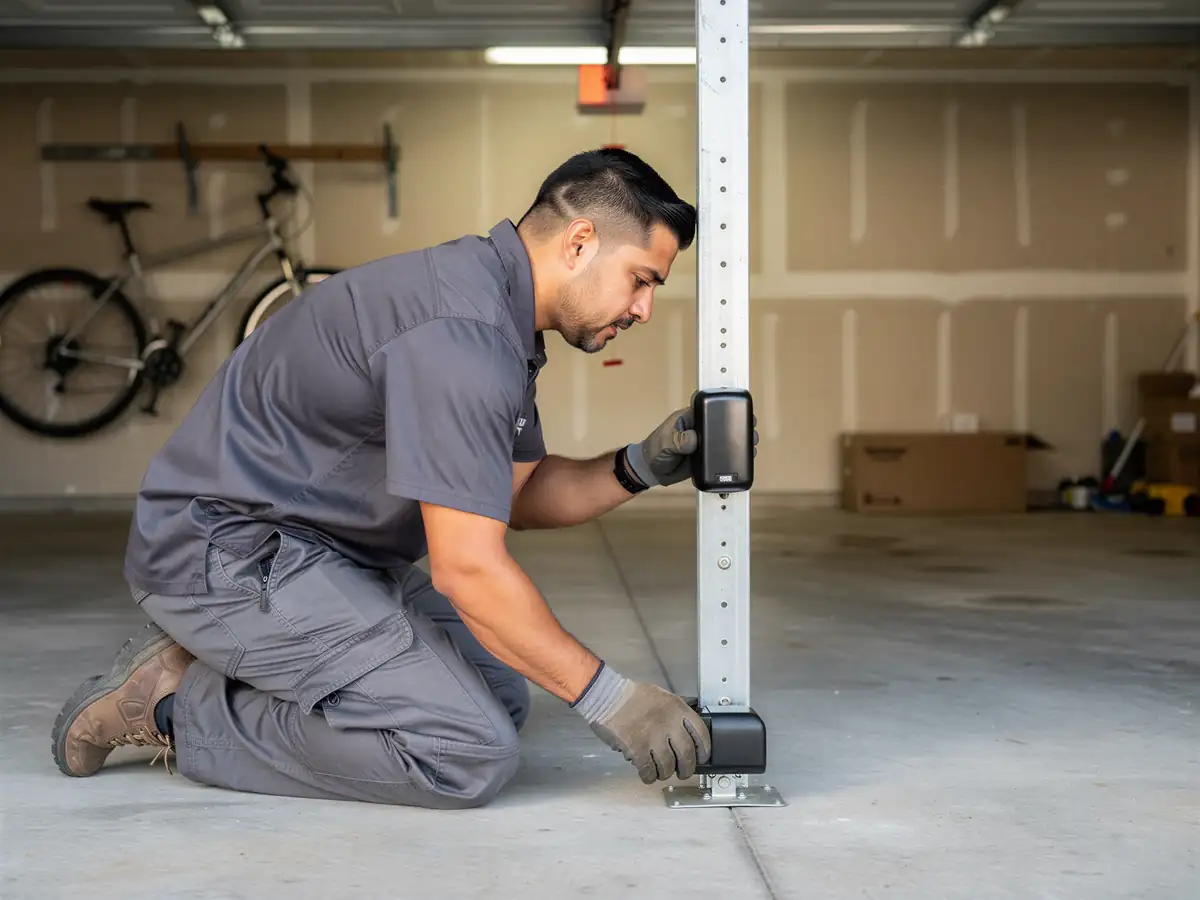
Cleaning the photo-eye sensors, checking that the travel limits aren't set too tight, lubricating the chain or belt with the right grease - none of that needs a truck.
What isn't a good DIY job is anything involving the opener's drive gear, the capacitor inside the motor housing
Or the logic board itself. On a unit this old, parts aren't sold separately the way they are on a current model, and taking the head unit apart to diagnose a board fault usually tells you what you already suspected: it's done.
The other thing we'd flag honestly
If the opener is original to a 1988 build and it's failing for the second time in a few years, repair stops making financial sense. We'll tell you that straight rather than keep billing small fixes on a unit that's at the end of its service life.
The Symptom
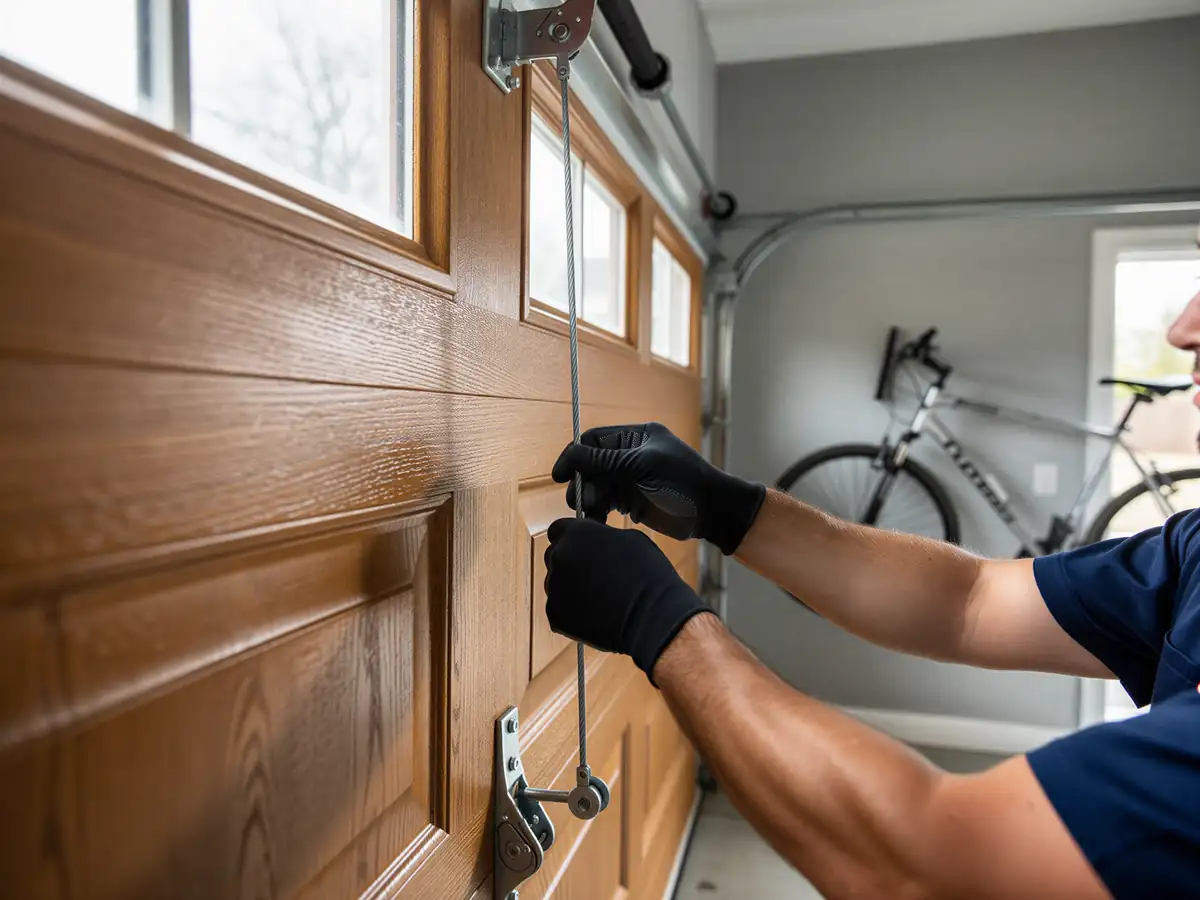
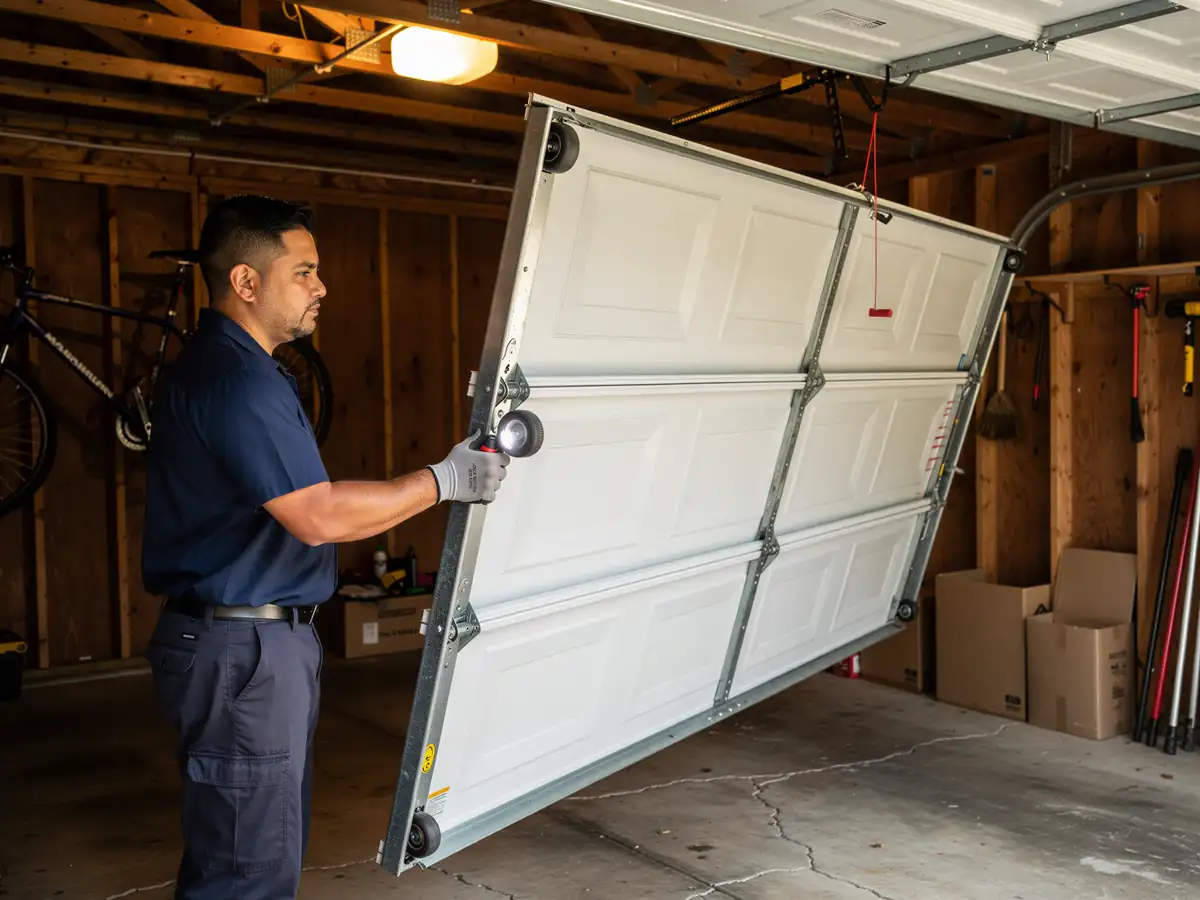
The calls we get from this stretch of Vass follow a pattern. The opener runs but the door won't fully close, stopping a few inches up and reversing - usually a sign the travel limits have drifted on a unit that's been adjusted and readjusted over decades rather than ever properly reset. Or the motor hums but nothing moves, which on an original chain-drive unit this age is often a stripped nylon gear inside the housing, a known failure point on units from that production era.
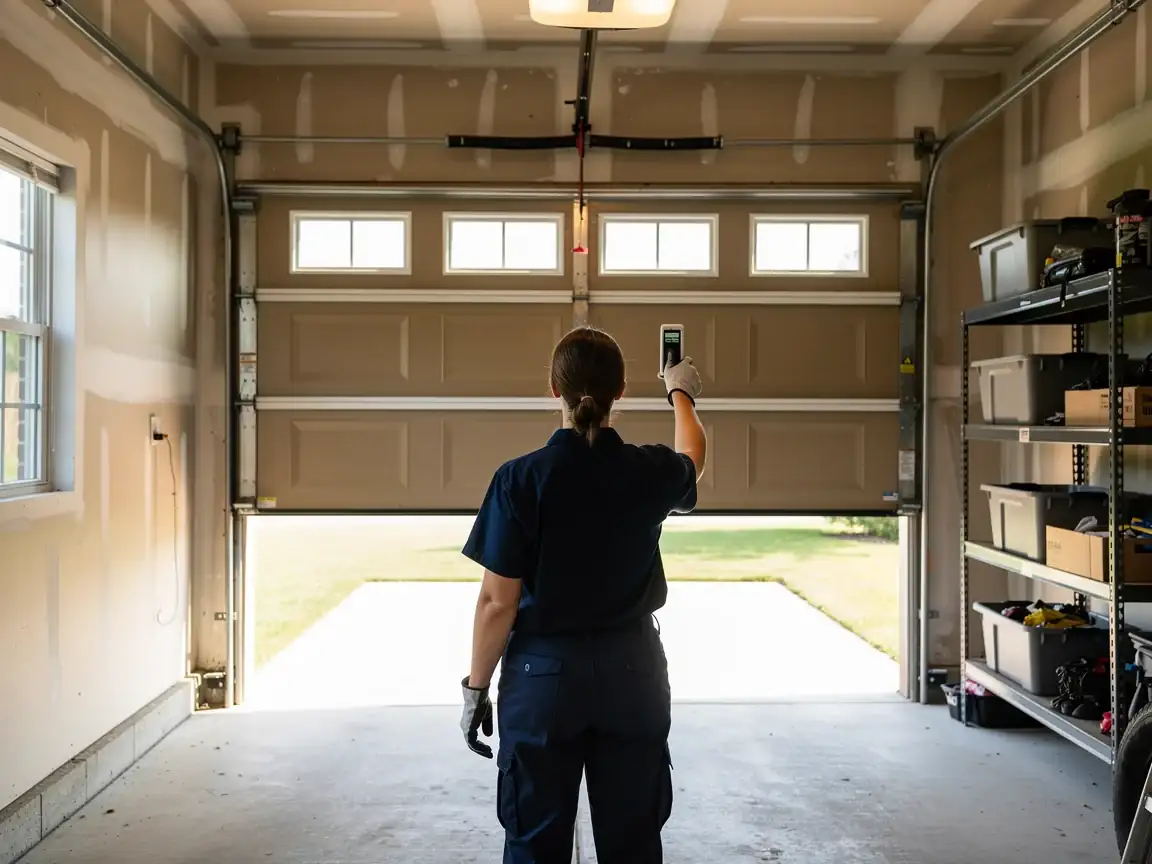
Sometimes it's simpler: the remote stops working first, then the wall switch starts needing two or three presses. That's a logic board losing its memory of paired devices, one of the earliest signs the board itself is failing rather than just a battery or a remote needing replacement.
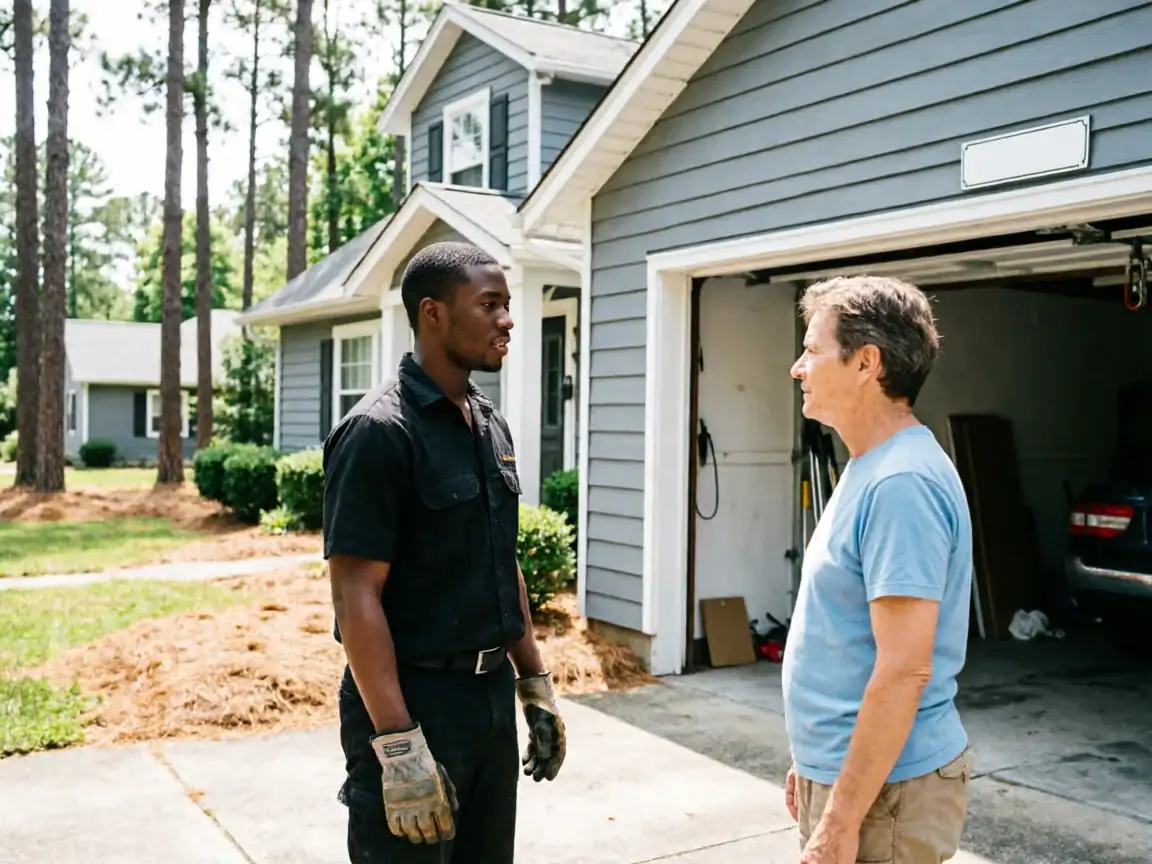
We don't guess over the phone. We look at the unit, check when it was likely installed against what we know of the housing stock out here, and tell you whether it's a part or a full swap.
Stocked Parts
We carry common opener parts on the truck - photo-eye sensor pairs, remotes, wall consoles, drive belts and chains for current production lines. What we don't carry is parts for a discontinued head unit from the late 1980s, because those parts simply aren't made anymore by the manufacturers that built them.
For a house in Vass where the opener is original to the 1988-era build, that usually means the job is a replacement unit rather than a repair, and we'll say so up front rather than order a part that doesn't exist. For houses where a prior owner already swapped the opener at some point - which happens, just not as often here as in the newer pockets of the service area - repair with in-stock parts is often still on the table.
Either way, we check before we quote. Guessing on parts availability on a 35-year-old unit wastes your time and ours.
How Long You Are Without the Door
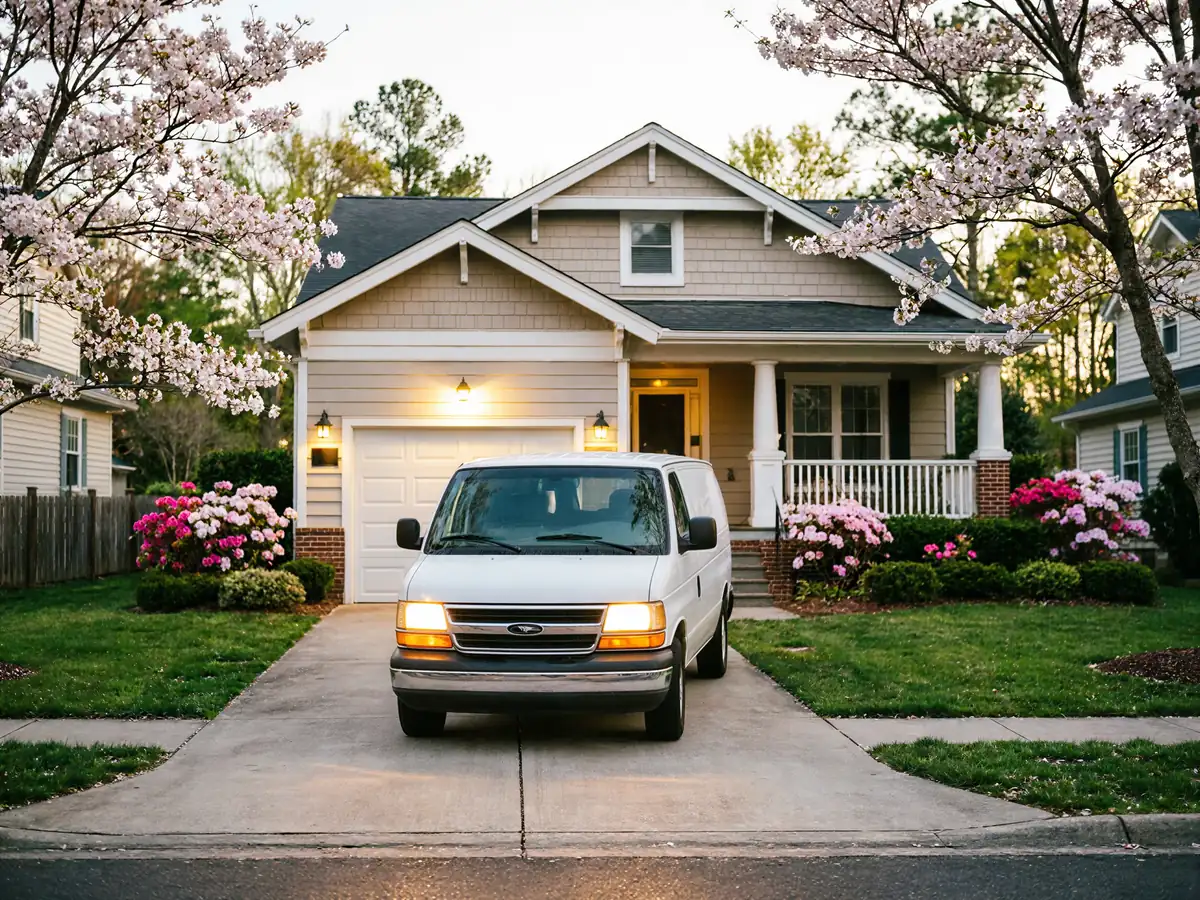
Vass sits about 18 miles out from Sanford
And we don't keep a depot or stock out this way - every opener call starts with a drive from the shop. That doesn't change the repair itself, but it's worth knowing going in: there's no quick second trip if we show up and find the job needs a part we didn't bring.
- 18 miles
For a straightforward board or sensor swap
We try to carry what a house this age is likely to need based on what we already know about the opener stock out here. For a full replacement, the truck carries current units, so most jobs close out in one visit.
The one thing that stretches a job out is a genuinely unusual failure
A motor housing cracked from age, or wiring that was patched by hand years ago. Those we diagnose on site and come back prepared for, rather than guess and waste a second trip on a 36-mile round drive.