The Complications
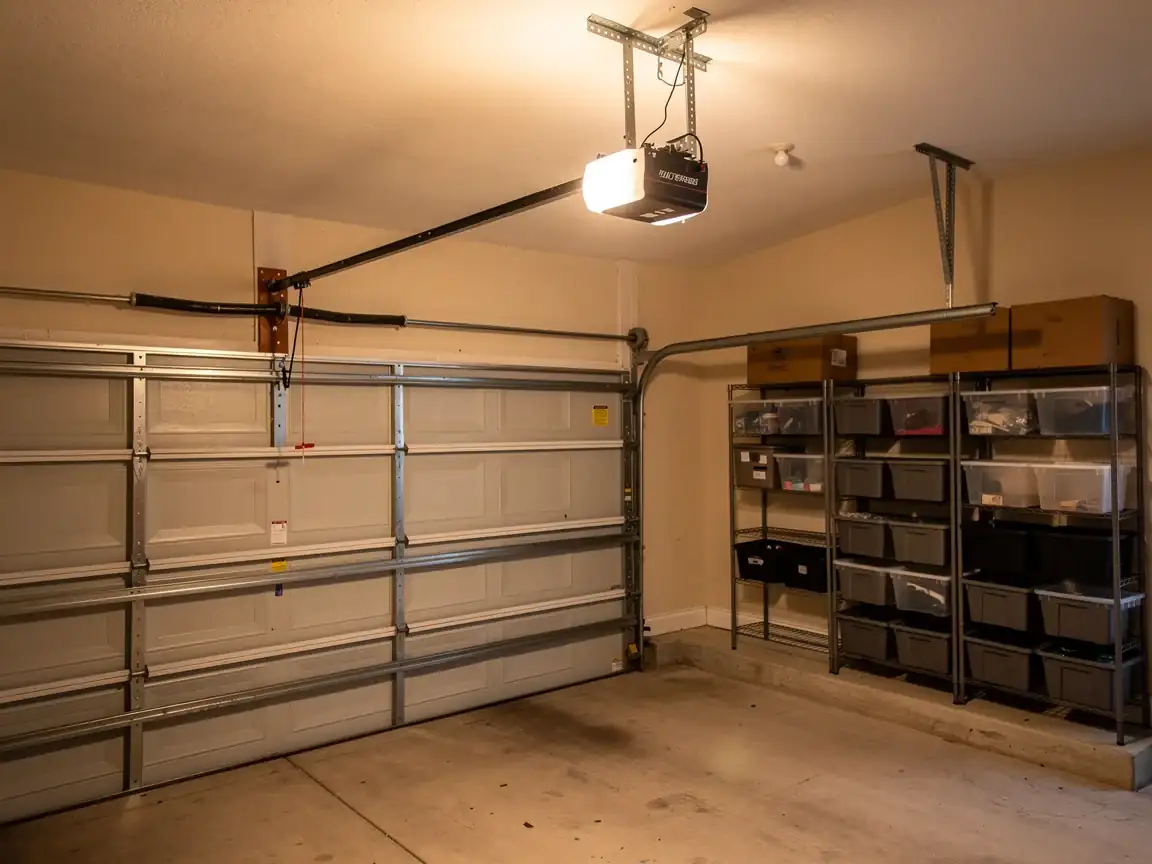
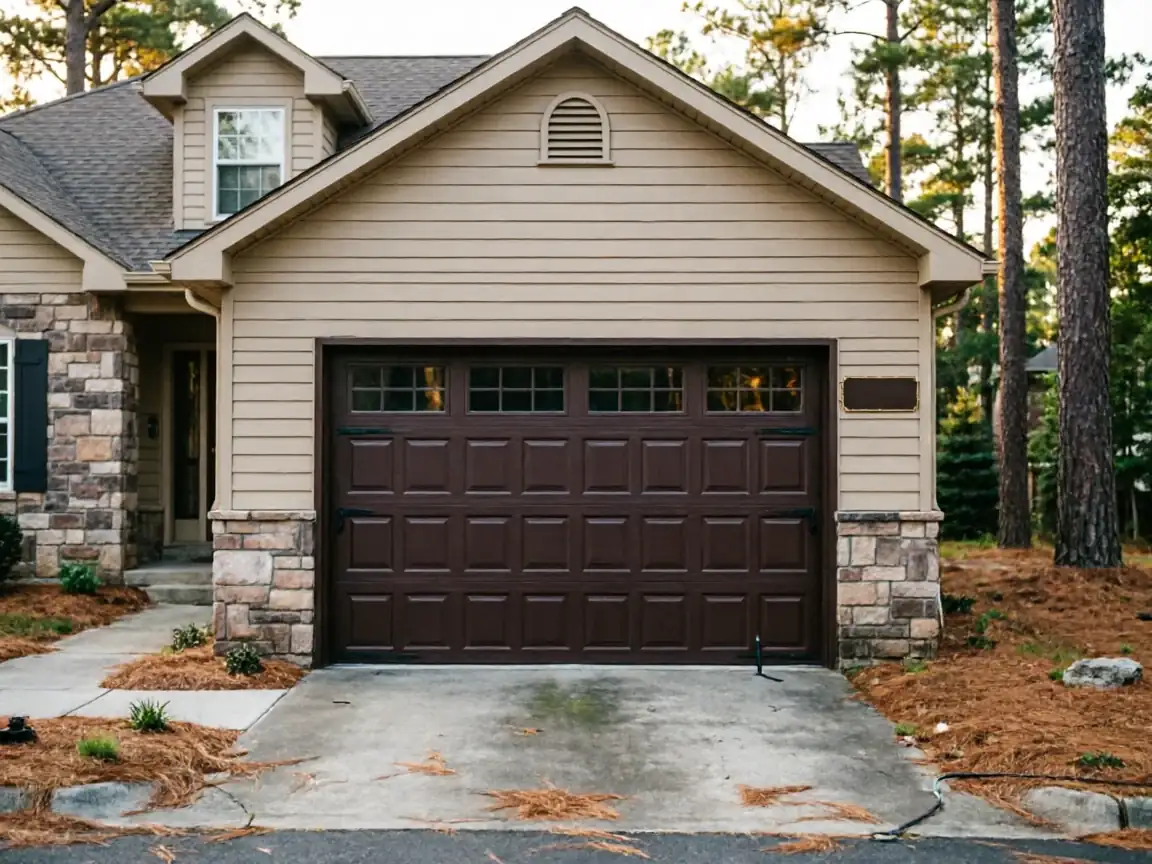
Sanford's housing stock spans 1955 through 1999, with the median landing around 1983. Vass sits a few years past that, with a median build year closer to 1988. That gap matters more than it sounds like it should. A door and opener installed in 1983 and one installed in 1988 often came off different production runs, with different spring wind standards and different drum sizes, even from the same era of builder. When a Vass homeowner calls after reading a general Sanford maintenance page, the tech shows up expecting late-70s-to-early-80s hardware and finds late-80s hardware instead - slightly different torsion bar diameter, different bracket spacing. It's a small thing until someone orders the wrong spring. We flag this because it's the first thing our guys check before they open the truck, not after they've already quoted the job over the phone.
Why It Happens Here
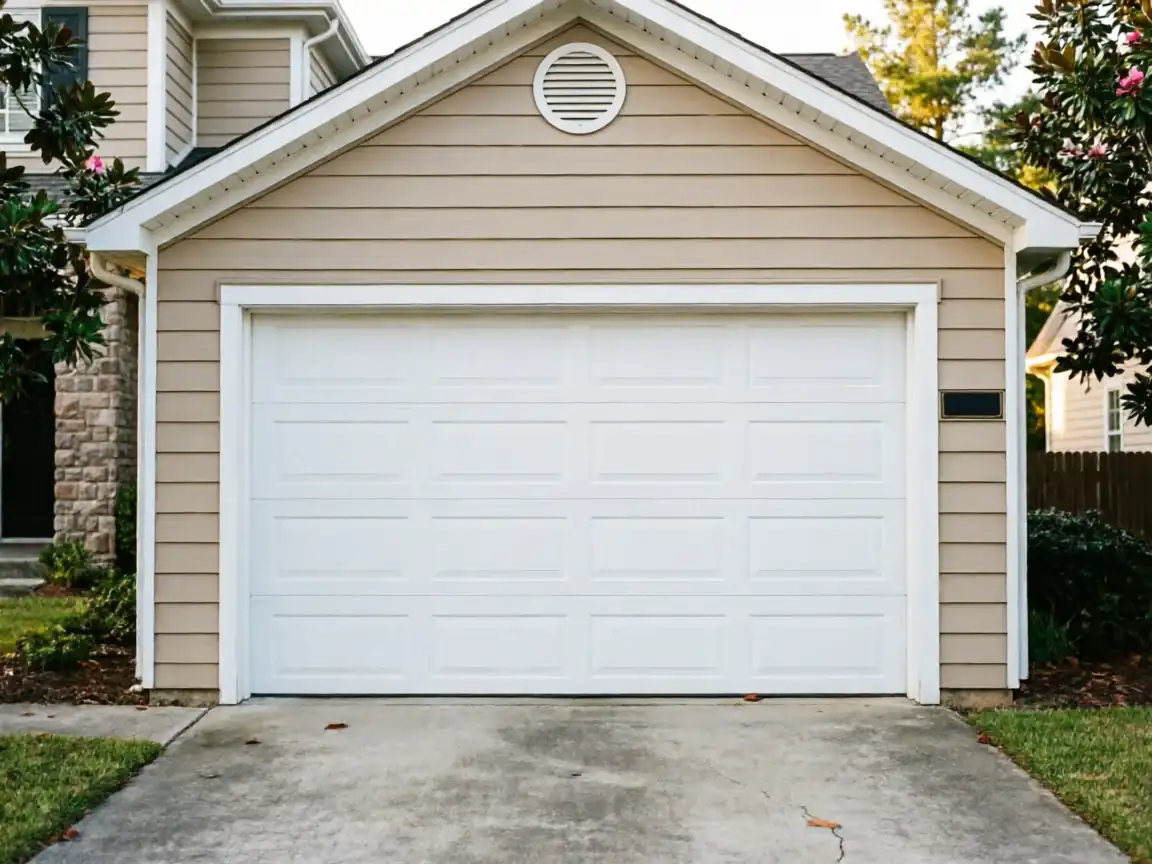
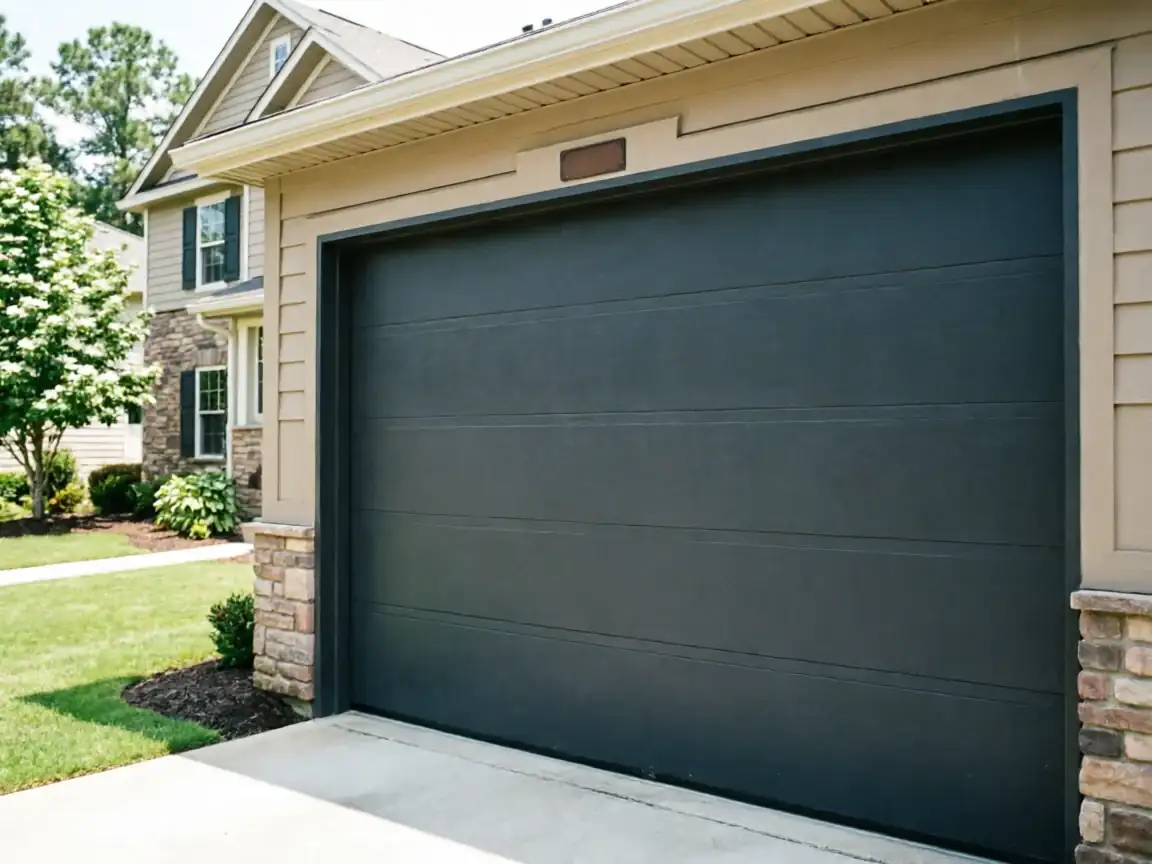
A home built in 1988 is old enough that its original opener, if it's still running, is on borrowed time, but not so old that the door itself is falling apart. That's the Vass pattern: openers from the chain-drive era, often the first or second replacement unit since the house was built, paired with doors that are structurally fine but have never had the hardware serviced. The owner-occupied share of the wider service area runs high, and most of these are long-tenure owners who maintain what they can see (paint, weatherstrip) and ignore what they can't (spring tension, roller wear). Add a cold-moderate climate - real winter cold snaps, not extreme but enough to stiffen grease and shrink metal tolerances - and you get the classic late-fall failure: a door that worked fine in October and won't lift cleanly by January.
The Symptom
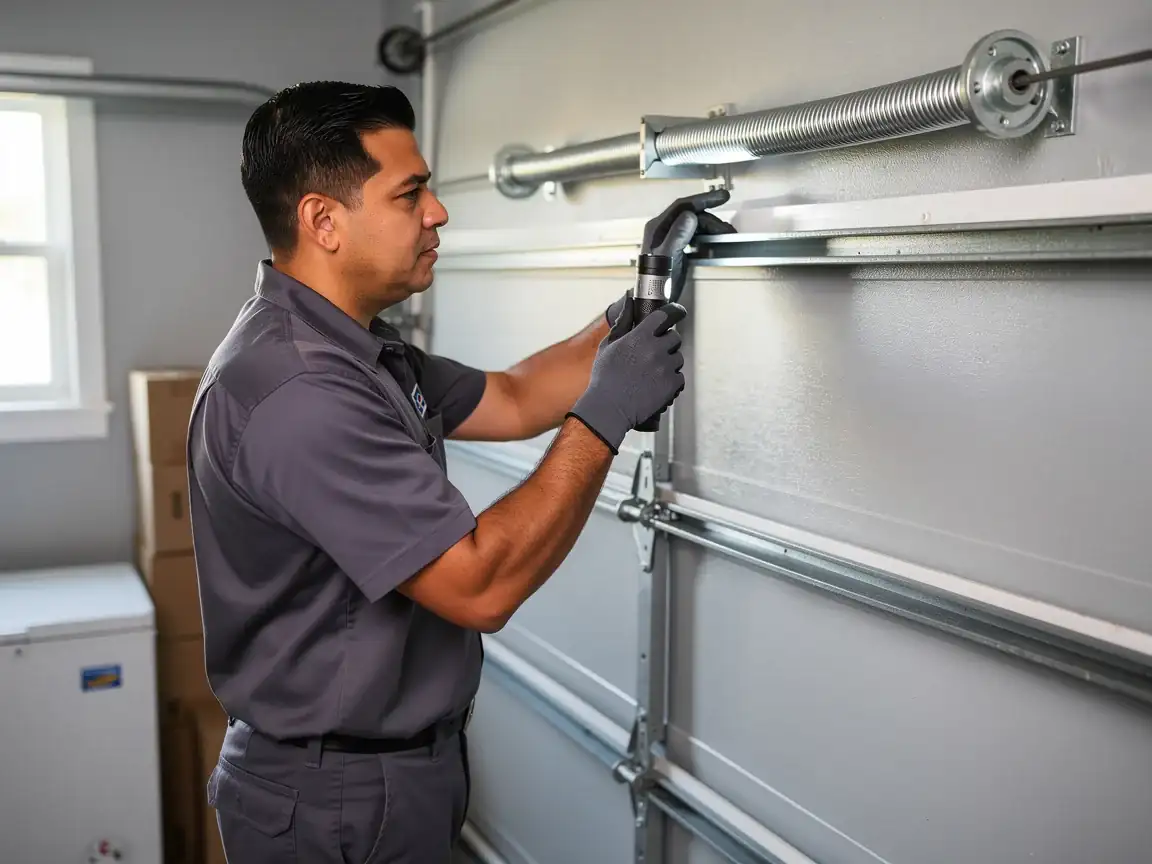
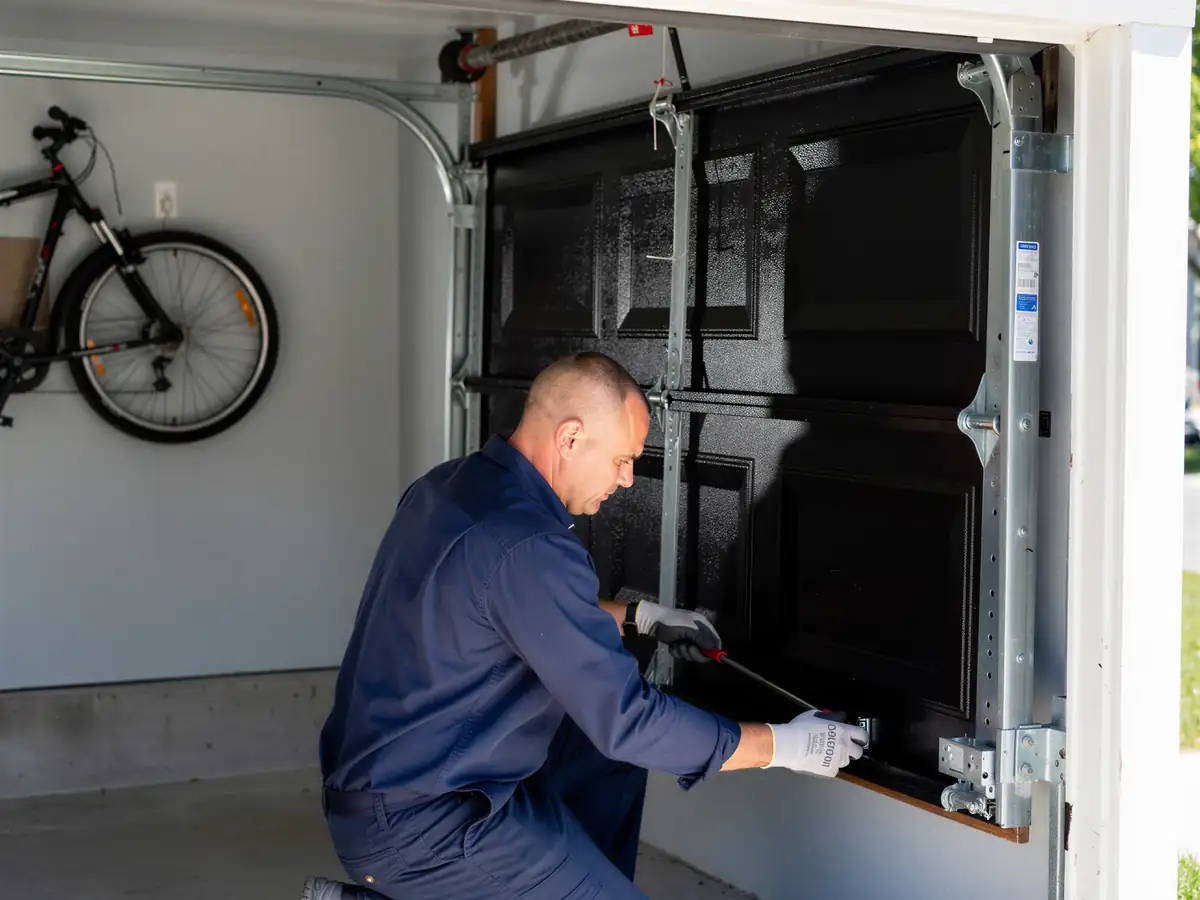
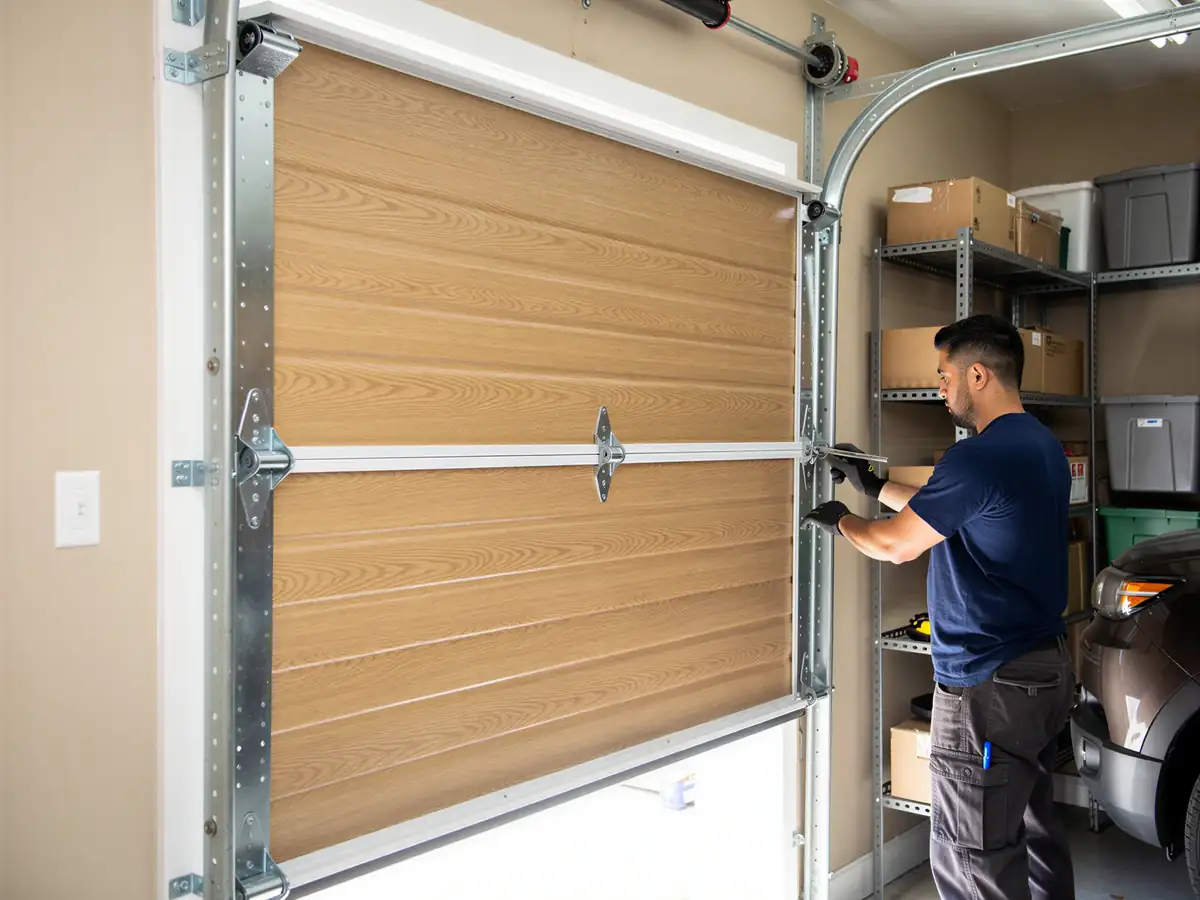
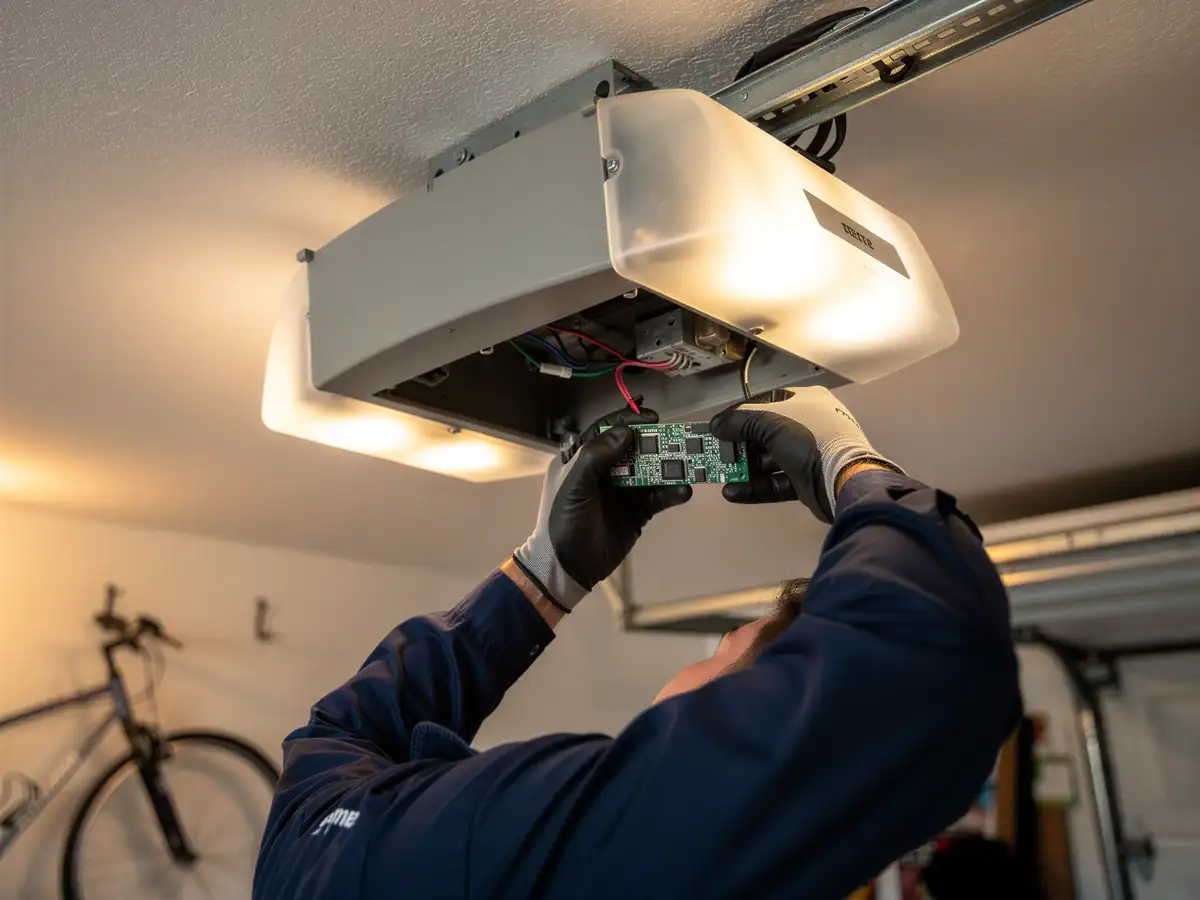
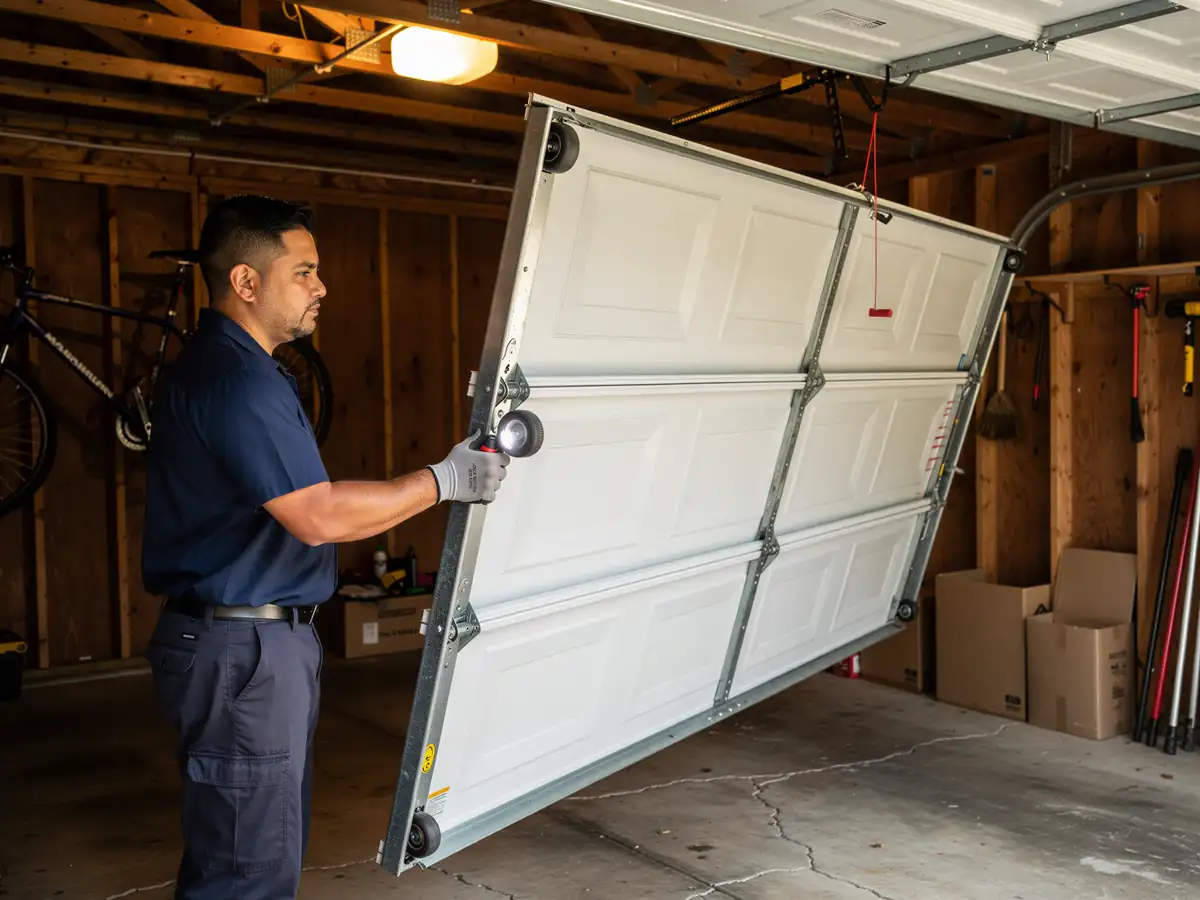
The complaint we hear most from this stretch is a door that reverses on its own partway down, or one that needs a hard shove to get moving in the morning. Both point to the same root cause on homes from this build era: the torsion spring has lost tension gradually over three and a half decades, and the opener's force setting was never adjusted to compensate. The opener thinks it's hitting an obstruction because the door has gotten heavier to lift than the motor was calibrated for. Owners often blame the opener and want it replaced, when the actual fix is spring tension and a force adjustment - a maintenance call, not a new unit.
Stocked Parts
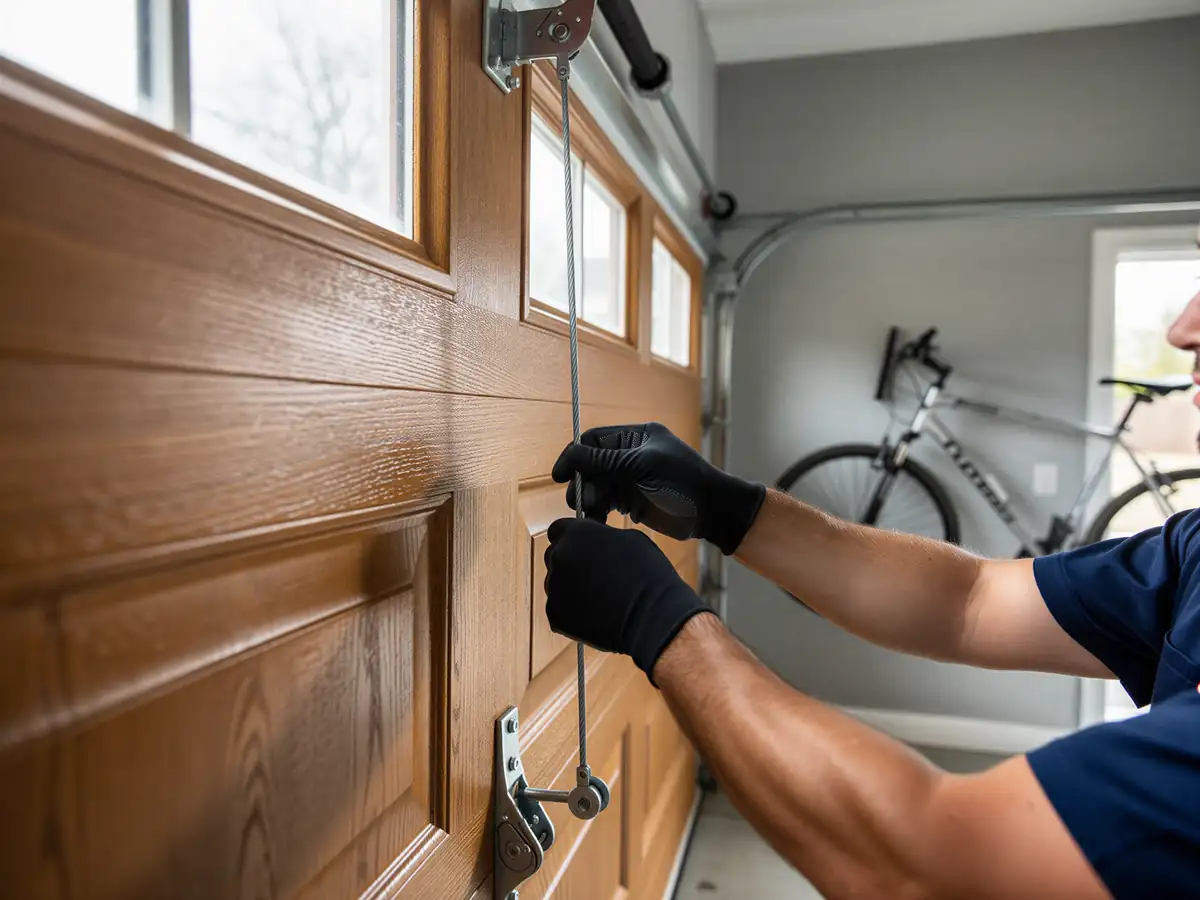
We carry torsion springs and cable sized for the drum styles common to the 1980s-90s builds that make up most of this area's housing. That covers the bulk of what fails here. What we don't carry on the truck is anything for a door with a wind rating or track configuration outside that standard range - those get ordered, and that's a lead time we're upfront about rather than guessing at a same-day fix that isn't realistic.