The Complications
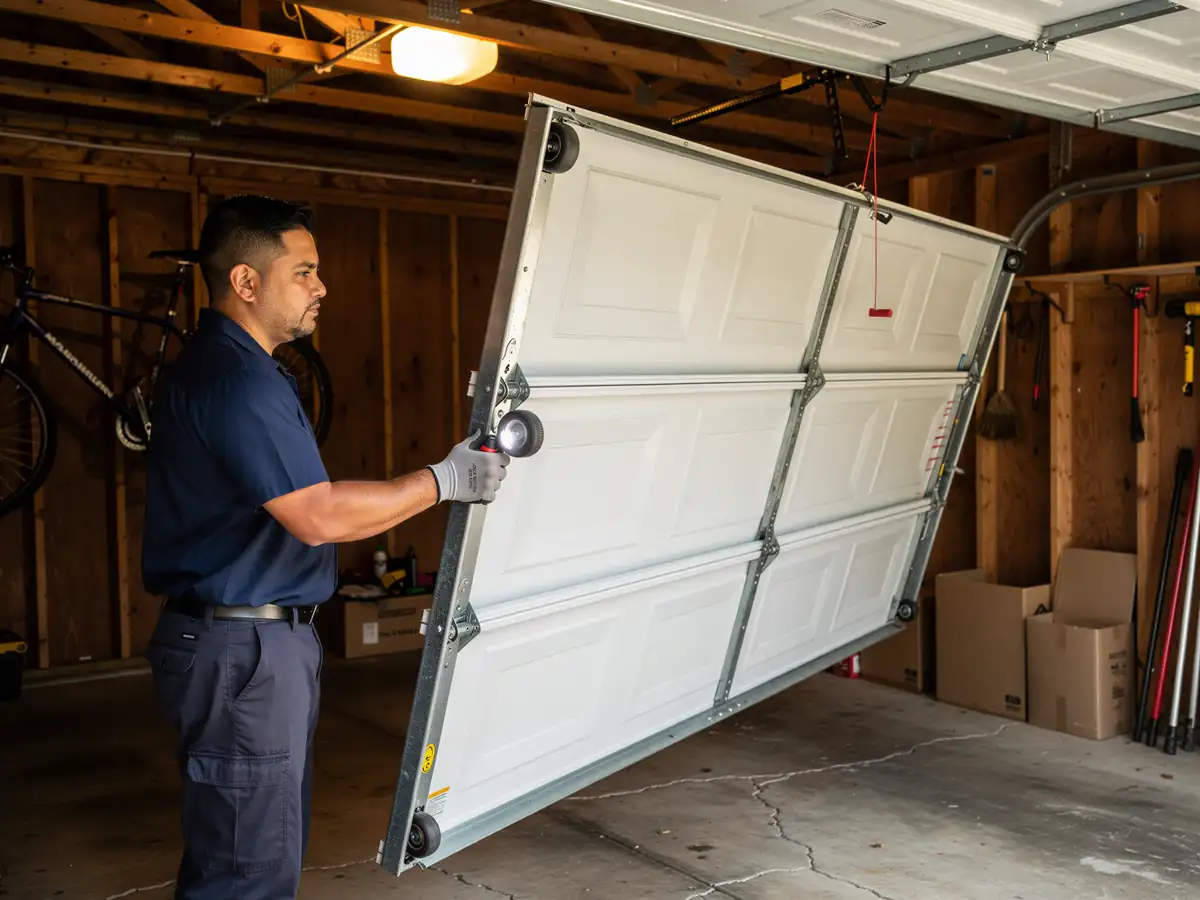
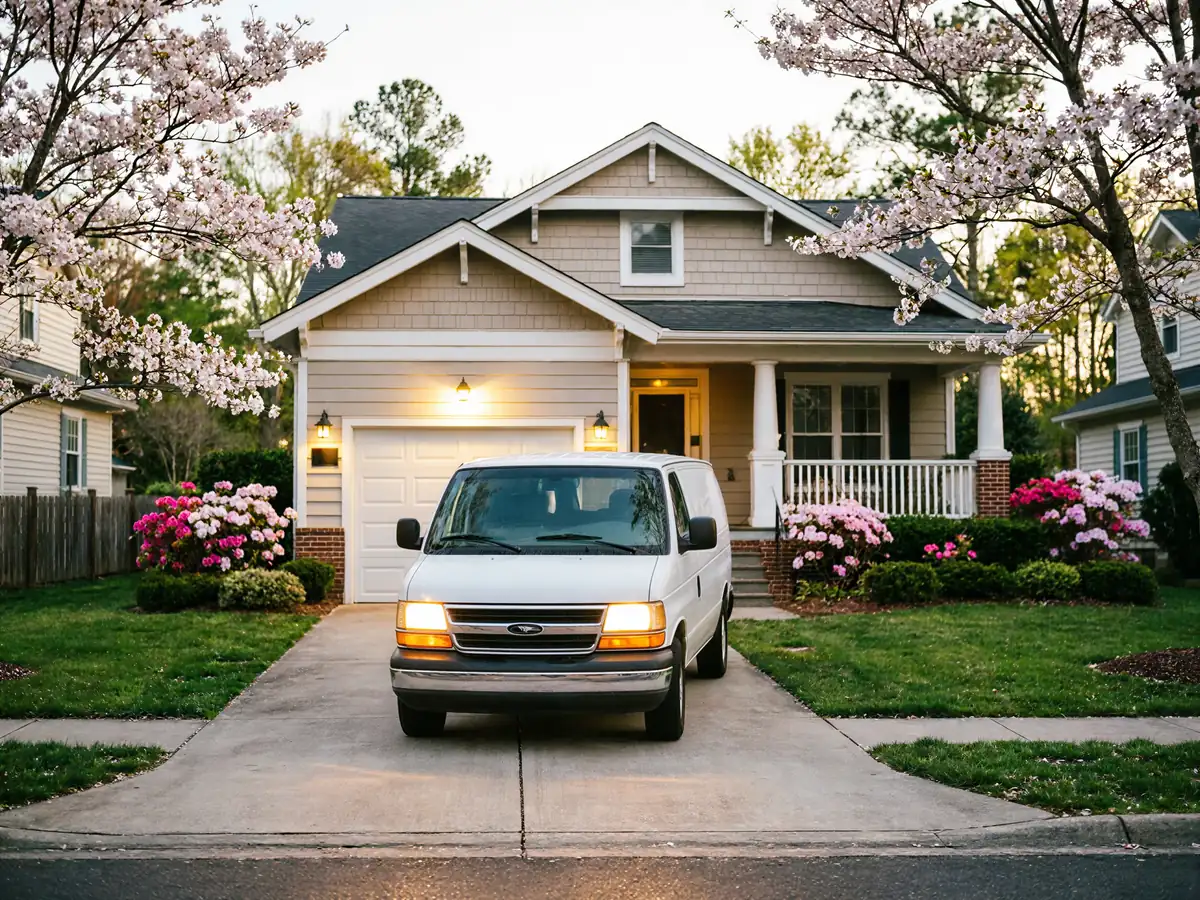
Vass sits 18 miles out from our Sanford shop, which changes how a new installation job actually runs here. We don't keep a second crew or a satellite stock of doors in Vass - every job starts with a truck loaded in Sanford and a drive out Highway routes that eat the better part of an hour round trip. That means we plan installs as full-day jobs, not quick in-and-out appointments, and we measure twice before we leave the shop because a missing bracket means another 18 miles each way. With only 426 households in Vass itself, we're not running crews through here daily the way we might in a denser part of the service area, so scheduling a few days out is normal, not a sign of a backed-up queue. None of that is a complaint - it's just the math of covering a town this size from a base this far away, and it's worth knowing before you call so the timeline makes sense.
Why It Happens Here
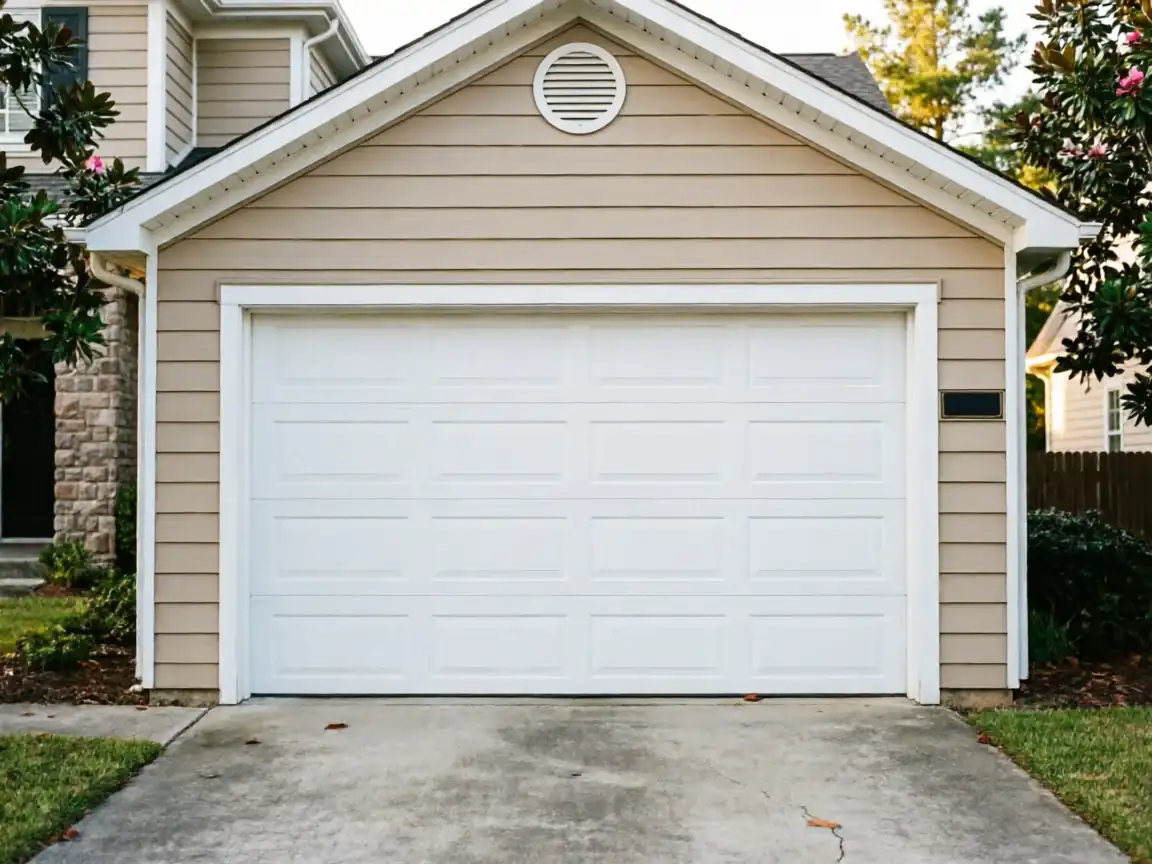
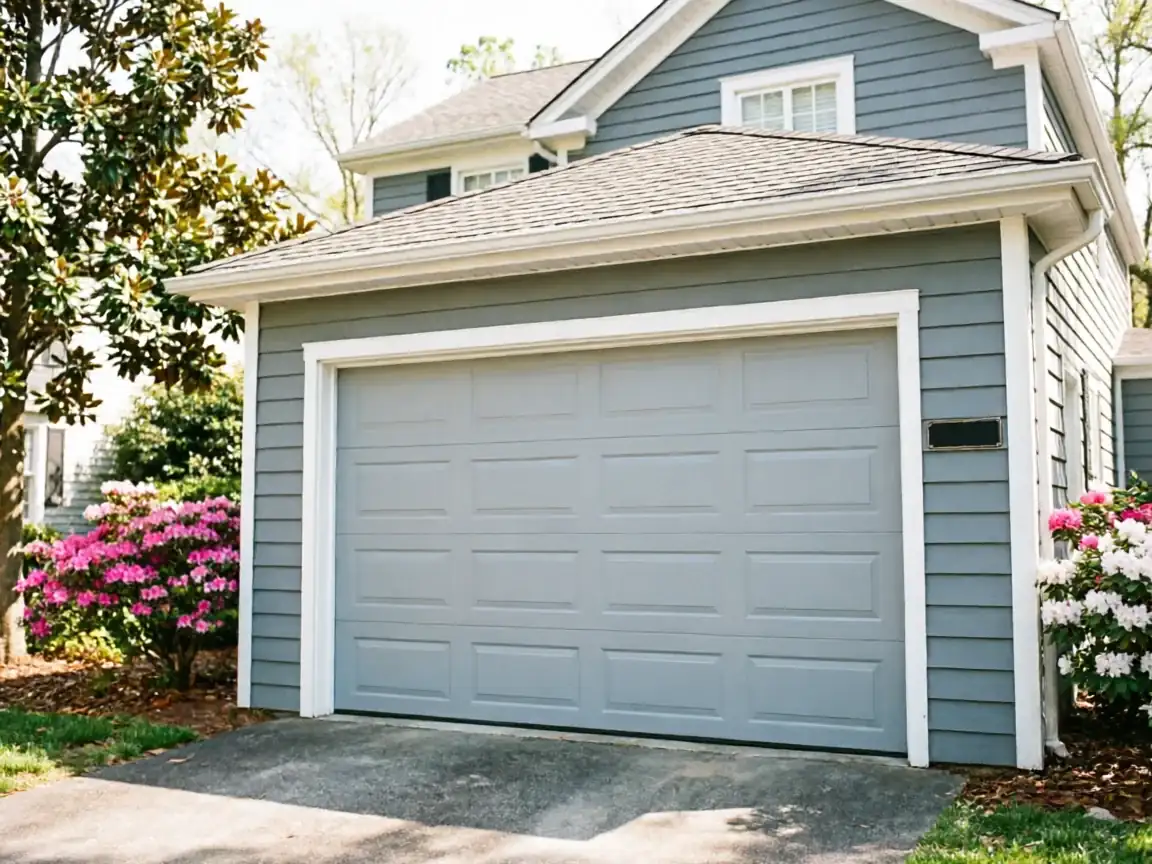
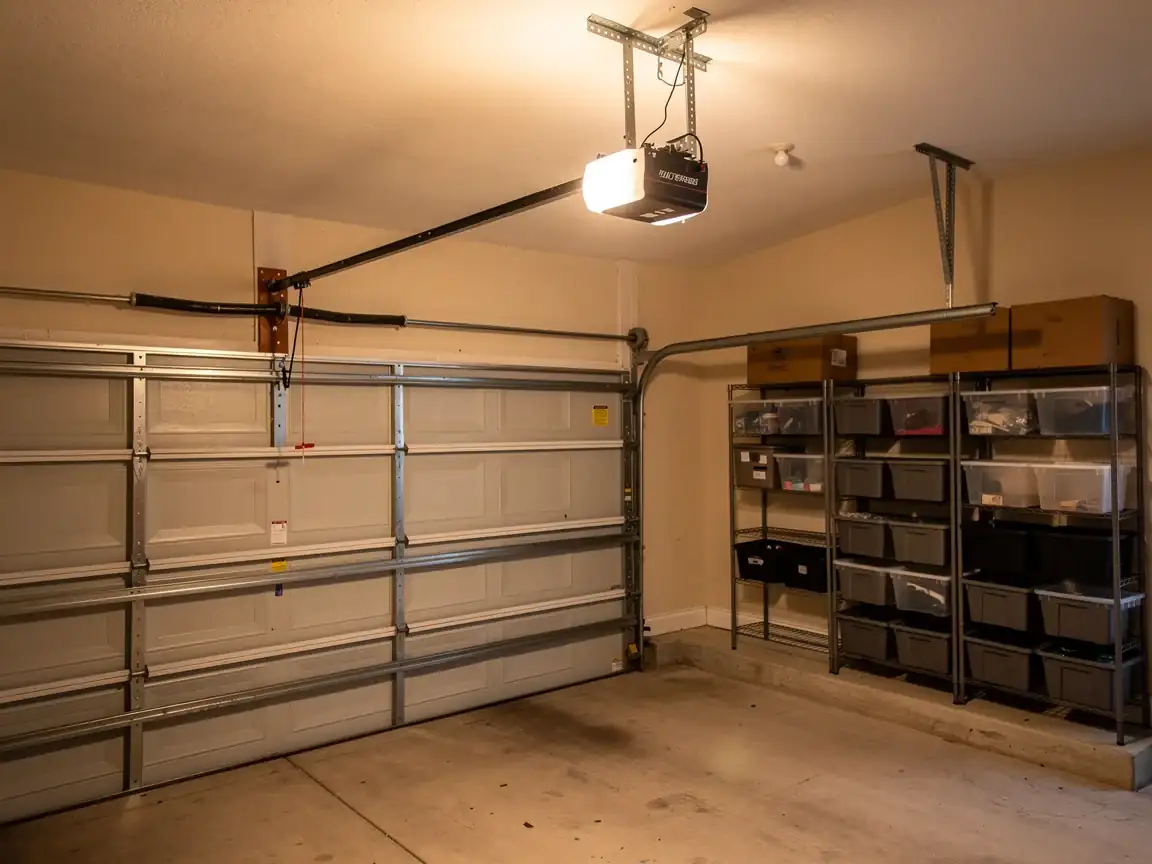
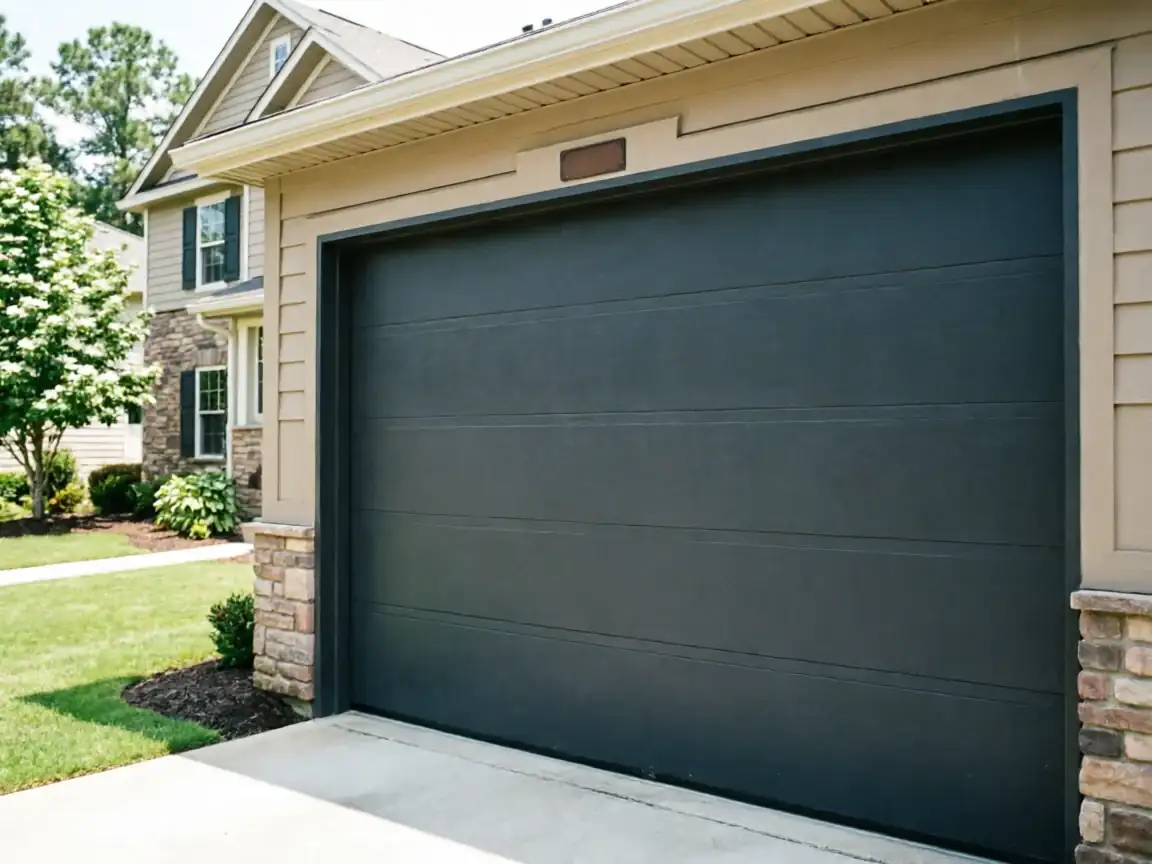
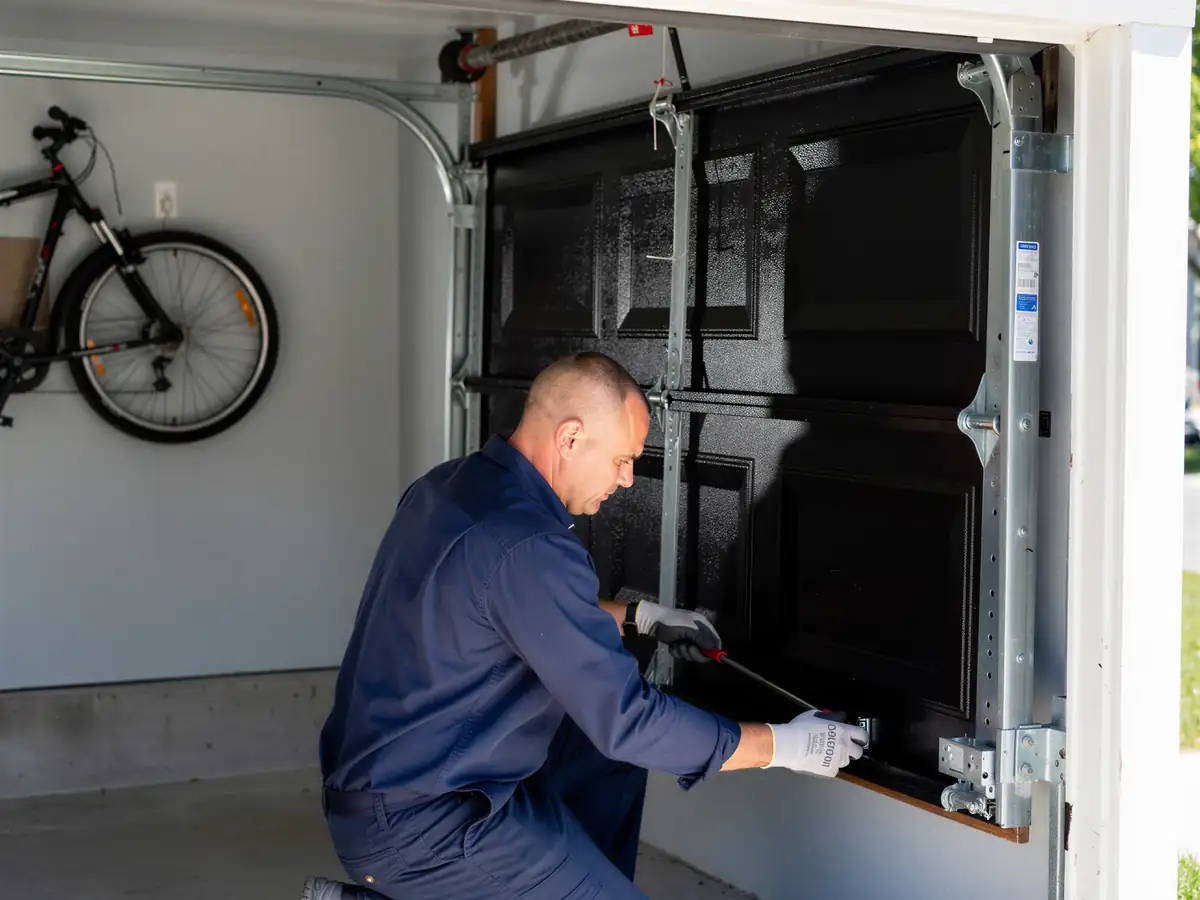
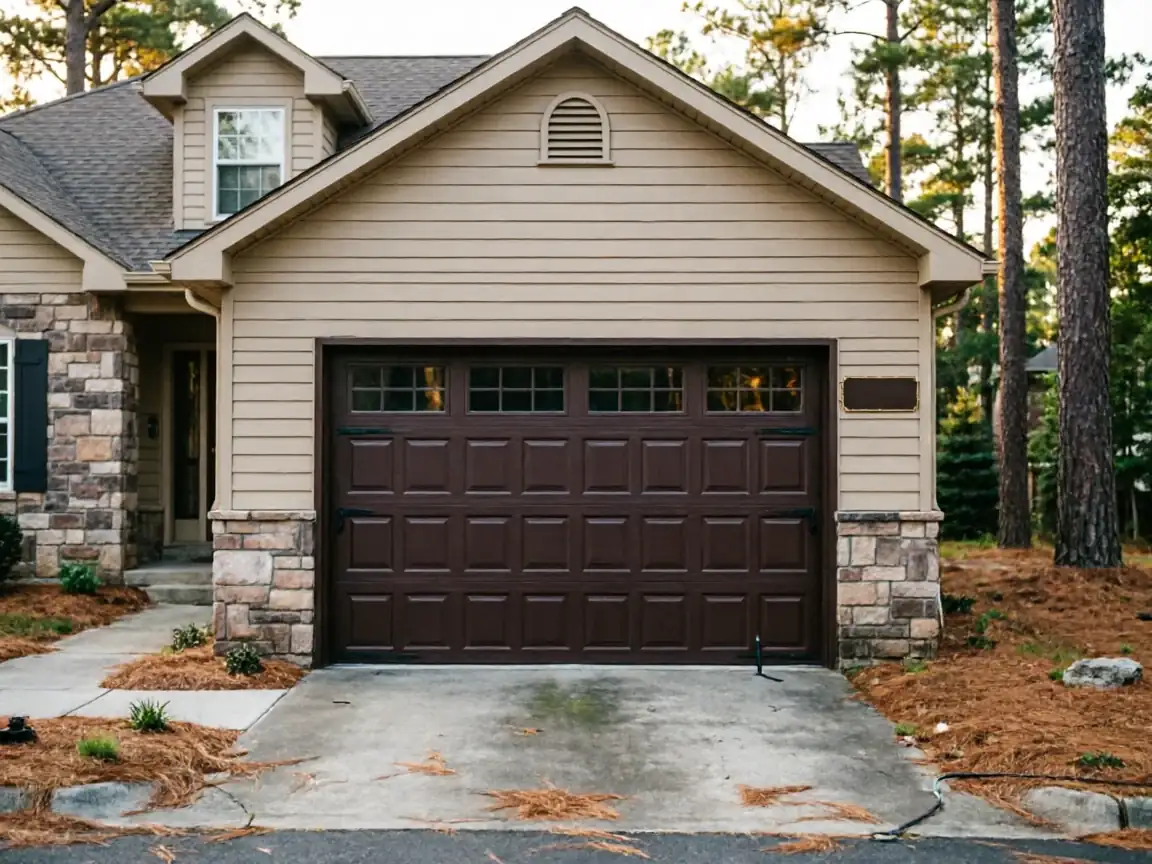
The median home in Vass went up around 1988, which puts most of the housing stock in that late-80s run of builders who were still using steel doors on extension spring hardware rather than the torsion setups that became standard later. Those doors have usually been through one or two openers by now, and the original track hardware often wasn't sized for today's heavier insulated panels. Add in a cold, moderate climate - real winter cold without the extreme swings you'd get further inland - and you get steel panels that have spent three decades cycling through freeze-thaw, which is exactly when seams start to rust at the bottom corners and when old non-insulated doors start costing real money on heating. An install here usually means replacing hardware built for a lighter door with hardware sized for what's actually going up.
The Symptom
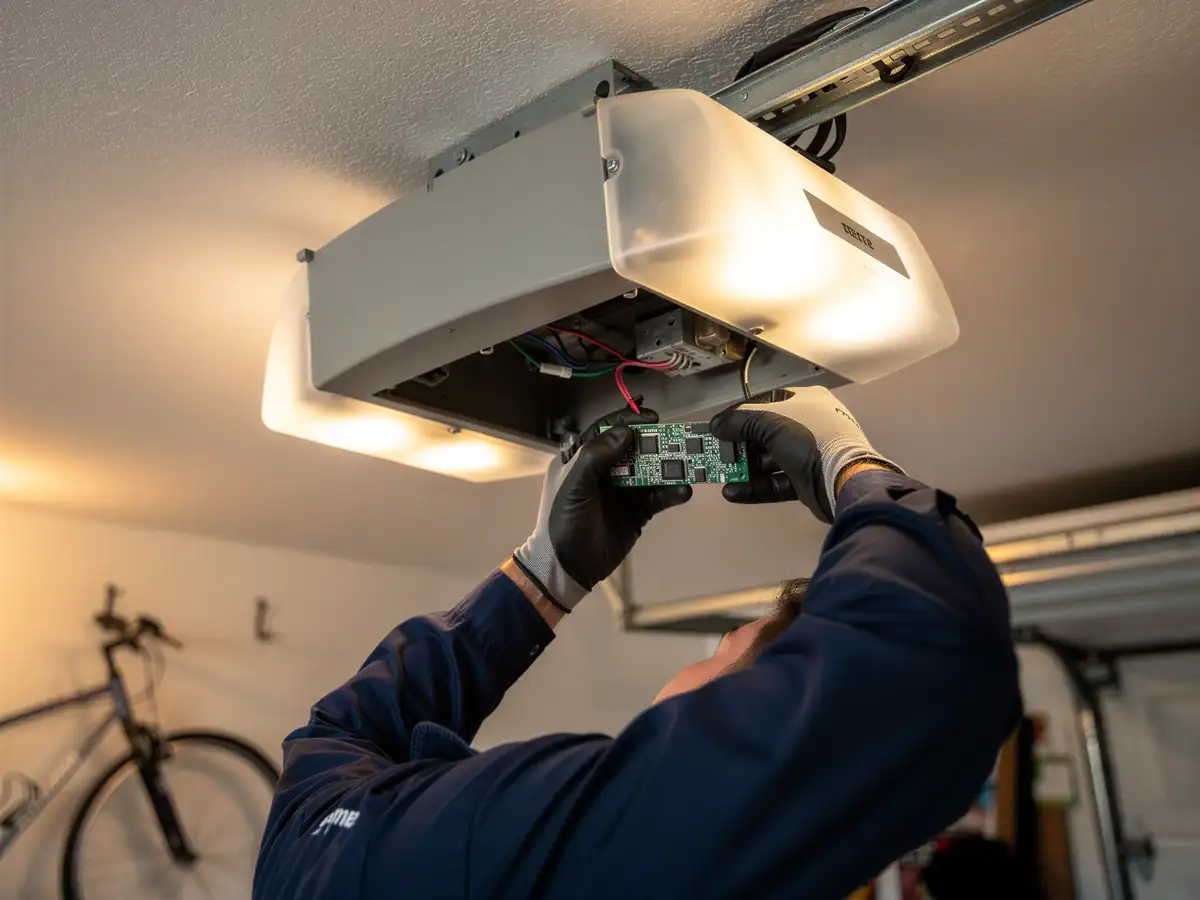
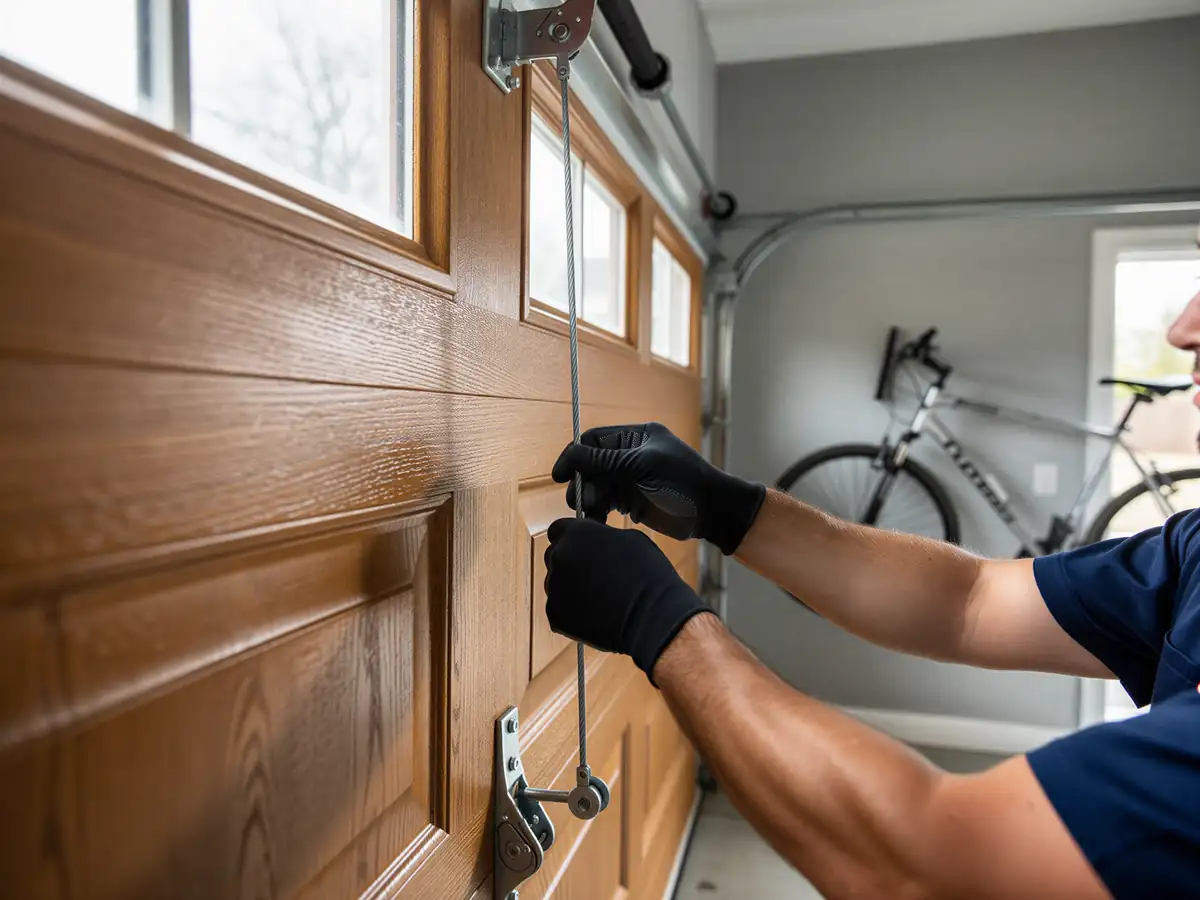
The giveaway in a house this age is usually a door that's gotten heavy to lift by hand, or an opener that strains and clicks before it gives up partway through the cycle. That's not a motor problem most of the time - it's a door that's heavier than the day it was installed, from decades of moisture and rust at the panel seams, now being lifted by spring tension set for a lighter door. You'll also see daylight gaps at the bottom corners where steel has pulled away from the frame, which lets in exactly the kind of cold air a moderate-cold climate puts to work all winter. When the door is original to a late-80s build, replacing it usually solves problems you'd been blaming on the opener.
Stocked Parts
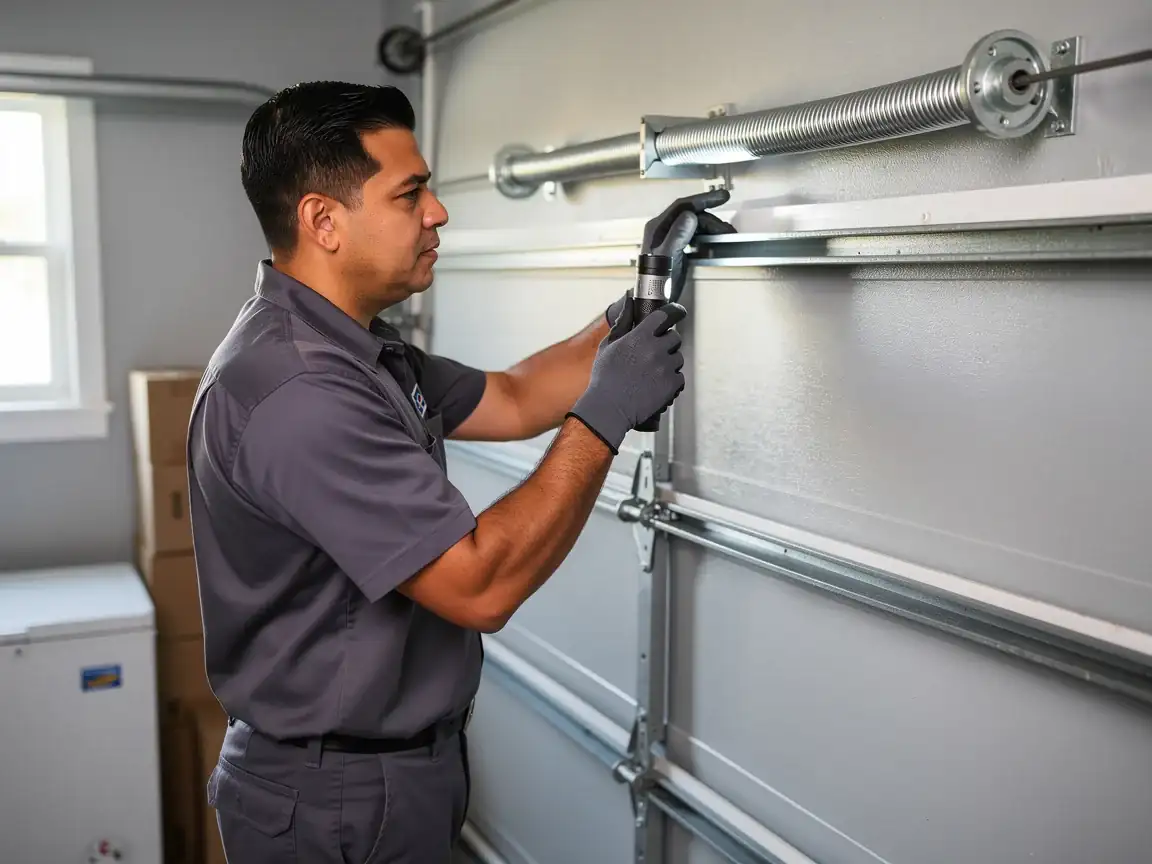
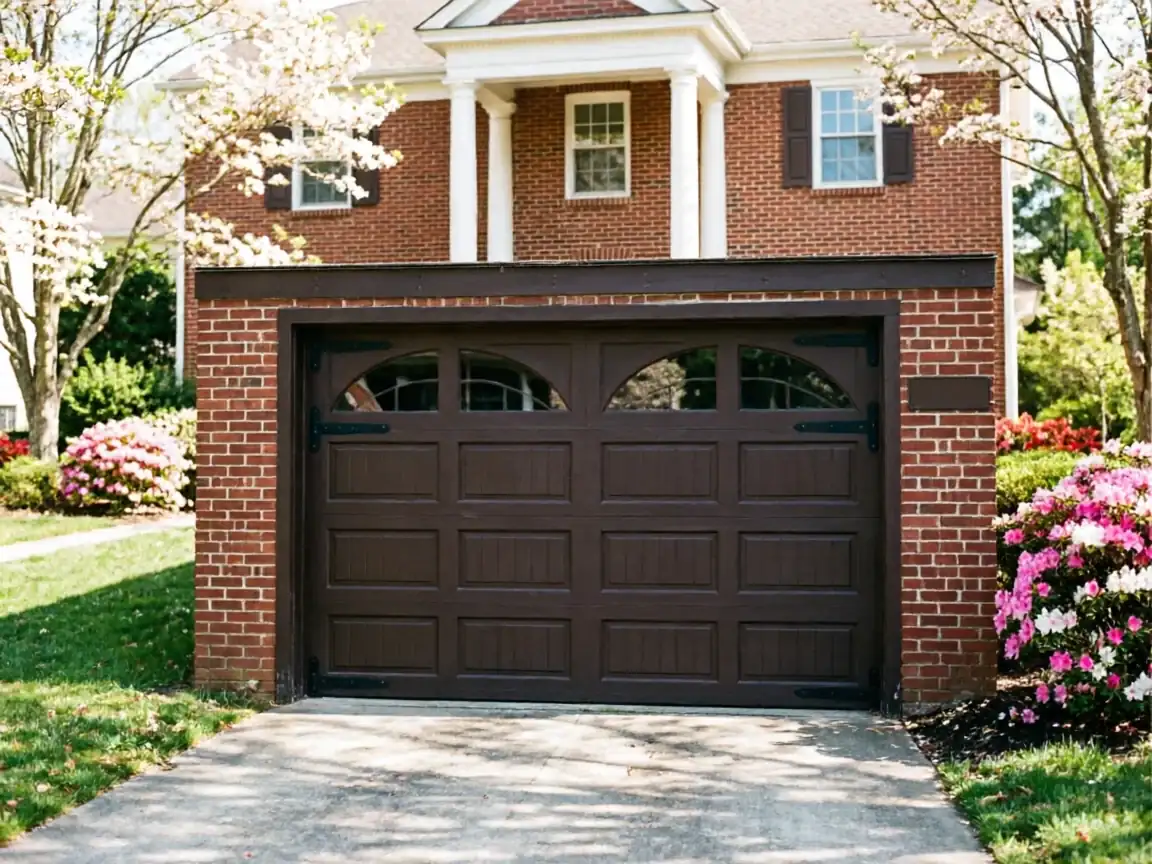
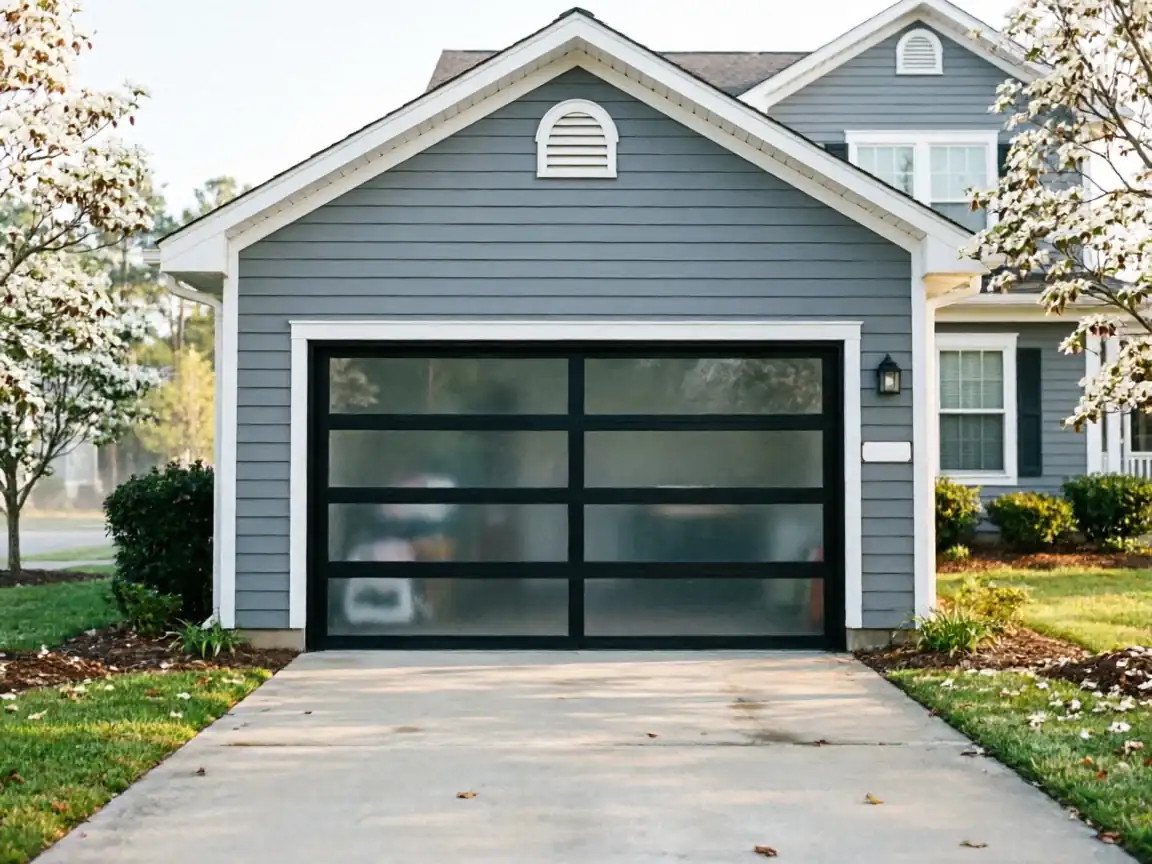
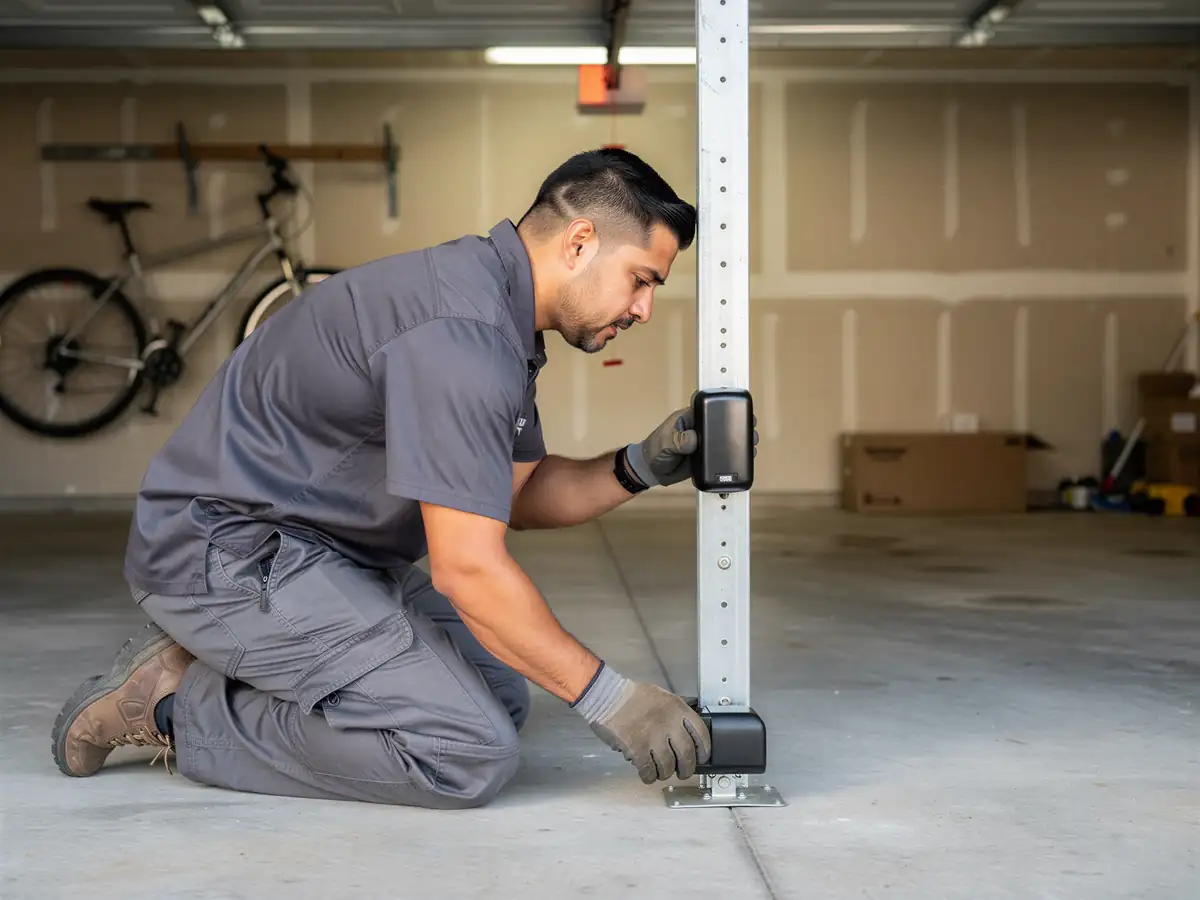
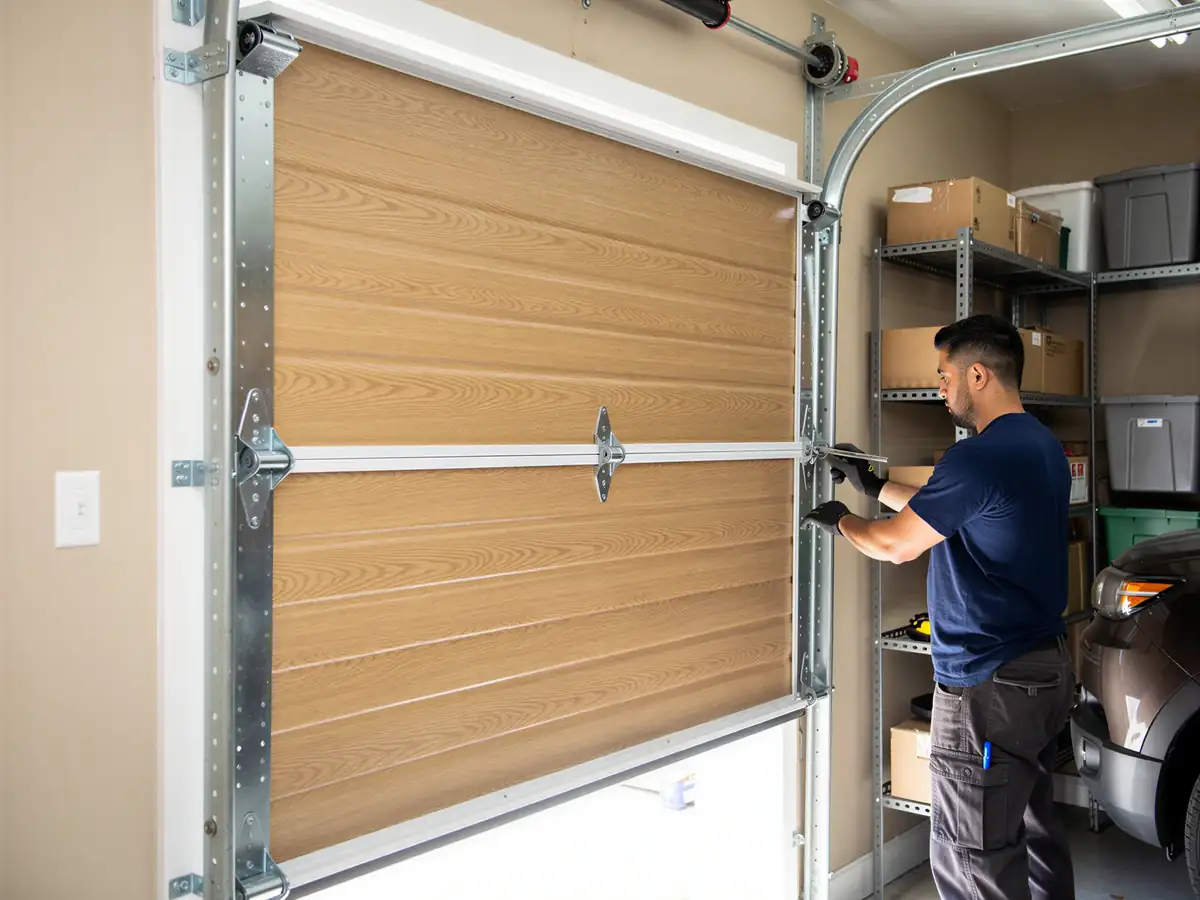
We carry standard torsion springs sized for common residential door weights, steel and insulated panel sections in the sizes that fit most single and double openings, and standard track and roller hardware - the parts that cover the bulk of what shows up in houses from the 1980s and 90s building boom across this area. What we don't keep on the truck is anything custom-width or a specialty finish; those get ordered, and depending on the manufacturer that can add time before install day. If your opening is a nonstandard size or you want a specific wood-look finish, ask when you call so we can get that ordered ahead of the drive out.