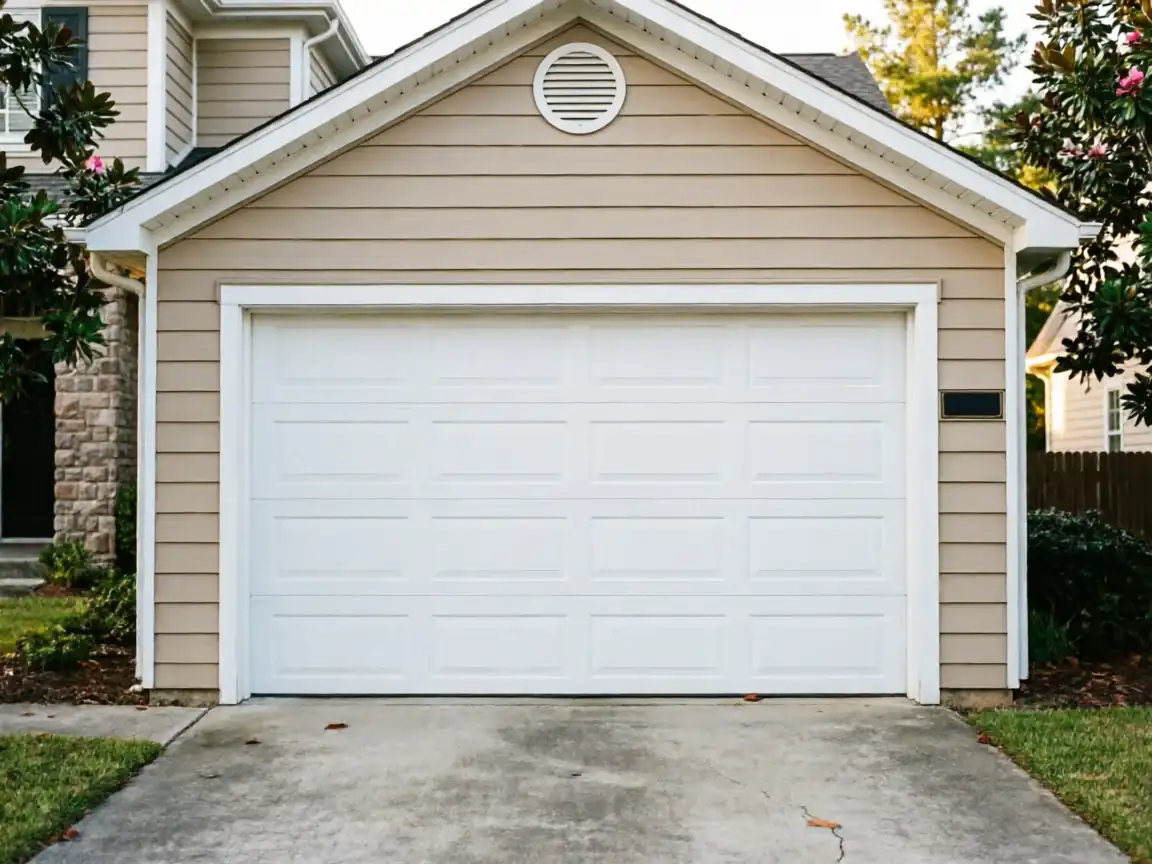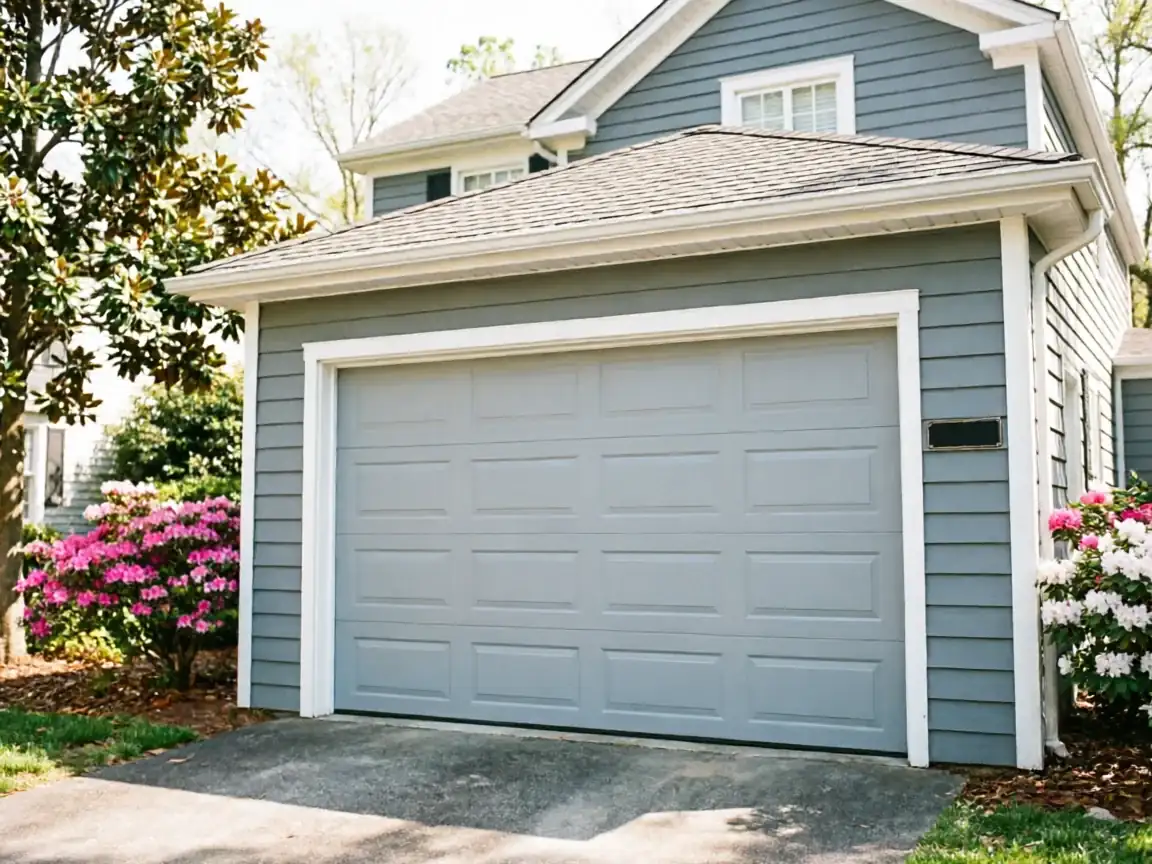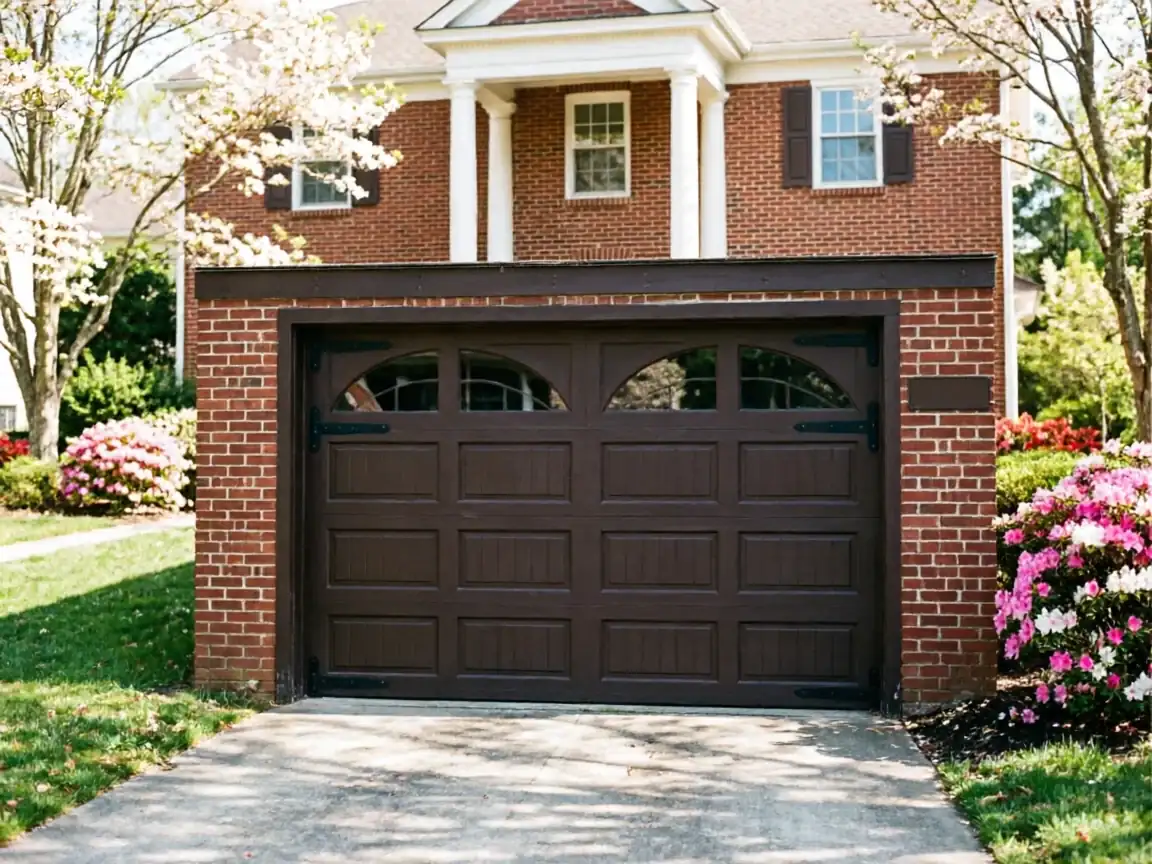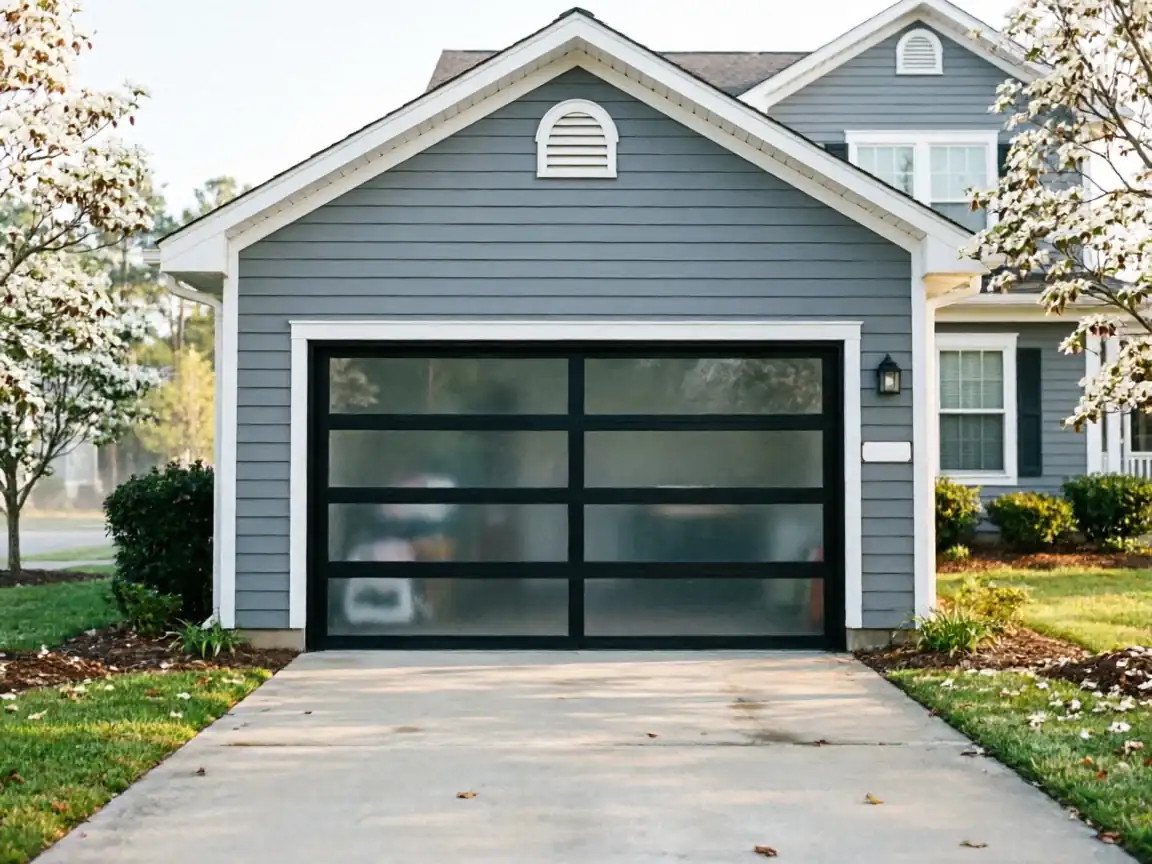
The Complications
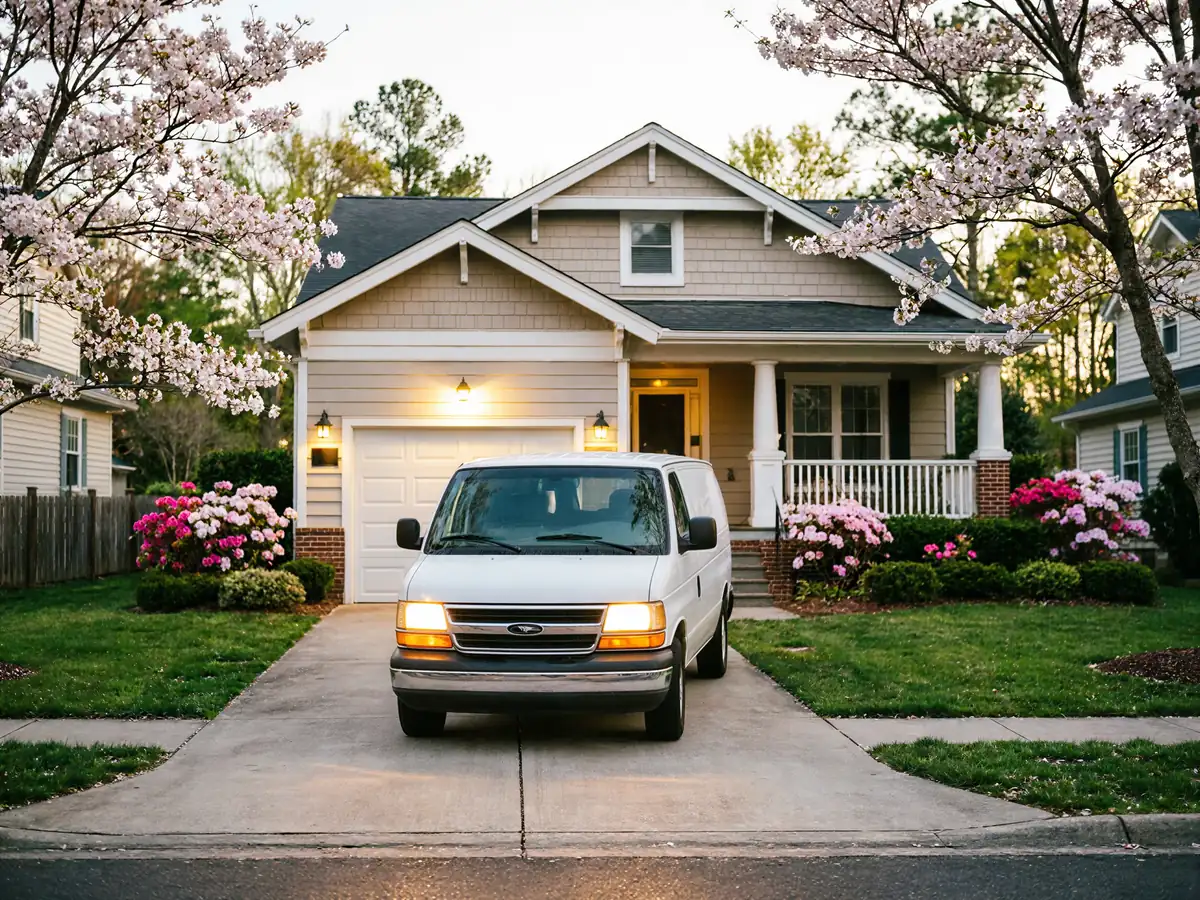
Vass sits about 18 miles from our shop in Sanford, which is the first thing worth saying plainly: there's no branch here, no local depot, just a truck that drives out when you call. That matters for how you plan around a broken door - you're not getting a five-minute response, you're getting a tech who's coming from town.
The second complication is money, and it's worth putting the number on the table. Median household income in Vass runs about $56,042, noticeably under the $62,428 median across the wider Sanford service area. That gap changes the math on repair versus replace. A cracked panel or a worn roller is almost always a repair call regardless of income. But a full door-and-opener replacement is a bigger bite out of a Vass household budget than it is for the area average, which is exactly why we try to fix what can be fixed before we talk about swapping the whole unit. If your opener still runs and your track is straight, there's usually no reason to replace the door just because one part failed.
Why It Happens Here
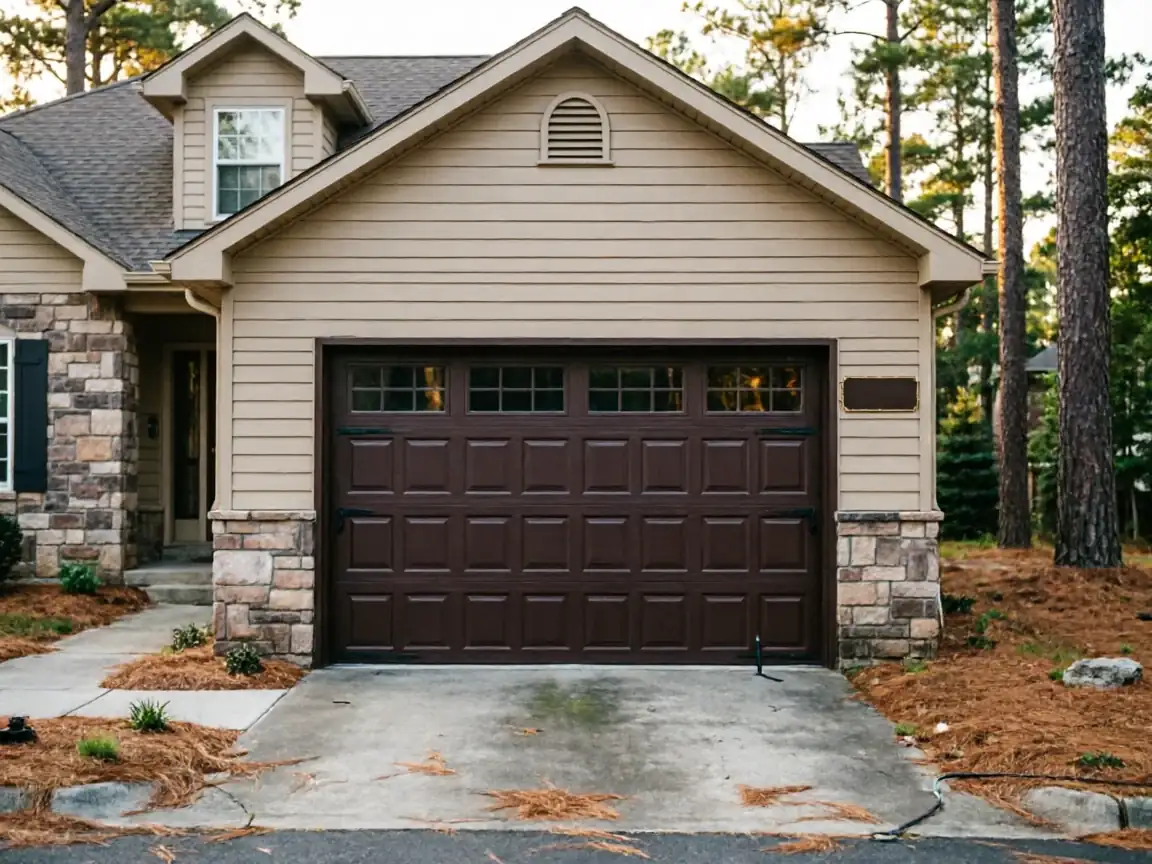
The median year built for homes in Vass is 1988, which puts most of the housing stock squarely in the late-80s wave - a few years newer than the 1983 median across the broader Sanford service area, but still well past 30 years old on the hardware that came with the house. Doors and openers from that era weren't built to last forty-plus years without attention, and most homeowners here haven't had a reason to think about the garage door until it stops working.
The climate here is cold-moderate, which is not the brutal end of anything, but it's enough. Winter cold stiffens steel torsion springs and thickens old grease in the opener's drive mechanism, so the same spring that worked fine in September can snap on a January morning. Combine 30-plus-year-old springs with a cold snap and a sudden full-load lift, and you get the classic late-winter failure call. It's not dramatic weather causing it - it's ordinary cold acting on hardware that was already near the end of its working life.
Can You Do This Yourself
Some of this is within reach for a homeowner with basic tools
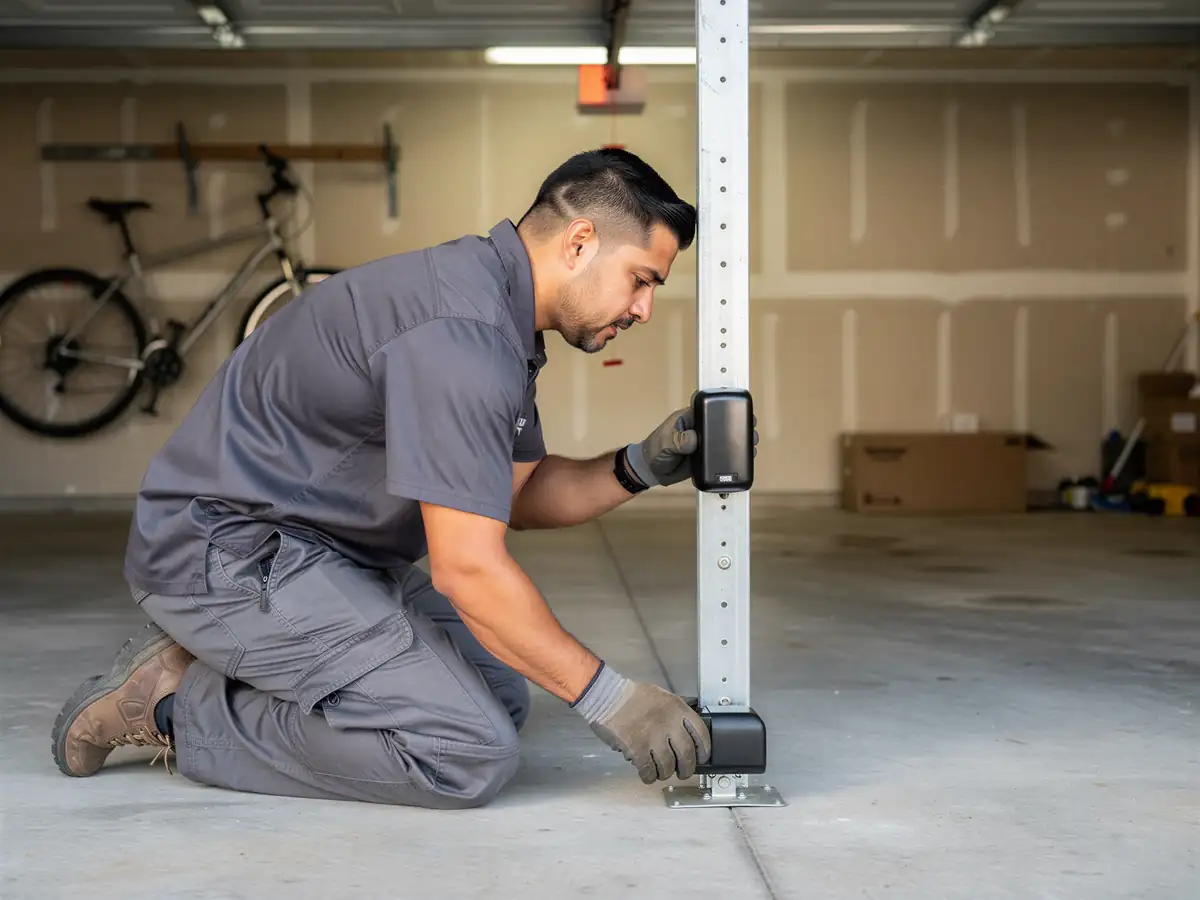
A bent sensor bracket, a dirty photo-eye, a loose track bolt - these you can usually sort out yourself in twenty minutes with a wrench and a level.
A broken torsion spring is not that job
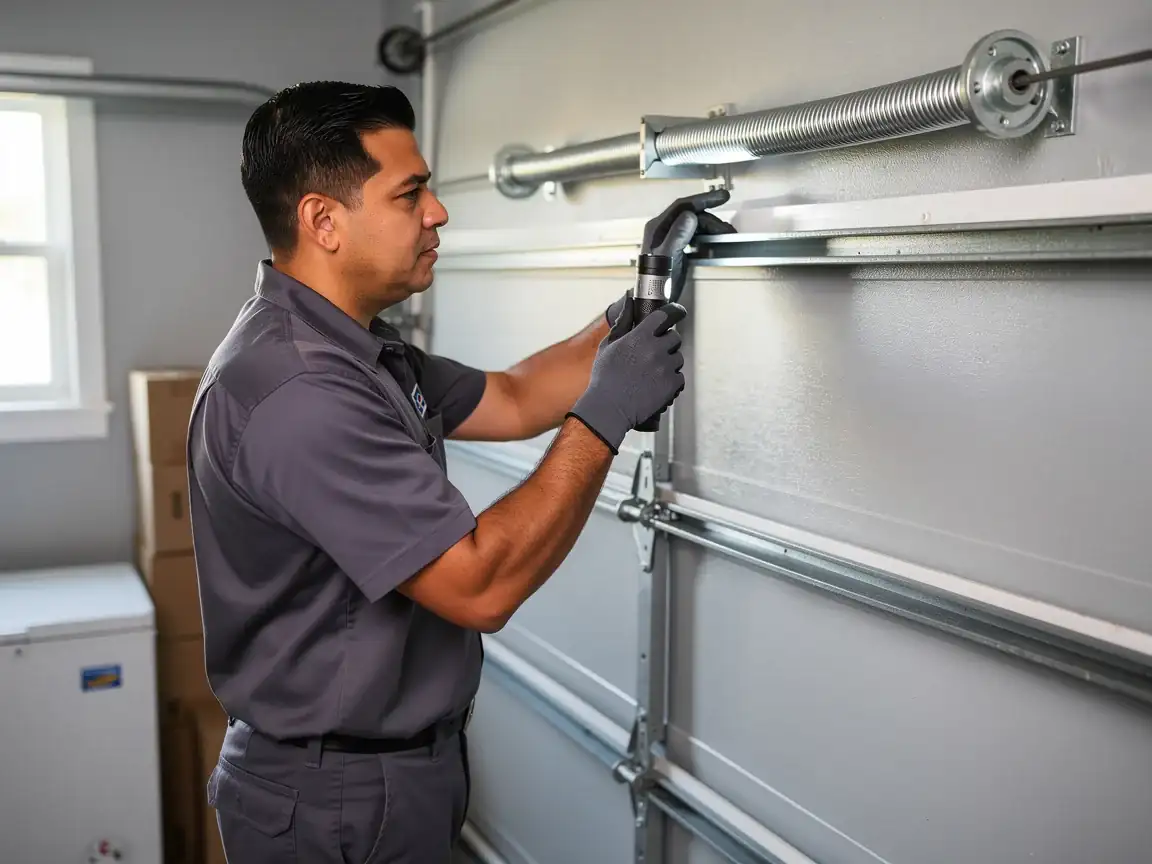
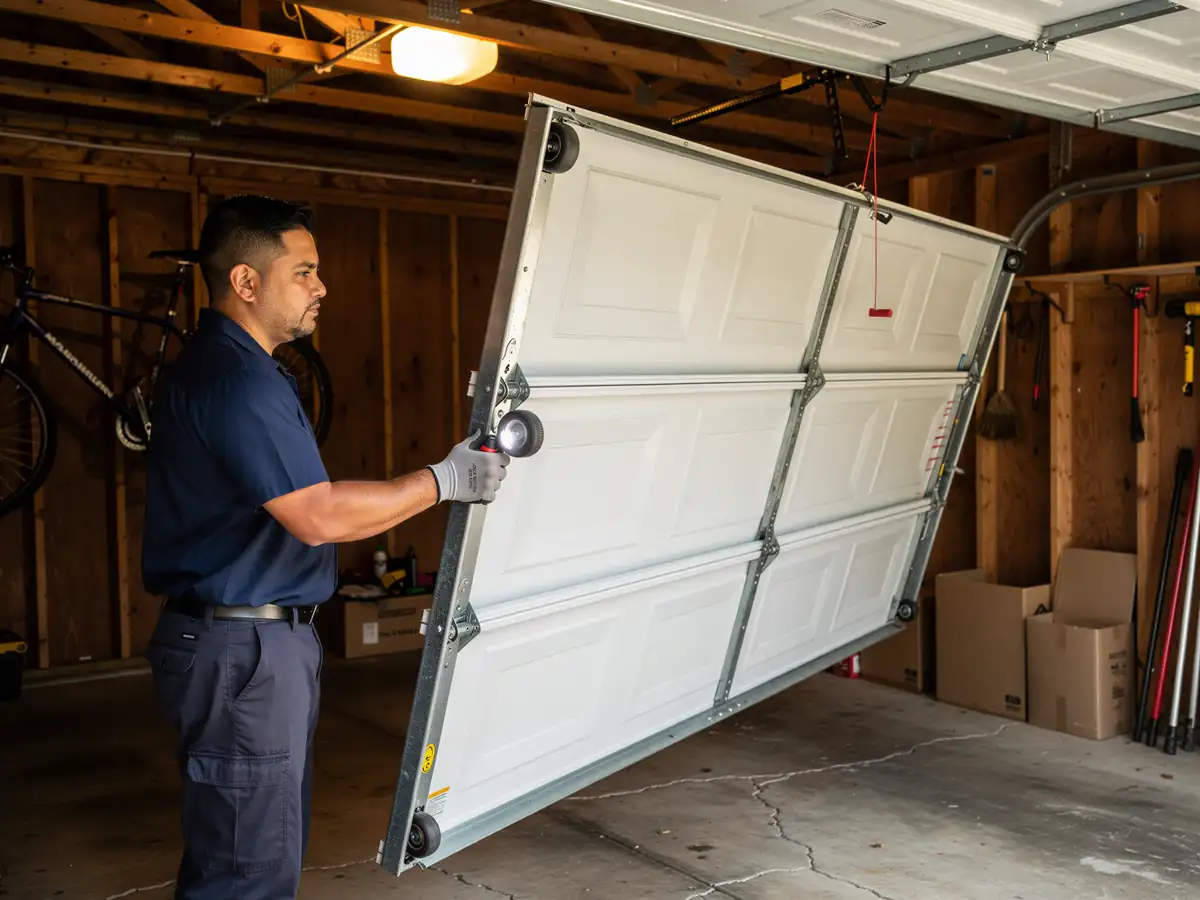
These springs are wound under enough tension to break bones or worse if you release them wrong, and on a door from the late 1980s the mounting hardware is often rusted or undersized by current standards, which makes the job harder than it looks on a video. If your door won't open and you hear a bang or see a gap in a coiled spring above the door, stop. Don't try to force the door with the opener - that strains the motor and can bend the track further. Call it in and wait for the truck.
The Symptom
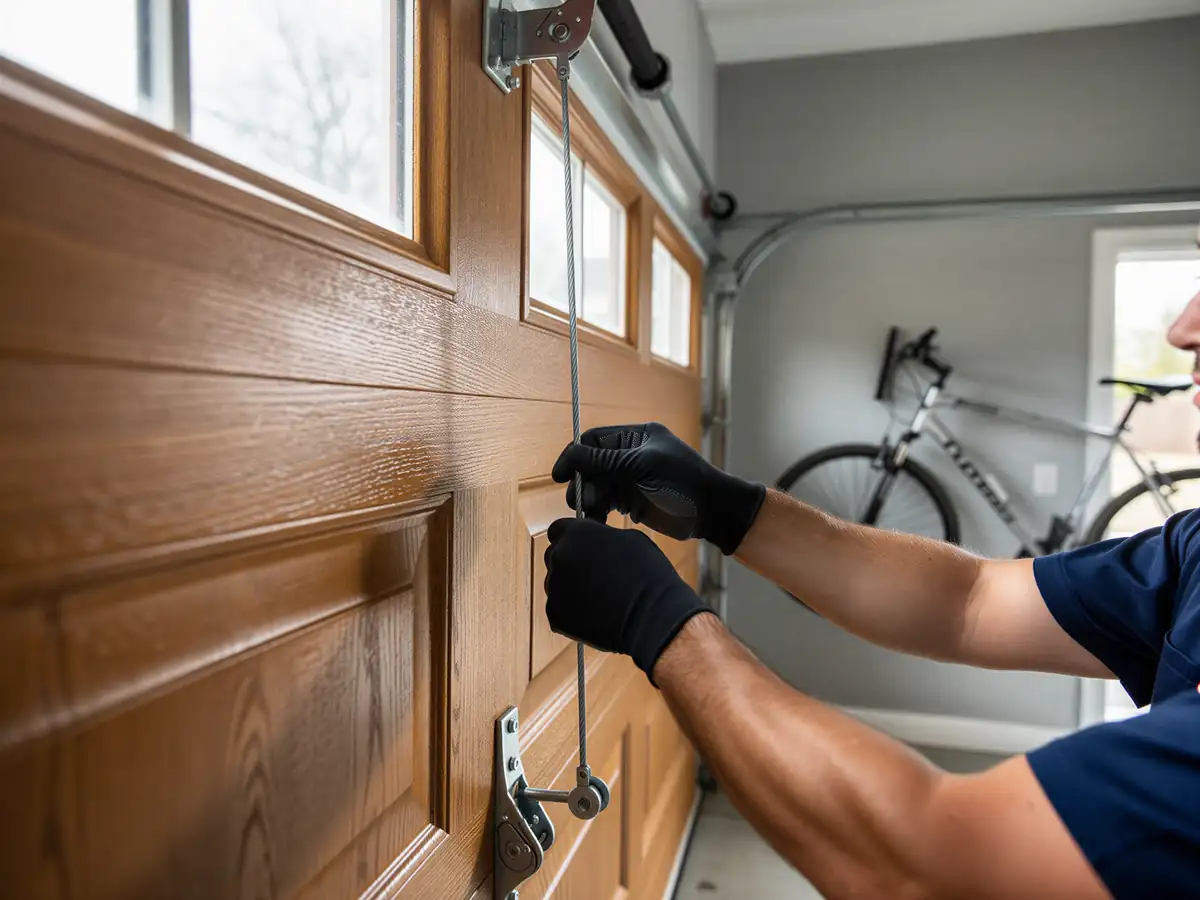
The most common call we get out of this area is a door that won't budge and a visible gap in the torsion spring above the opening - the spring has separated and the door is essentially unsupported. Close behind that is a door that opens partway, then reverses or stalls, which on a home from the late 1980s is usually a cable that's frayed or jumped its drum, or a track that's pulled slightly out of alignment from decades of use.
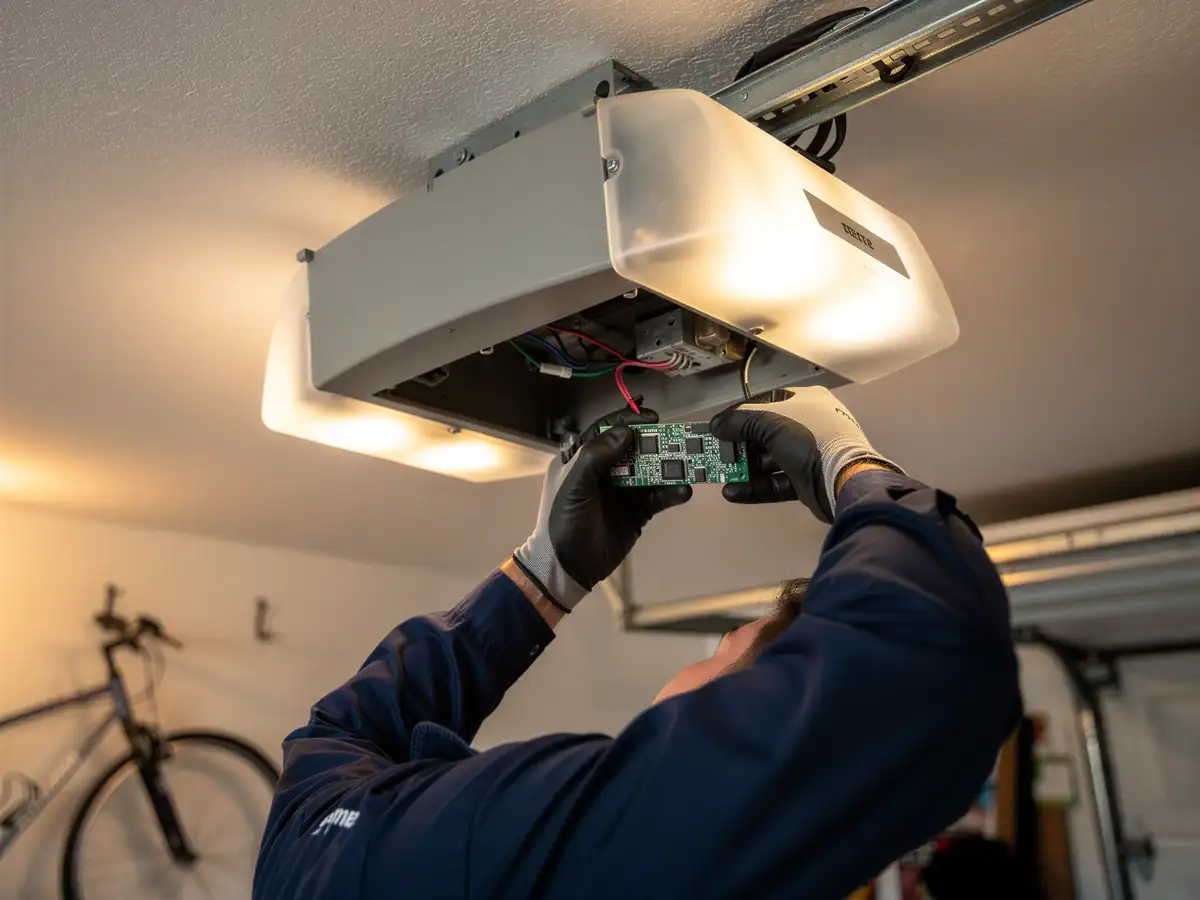
A third pattern worth naming: openers from that era are often original to the house, and when they finally give out it's the drive gear inside the unit, not the motor itself. That one sounds like a door that hums but doesn't move. None of these are mysterious faults - they're what 35-year-old hardware does when nobody's replaced a part on it.
Stocked Parts
We carry standard torsion springs, cables, rollers, and common opener drive components on the truck, which covers the bulk of what fails on houses built around 1988. For anything non-standard - an obsolete opener model or a specialty panel - there can be a wait on the part, and we'll tell you that up front rather than promise a same-visit fix we can't deliver.
That's the honest limitation here: if your door uses an opener or track system that's been discontinued, we may need to order the part before we can finish the job, and that can mean the door is closed and secured but not fully repaired on the first visit. We'd rather say that now than have you expect a one-trip fix that isn't realistic for every unit.
How Long You Are Without the Door
Because we're driving out from Sanford, factor the travel into your timeline
This isn't a job with a tech already in the neighborhood. Once the truck arrives, most spring, cable, and roller repairs on a standard residential door are finished in a single visit, since those are the parts we stock.
If the fault turns out to be the drive gear in an older opener
Or a track that's been bent long enough to warp, the visit may end with the door safely closed and locked down rather than fully operational, with a return trip once the part's in. We'll tell you which situation you're in before we leave, not after.