Can You Do This Yourself
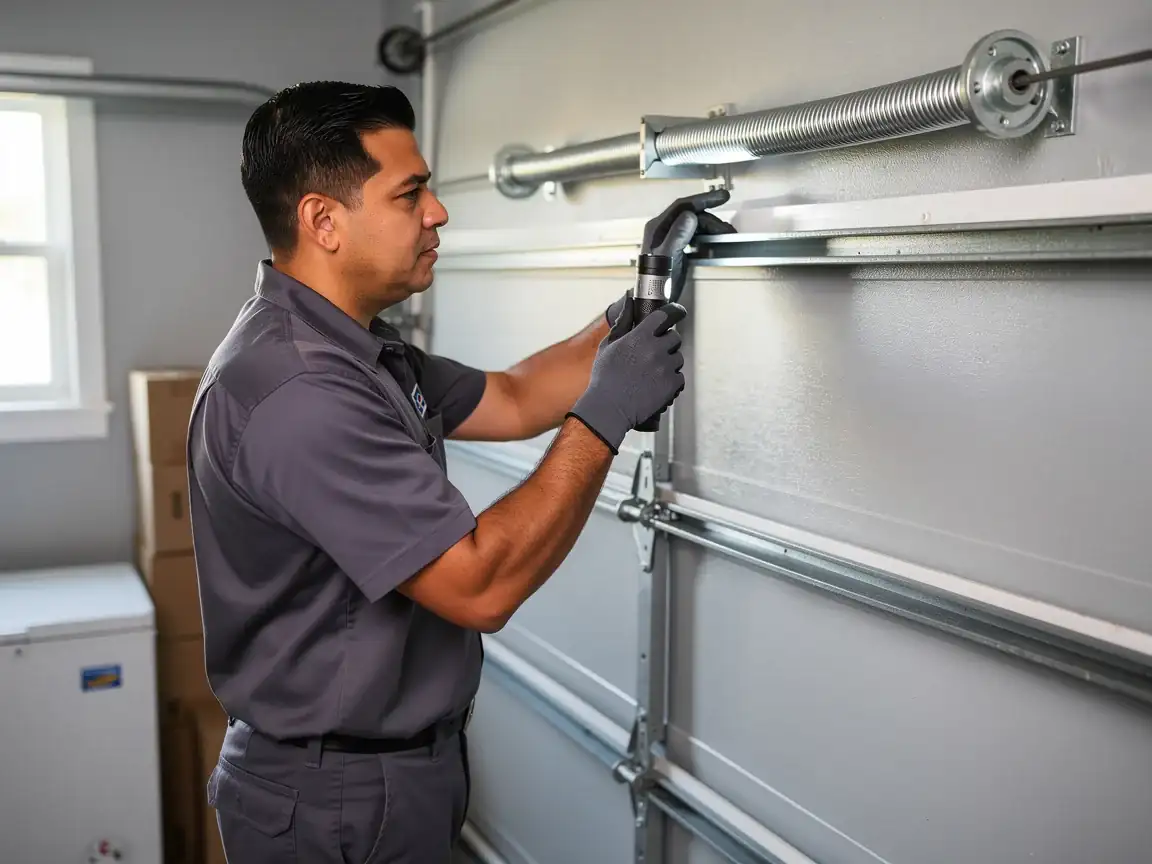
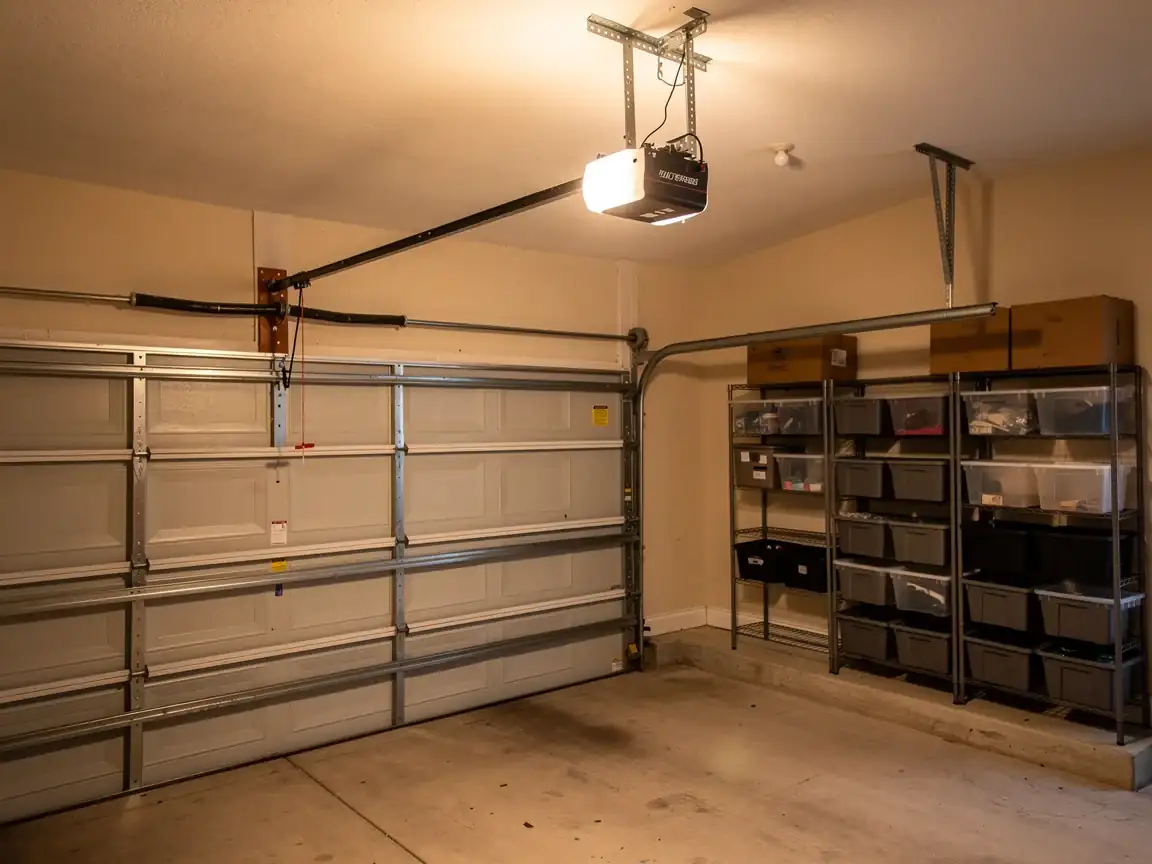
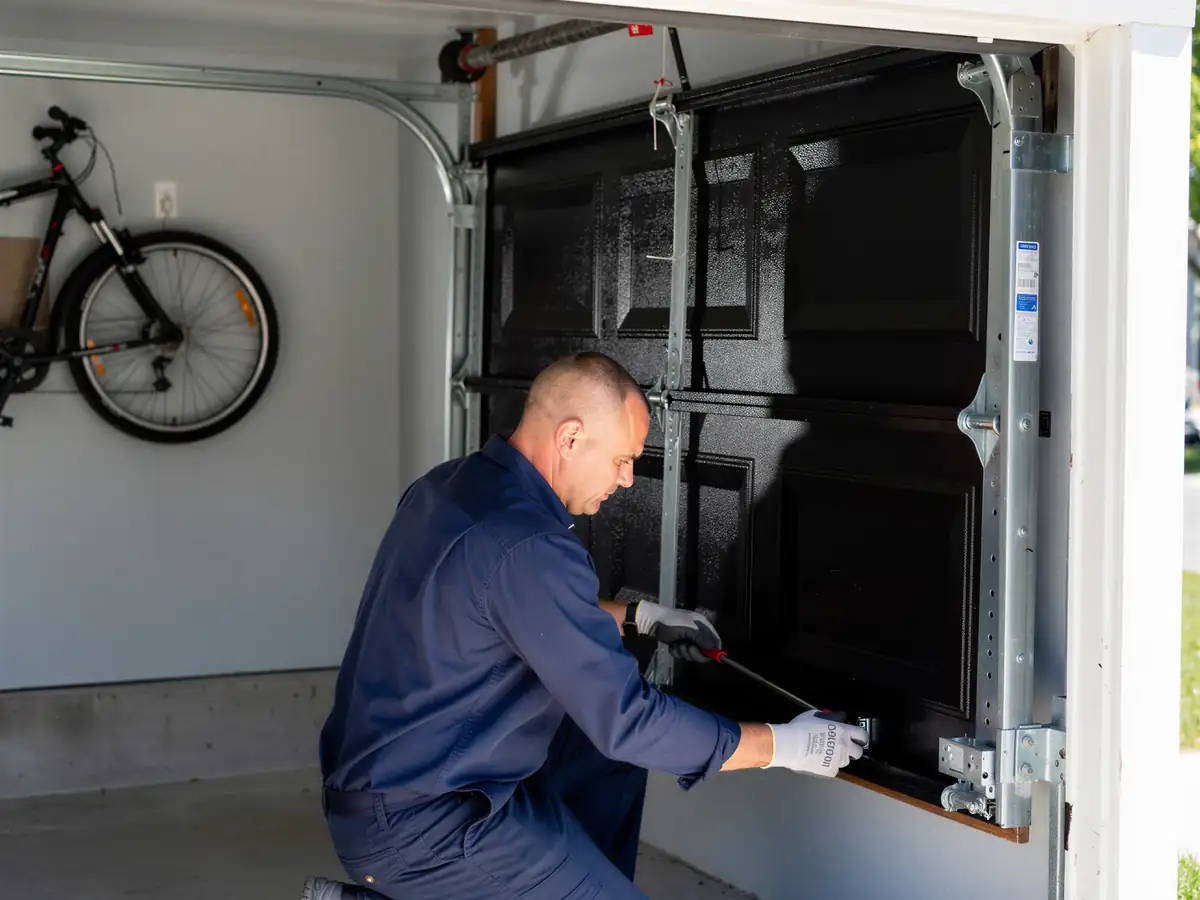
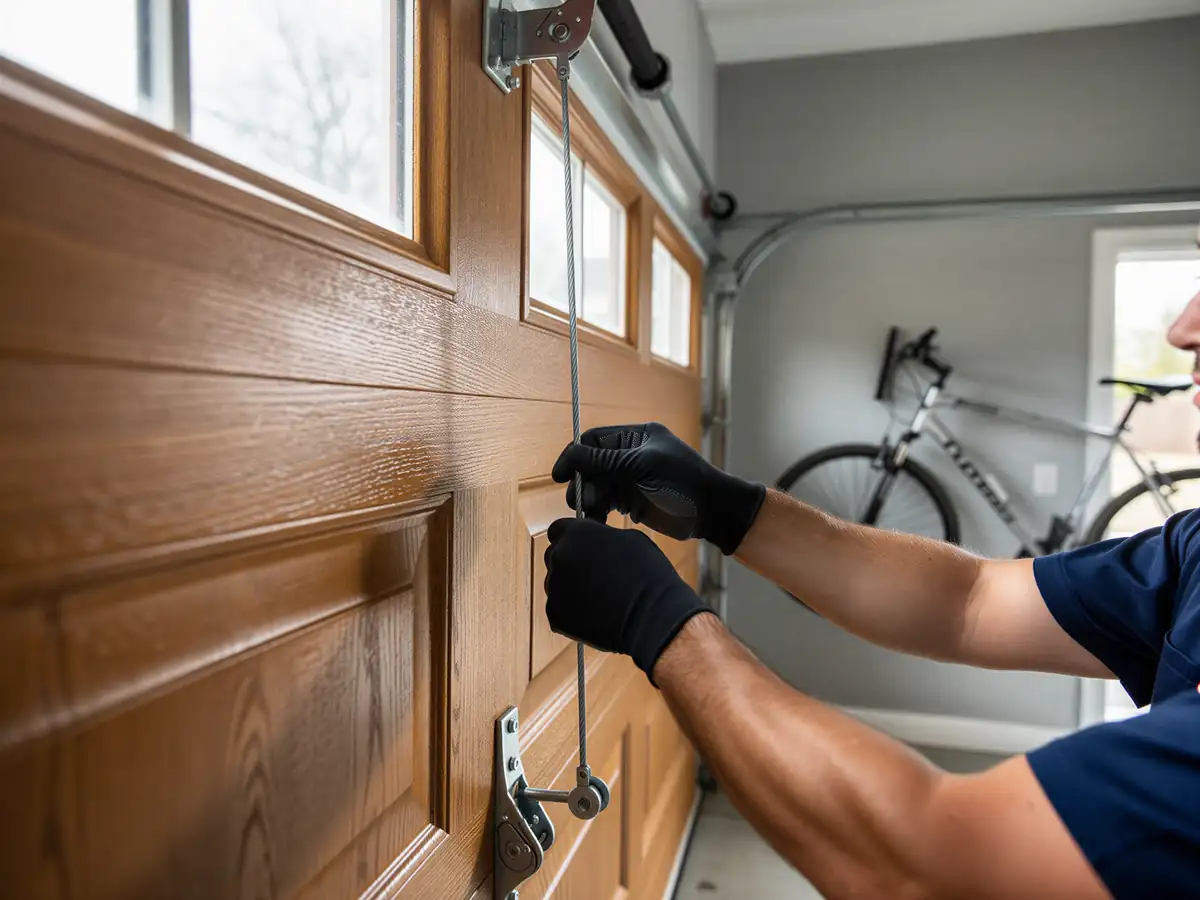
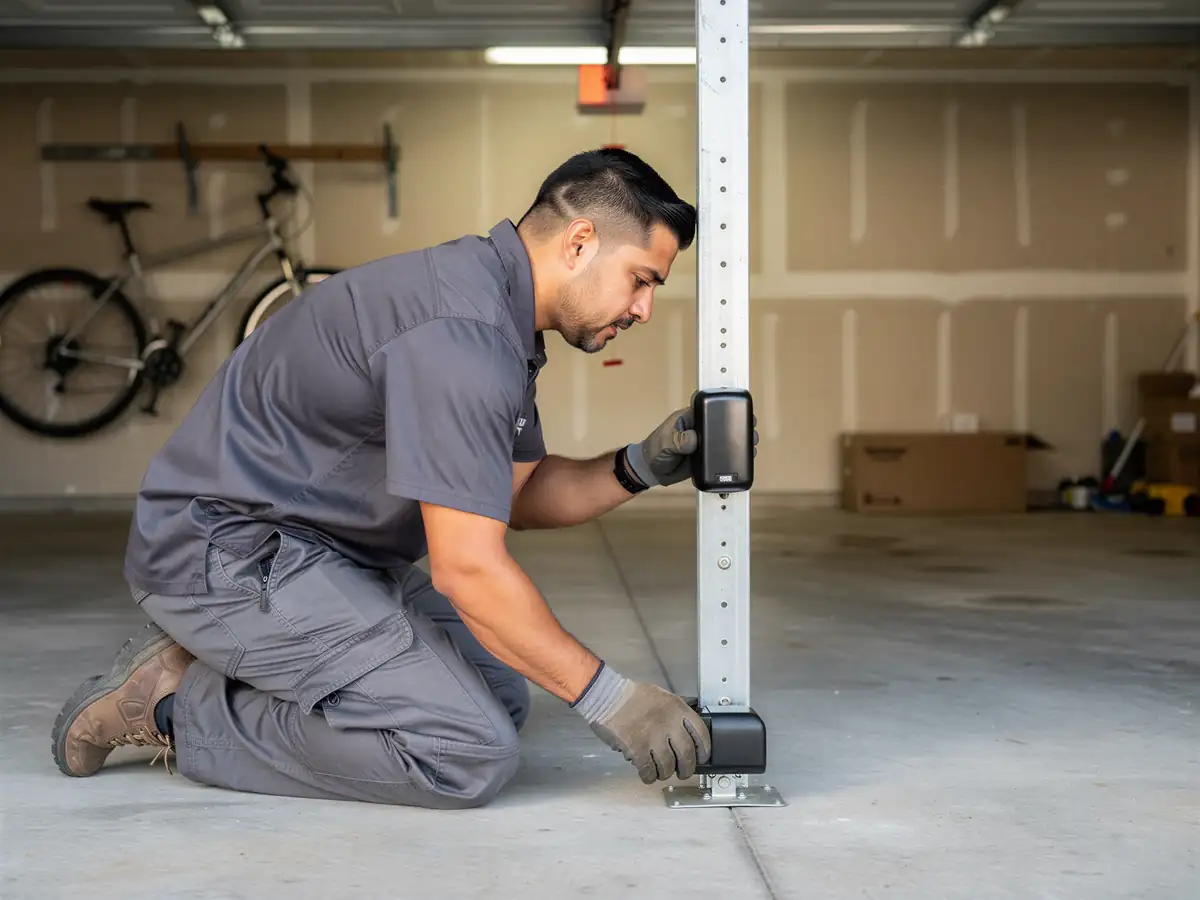
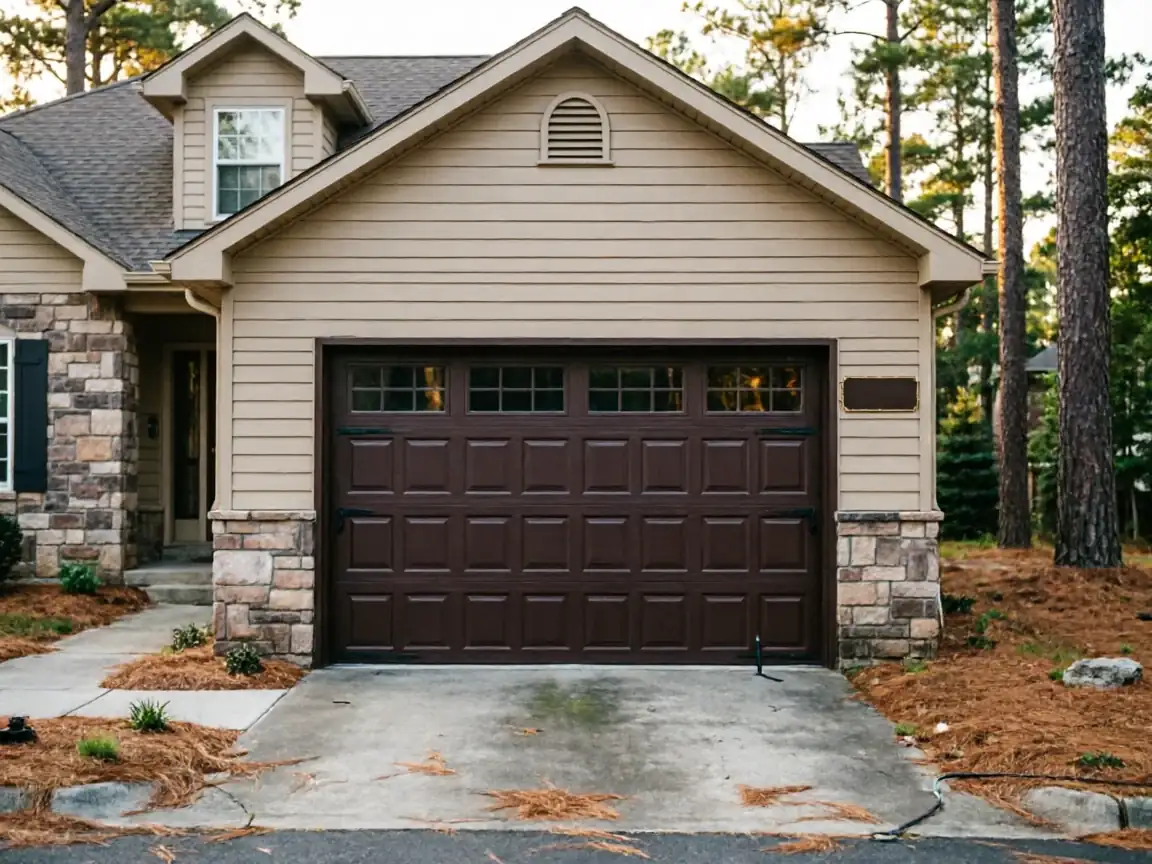
A garage door spring holds enough tension to break a finger or worse, and that doesn't change because the door is old or new. If your opener just hums and the door won't budge, or one side of the door hangs lower than the other, that's a spring or cable job - stop pulling the emergency release and stop trying to force it by hand. What you can safely check yourself: the photo-eye sensors near the floor track for dirt or misalignment, the wall button wiring, and whether the track bolts have worked loose, which happens more on houses that have had the same door for decades without anyone tightening hardware. Lubricating rollers and hinges with a light spray oil is fine too. Past that, a torsion spring on a door built for a 1960s-era opening often uses hardware nobody stocks on a shelf at the hardware store anymore, and guessing at the wind count on a replacement spring is how people get hurt. If the door came with the house and the house went up in 1964, assume the spring and cable are original or close to it, and treat the job as a call, not a project.
The Symptom
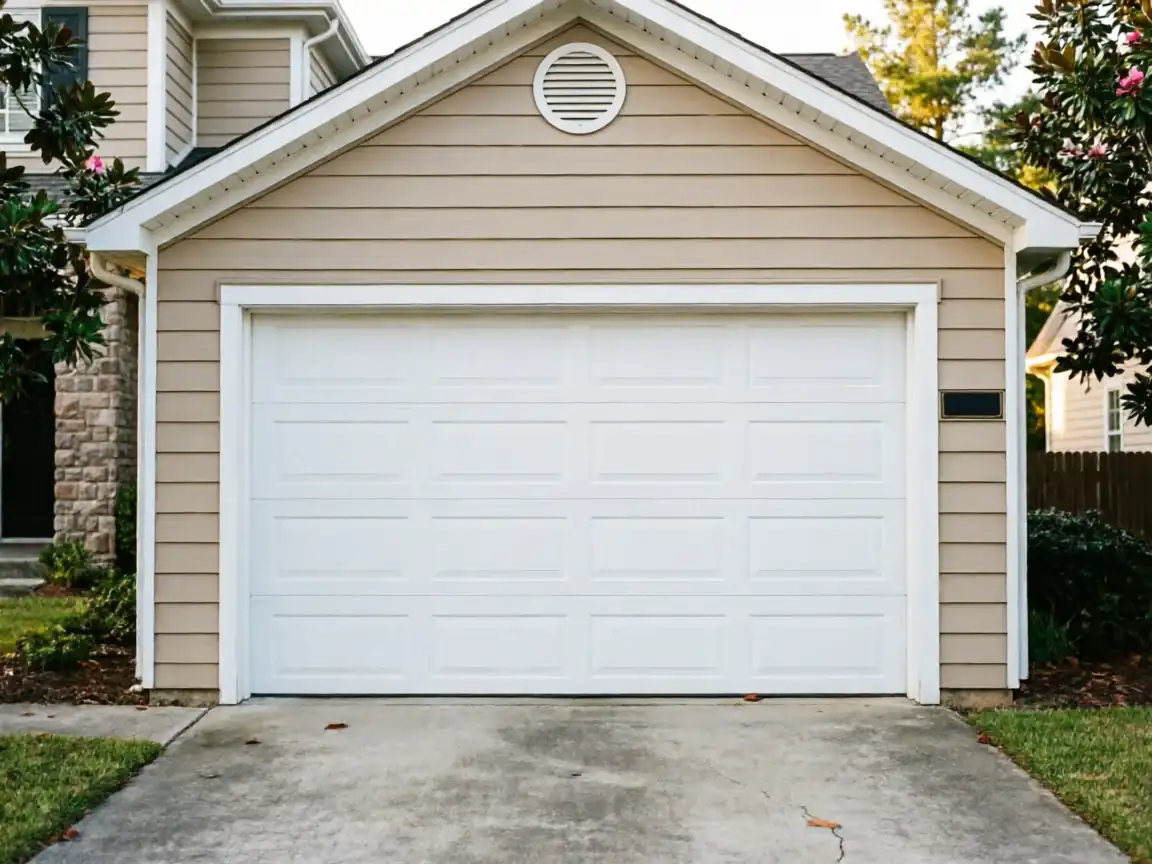
The fault we see most in Goldston isn't a dead opener - it's a door that's gotten heavy to lift by hand, slow to close, or catches halfway up the track. That's consistent with the age of the housing here. Goldston's homes center on a median build year of 1964, a full two decades older than the 1983 median across the rest of the Sanford service area we cover. Doors and springs from that generation have had sixty-plus years of open-close cycles, and steel sectional doors from that period tend to rust along the bottom panel seam before anything else fails. On a 1964-era garage, a binding door is usually a stretched or corroded spring, not the opener motor, even though the opener is what homeowners blame first. We check the spring and cable before we touch the opener logic, because on a house this age, that's where the money usually goes.
The Complications
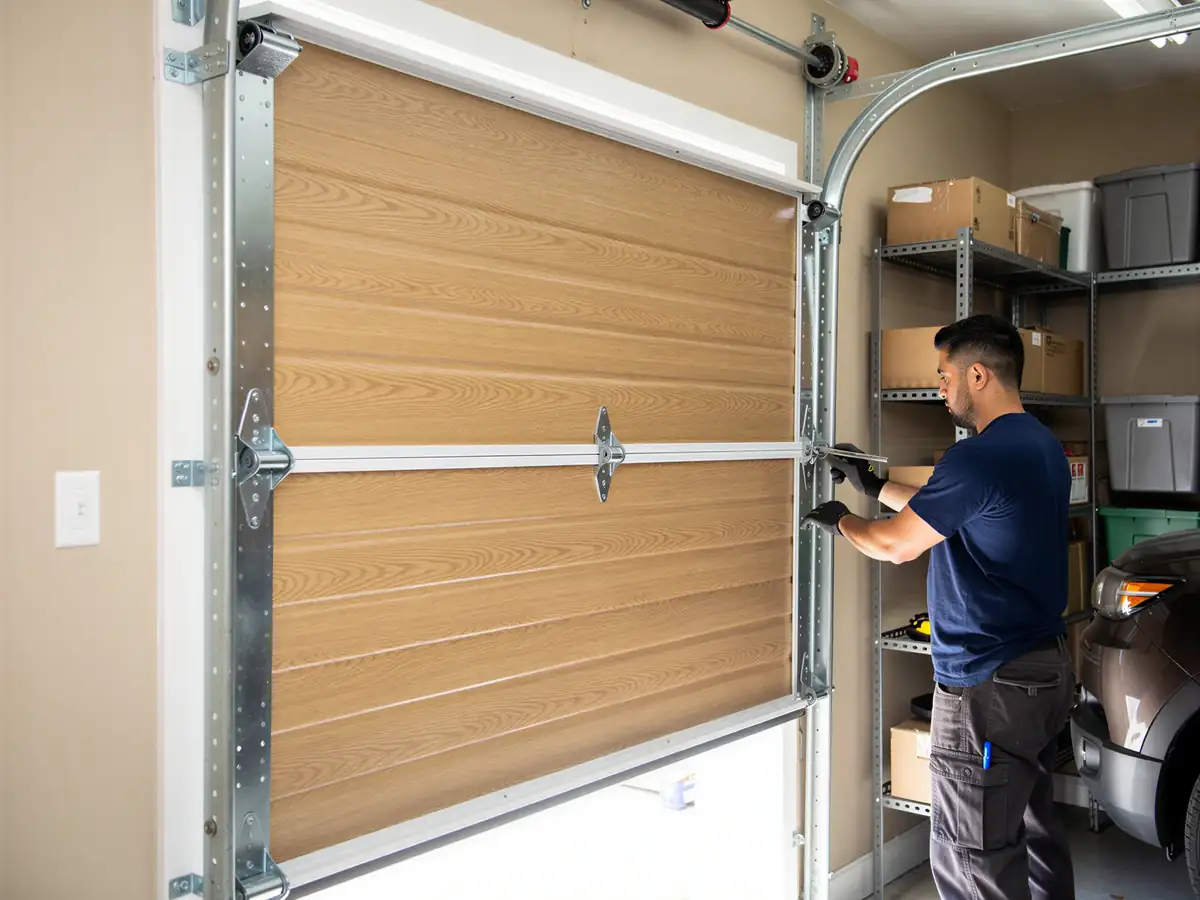
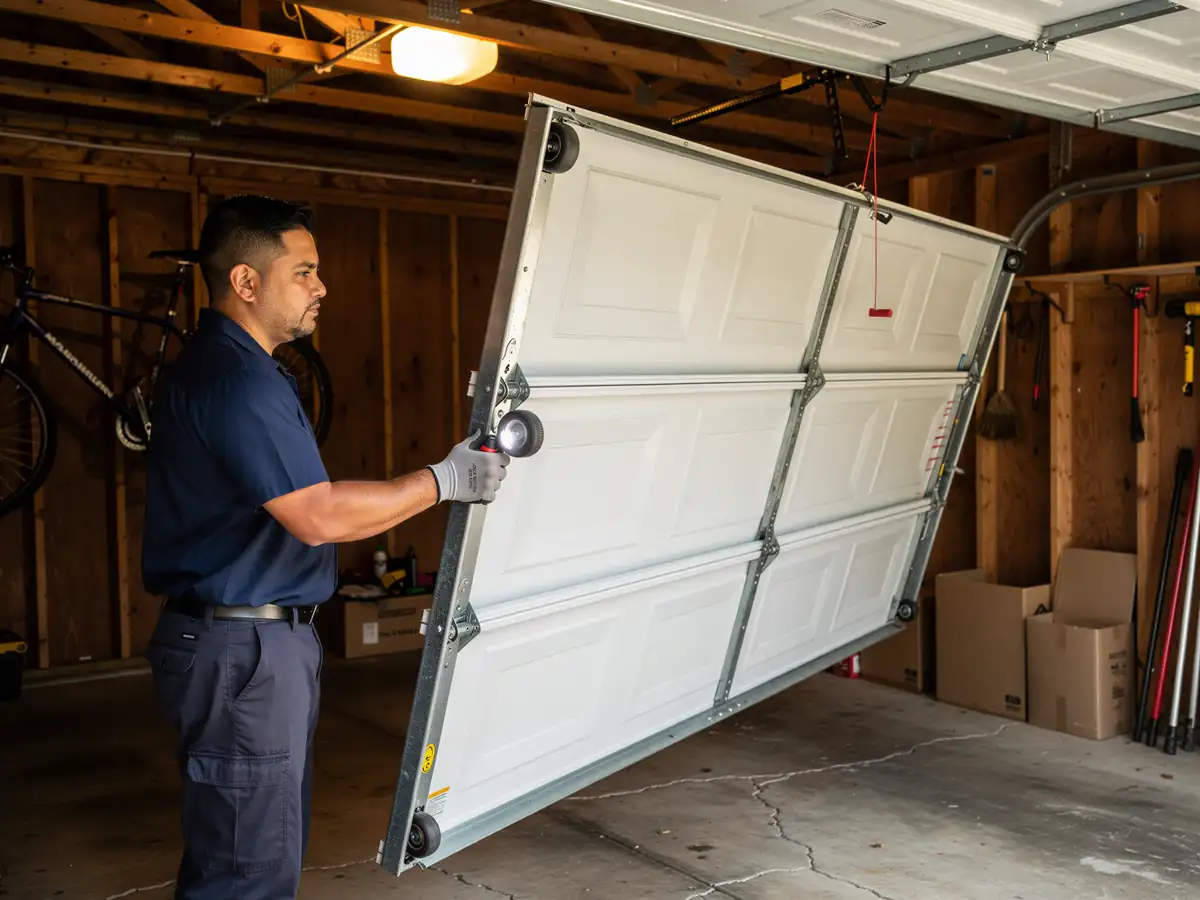
Houses from the 1964 era often have garages that were framed before modern door widths became standard, so headroom and side clearance can be tighter than what a newer torsion hardware kit expects. We measure before we quote, because an opening that was fine for a 1964 door doesn't automatically take an off-the-shelf replacement bracket. Wiring is another one - a house this old may still have the original run from the house panel to the garage, and if an opener install needs a dedicated circuit, that's electrical work outside what we do, and we'll say so rather than leave a half-finished job. One honest limit: if the drive-and-track system has been patched more than once over sixty years, sometimes the repair costs more in parts and labor than putting in a new door, and we'll tell you that math straight rather than keep billing for fixes.
How Long You Are Without the Door
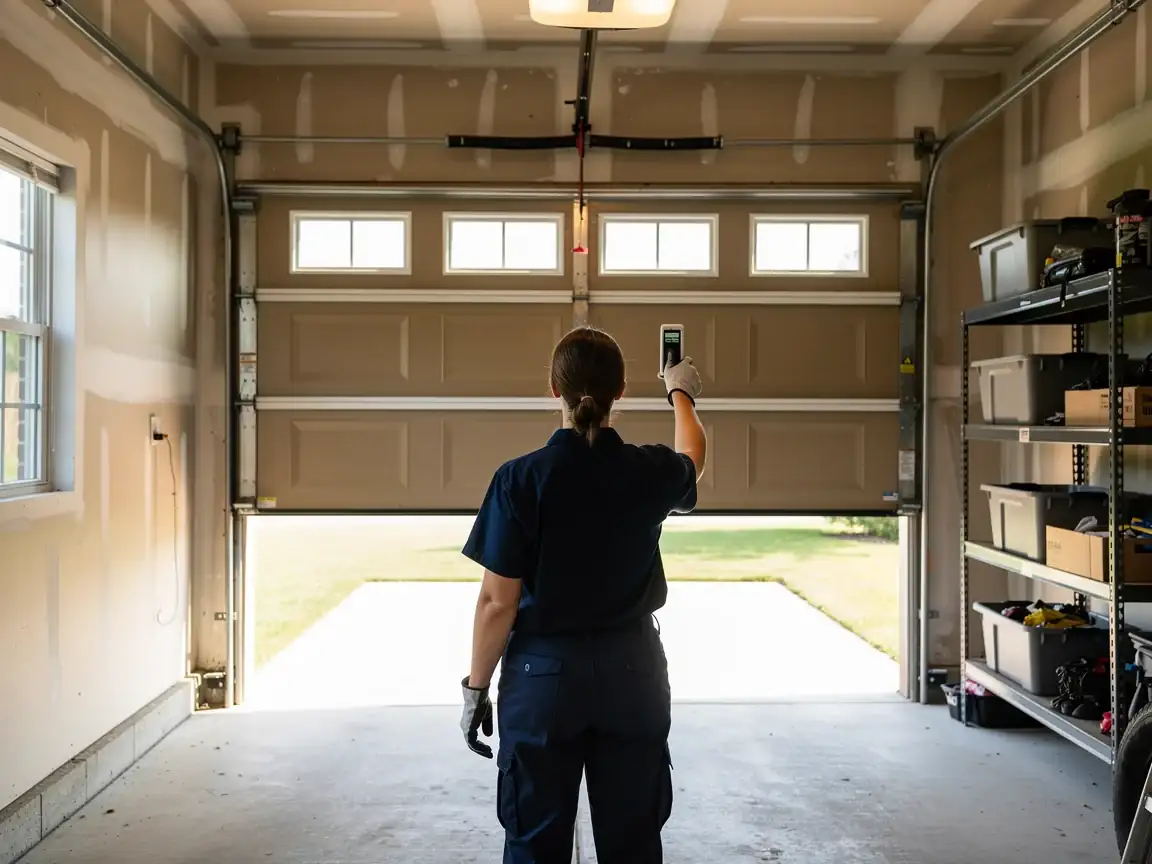
Goldston sits about 11 miles from Sanford, and that drive is a normal part of how the job gets scheduled - it's a short enough trip that a spring or cable repair fits into a standard route day without the truck needing a special trip. What determines how long your door is out of service isn't the distance, it's whether the part needed is something on the truck already or something that has to be special-ordered for an older door. For a torsion spring, cable, or roller job on a typical 1960s steel door, that's usually a same-visit fix once we're on site. A part that doesn't exist off the shelf anymore is the exception, and if that's the case, we'll tell you up front instead of guessing.