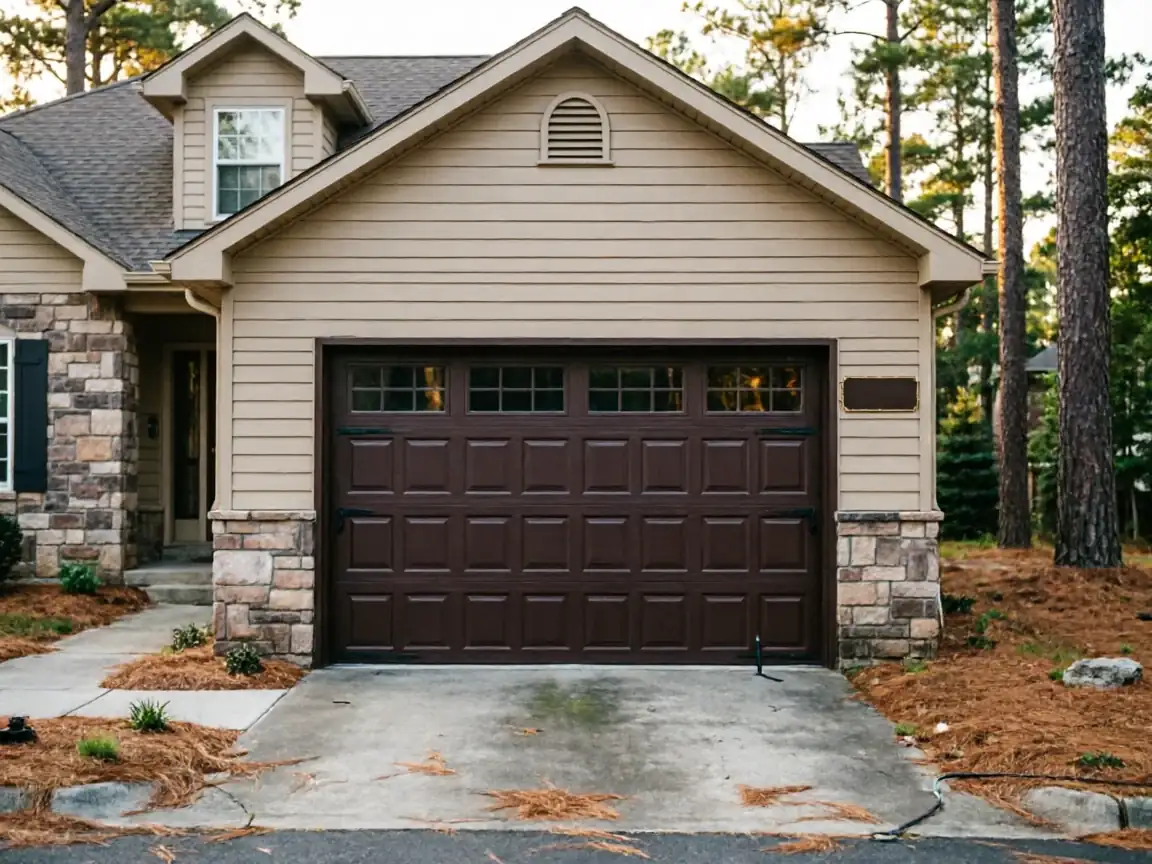
Can You Do This Yourself
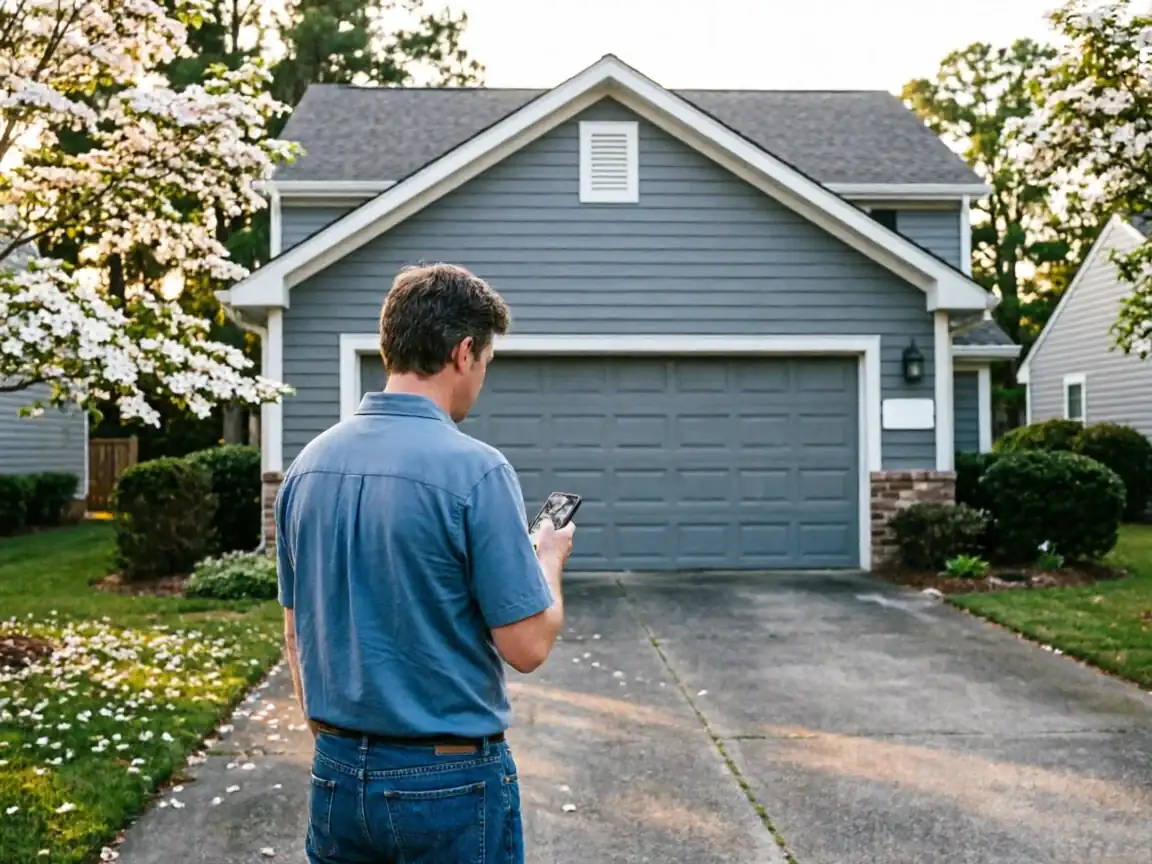
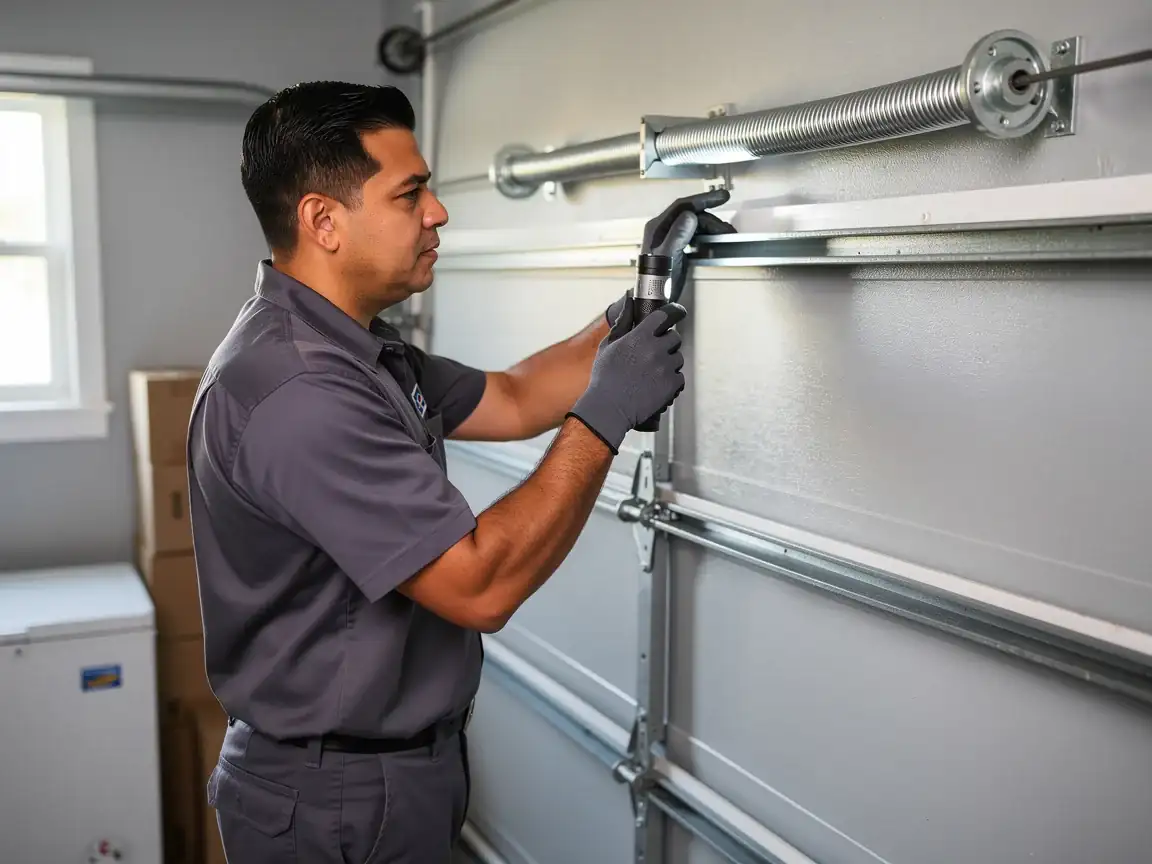
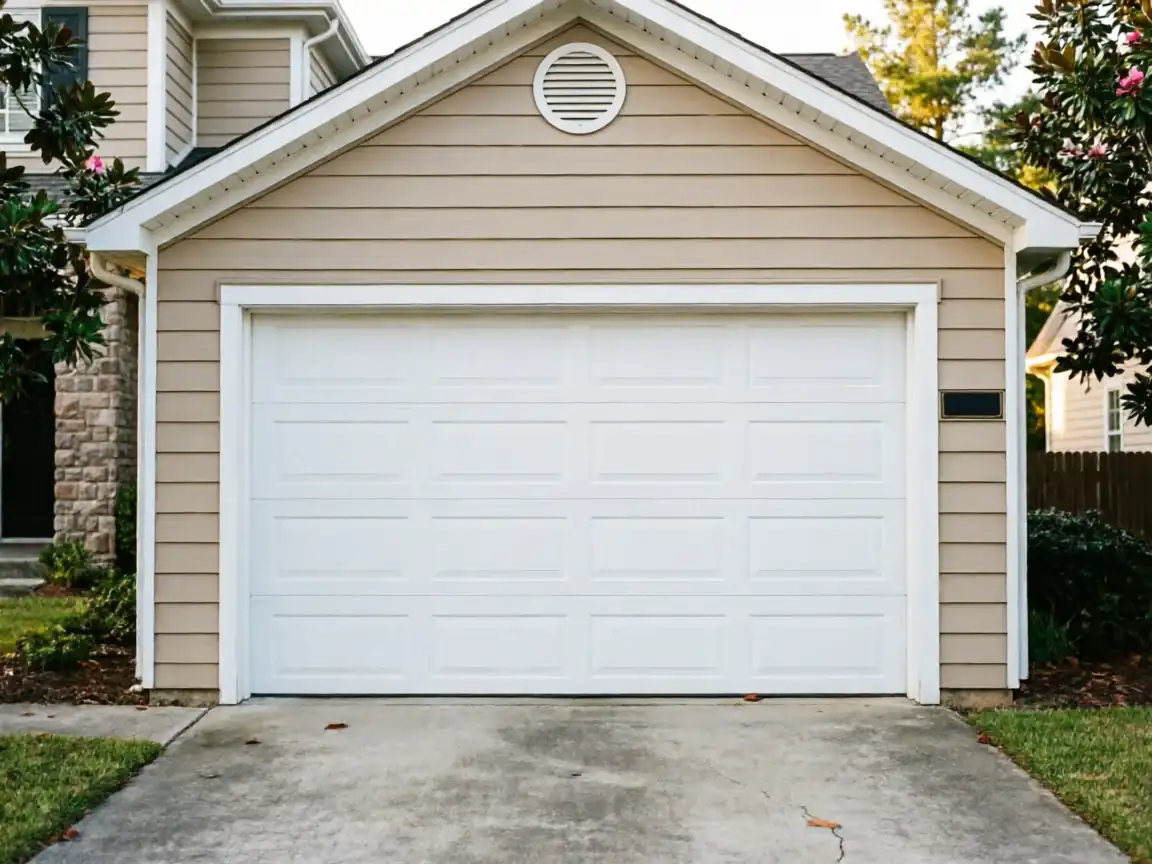
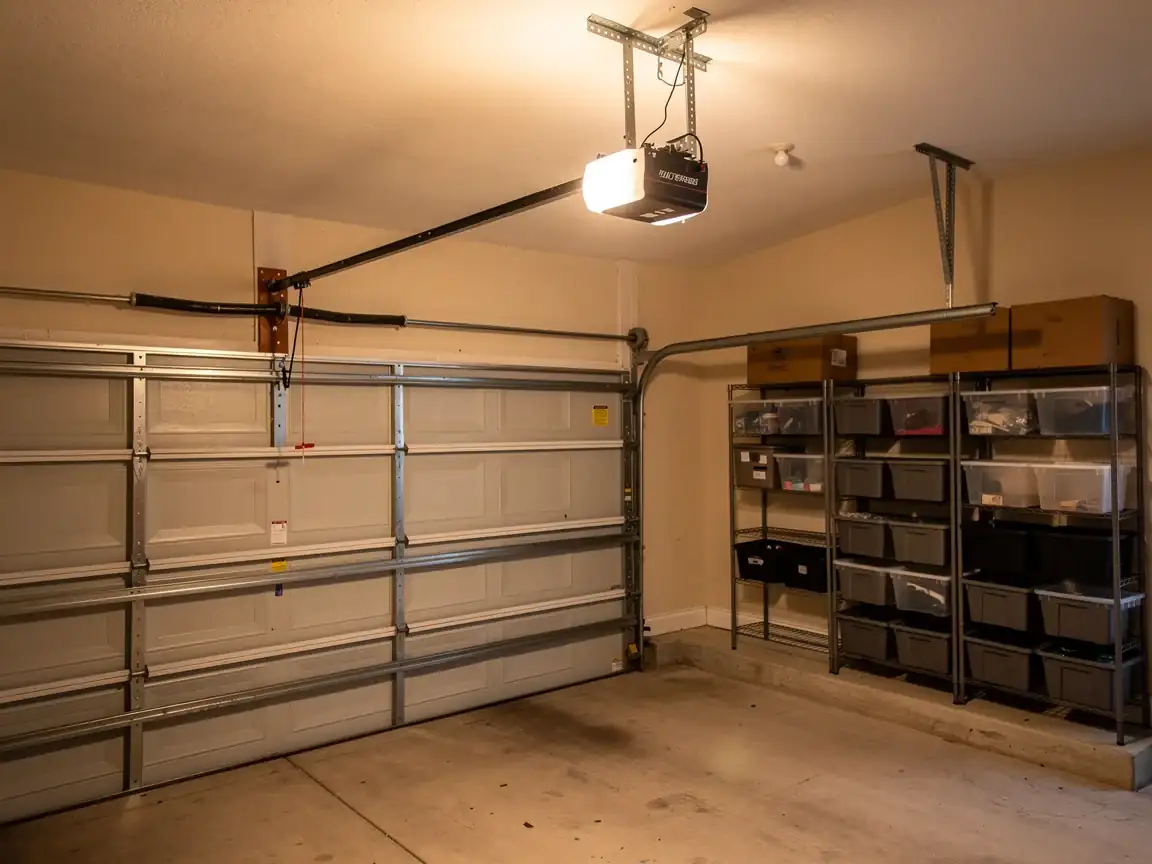
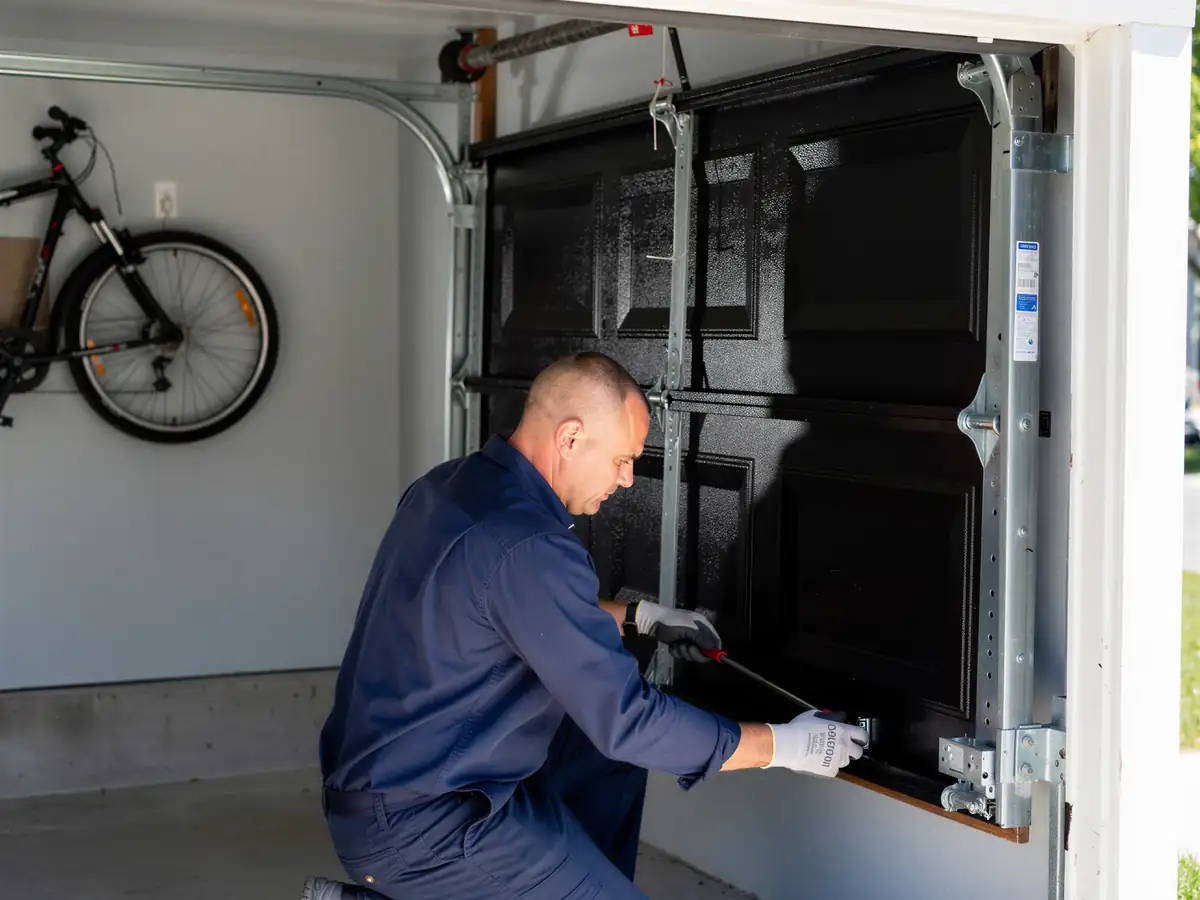
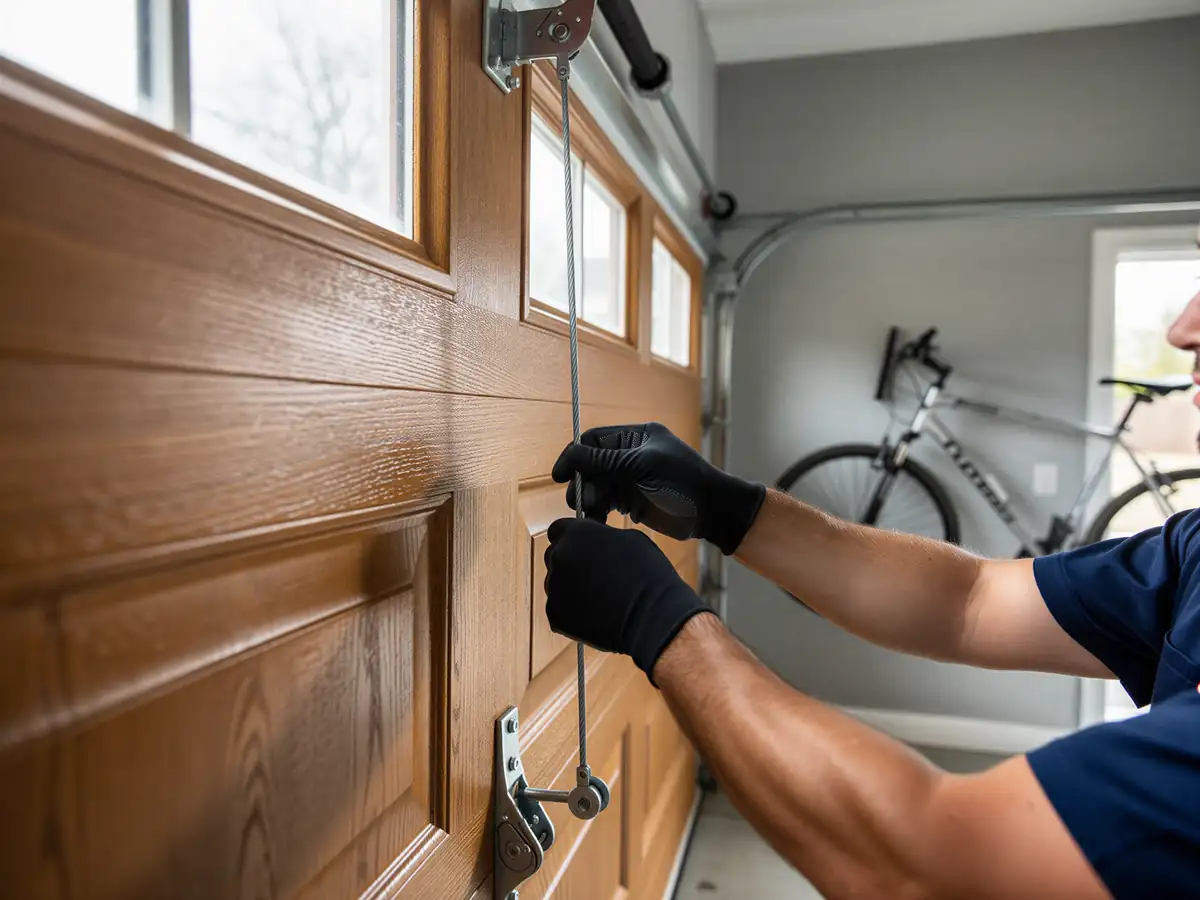
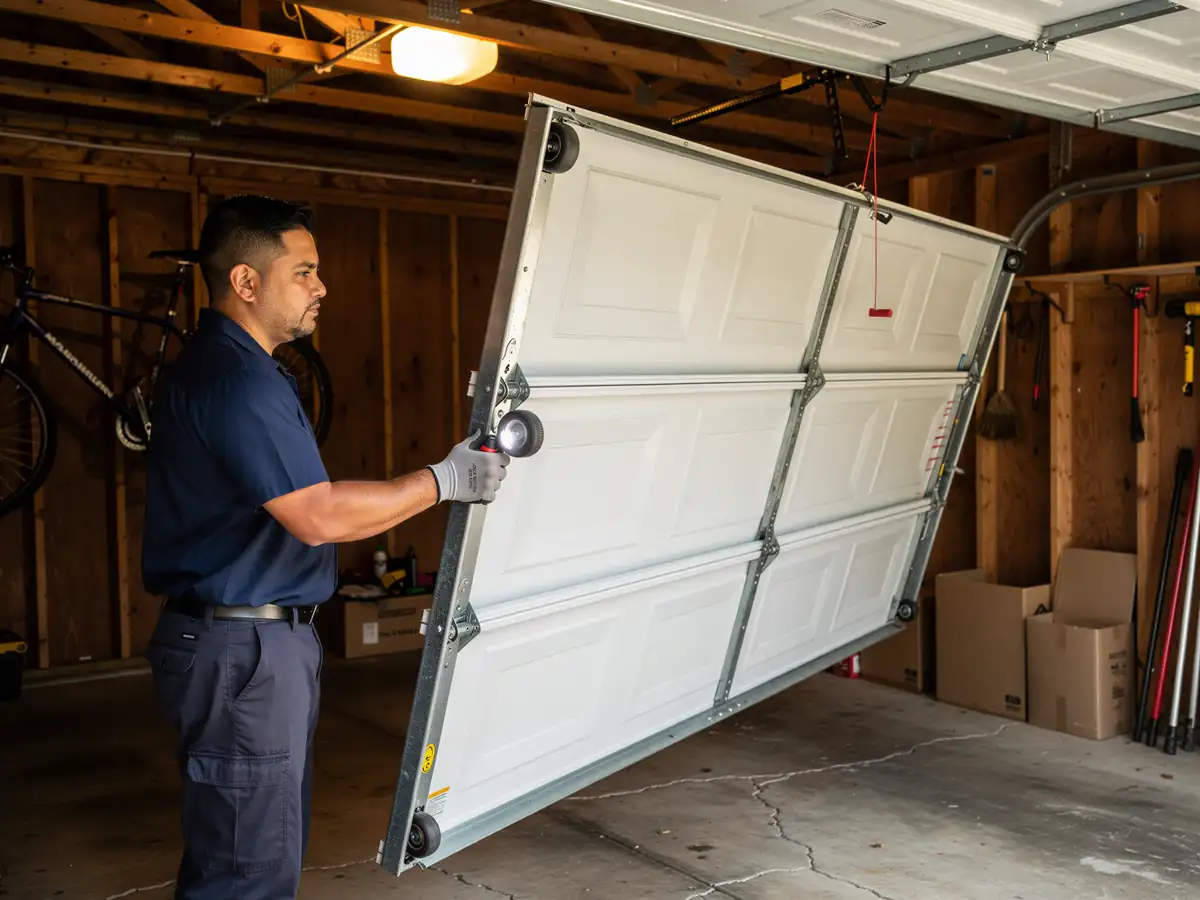
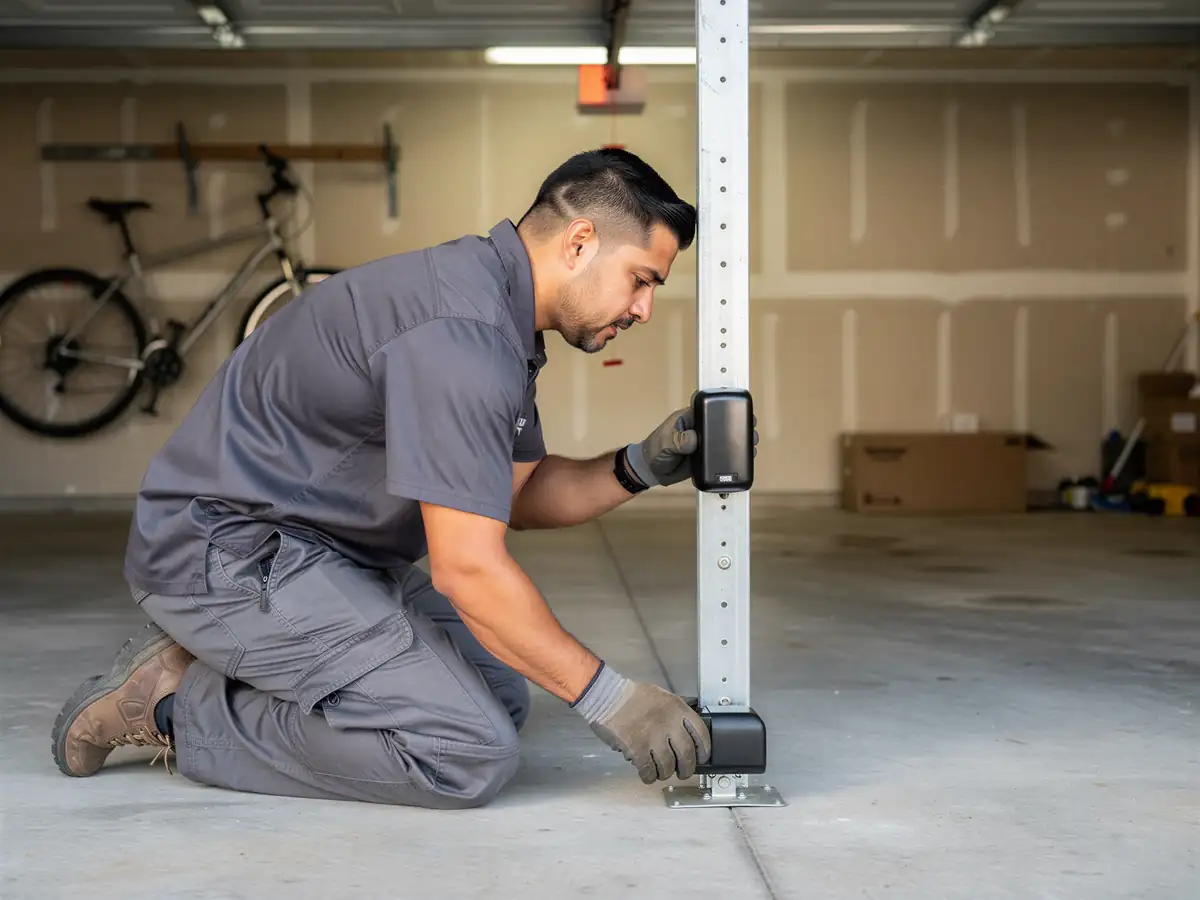
If your door won't move and you can hear the opener motor straining, don't keep hitting the button. On a house built around 1964, which is the median age for Goldston, that strain is usually a broken torsion spring or a cable that's jumped its drum, and forcing the opener past it can bend the track or snap the opener's drive gear next. You can safely do a few things yourself: check that nothing's blocking the photo-eye sensors, make sure the manual release cord hasn't been pulled by accident, and look at the springs above the door for a visible gap. If you see a gap in the spring, stop there. Torsion springs are wound under heavy tension and they're not a weekend project, regardless of how old the door is. What you shouldn't do is cut a cable, try to re-tension a spring, or pry the door open with a bar - that's how people end up in the emergency room, not just without a working garage door. If the door moves but grinds, scrapes, or runs off-track partway, that's a job for someone on site, not a phone diagnosis.
The Symptom
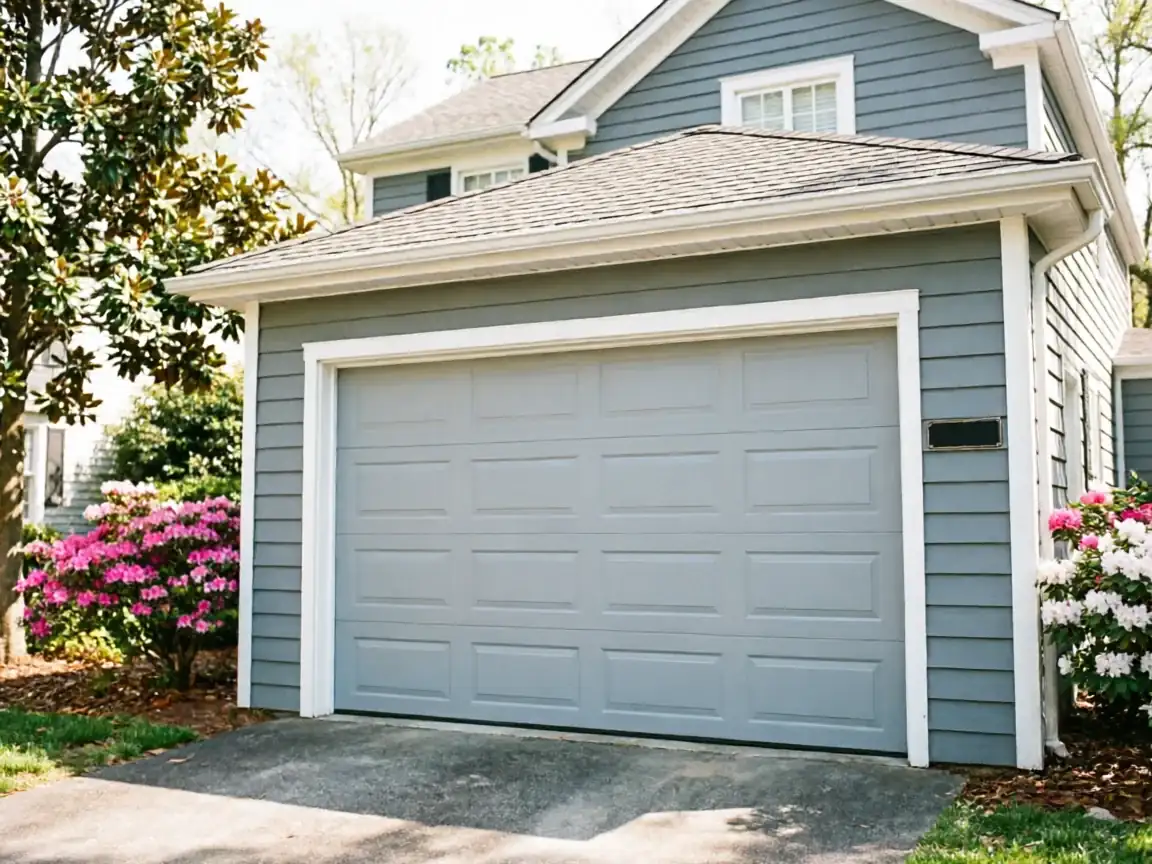
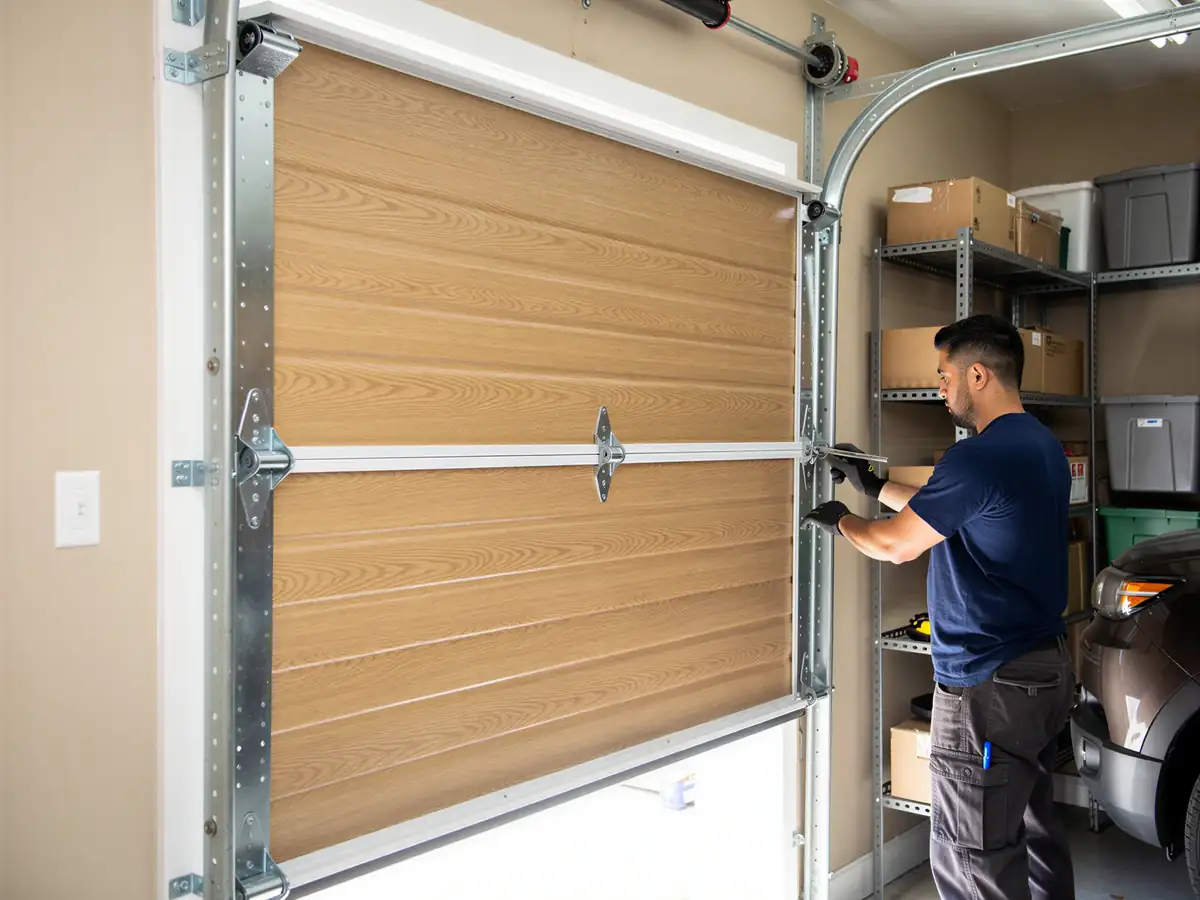
Most calls out of Goldston describe one of two things: a door that won't budge at all, or one that opens a few inches and reverses. Given the age of housing here - the bulk of it going up through the 1960s into the stretch covered by the wider service area's 1955-1999 range - a lot of these doors are still running original or first-replacement torsion hardware sized for lighter, single-layer wood or early steel panels. That hardware wasn't built for the heavier insulated doors a lot of owners have swapped in since, and the mismatch shows up as a spring that's worn out faster than it should, or an opener that's been fighting a door heavier than its gear was sized for. The other common symptom is a cable that's frayed and finally let go on one side, which pulls the door crooked in the track and jams it there. Either way, the fix starts with matching the right spring weight and cable gauge to what's actually hanging on the wall, not just swapping in whatever's closest to the old part's size.
The Complications
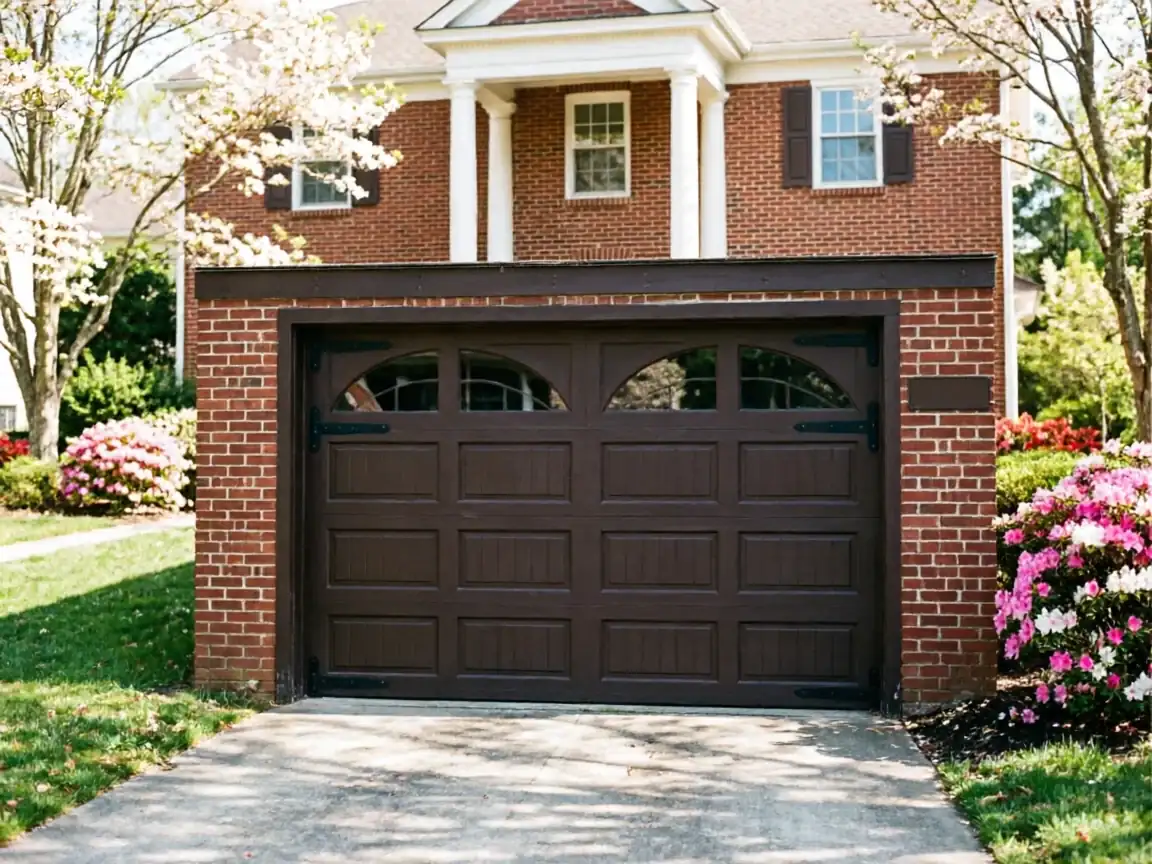
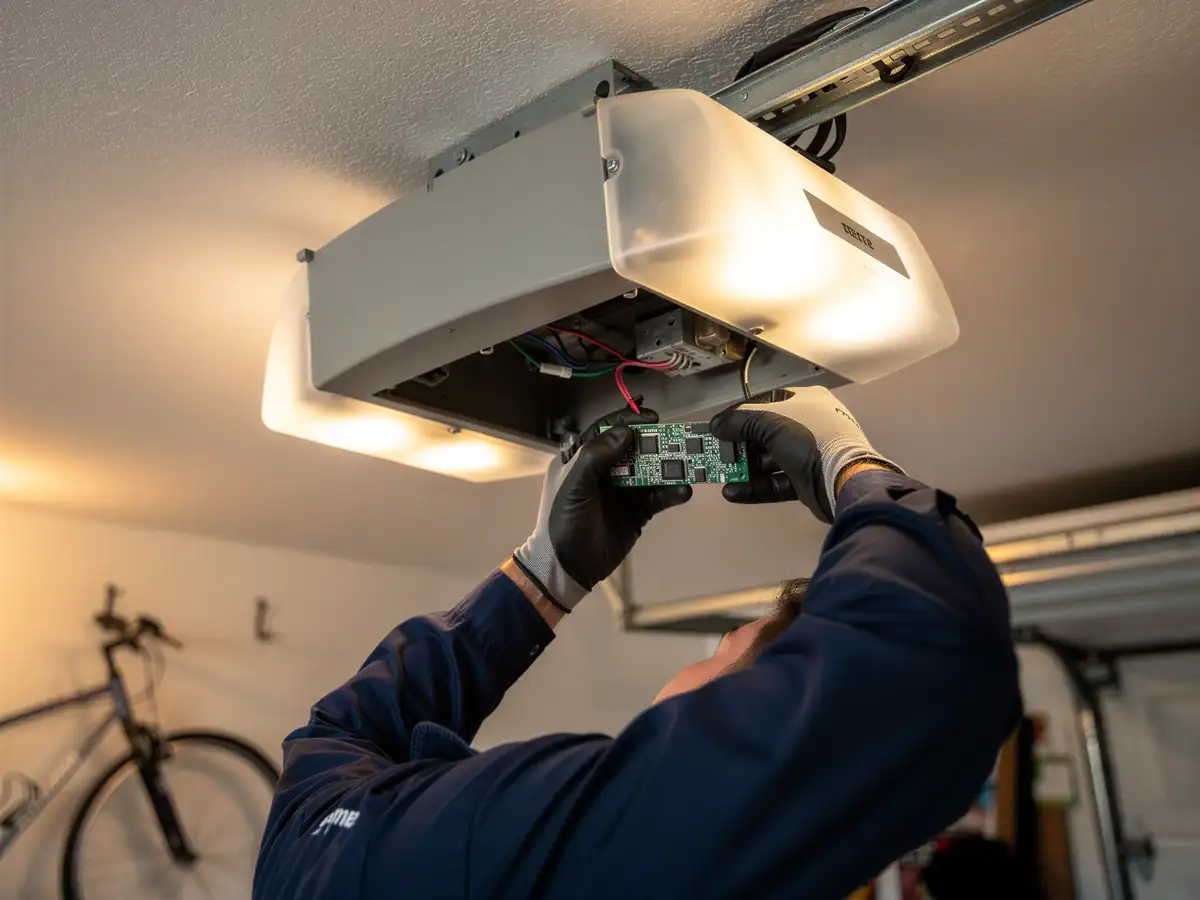
An 11-mile drive from Sanford isn't far, but it does mean the fix has to be right the first time rather than requiring a second trip for a part that should've been on the truck. The bigger complication on Goldston jobs specifically is the mismatch between door age and door weight mentioned above: an owner who upgraded to a heavier insulated door years back but kept the original torsion spring setup is running hardware that's been quietly overworked the whole time, and when it finally fails, it can take the cable and sometimes the drum with it. That's a more involved repair than a straight spring swap. Another complication worth naming honestly: if the opener itself is original to a 1960s-era install, replacement parts for that specific unit may not exist anymore, and the honest answer is a new opener rather than a repair. We won't spend your money chasing parts for a unit that's past being serviceable.
How Long You Are Without the Door
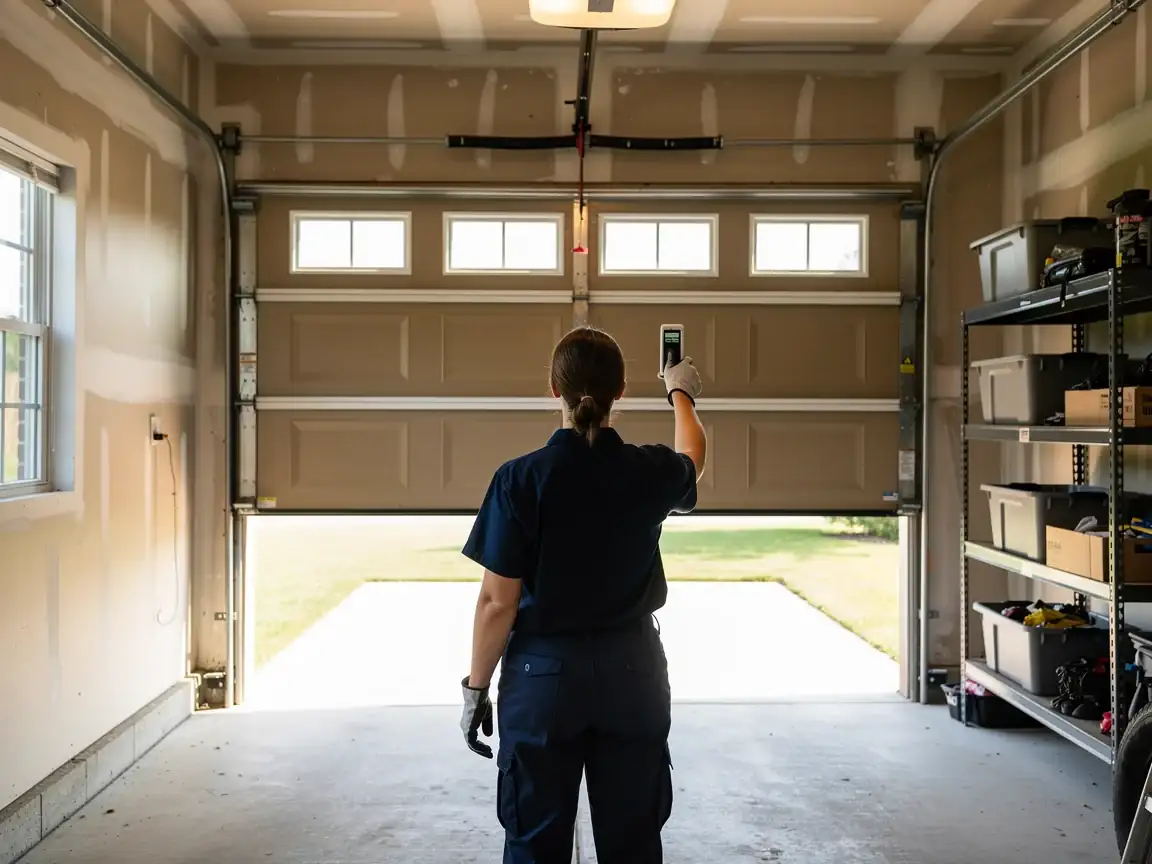
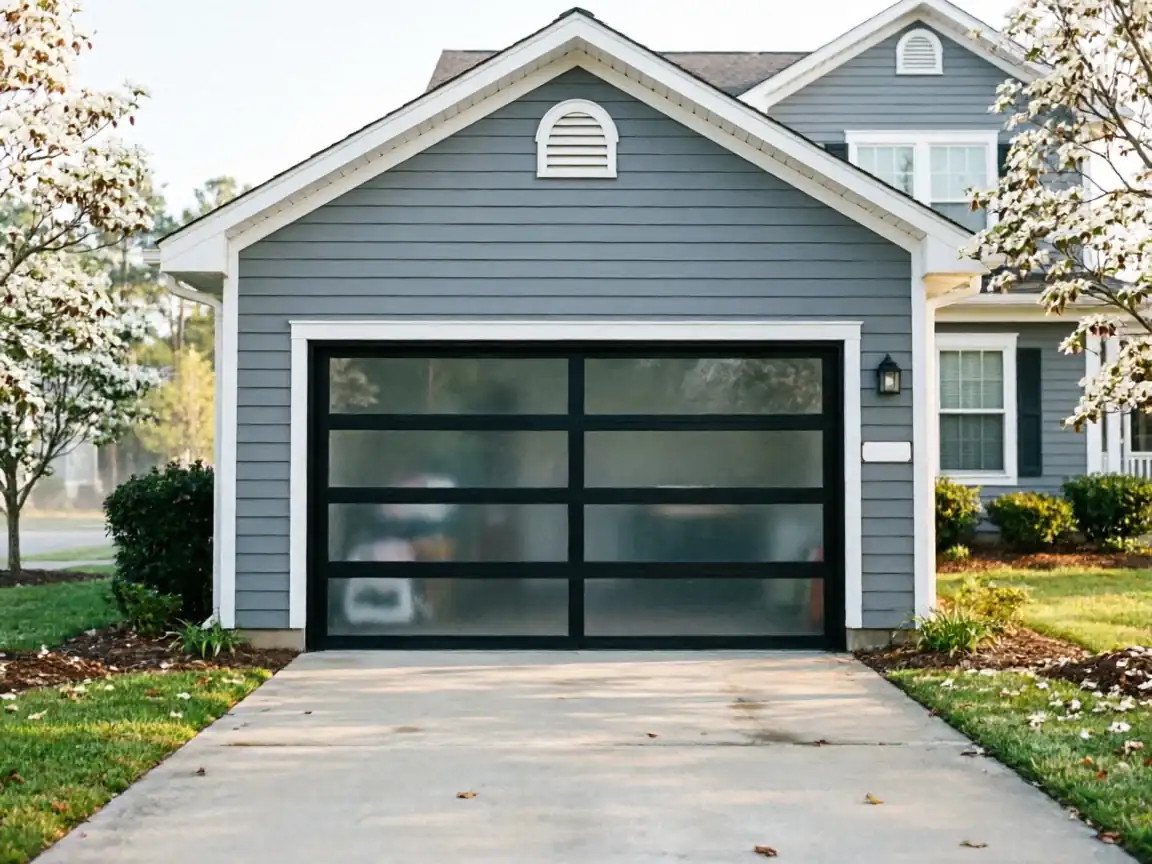
A straightforward torsion spring or cable replacement on a standard residential door is usually resolved in one visit once the truck is on site. What stretches that out is exactly the complication above: if the opener board or a specialty bracket has to be special-ordered because it doesn't match anything on the truck, you're looking at a return trip once the part arrives rather than a same-day finish. We'd rather tell you that up front than promise a timeline we can't back up from an 11-mile drive out and a part we don't have in hand. If the door is drivable off-track or jammed shut and you've got no other way into the garage, say so when you call - that changes how the job gets prioritized against everything else on the schedule that day.