Can You Do This Yourself
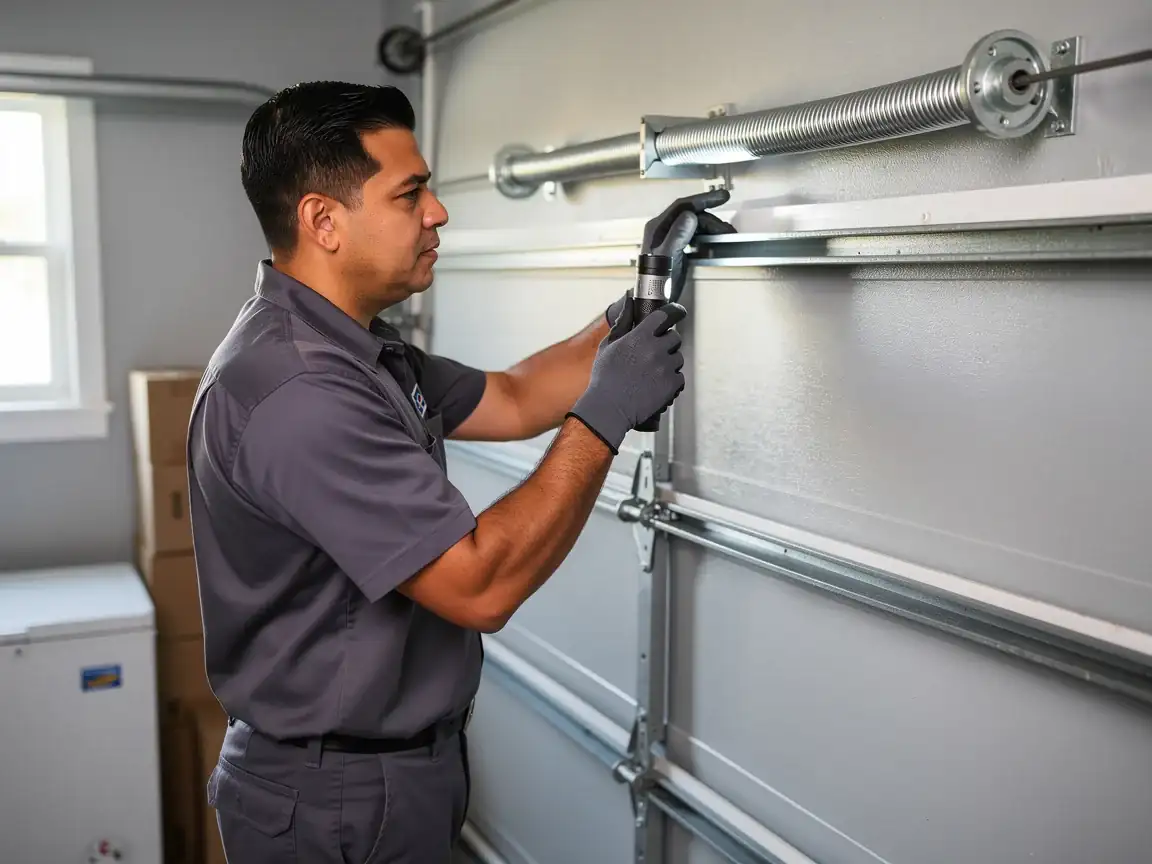
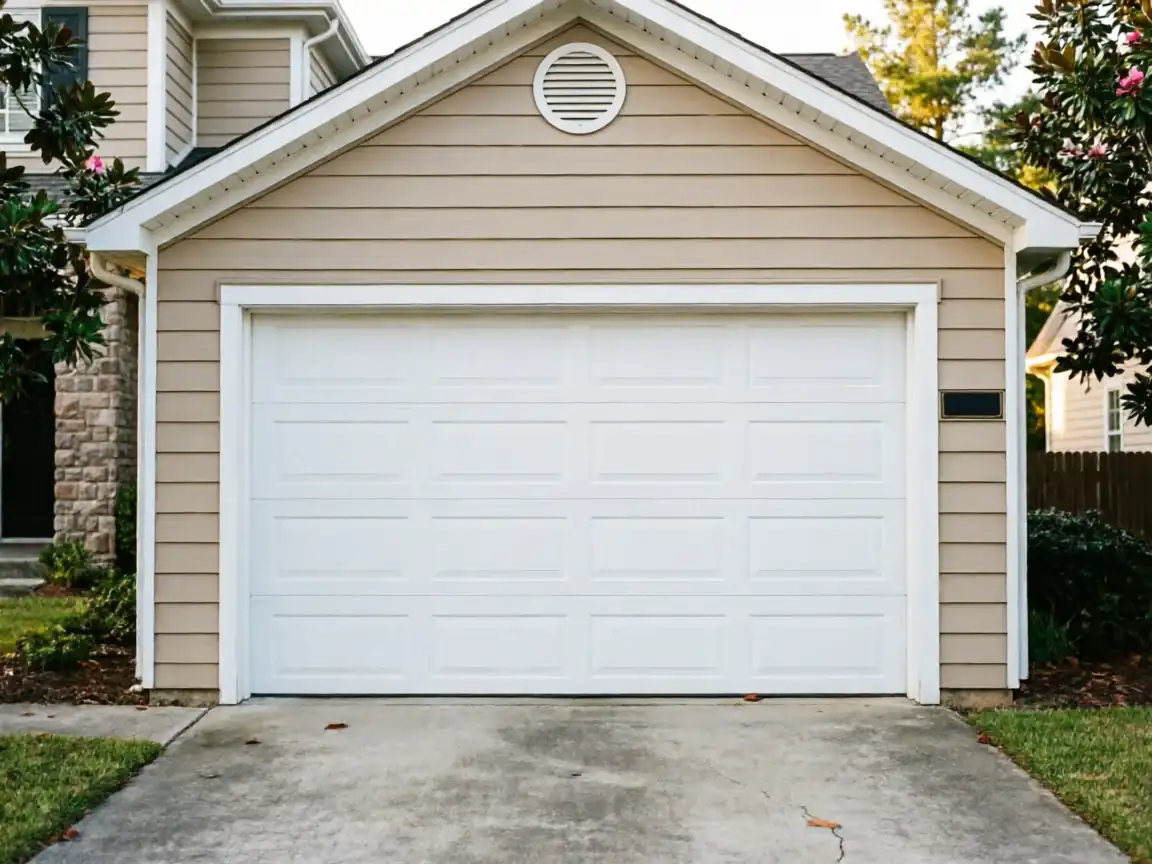
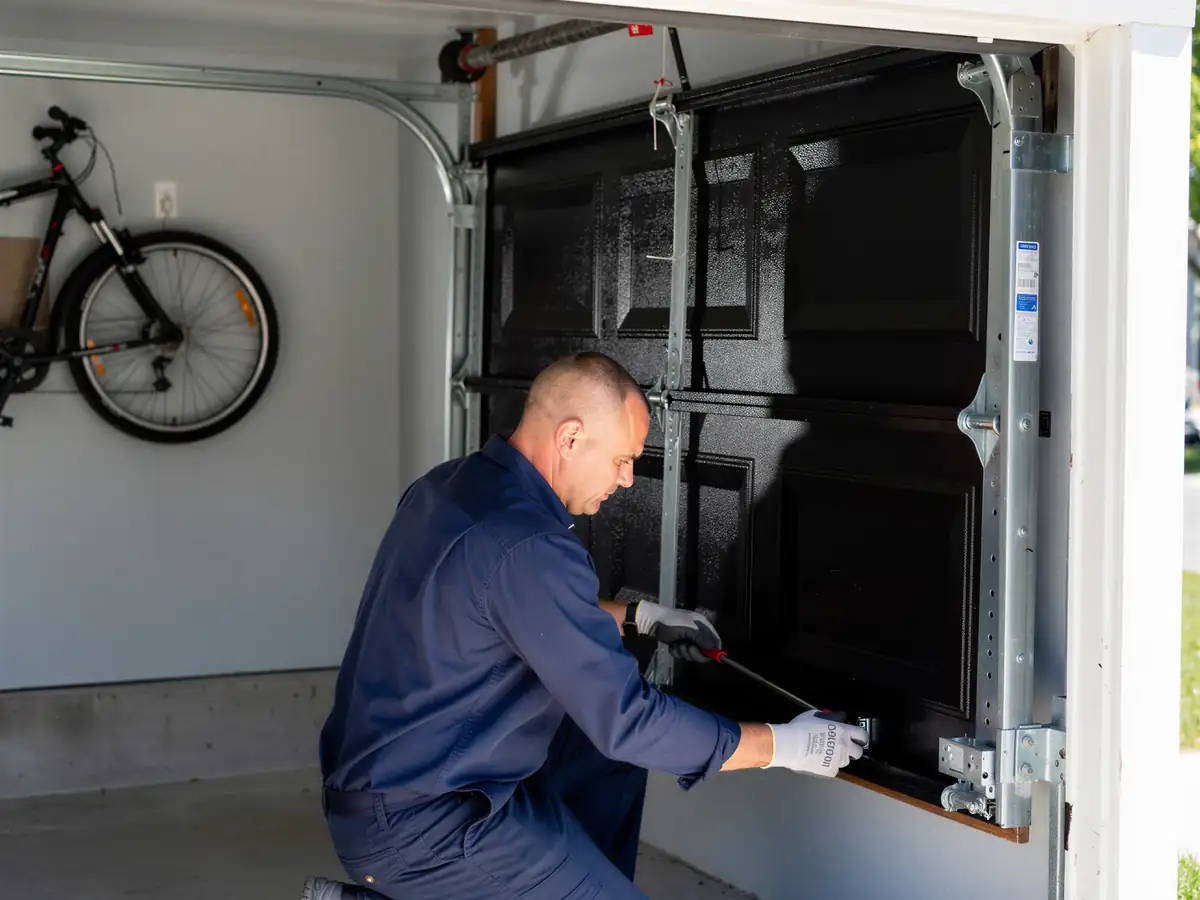
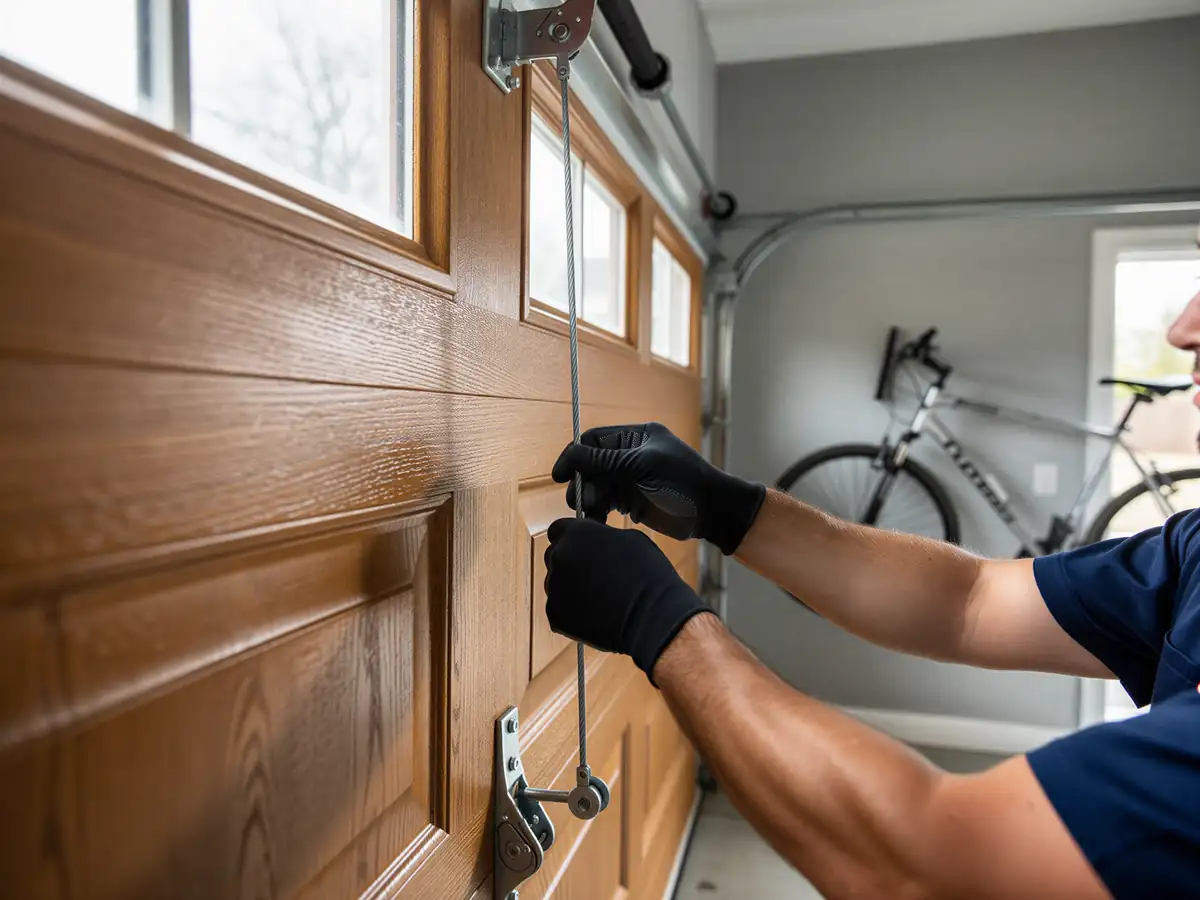
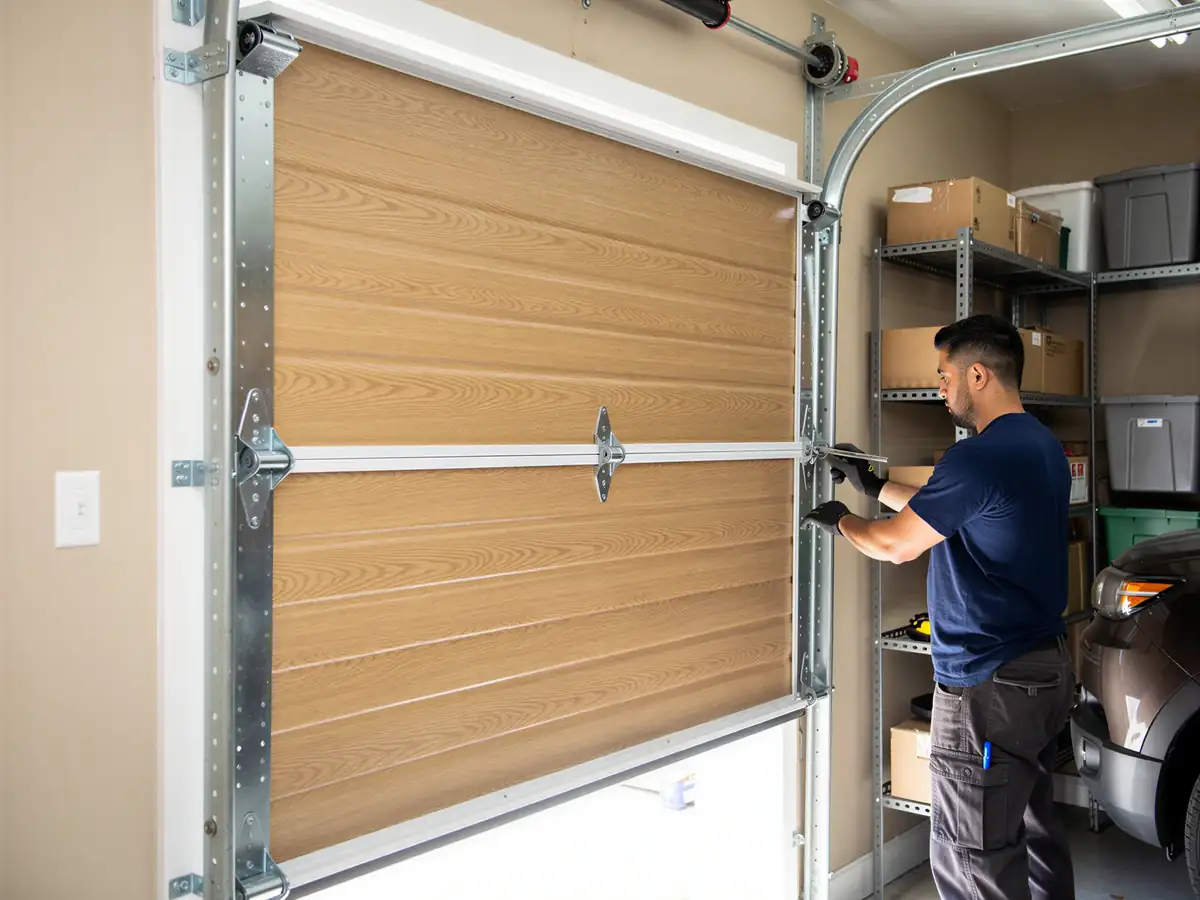
A lot of Goldston's garage openings date to around 1964, and most of what's bolted to the jamb today is whatever went in when the house was framed. That means original track brackets, original hinges, sometimes an original single-panel door that was never built to current spring tension standards. Swapping that out isn't a weekend project with a rented torque wrench. The opening itself often needs squaring before a new door will seal against our winters, and the header may not have the clearance modern track hardware assumes. If you've got a steady hand and you're replacing like-for-like on a door that's square and plumb, fine. But if the jamb has shifted over sixty years of settling, or the old track was never centered right to begin with, you're better off having someone measure it properly before you order anything. Ordering the wrong width or the wrong headroom spec on a 1964 opening is an expensive mistake to fix after delivery.
The Symptom
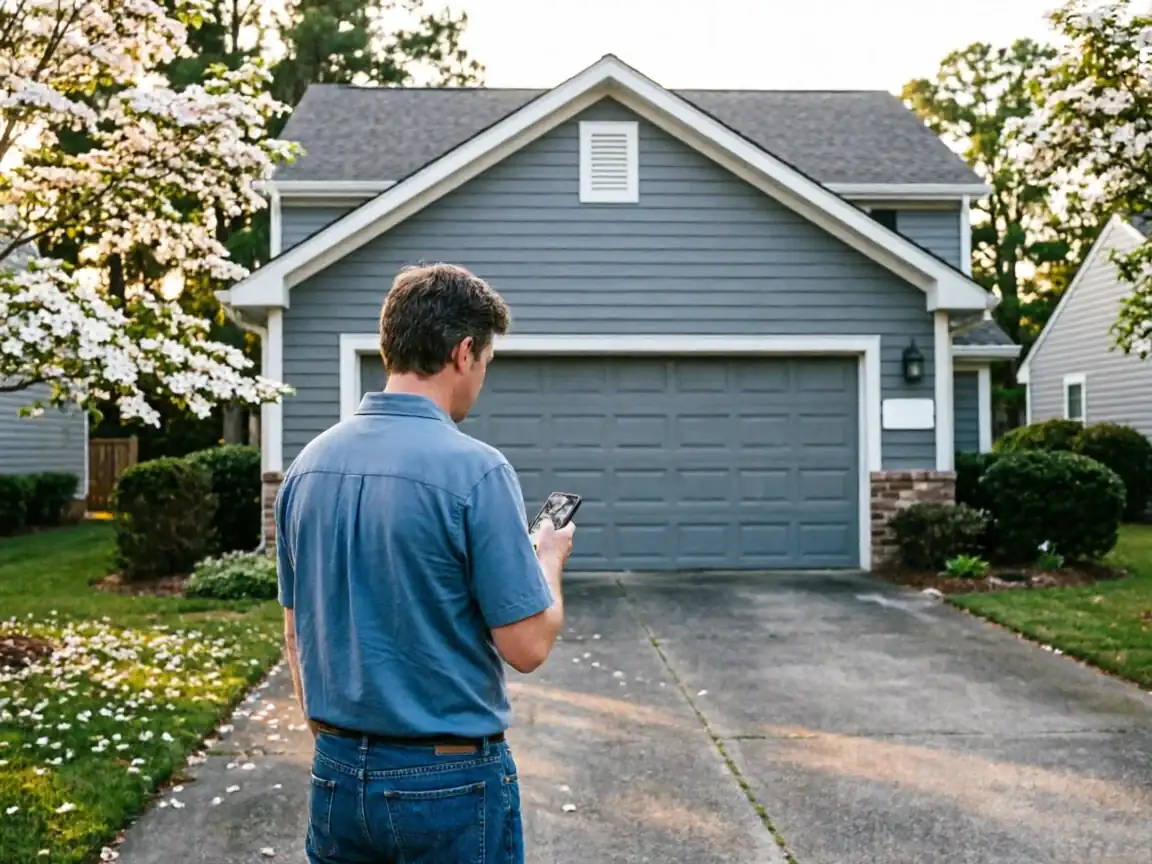
What we usually hear first isn't "I want a new door," it's a list of smaller complaints: the door doesn't sit flush at the bottom anymore, it's heavier to lift by hand than it used to be, or the opener strains and reverses before it closes. On a house this age, those symptoms usually trace back to a door and track that have never been replaced, not once, since the house went up. The panel has warped slightly with sixty years of temperature swings, the track has shifted a quarter inch out of true, and the whole system is just tired. At that point you're not patching a working door, you're replacing a system that's reached the end of what it can do.
The Complications
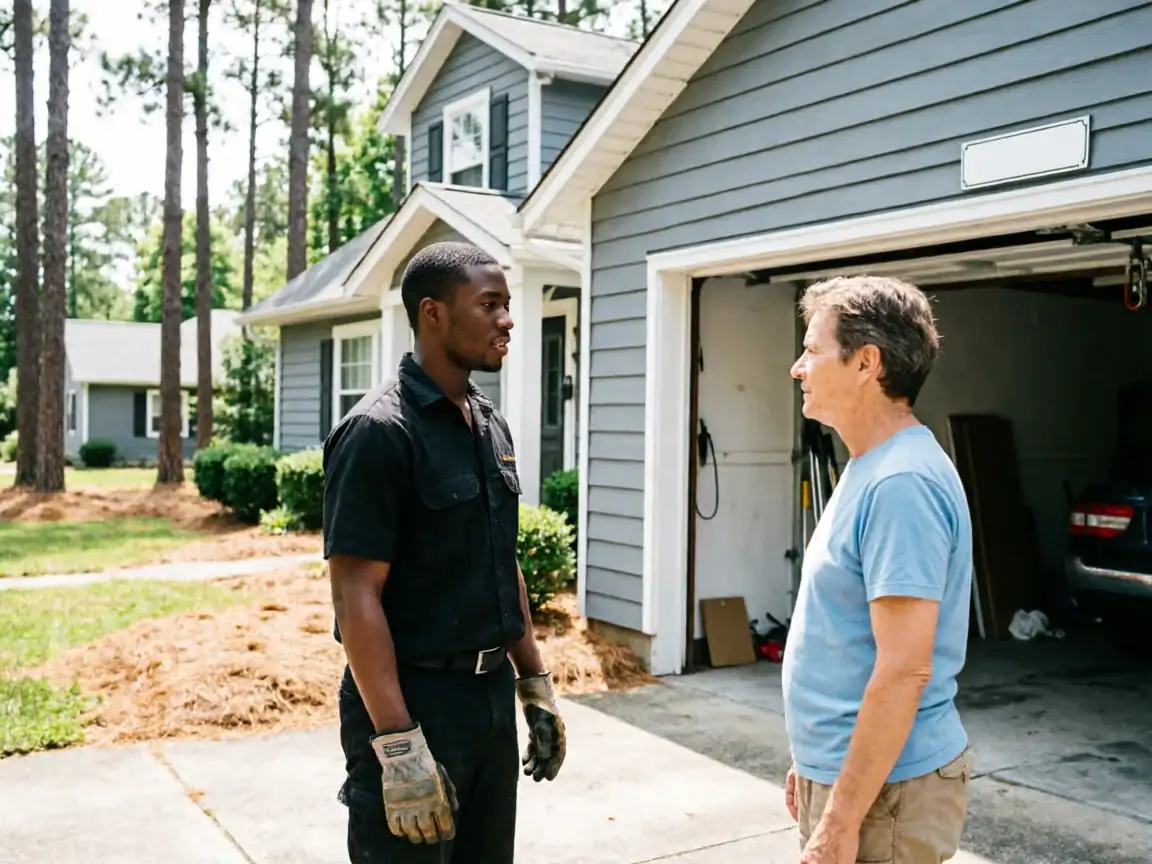
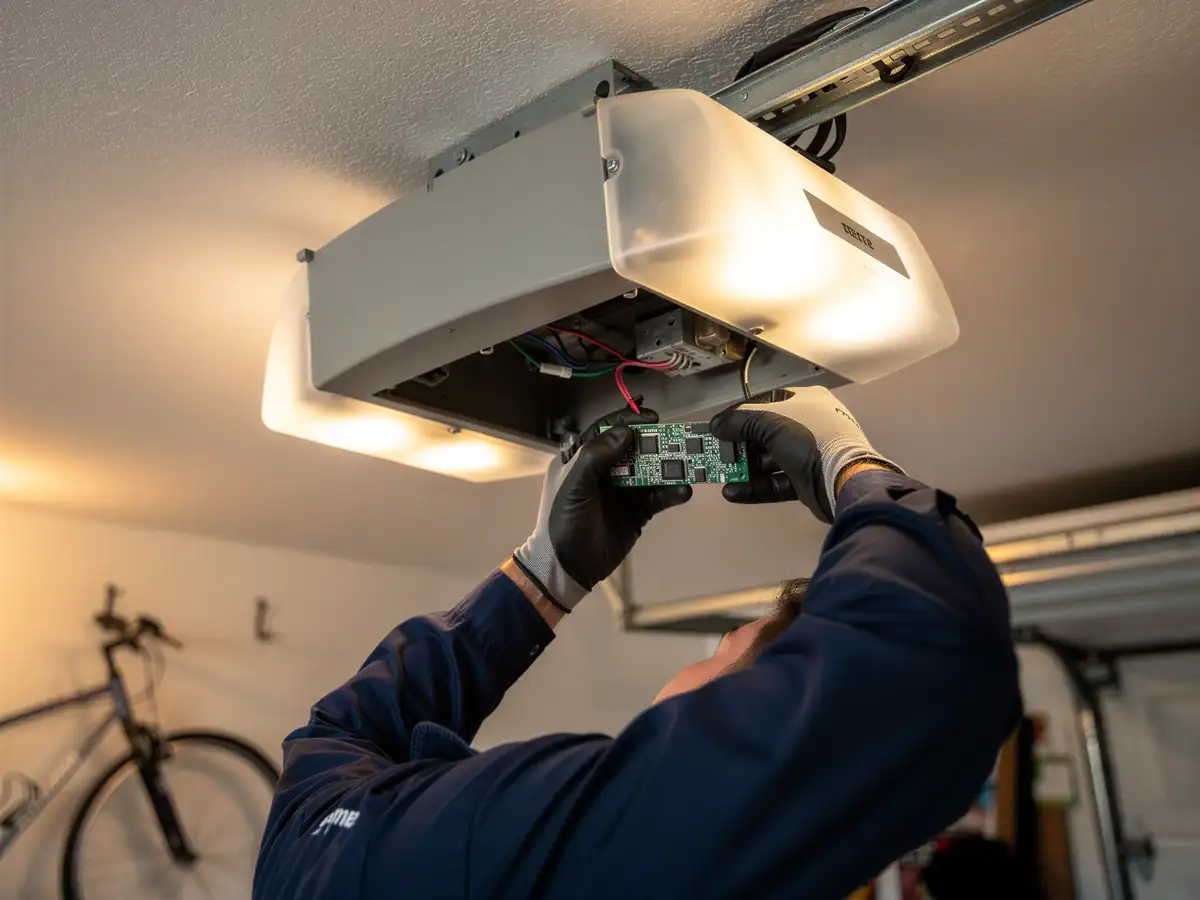
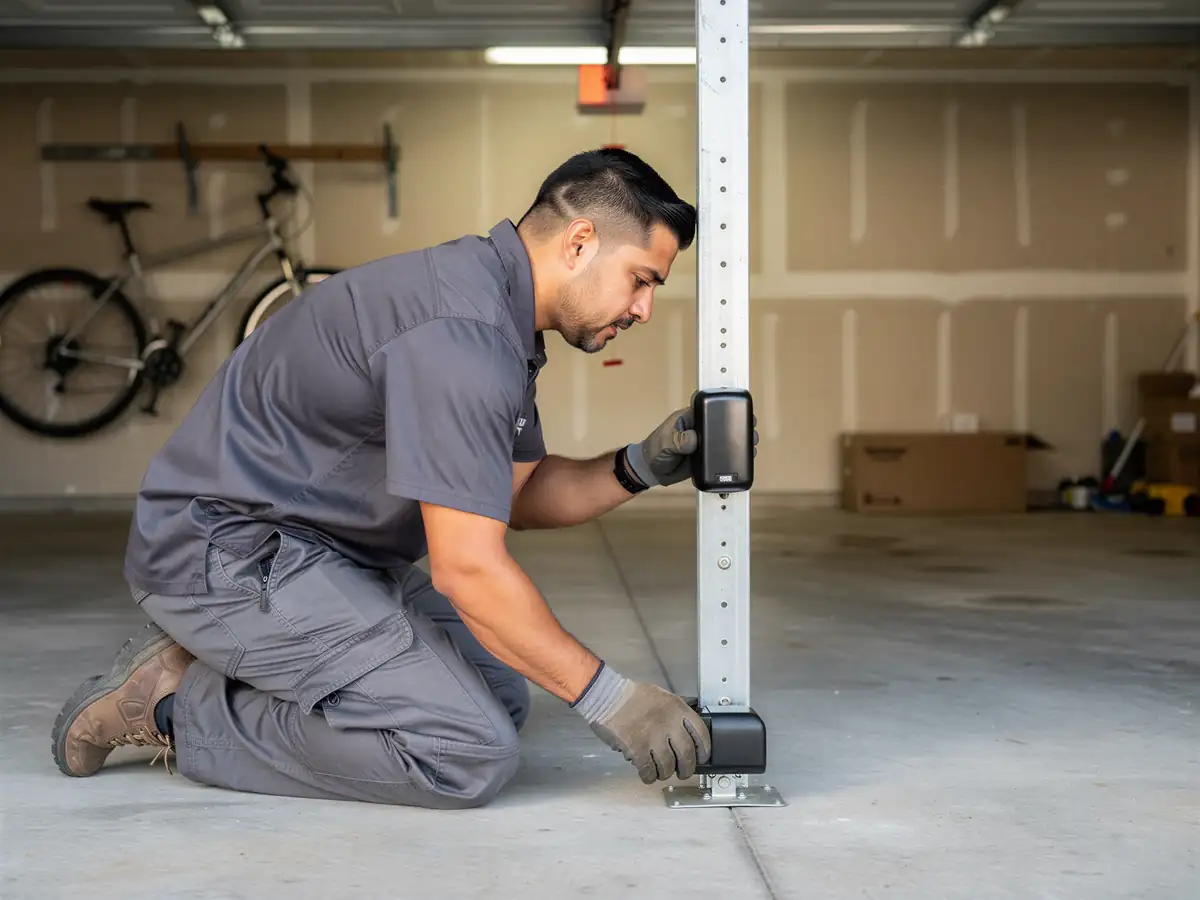
Cold-climate moderate conditions mean we spec doors and weatherstripping rated for that band, not the lighter seal kits sold for warmer regions. On older openings, the jamb and header have usually moved slightly over decades of freeze-thaw, so a stock-sized door can need shimming or a header extension to seat right. We also see openers tied into original wiring that predates any safety-reversal code - that has to be addressed as part of the install, not left as-is. None of this is unusual for a house from this era, but it does mean the job is rarely a straight unbolt-and-rebolt. We'll flag anything we find once we're on site, before we cut into anything.
How Long You Are Without the Door
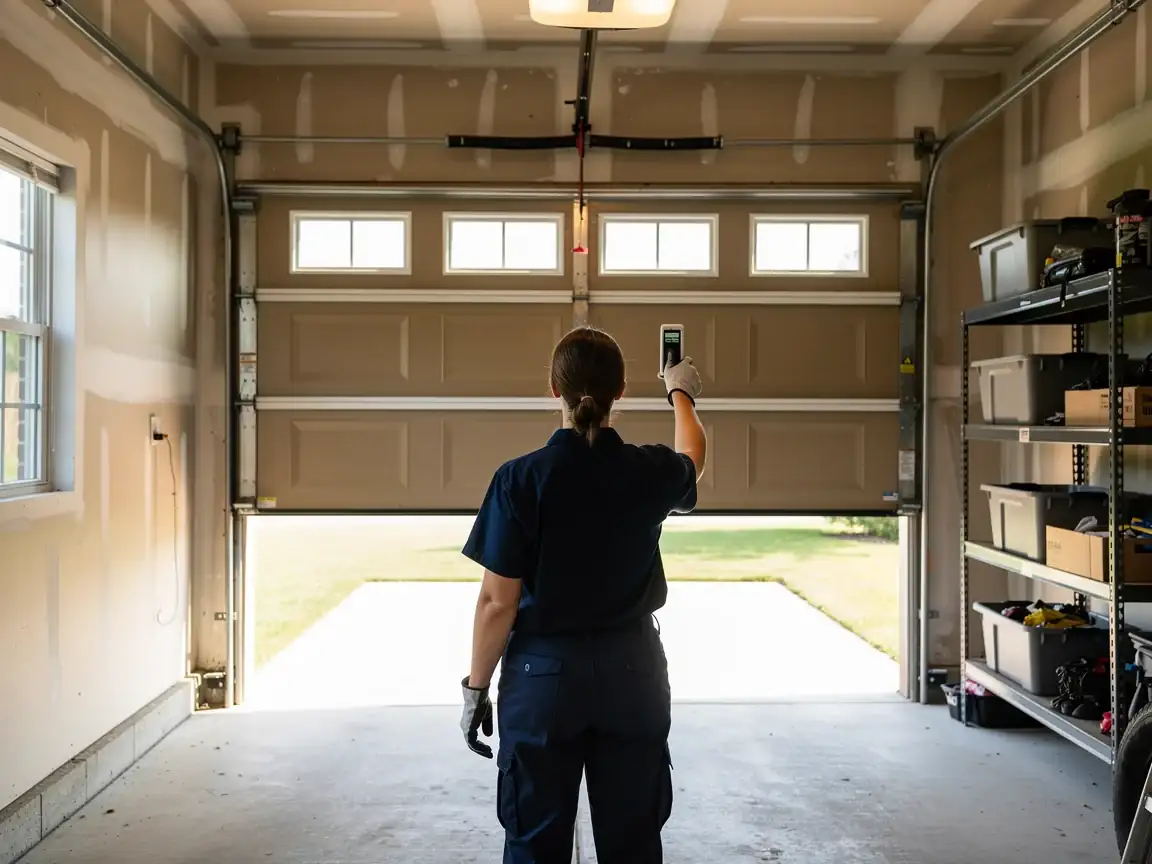
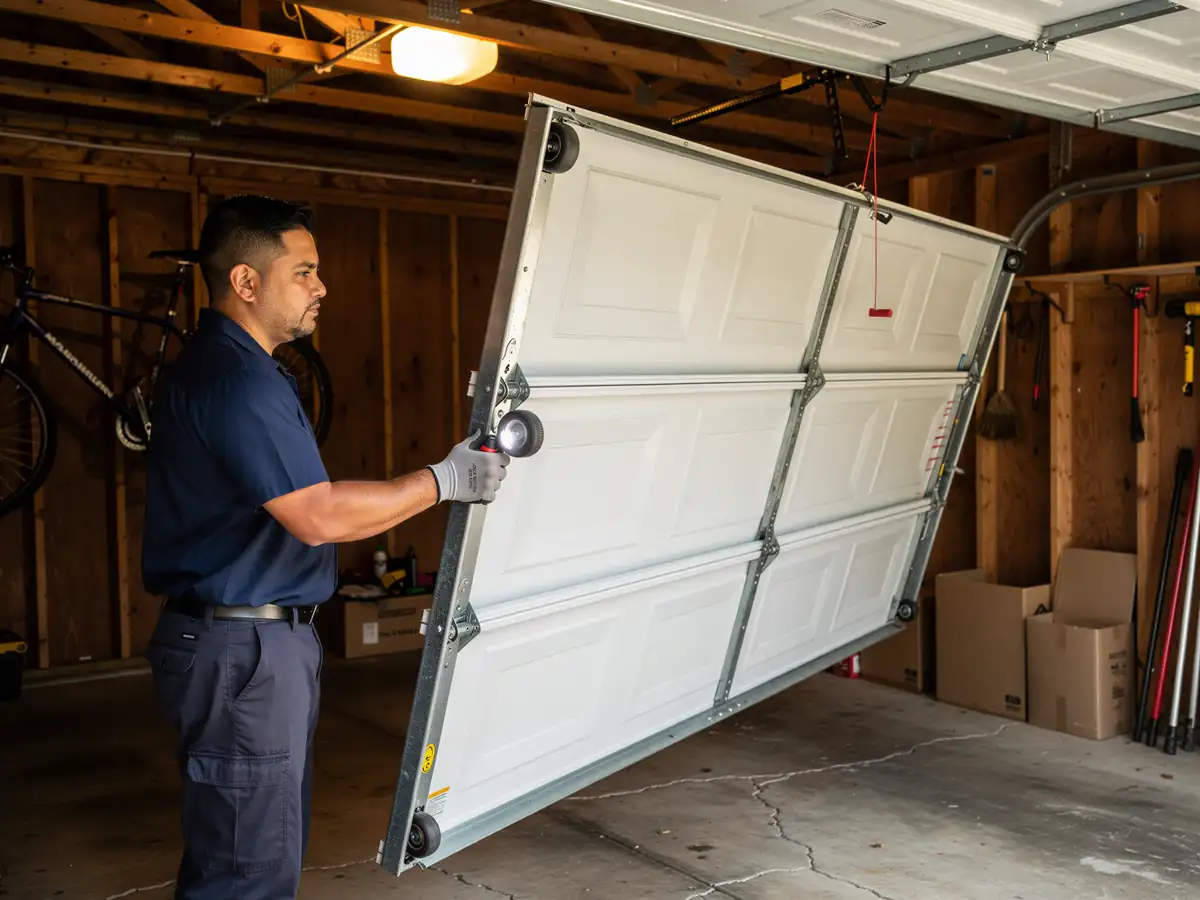
Once we're on site with the right door and hardware, a standard single-door installation on a prepped opening runs the better part of a day. If the jamb needs squaring or the header needs work because of how the opening has settled, add time for that before the door itself goes in. We travel from Sanford, about 11 miles to Goldston, so scheduling factors into when we can start, but once the crew is there the work itself doesn't stretch over multiple visits unless we hit something structural that needs a second trip to source.