Can You Do This Yourself
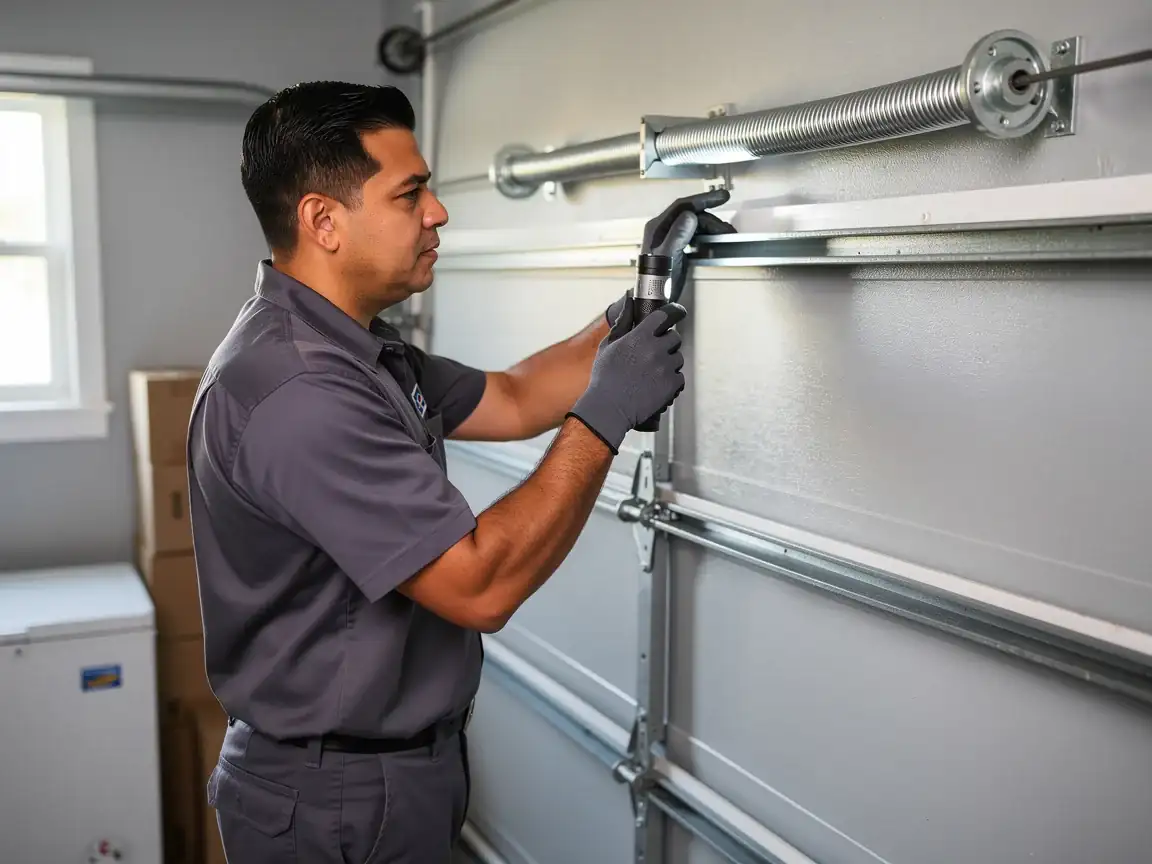
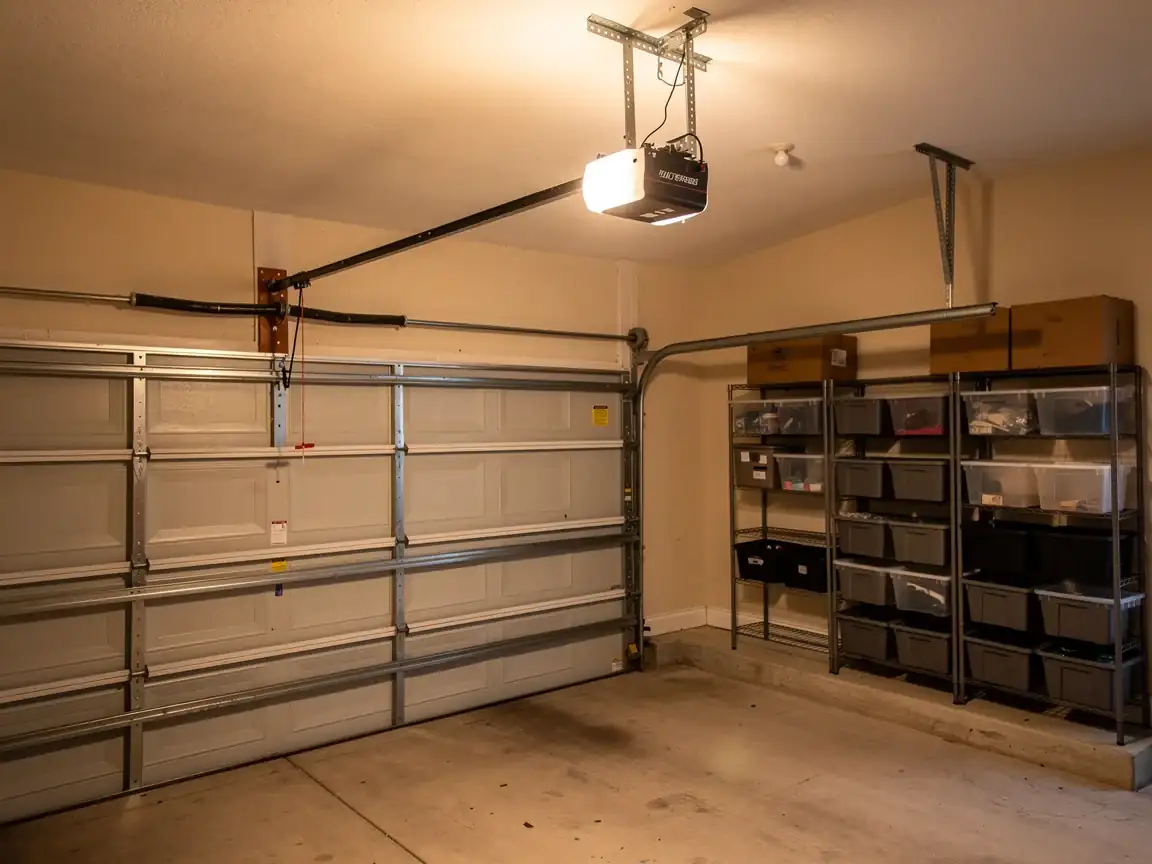
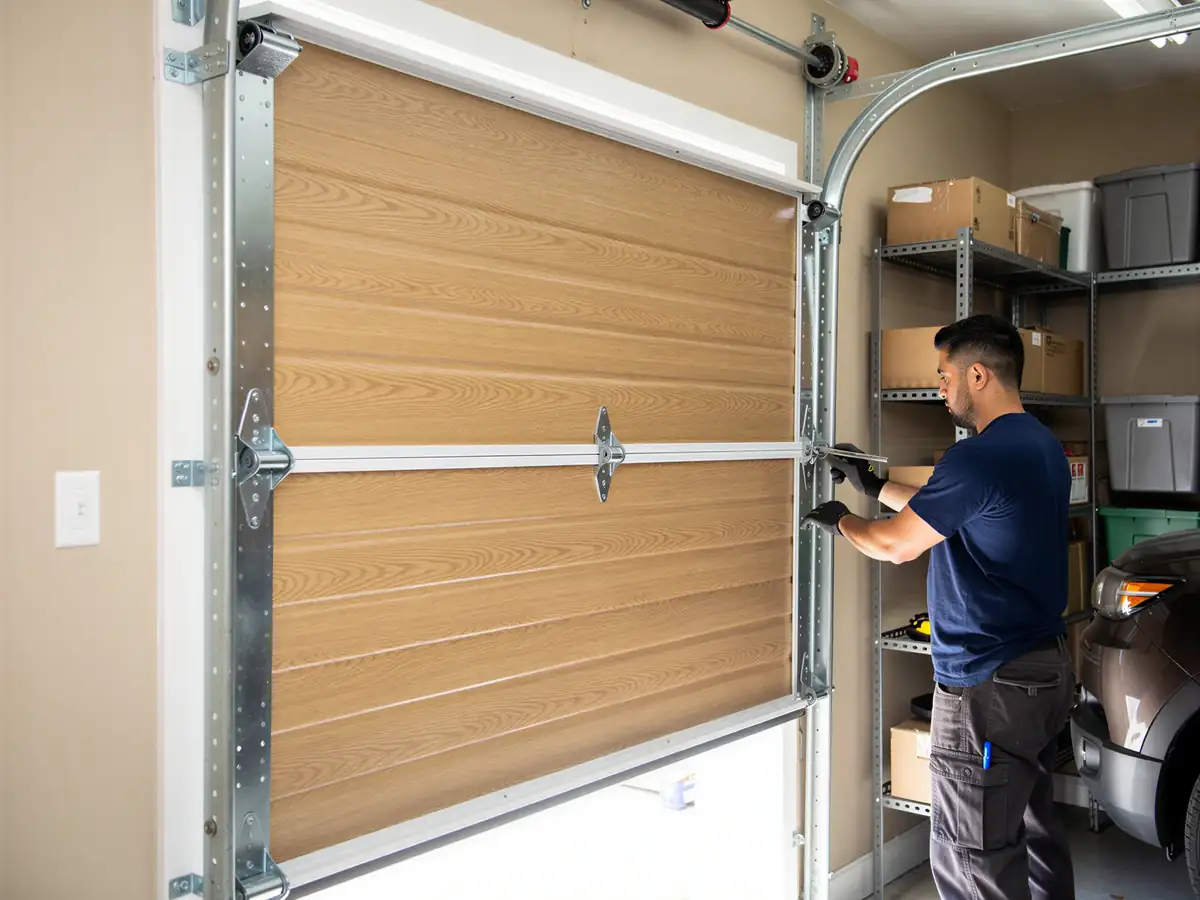
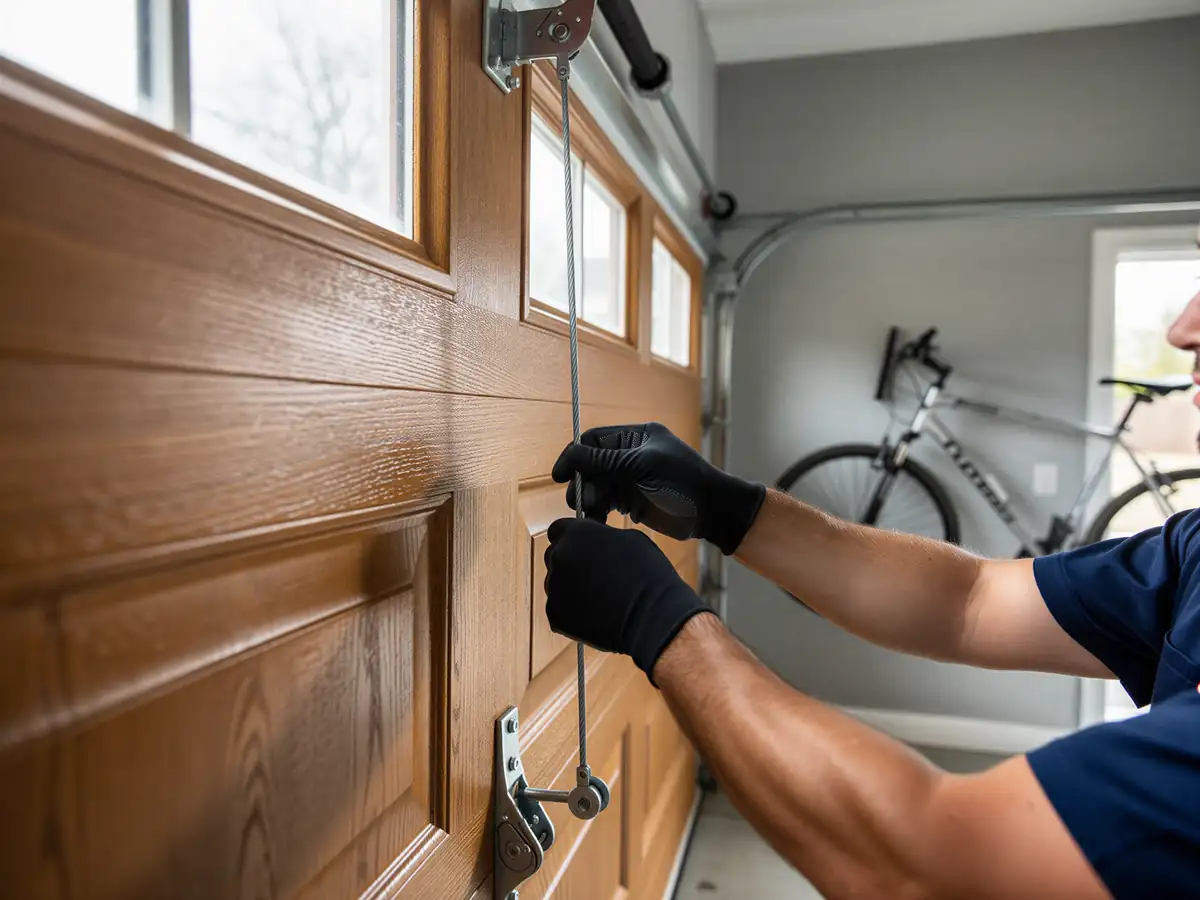
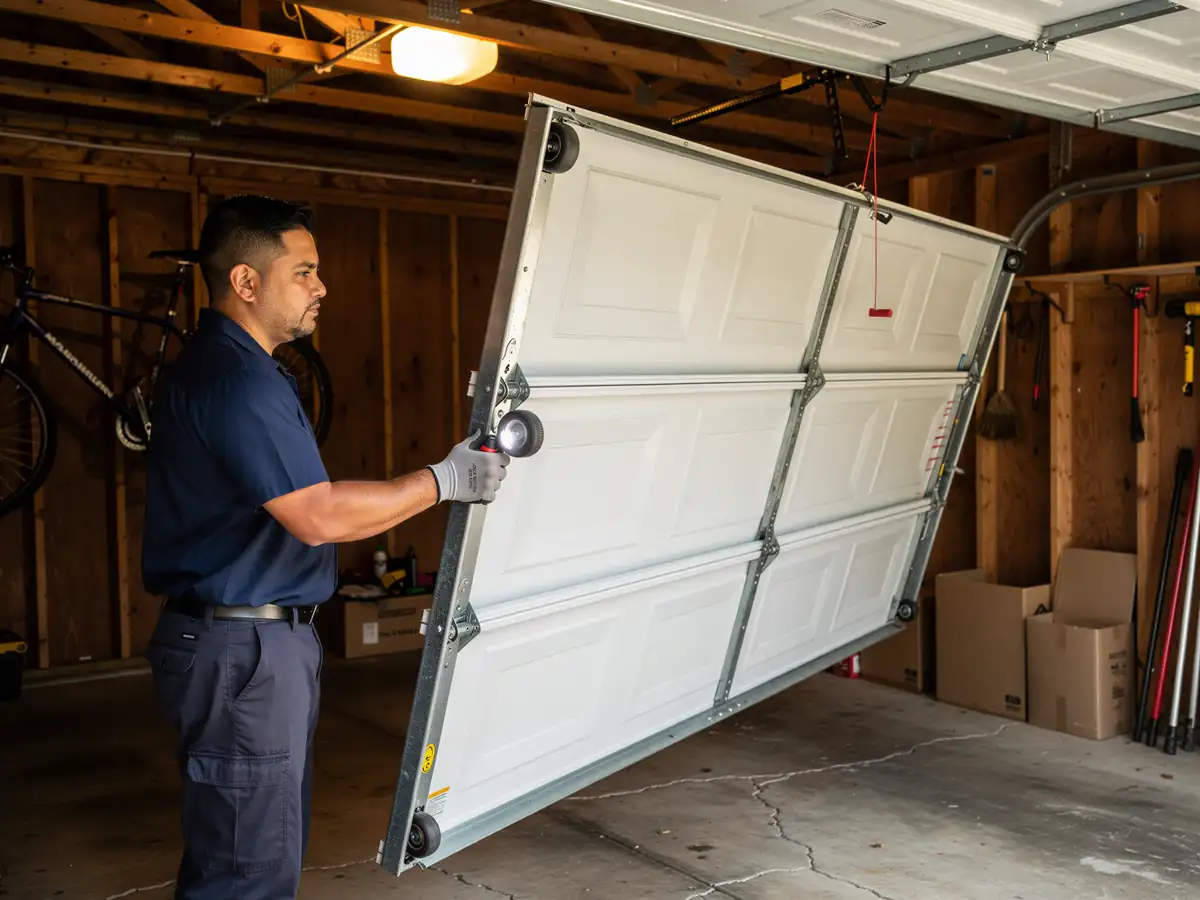
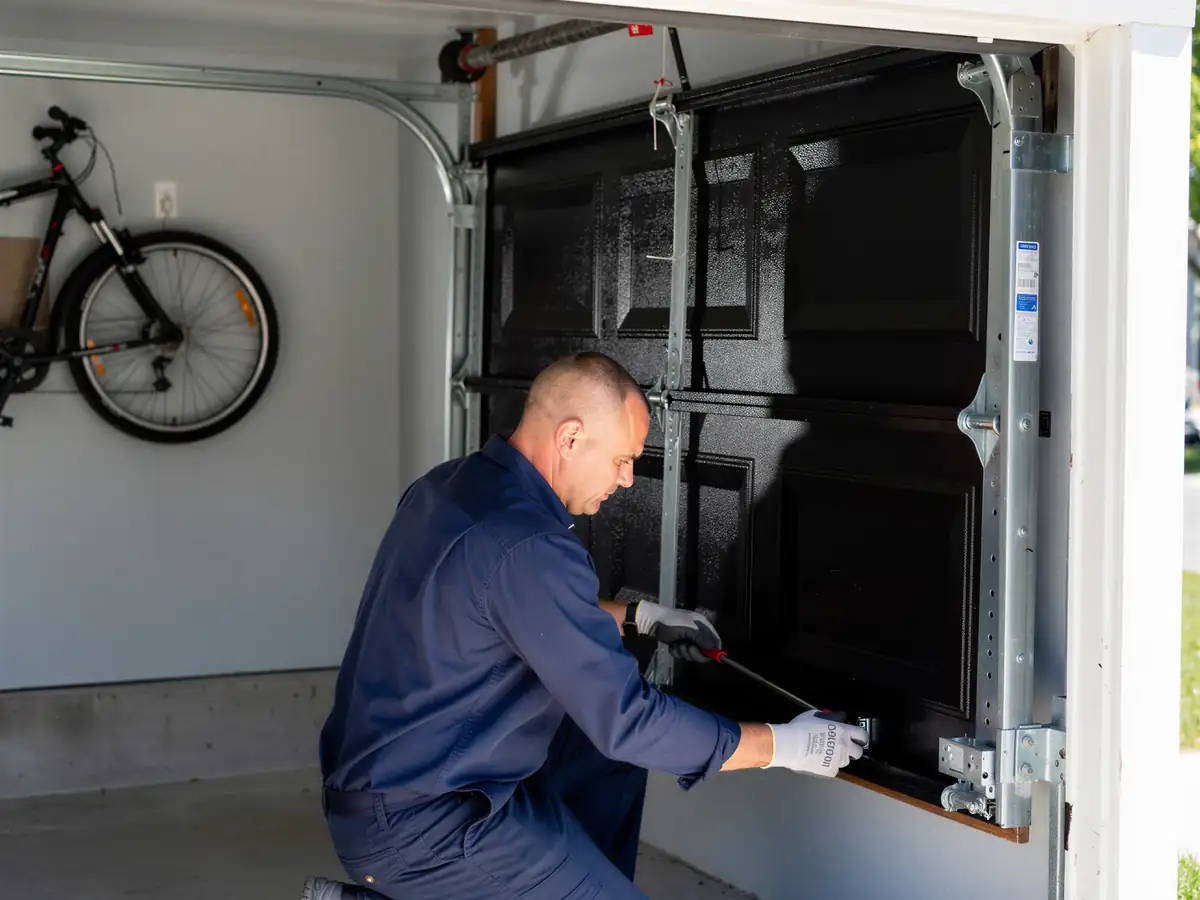
A fair number of Goldston houses went up around 1964, nearly two decades ahead of the typical build year across the wider Sanford service area. That matters for what you're willing to touch yourself. A door from that era usually runs on heavier gauge torsion springs and older-style drums than what you'd find on a 1980s or 90s build, and the wind-up tension on those springs can take a hand off if the winding bars slip. Swapping a roller, tightening a loose hinge, or lubricating hardware - fine, do it yourself. Spring replacement, cable work, or anything involving the torsion tube on a door this age is not a weekend project. We're also honest that some of what's wrong on an older door isn't a quick fix - if the track is bent from age or the drums are worn unevenly, patching one part just moves the failure down the line a few months. We'll tell you when that's the case instead of charging you twice.
The Symptom
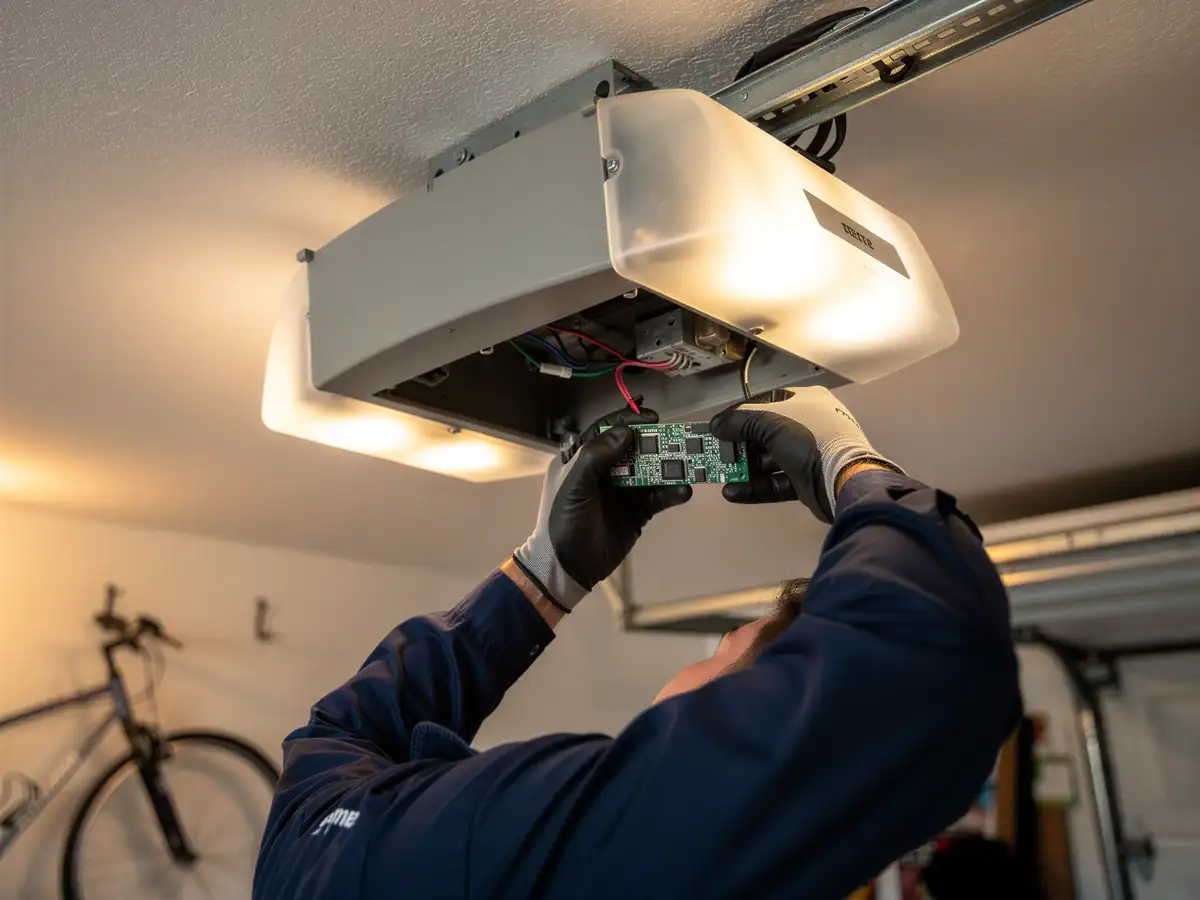
On a house built in the 1960s, the complaint we hear most is a door that slams the last foot of travel instead of settling, or one that won't budge at all some mornings. That's usually spring fatigue - metal that's been cycling for sixty years of use and multiple owners doesn't have the life left that a 1990s spring does. You'll also hear a loud bang before the door seizes mid-track; that's a spring letting go outright, not a motor problem. Fewer Goldston calls are about smart openers or belt-drive noise complaints, simply because fewer of these doors have been upgraded to anything built in the last two decades.
The Complications
Cold winters aren't severe here, but they're enough to stiffen old grease on hardware that hasn't been serviced in years, which is common on a house this age if it's had one owner the whole time. Combine that with a median household income in Goldston under $40,000 and you get a real pattern: owners wait longer between repairs and the door arrives at our bay in worse shape than it would elsewhere. That's not a judgment, it's just what we see - a spring that failed slowly for months before anyone called. It also means we see more full-system fatigue (springs, cables, and rollers all near end of life at once) rather than one isolated part failing on its own.
How Long You Are Without the Door
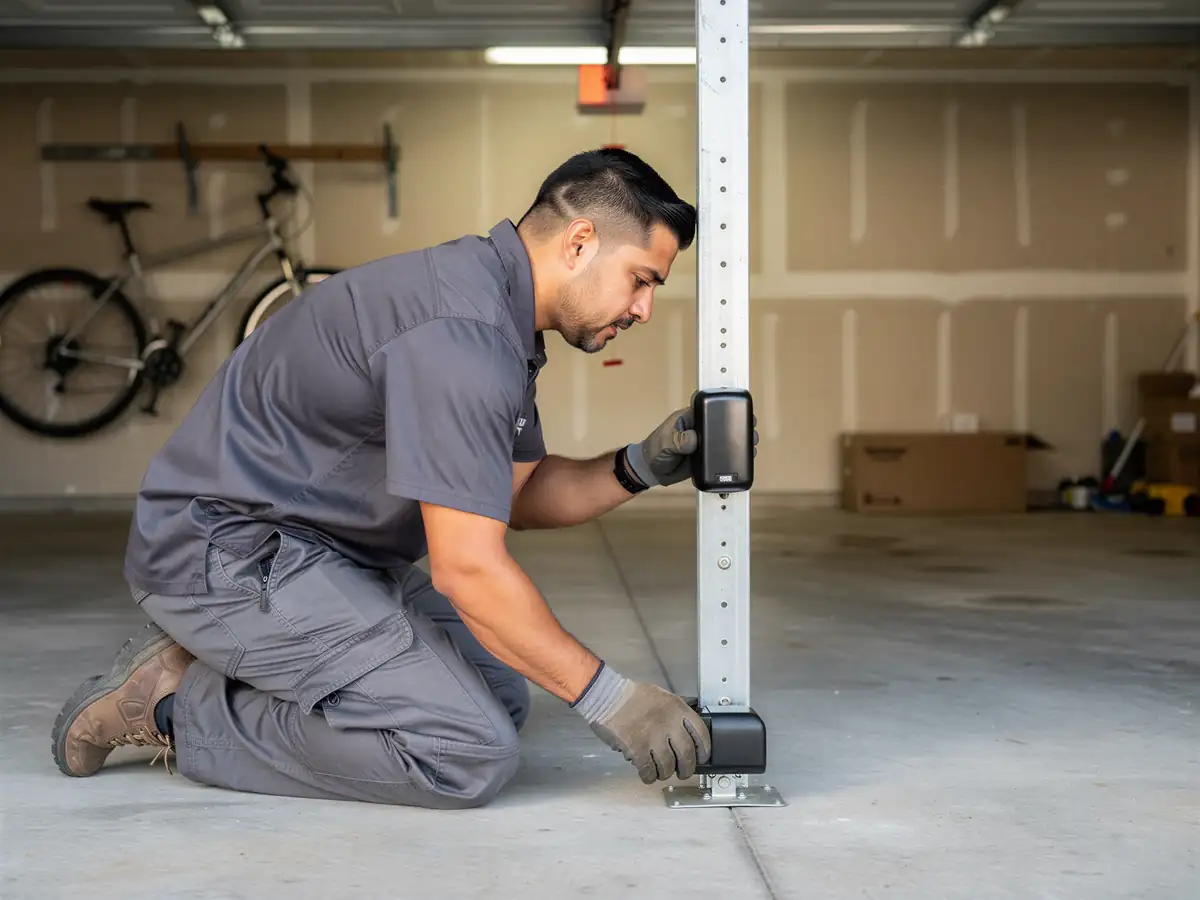
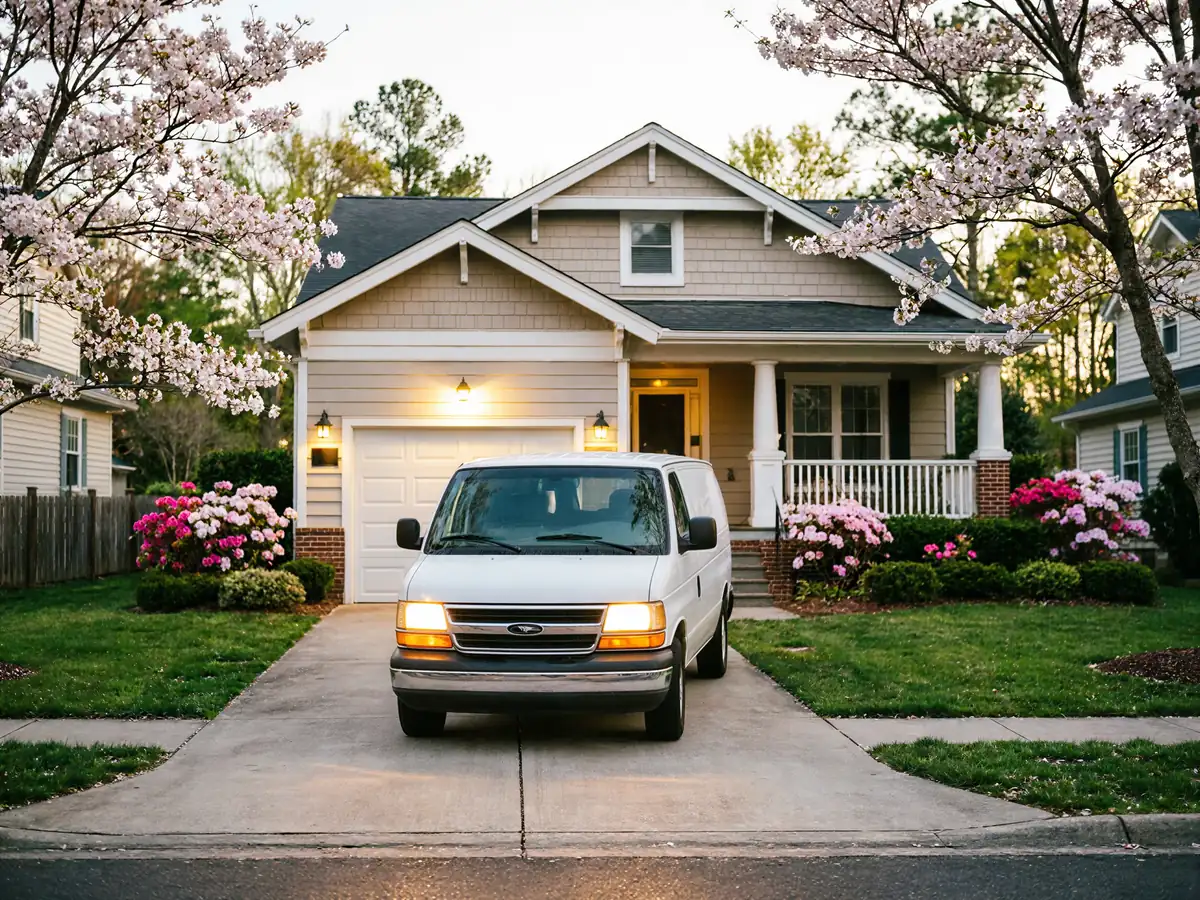
Because we're traveling the 11 miles from Sanford rather than working out of a depot in Goldston itself, most single-issue repairs - a spring, a cable, a sensor - get done in one visit once we've got the part on the truck. Where it stretches out is a part we don't stock for an older low-headroom track, which means ordering it and a second trip. With roughly 140 households in the immediate area, we're not running a crew here daily, so if your repair needs a special-order part, plan for it to take longer than it would for a common 1990s-spec part.