What the Fix Involves
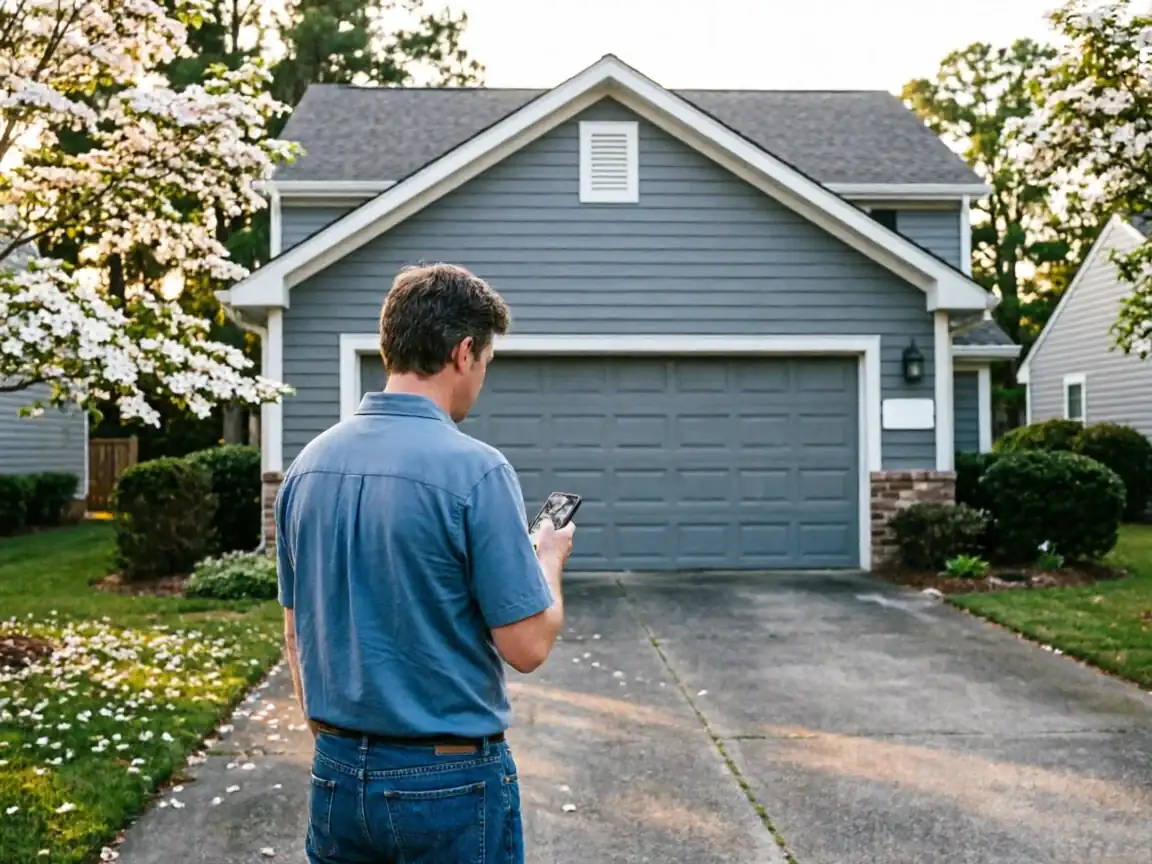
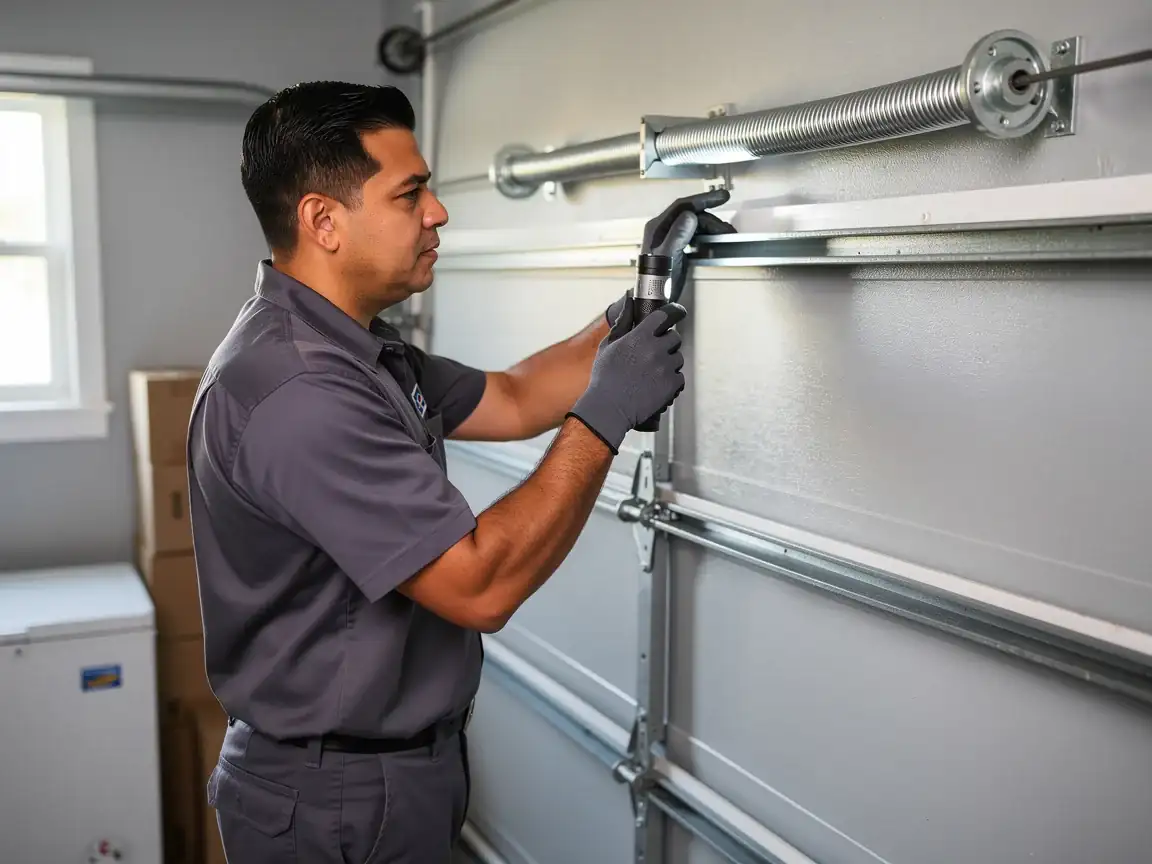
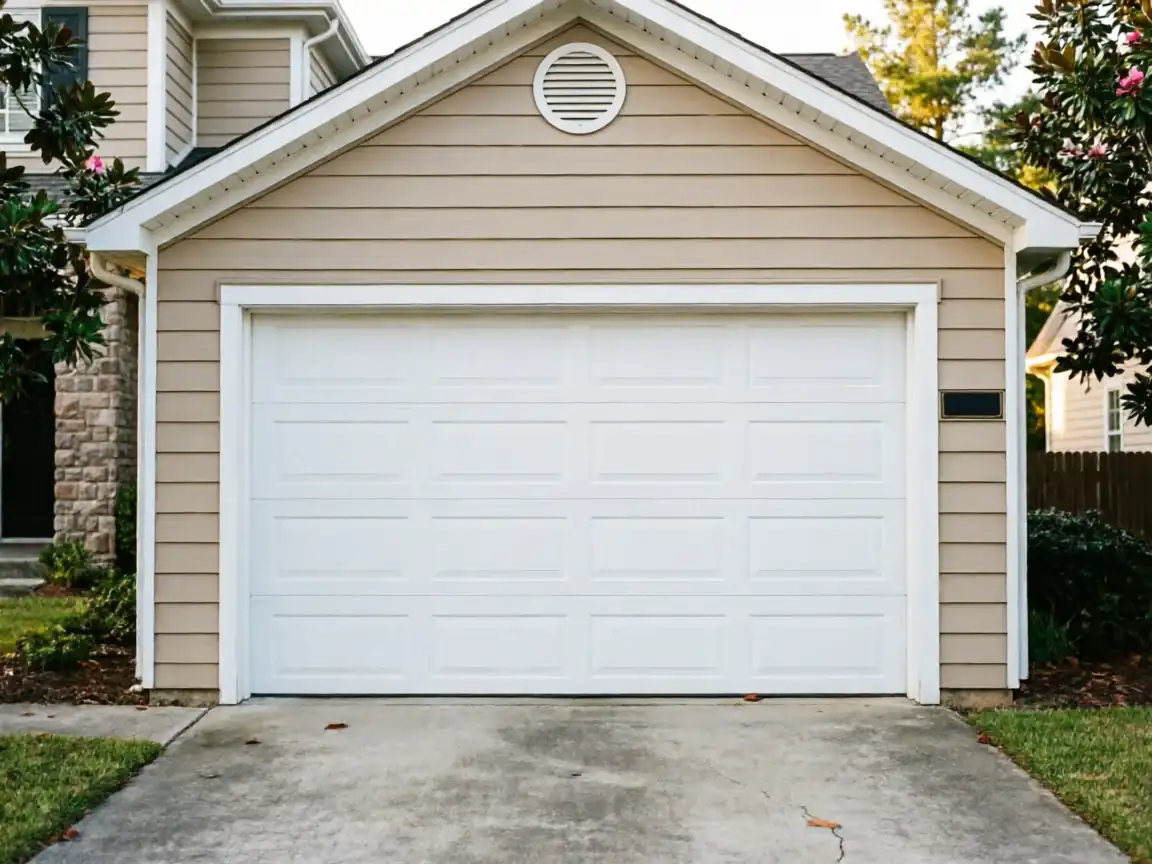
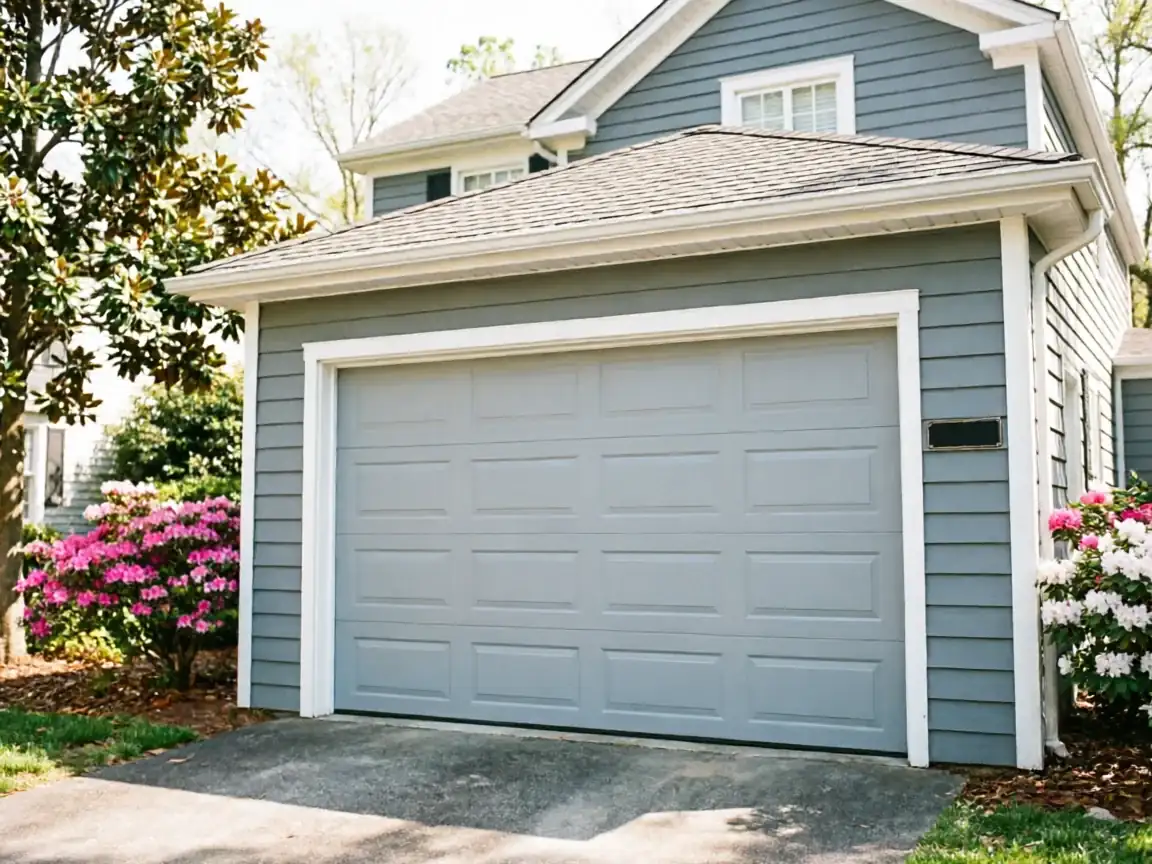
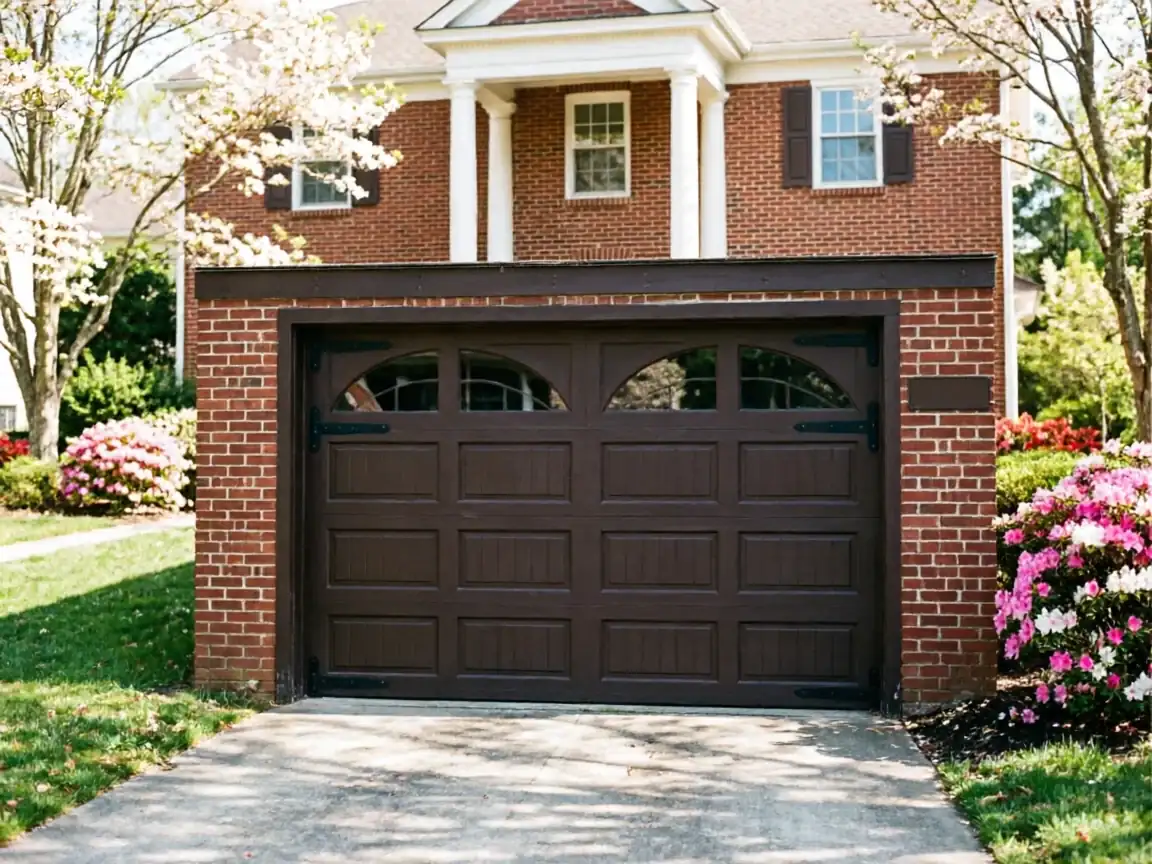
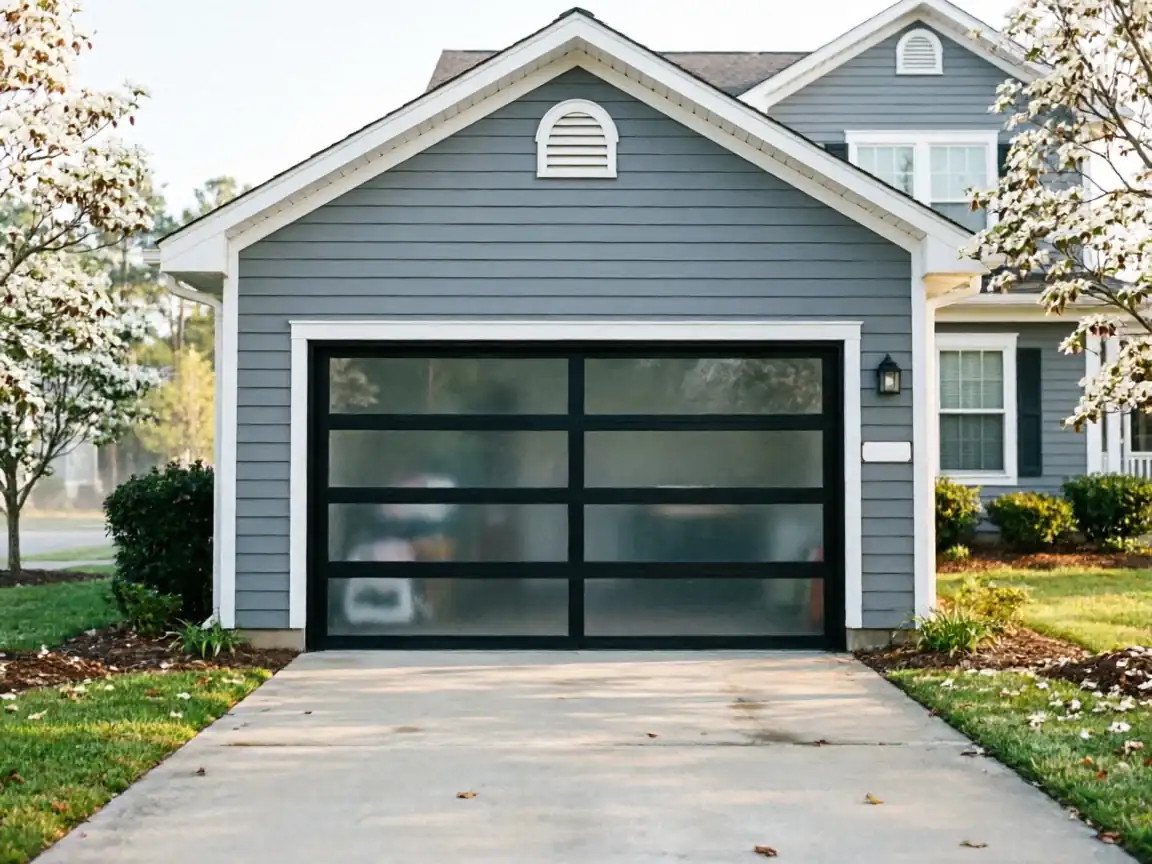
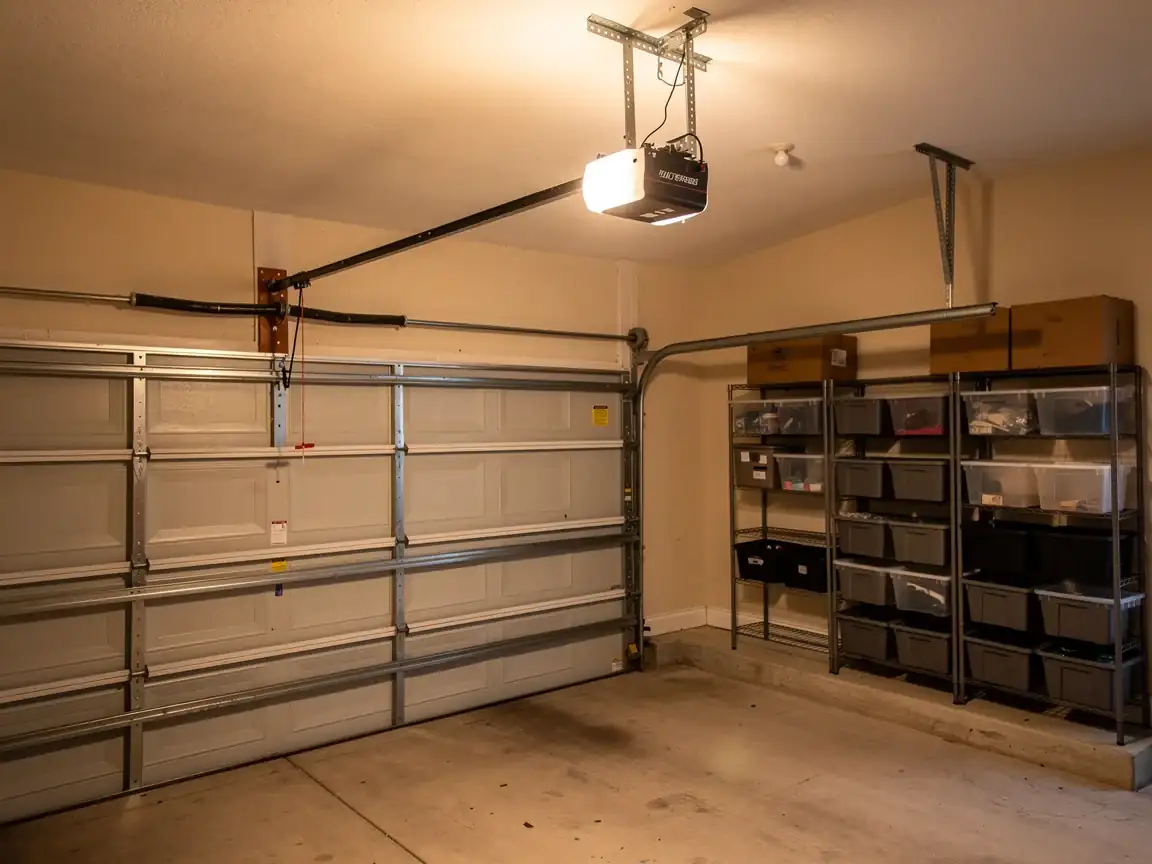
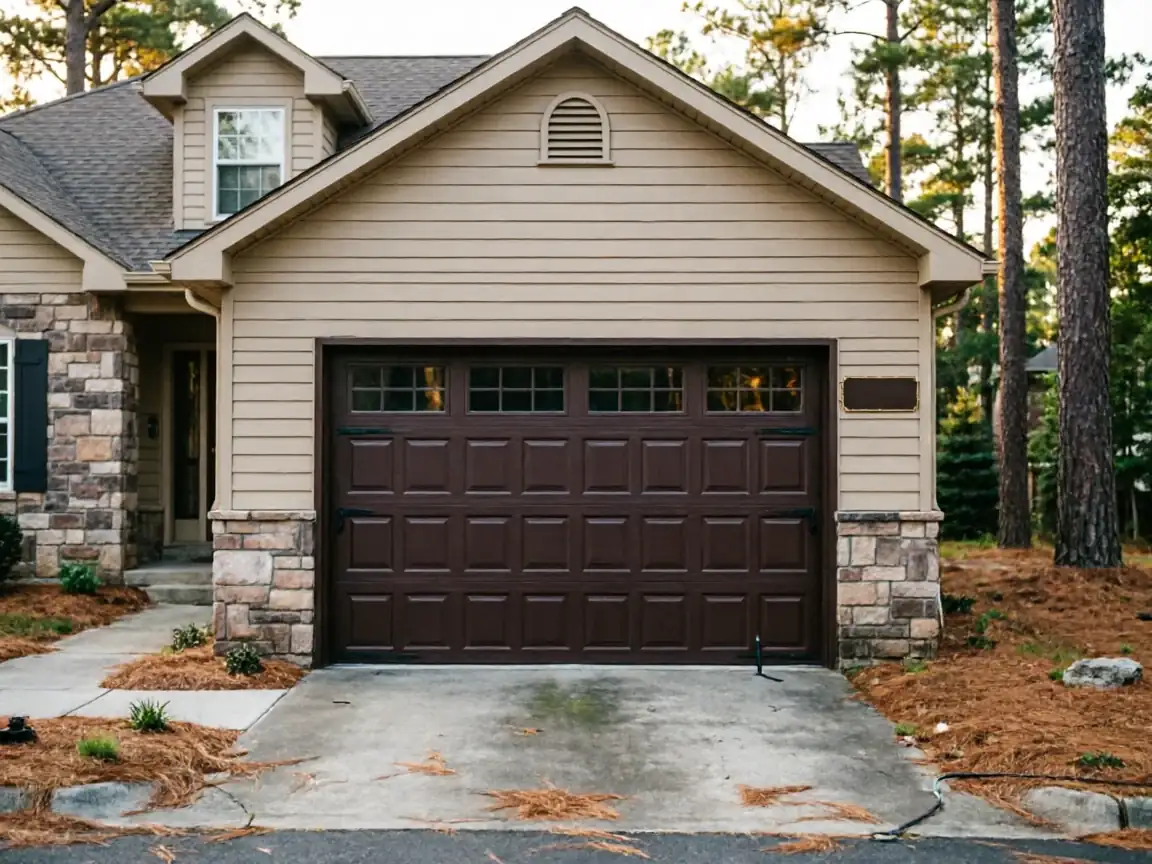
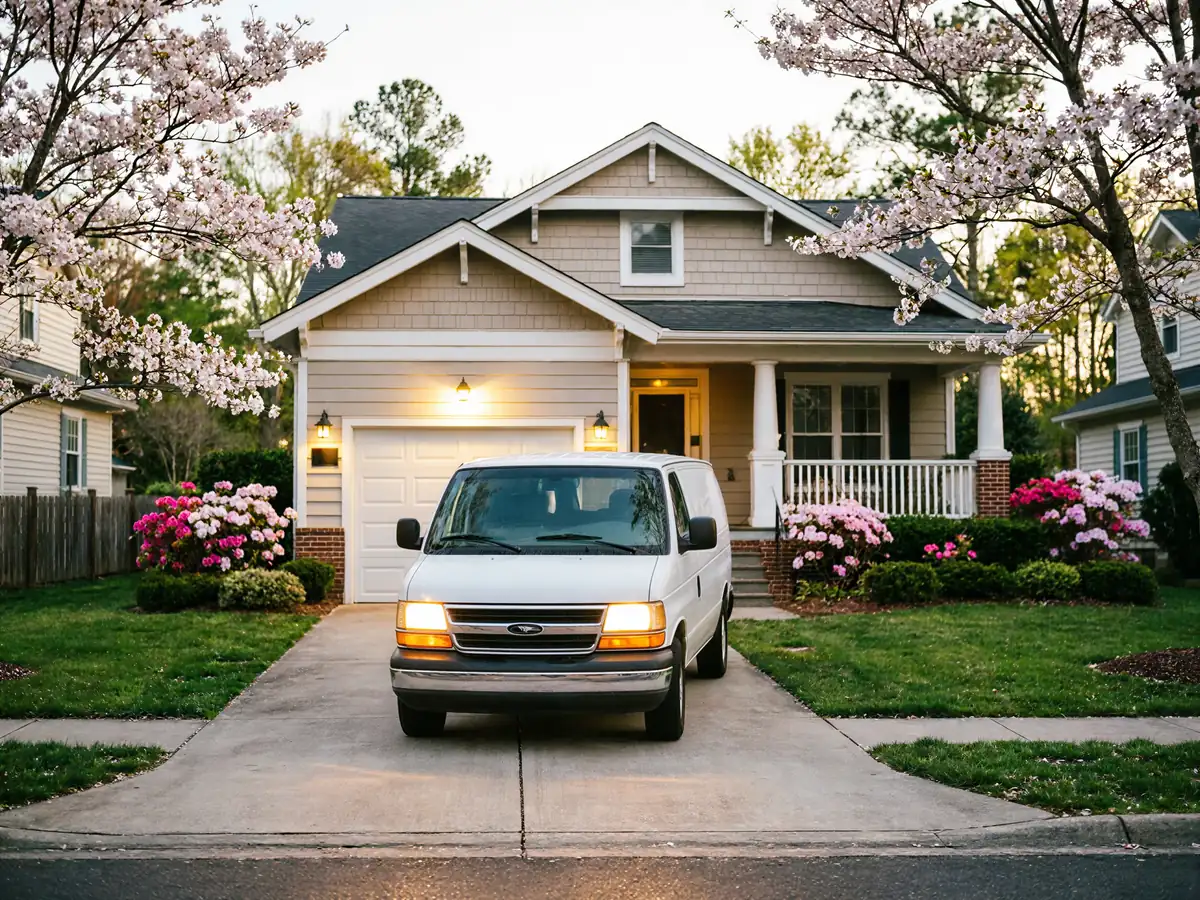
The first thing that matters on an emergency call to Pittsboro is the house itself. Median build year here runs around 1999, while the broader Sanford service area sits at a 1983 median across stock dating back to 1955. That sixteen-year gap changes what's on the other side of the door. You're more likely looking at a wider double garage opening, a torsion spring rated for a heavier insulated steel door, and an opener with a circuit board rather than the older chain-drive units common on 1980s builds elsewhere in the area. A broken spring on one of these newer setups isn't a drop-in swap for a part off an older truck shelf sized for a 1970s door. We come out from Sanford, sixteen miles each way, so the fix starts with confirming what's actually mounted on the header before anything gets torqued down. Misjudging the spring wire gauge or drum size on a wider door is how you end up with a door that slams instead of lifts. That's the real difference a Pittsboro call presents versus a job closer to the shop on an older street.
The Symptom
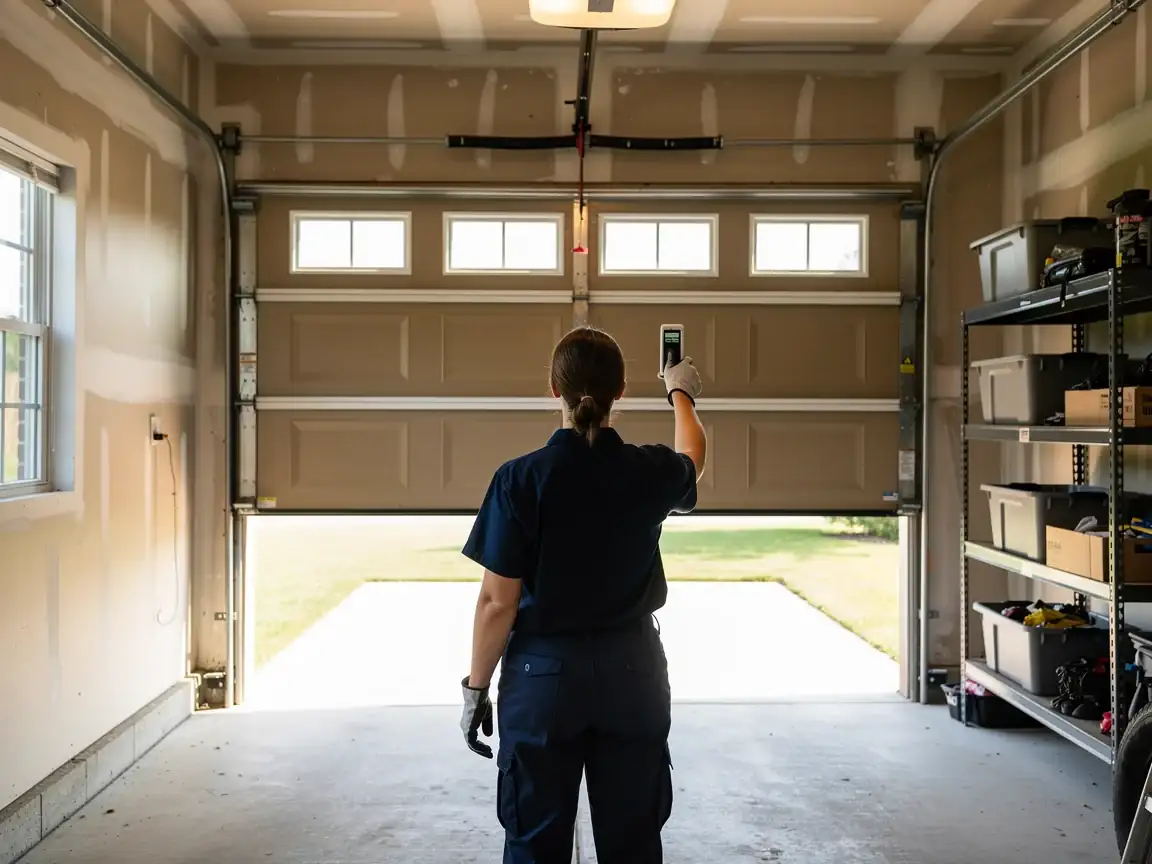
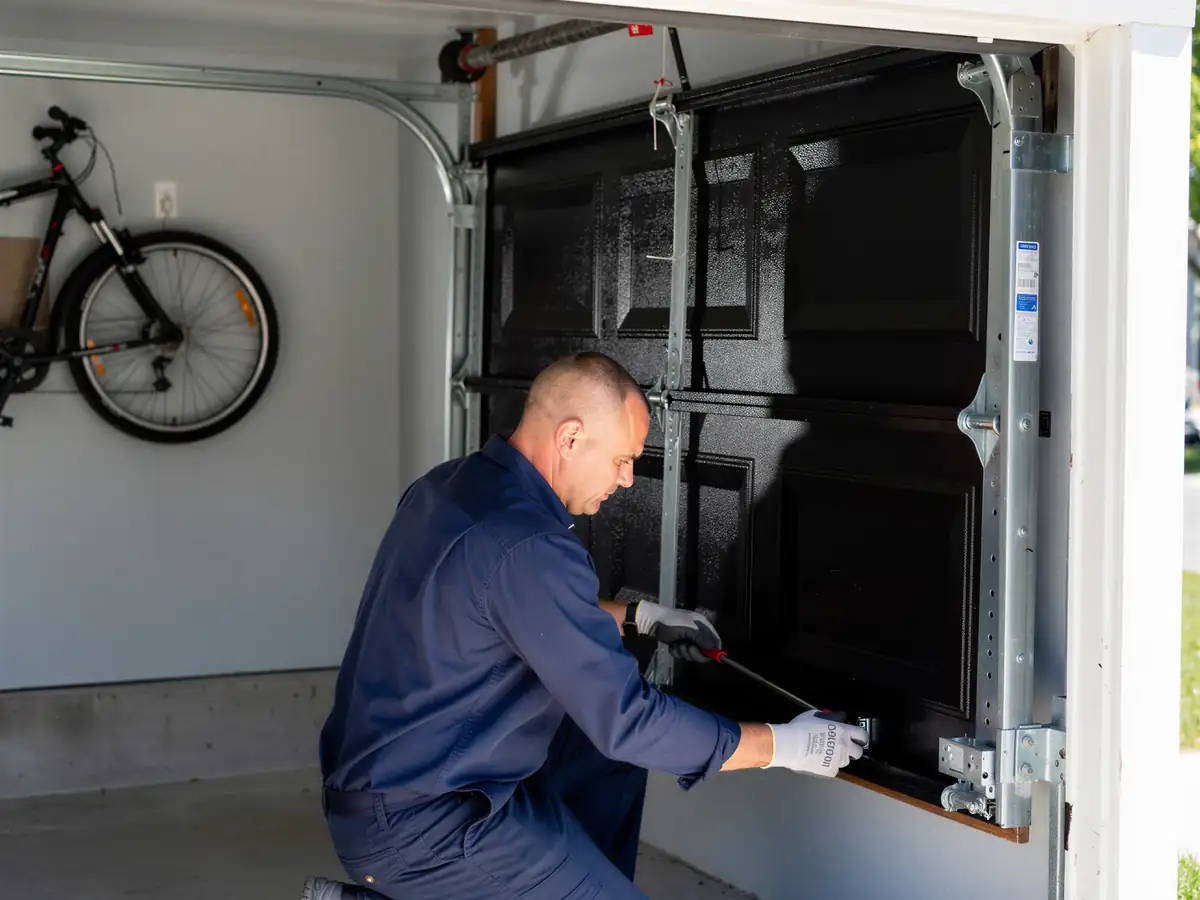
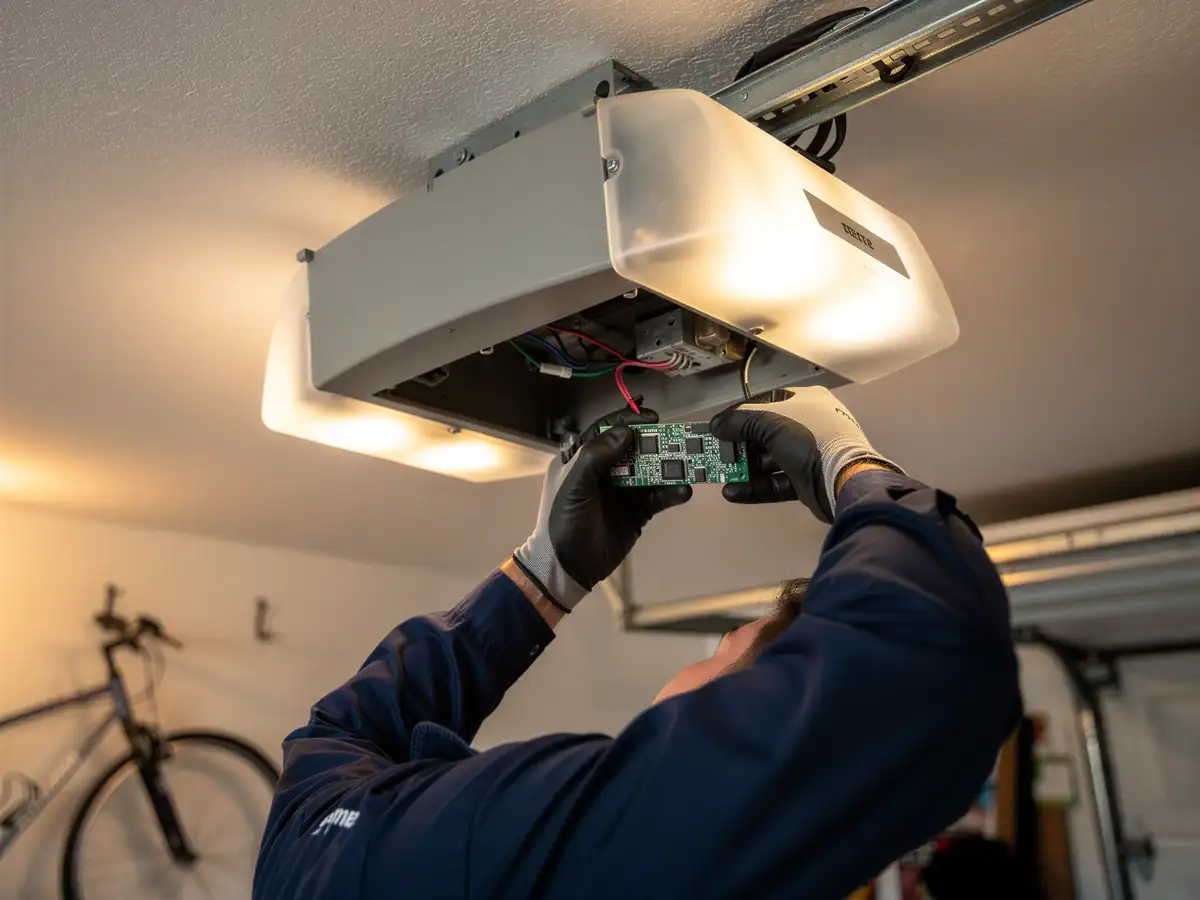
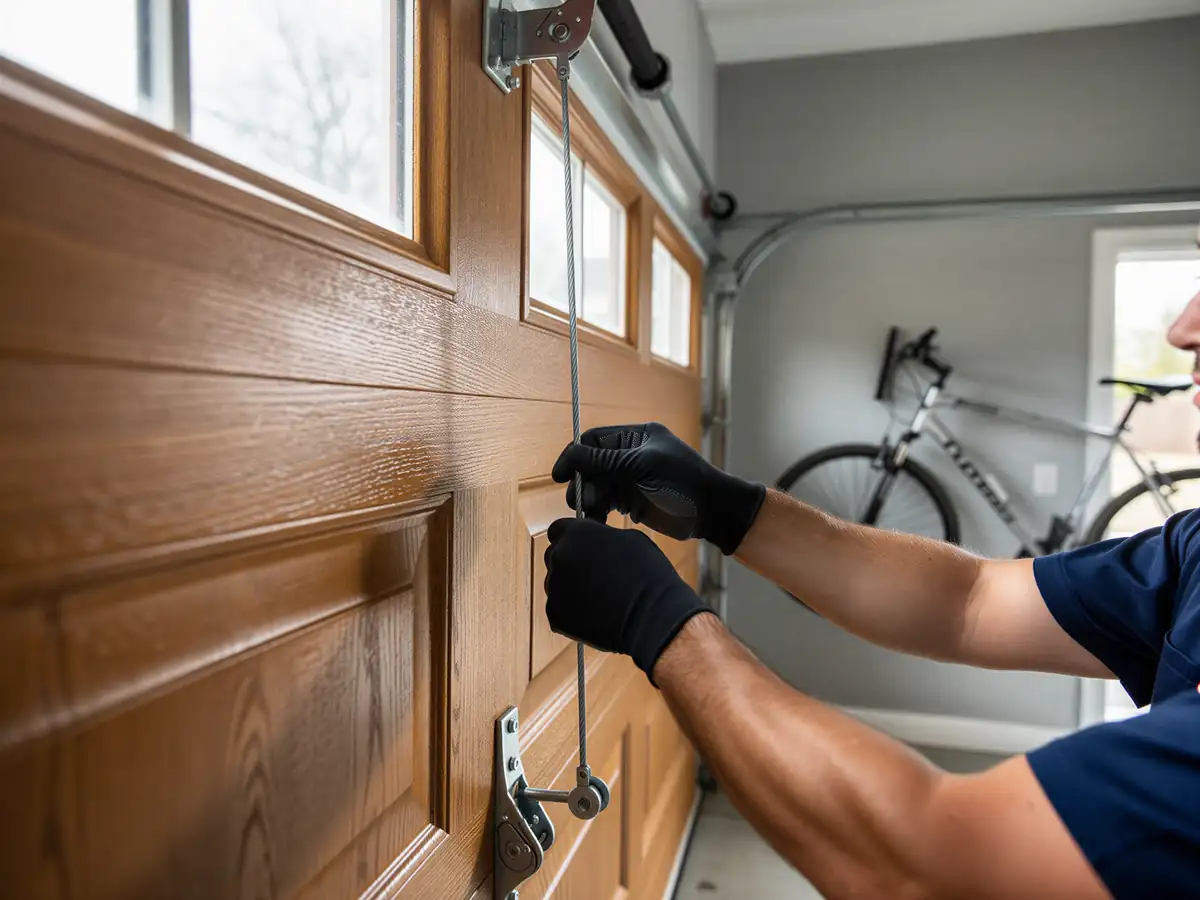
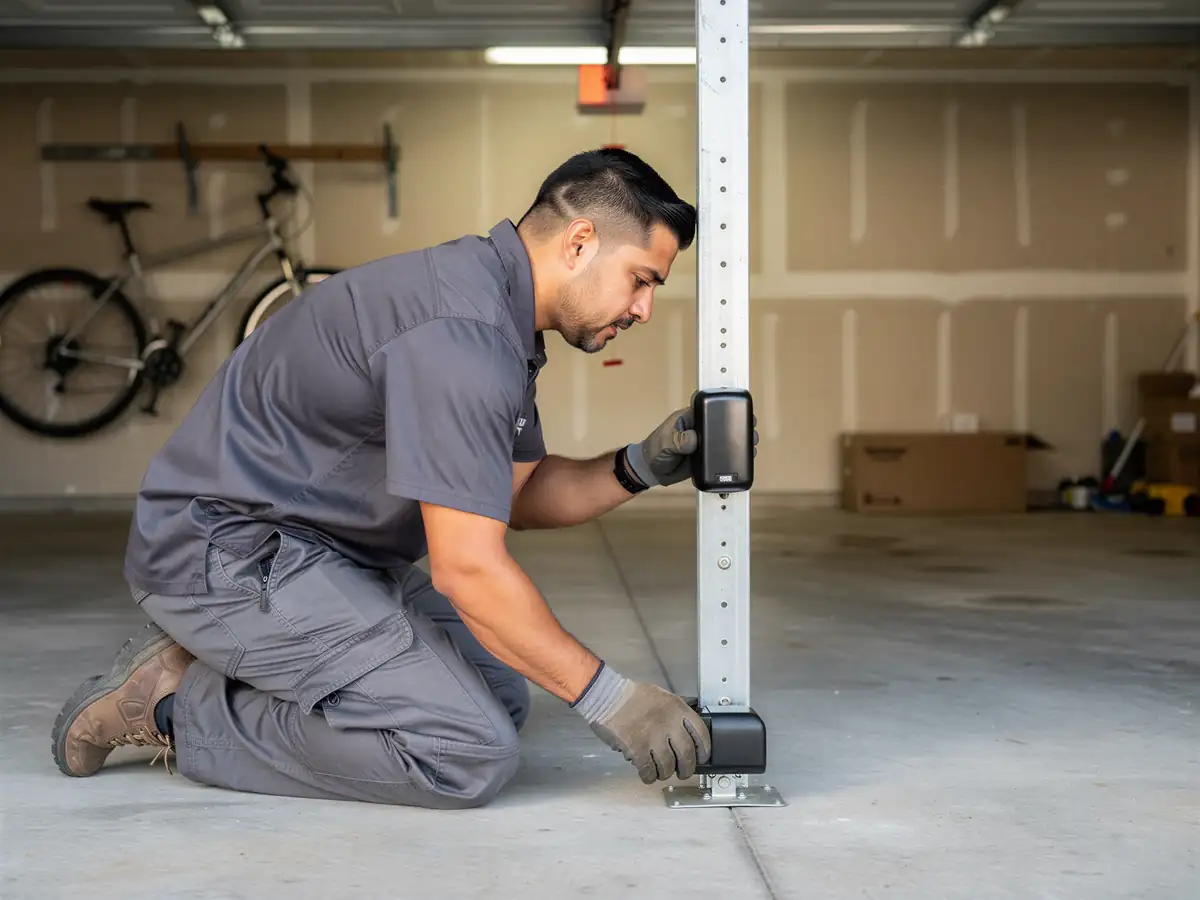
Most emergency calls from this area fall into a short list: a torsion spring that's let go with a bang, a cable that's jumped the drum, or an opener that runs the motor but the door won't move, which usually points to a stripped gear or a disconnected trolley. On the newer builds common here, we also see photo-eye sensor failures more than on older doors, since these homes typically have factory safety sensors installed from day one rather than retrofitted. A door that reverses halfway up, or won't close at all and just blinks the opener light, is almost always a sensor alignment issue rather than a spring problem, and it's a five-minute fix once we're on site rather than a parts job. If the door won't budge by hand with the opener disconnected, that's spring or cable, not opener. Knowing which one you've got before we drive out saves everyone time on the phone.
How Long You Are Without the Door
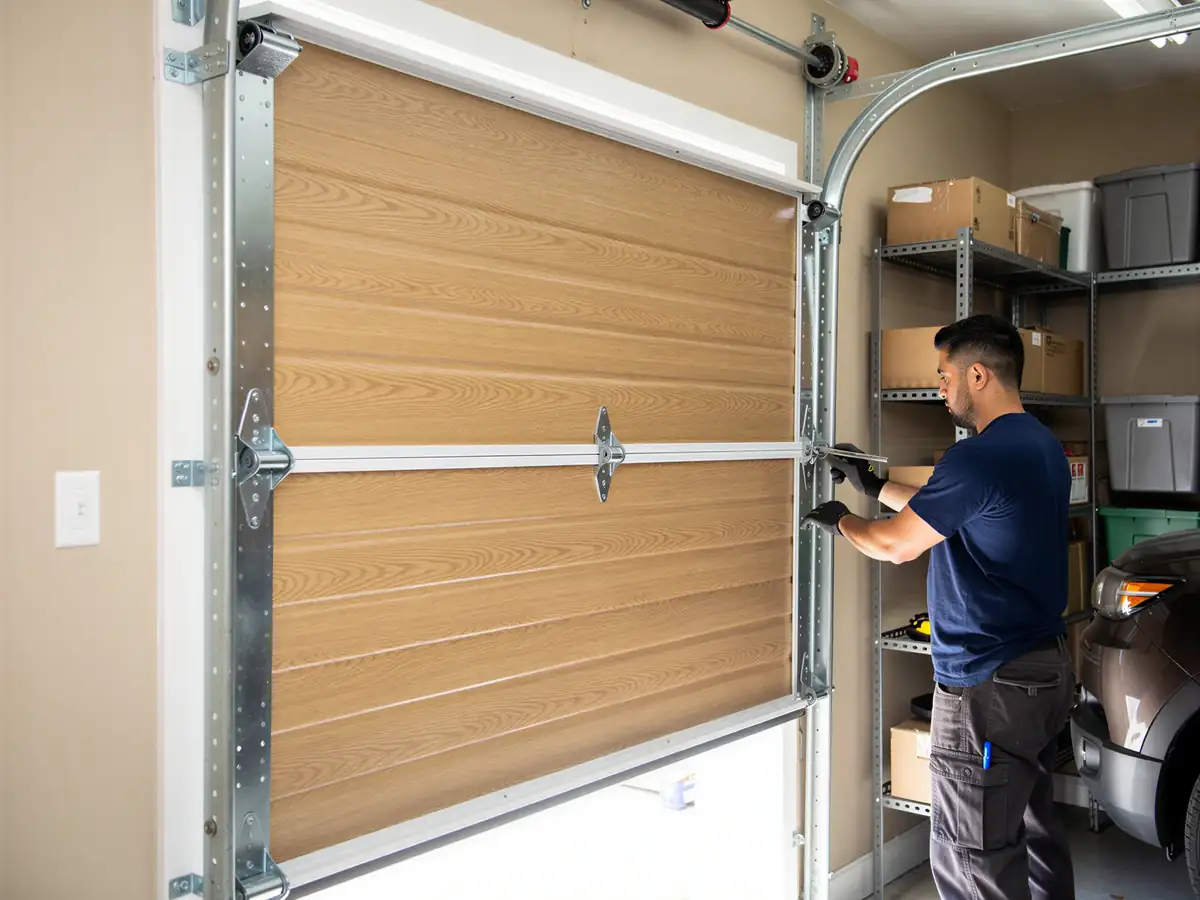
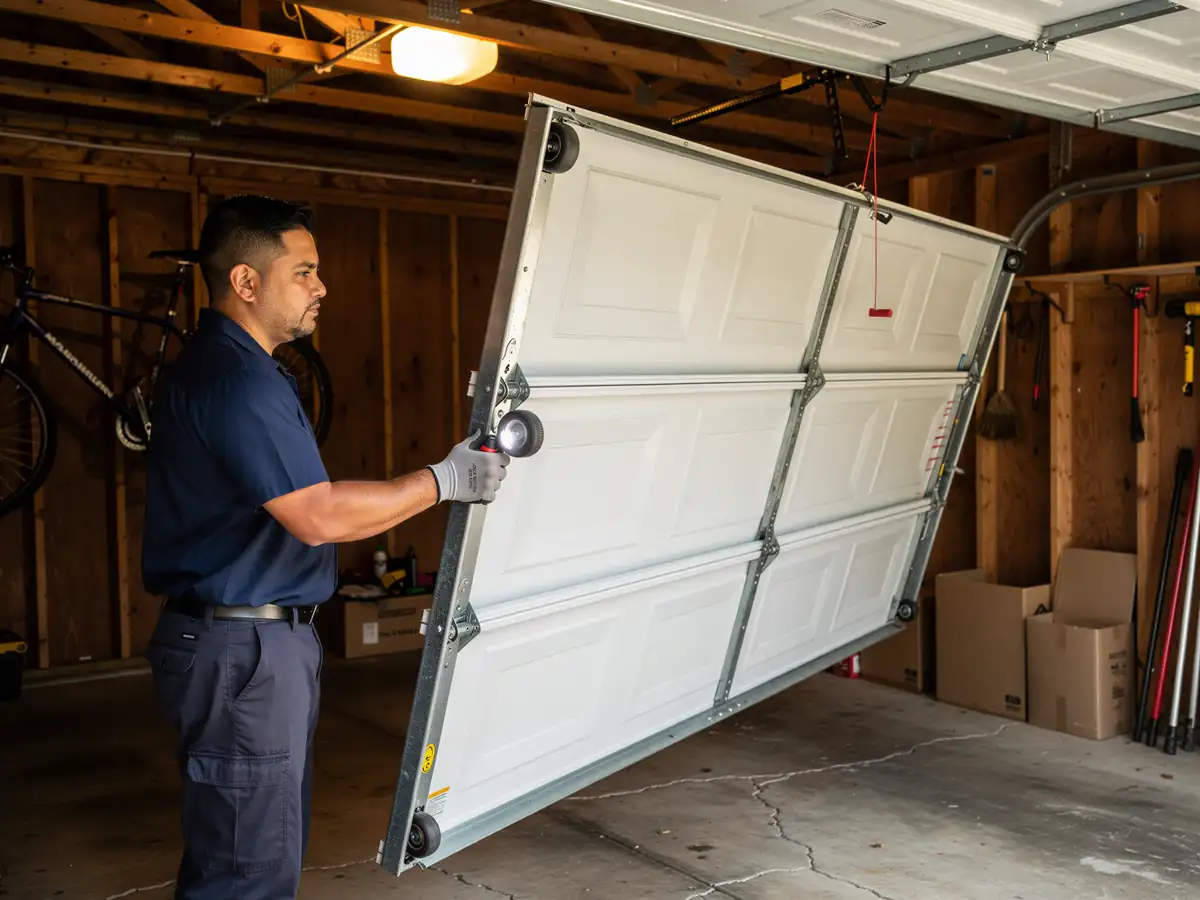
Being honest about this one: Pittsboro sits sixteen miles from the shop, the farthest of the areas we cover, so travel time is part of the job in a way it isn't for calls closer in. We don't promise a fixed arrival window for this stretch, and we won't pretend otherwise. Once we're there, most spring and cable repairs close out in a single visit, since those are stocked parts. Where it slows down is a specific opener logic board or a door panel that needs to be special-ordered to match a less common size - on the wider doors more typical of this area's 1990s-era construction, that can mean the door is secured and safe the same visit but not fully operational until the part arrives. If your door is stuck open, we can usually get it manually secured and closed as a stopgap even if the permanent fix takes another trip.
Why It Happens Here
The region sits in a cold-moderate climate band, which matters more for torsion springs than people expect. Steel contracts in cold snaps and expands again, and that cycling fatigues spring coils faster than a steady climate would. On the 1990s-era doors common in Pittsboro, springs are usually rated for a specific cycle count tied to the wider, heavier panel, and once that rating's spent, the spring doesn't wear gradually, it just goes. Track misalignment shows up for the same reason - expansion and contraction work screws loose in the jamb brackets over years of seasonal swing. None of this is unique to any one street, but it tracks with housing built in this window rather than the older one-piece doors still found on earlier-era homes elsewhere in the service area, which run lighter springs and fail differently, usually at the hinges rather than the torsion bar.