What the Fix Involves
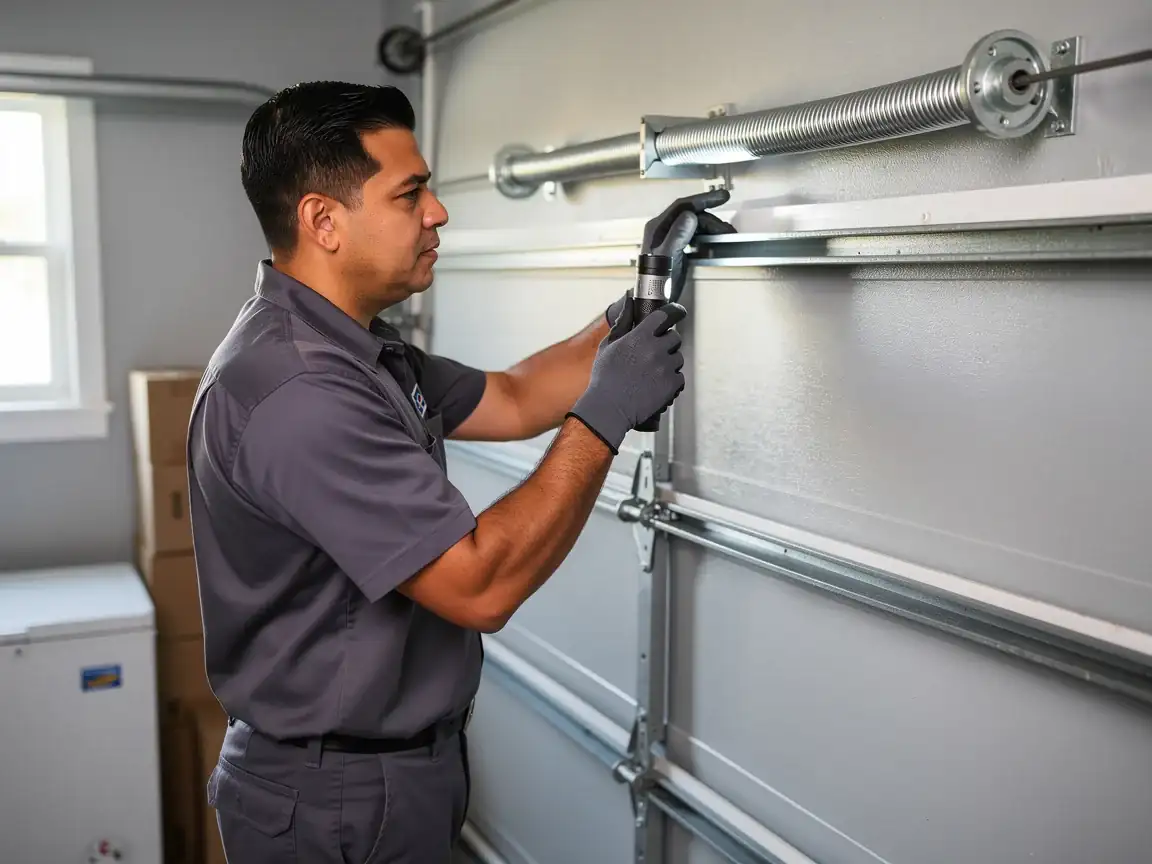
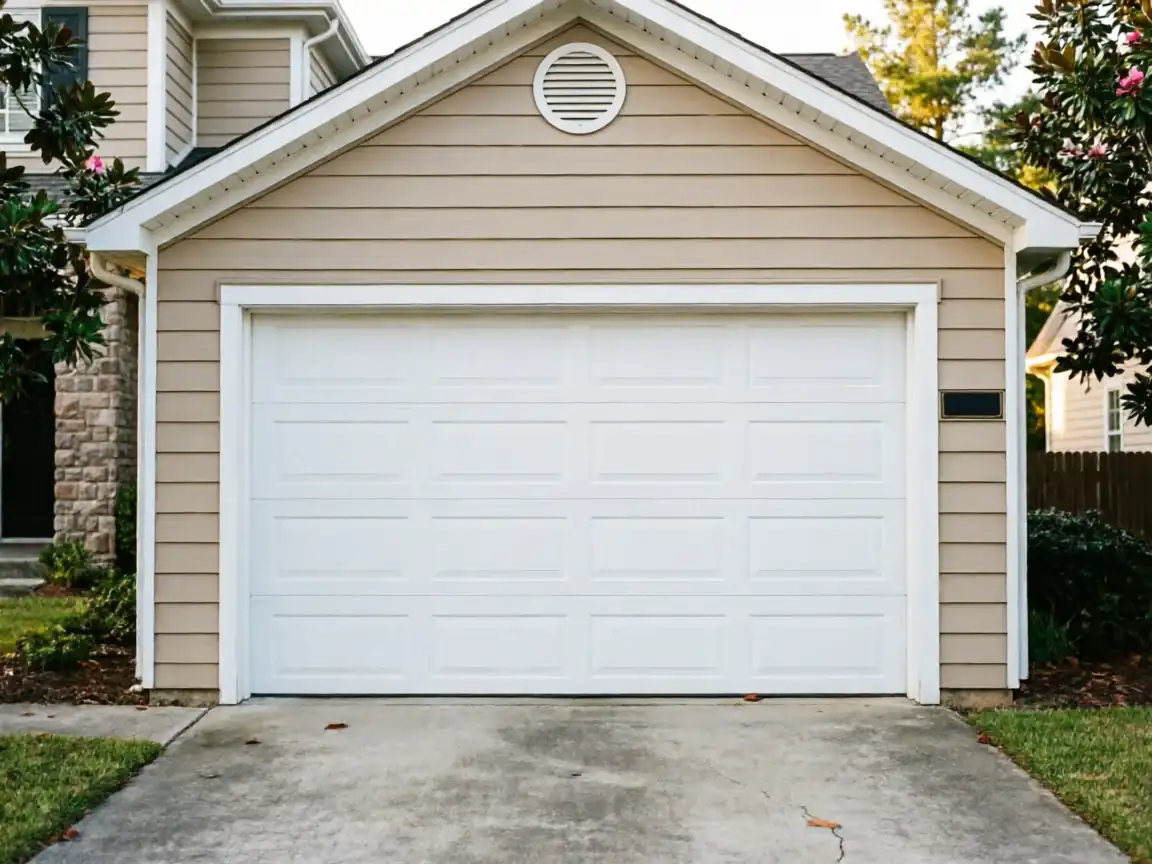
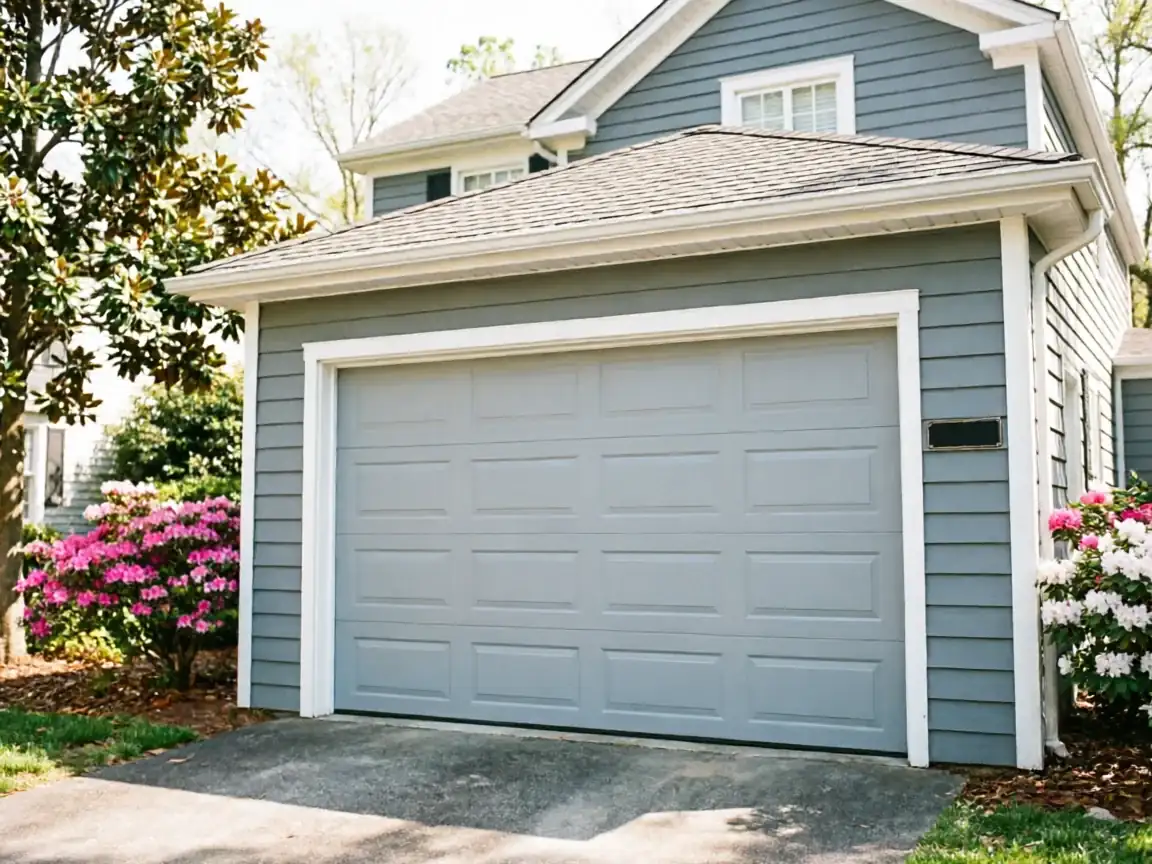
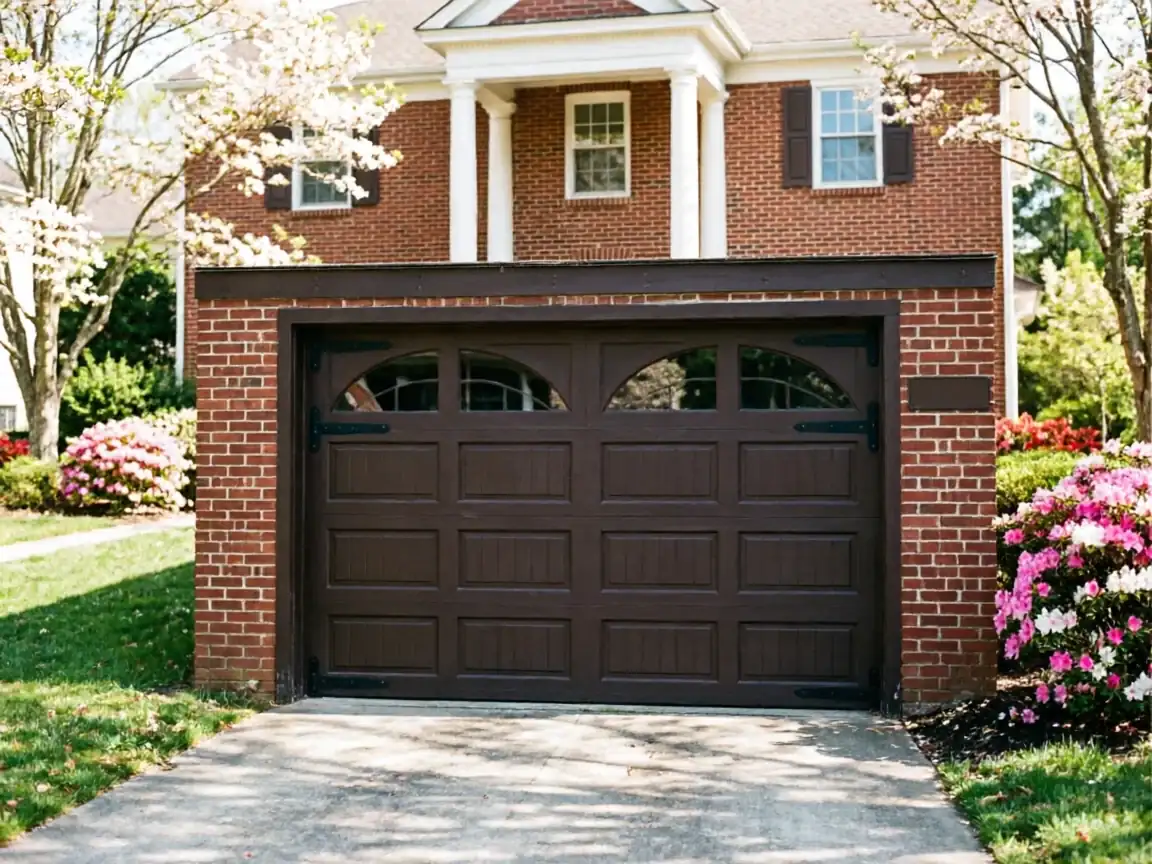
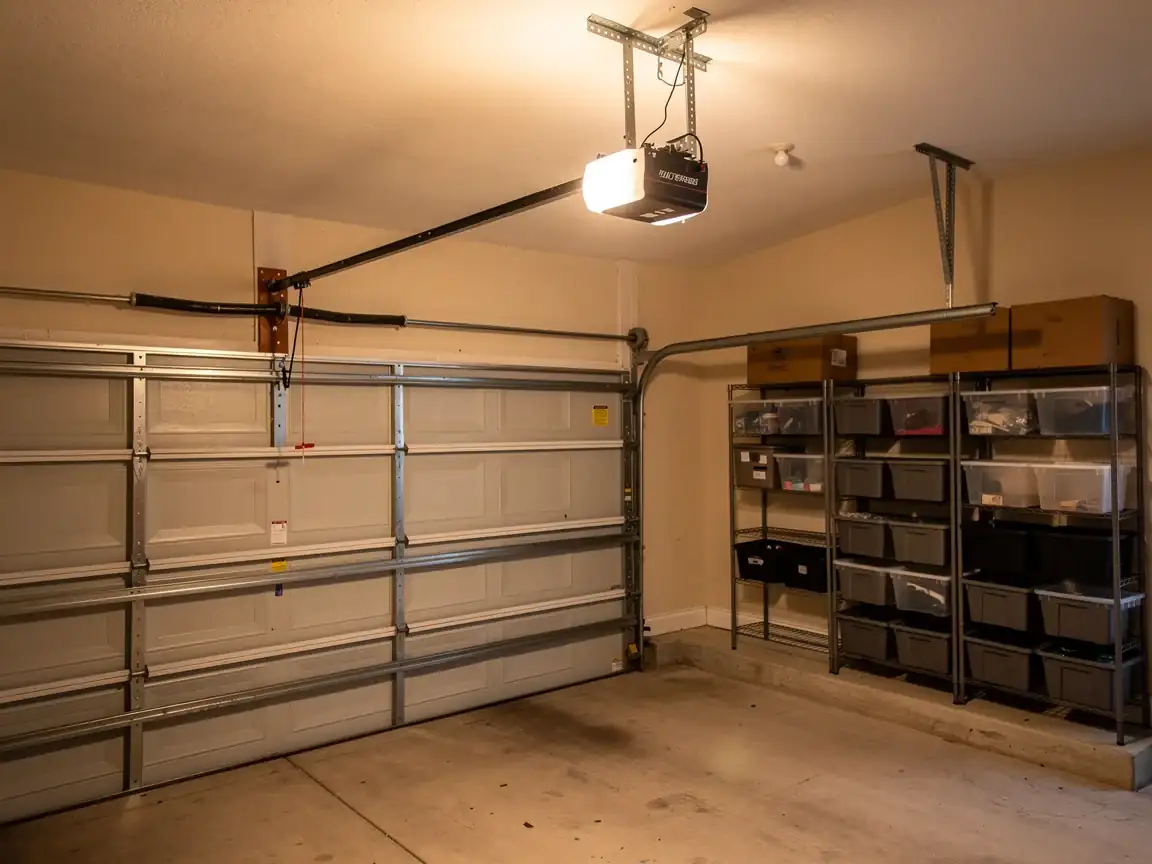
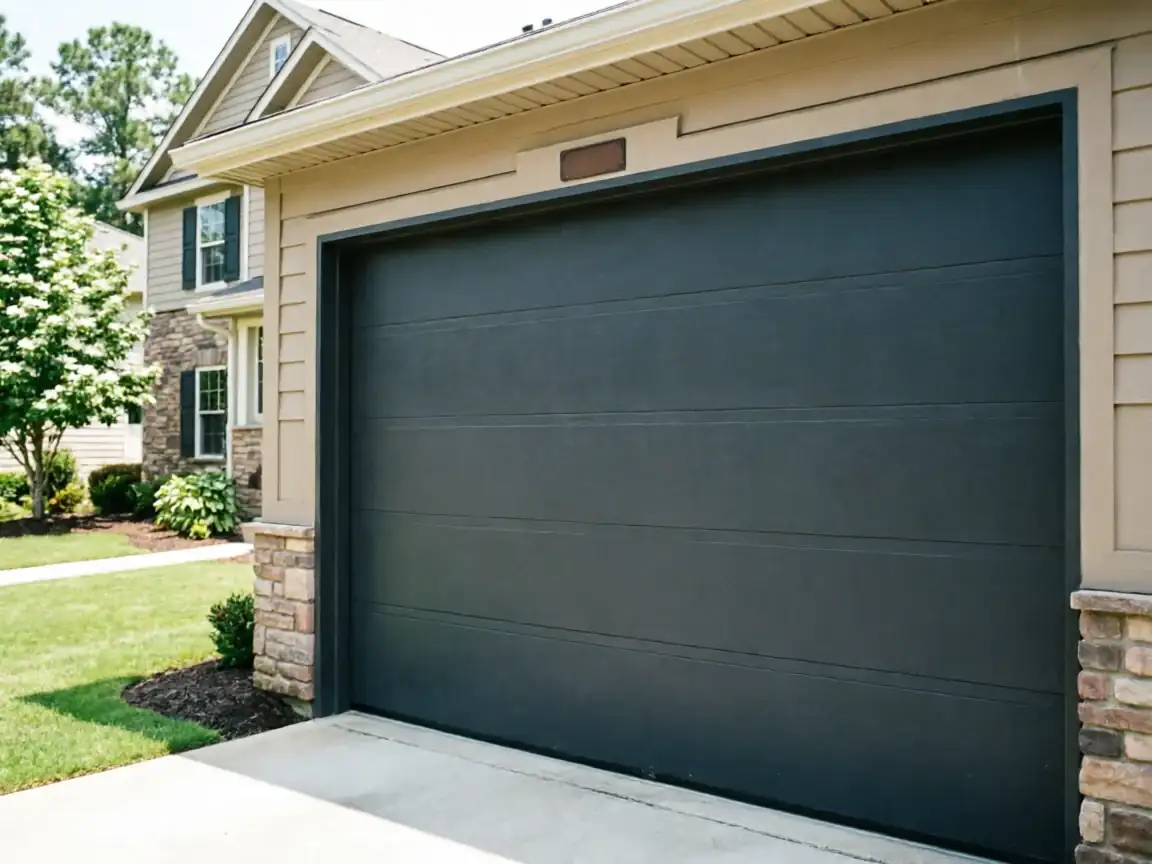
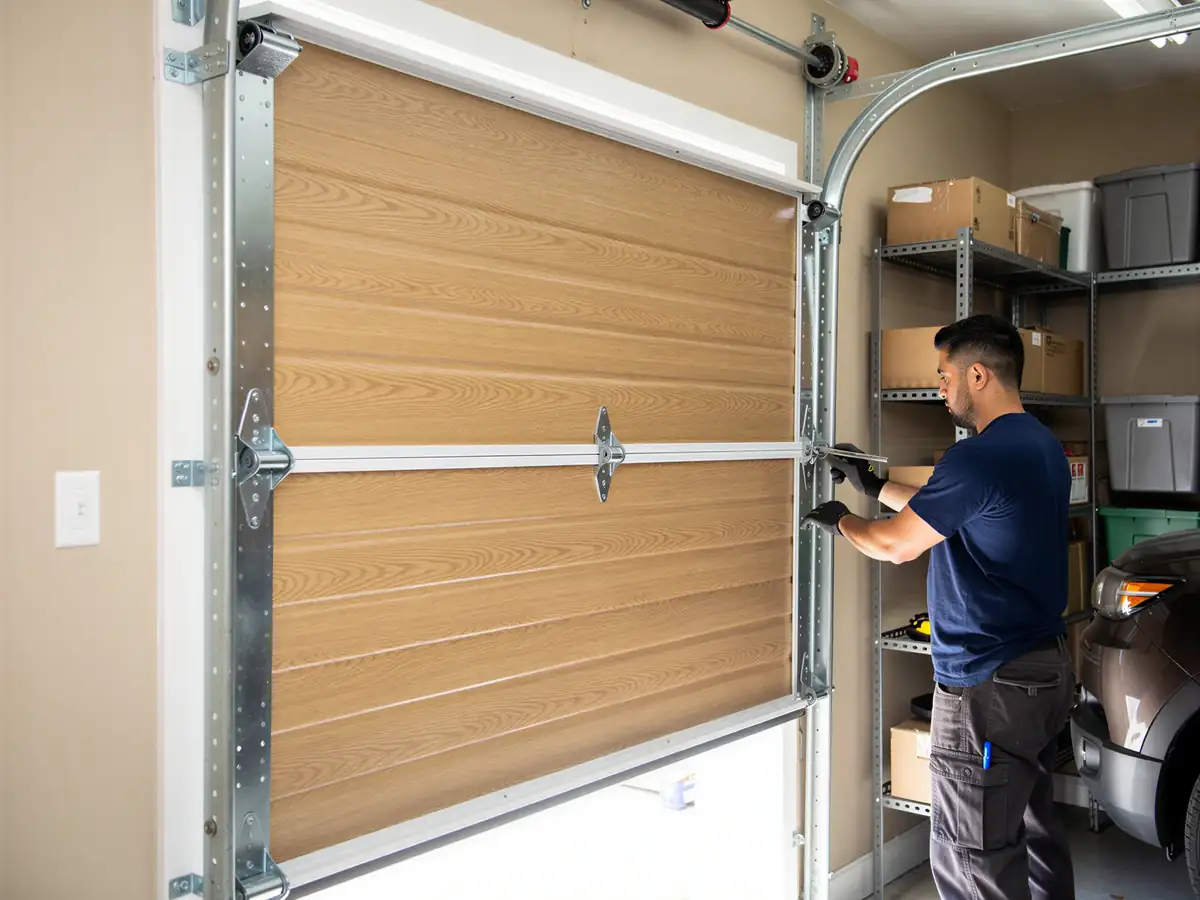
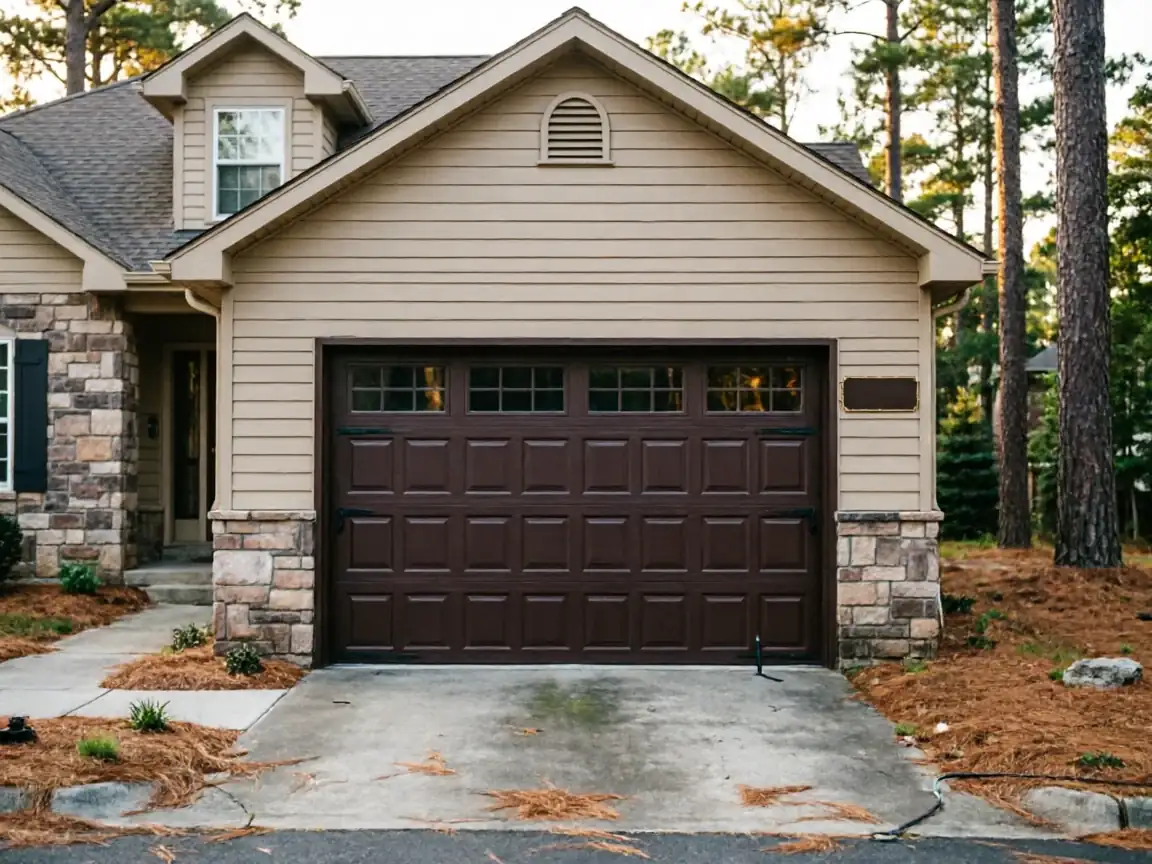
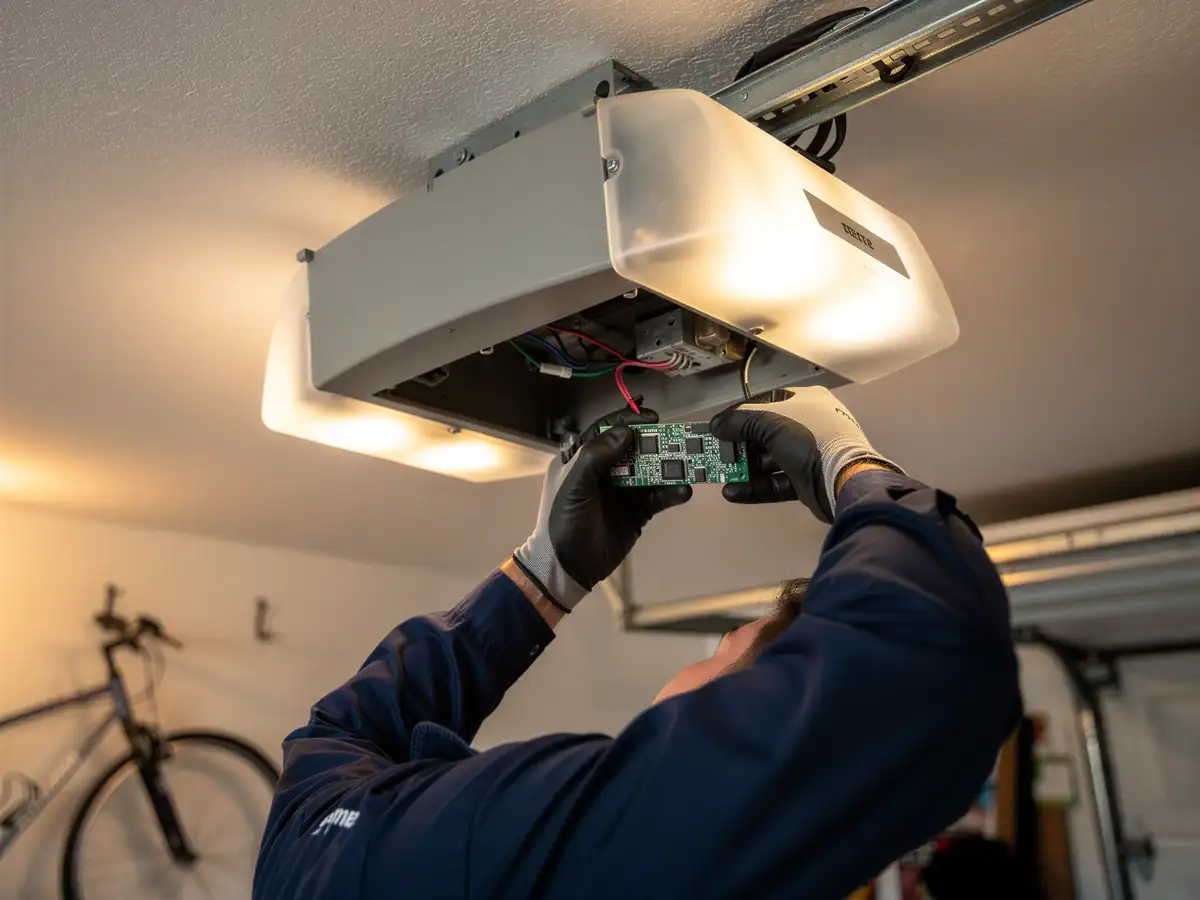
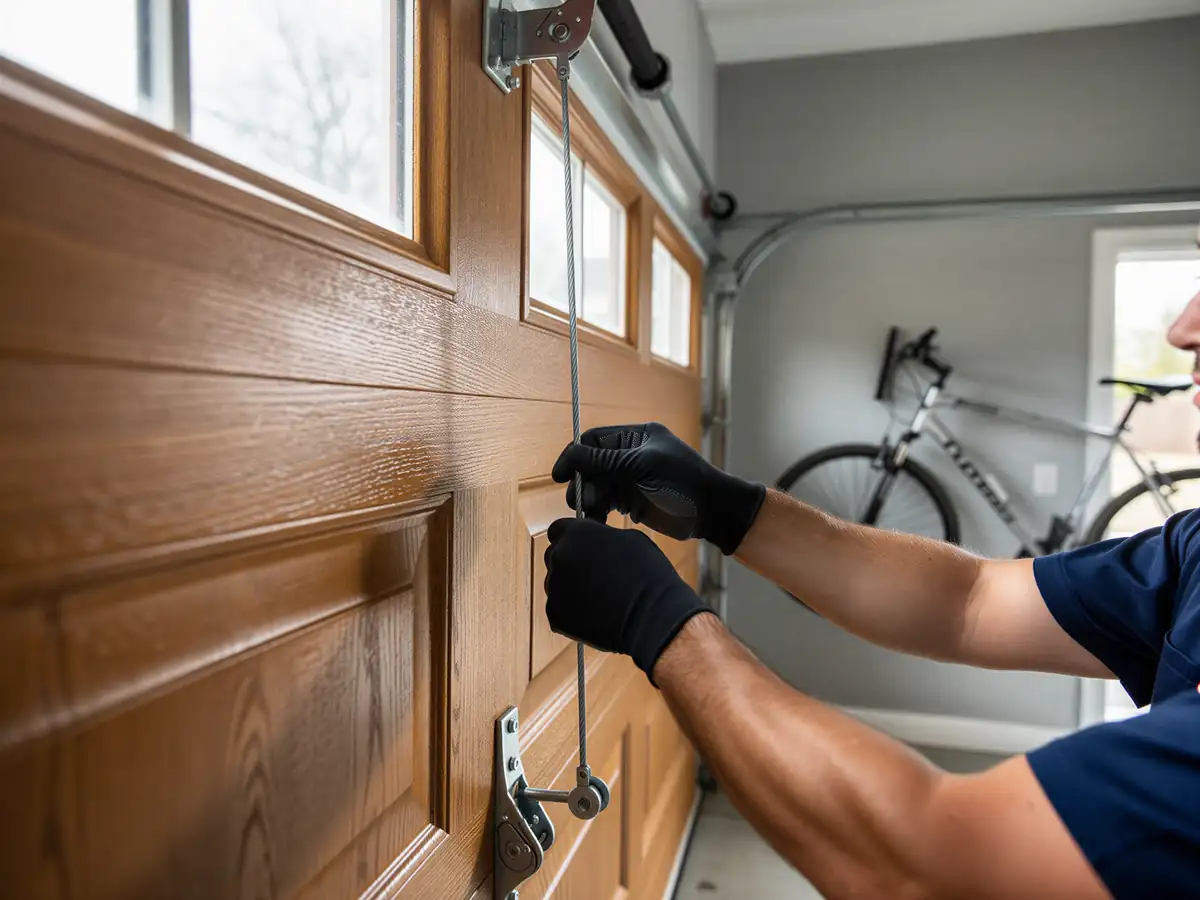
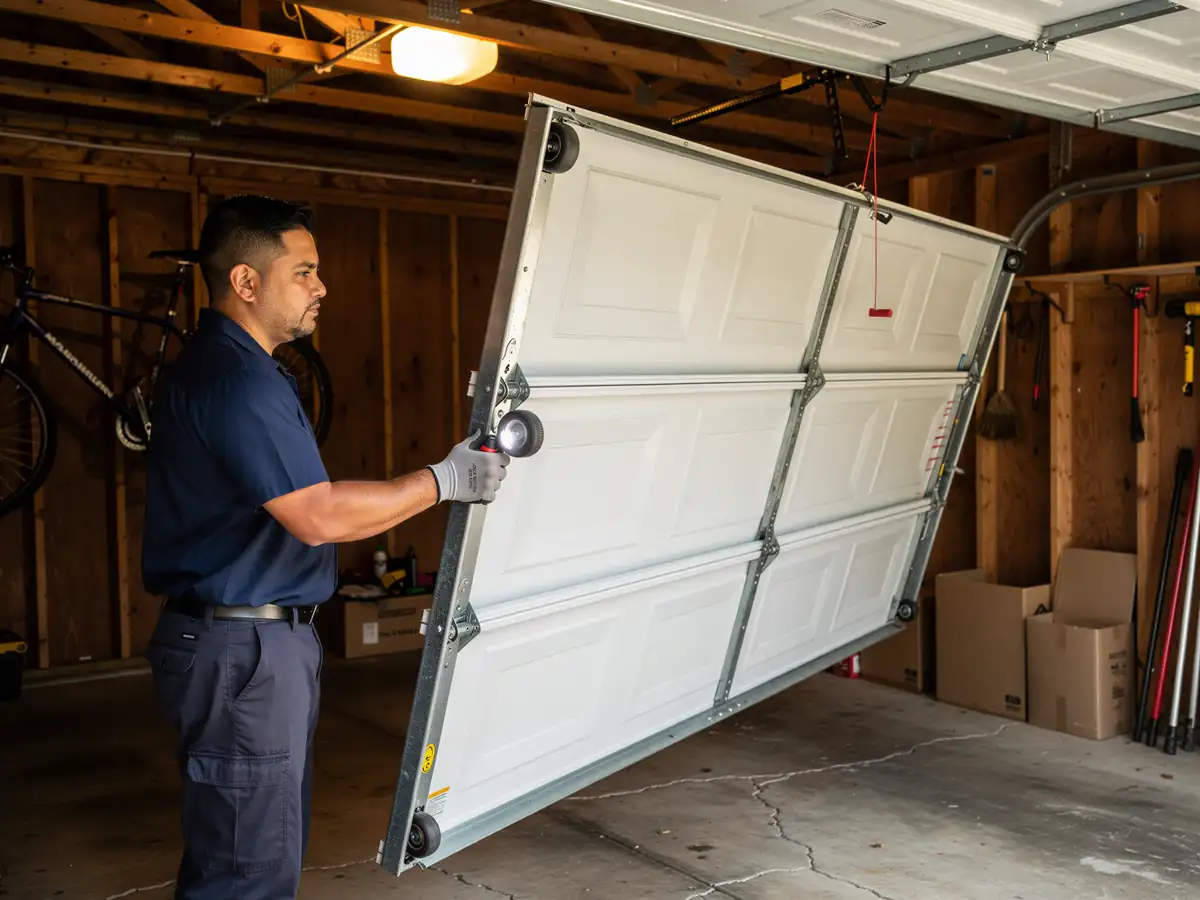
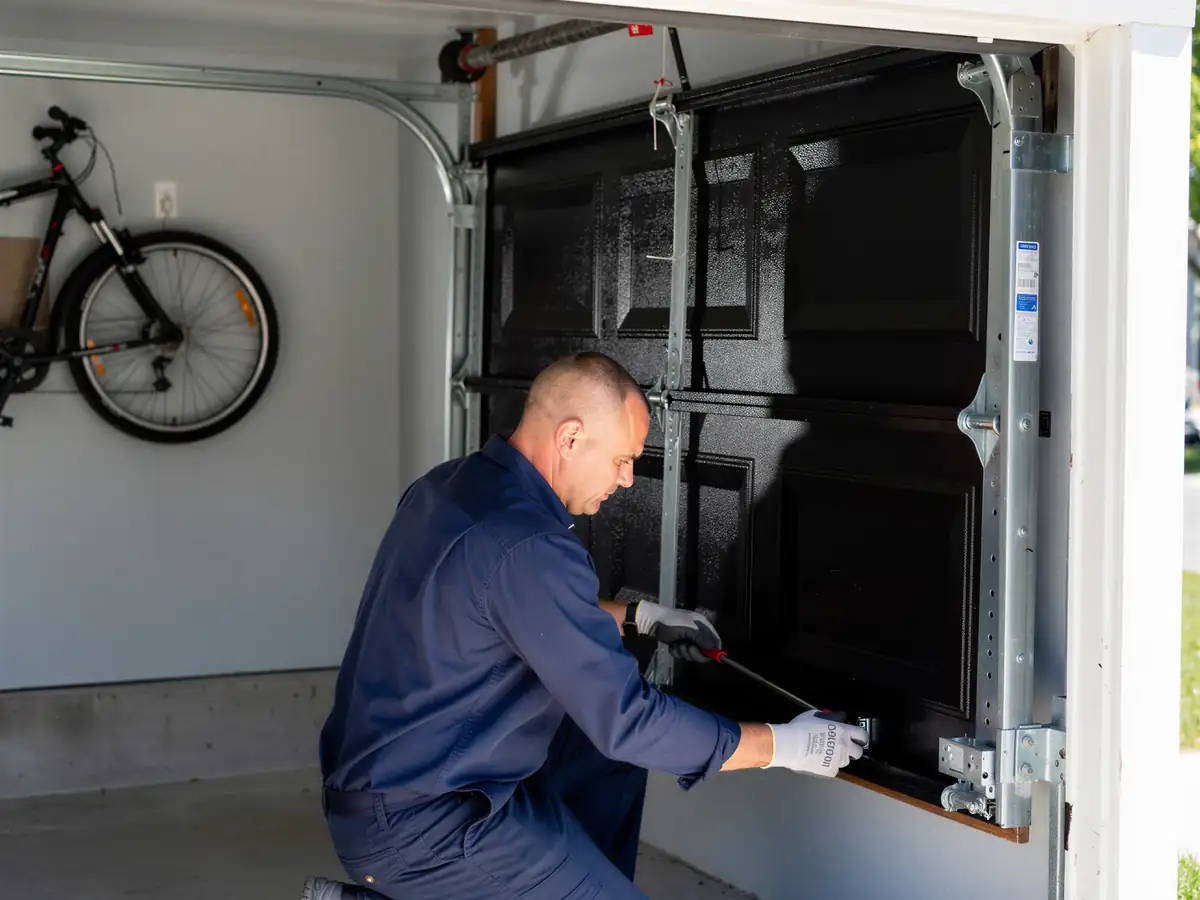
Most houses in Pittsboro went up around 1999, which puts the garage doors on them a full generation newer than the older stock we see closer to Sanford, where the median build year sits at 1983. That matters for what's actually wrong when a door quits working. A late-90s build almost always means a steel panel door on a standard torsion spring setup, not the single-layer wood slab doors still common on older houses in the wider service area. The fix usually means pulling and replacing a torsion spring sized for a steel door, checking the roller track for the kind of wear you'd expect after roughly twenty-five years of daily cycles, and testing the opener's drive gear, which is usually the first thing to strip on a unit this age. We don't guess at spring size from the driveway - we measure wire gauge and coil length on site before we quote, because a mismatched spring is worse than no spring at all. If the door is a wood panel style instead, the job looks different and we say so before we start, not after.
The Symptom
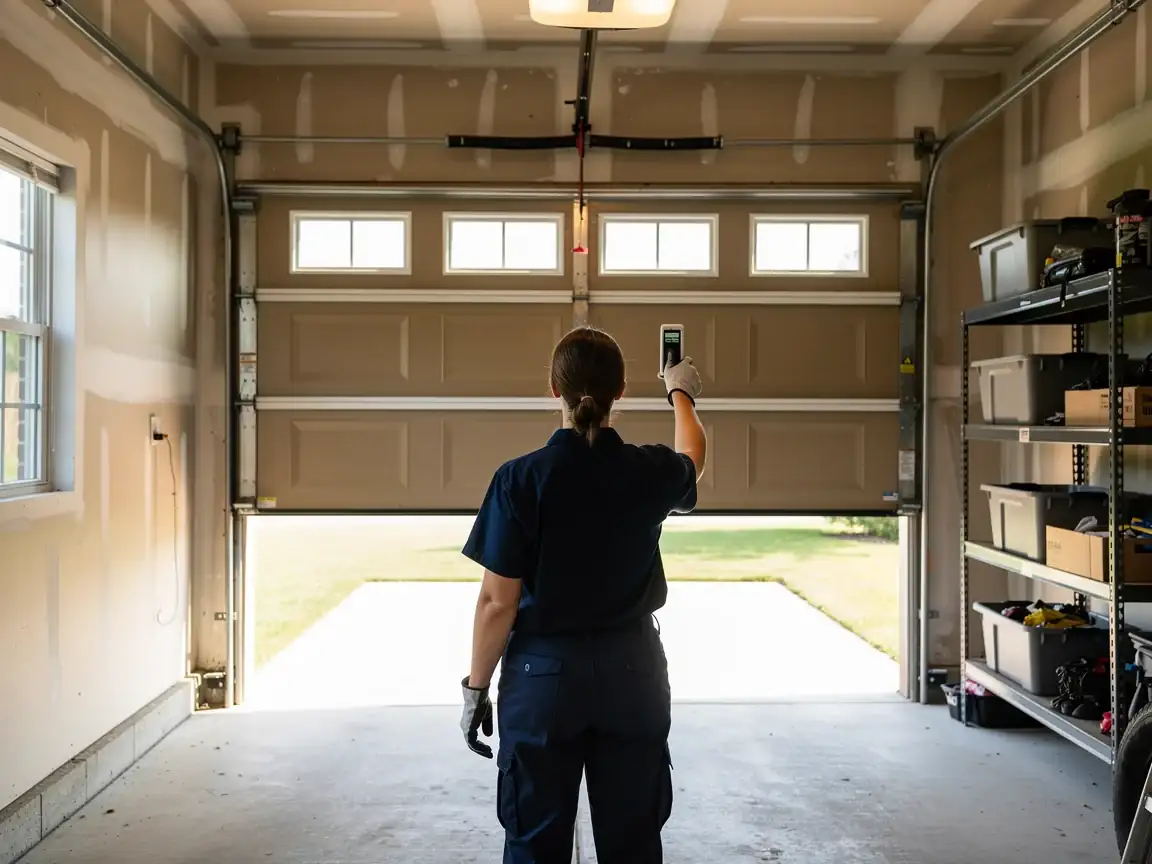
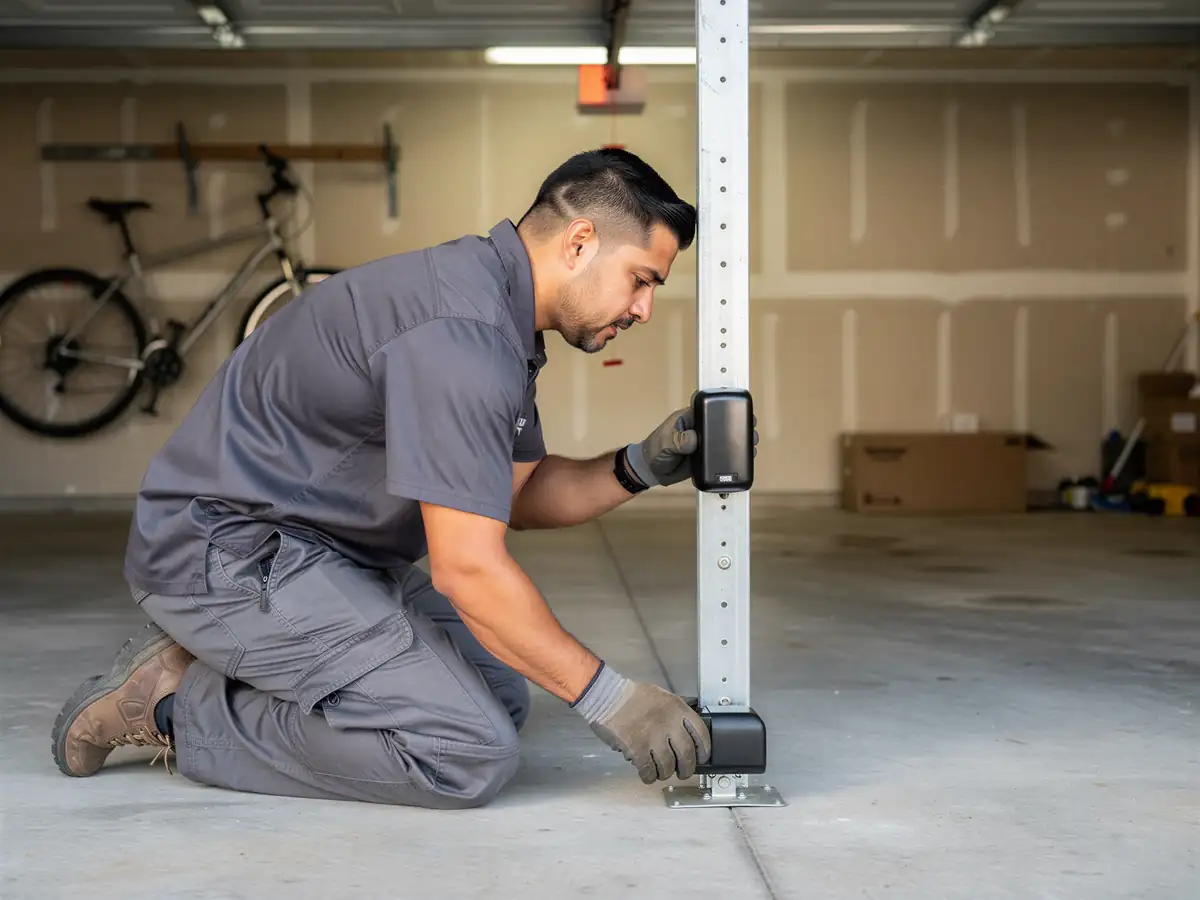
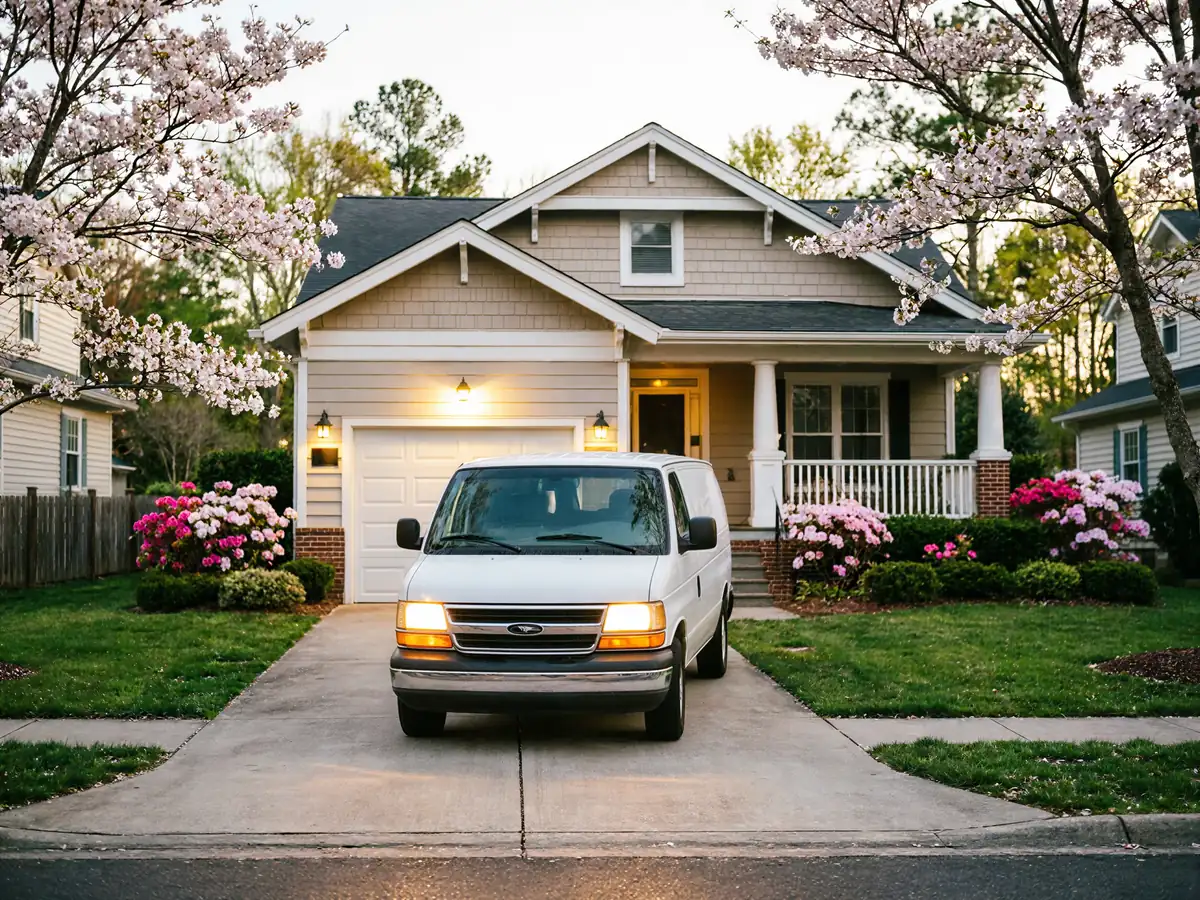
The call we get from this part of the service area is almost always the same shape: a door that slams down the last foot of travel, or one that won't lift past knee height before the opener strains and stops. Both point to a torsion spring that's lost tension, which lines up with what we'd expect from doors installed close to 1999 - springs in that era are typically rated for somewhere around 10,000 cycles, and a door used twice a day for twenty-five years is well past that number. Less often, the complaint is a door that reverses on its own partway down, which usually traces to a misaligned or dirty safety sensor rather than the spring. We ask a few questions on the phone before we load the truck: does the door make noise, does it bind on one side, does the opener light blink a set number of times. That tells us which parts to bring instead of driving sixteen miles with the wrong spring size on board.
How Long You Are Without the Door
Being honest about this one: we don't quote a response window for Pittsboro the way we might for something closer to the shop, because the drive is real and traffic on the route varies. What we can tell you is that a torsion spring job, once we're on site with the right part, is usually finished in one visit - it doesn't need to come back for a second trip the way a full opener replacement sometimes does if a part has to be ordered. The limitation is parts, not labor: if your door takes an odd spring size or an older opener model that isn't something we carry on the truck, you're waiting on that part to come in before the job gets scheduled, not waiting on us to find time.
Why It Happens Here
This area sits in a cold-moderate climate band, and that swing between summer heat and winter cold is hard on galvanized spring steel. A torsion spring loses a small amount of tension with every temperature cycle, and over twenty-five years - which is where most Pittsboro doors are now, built around 1999 - that adds up to a spring that's simply worn out rather than one that failed from a single event. It's not corrosion and it's not a defect, it's cycle count plus temperature stress doing what it does to any spring this age. Doors from this build era also tend to have steel panels that have held up fine; it's almost always the spring and sometimes the opener gearing, not the panels themselves, that bring us out.