What the Fix Involves
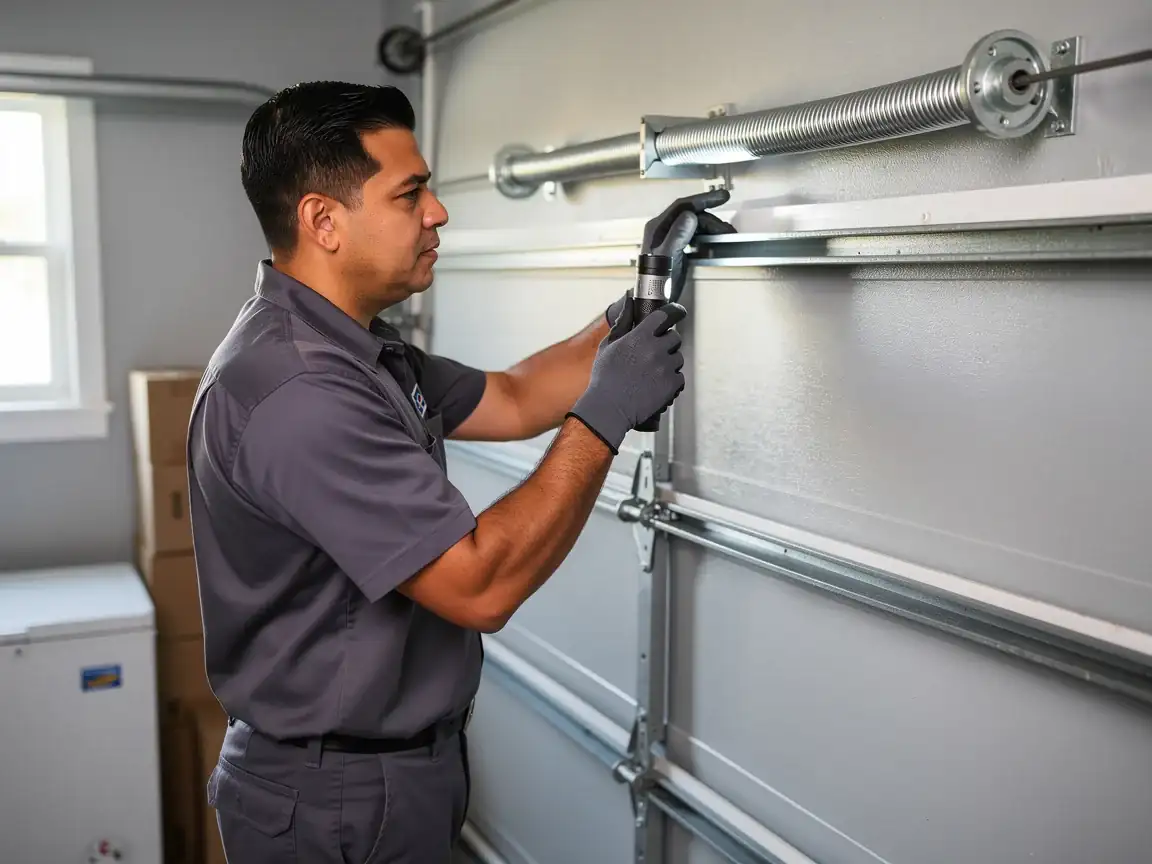
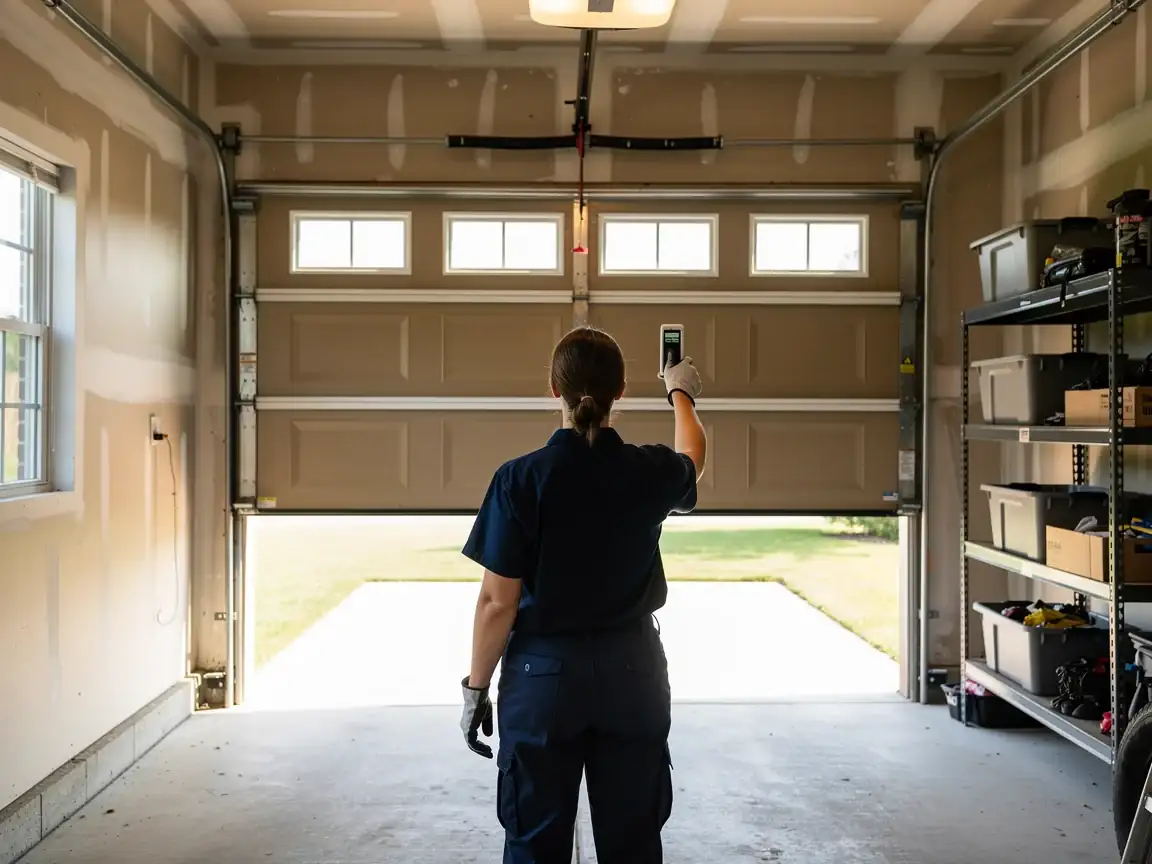
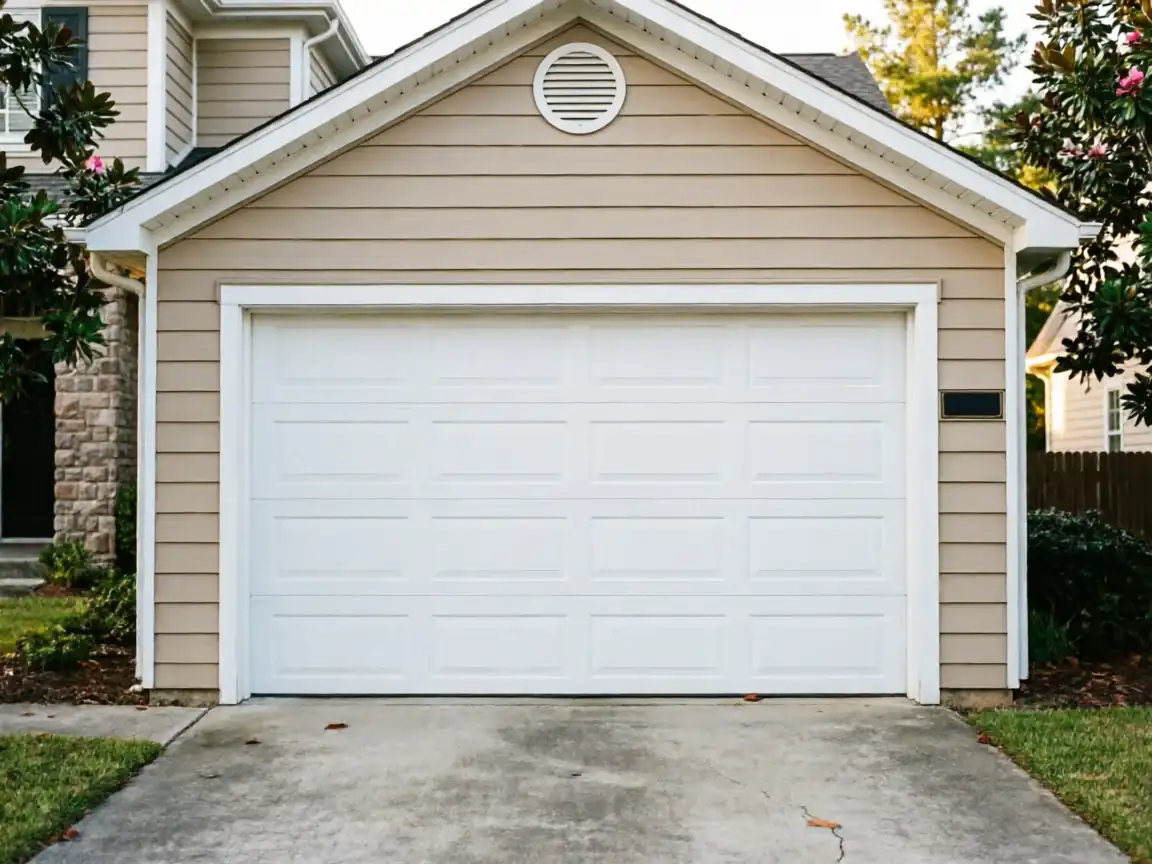
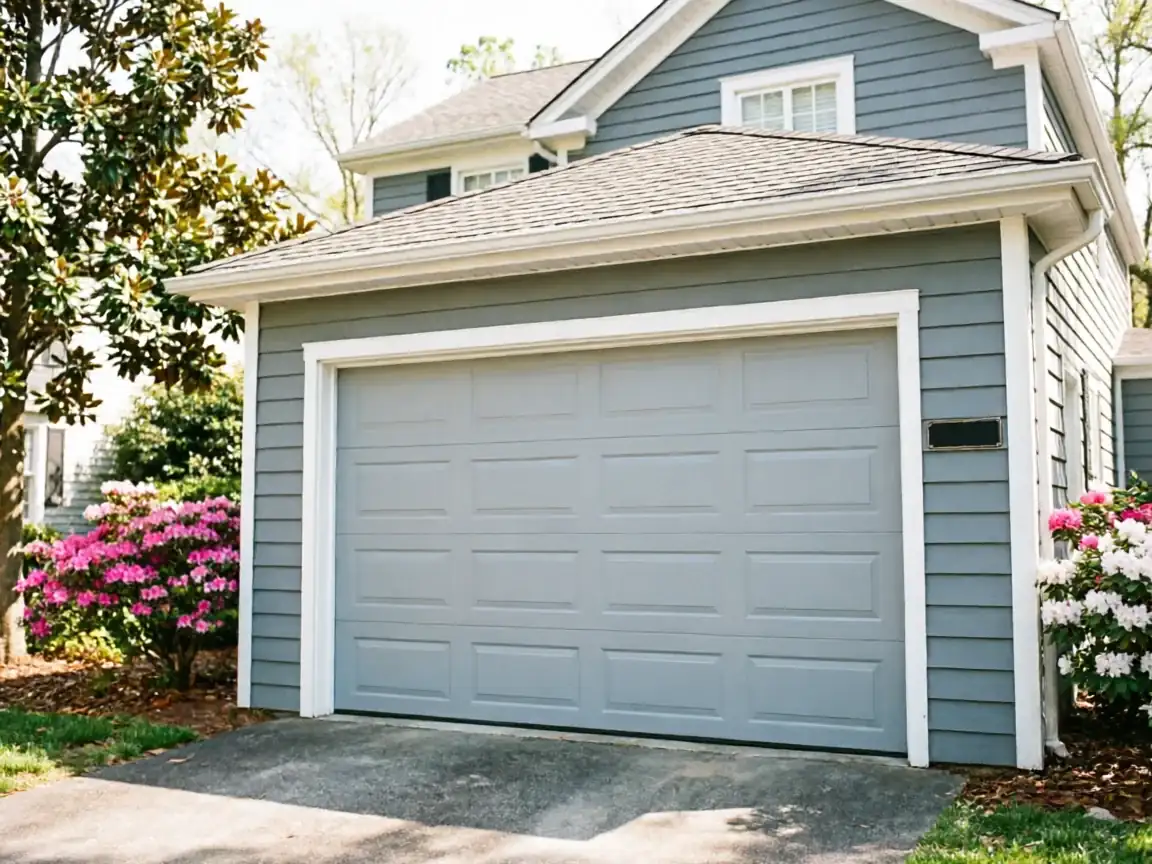
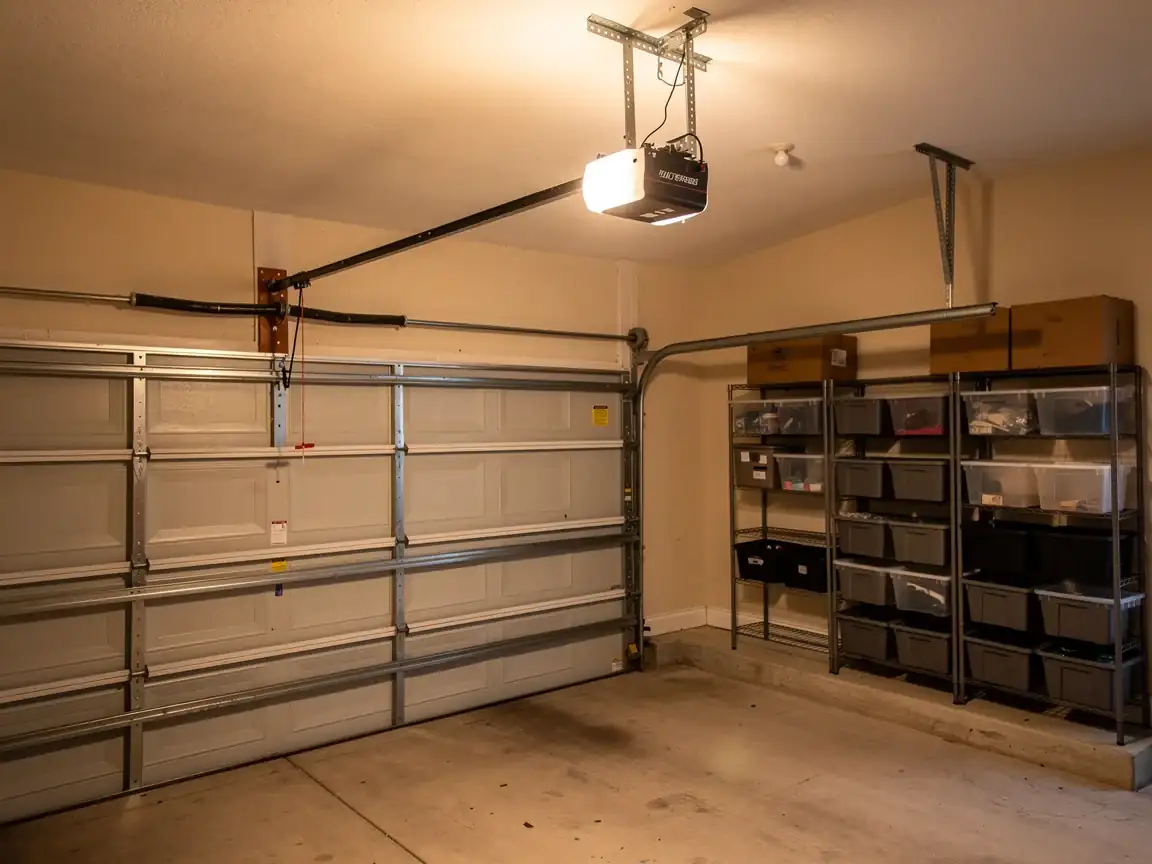
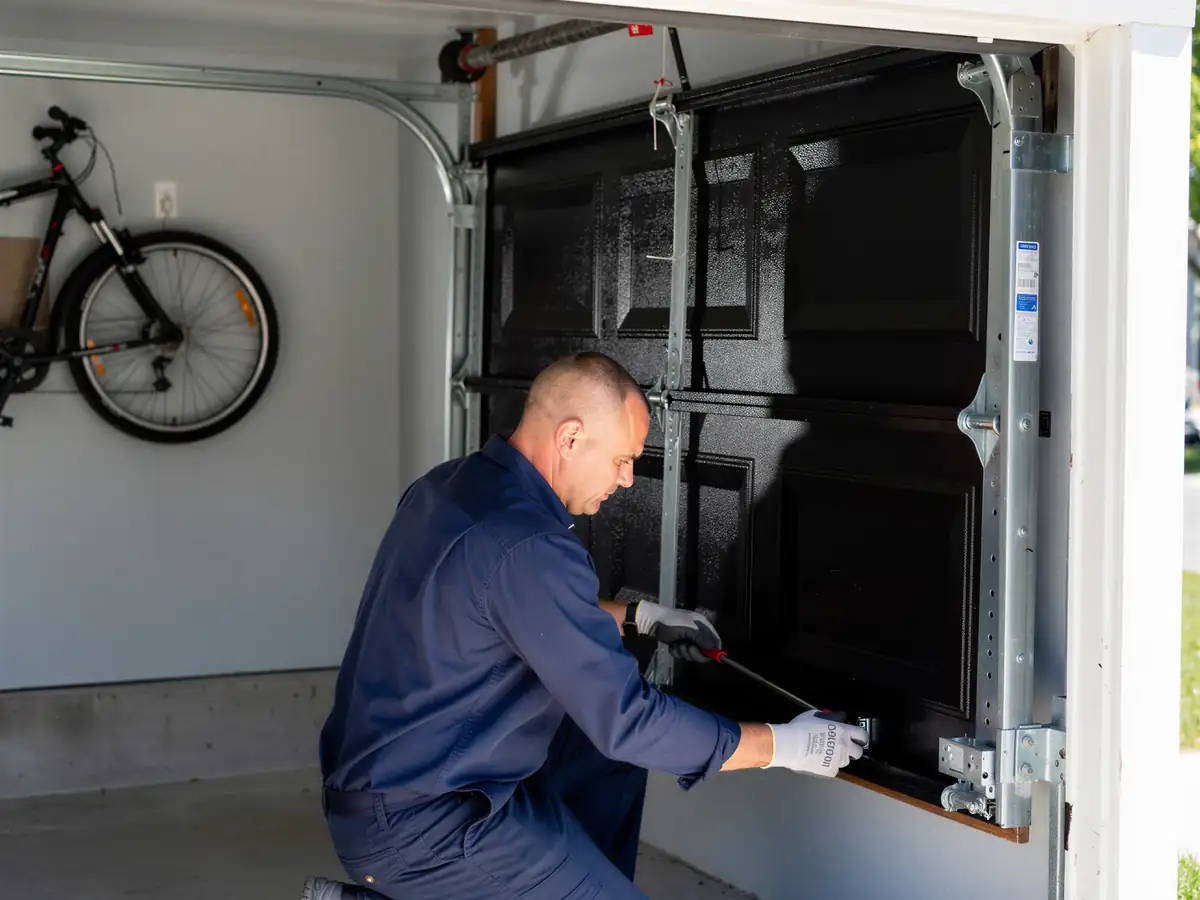
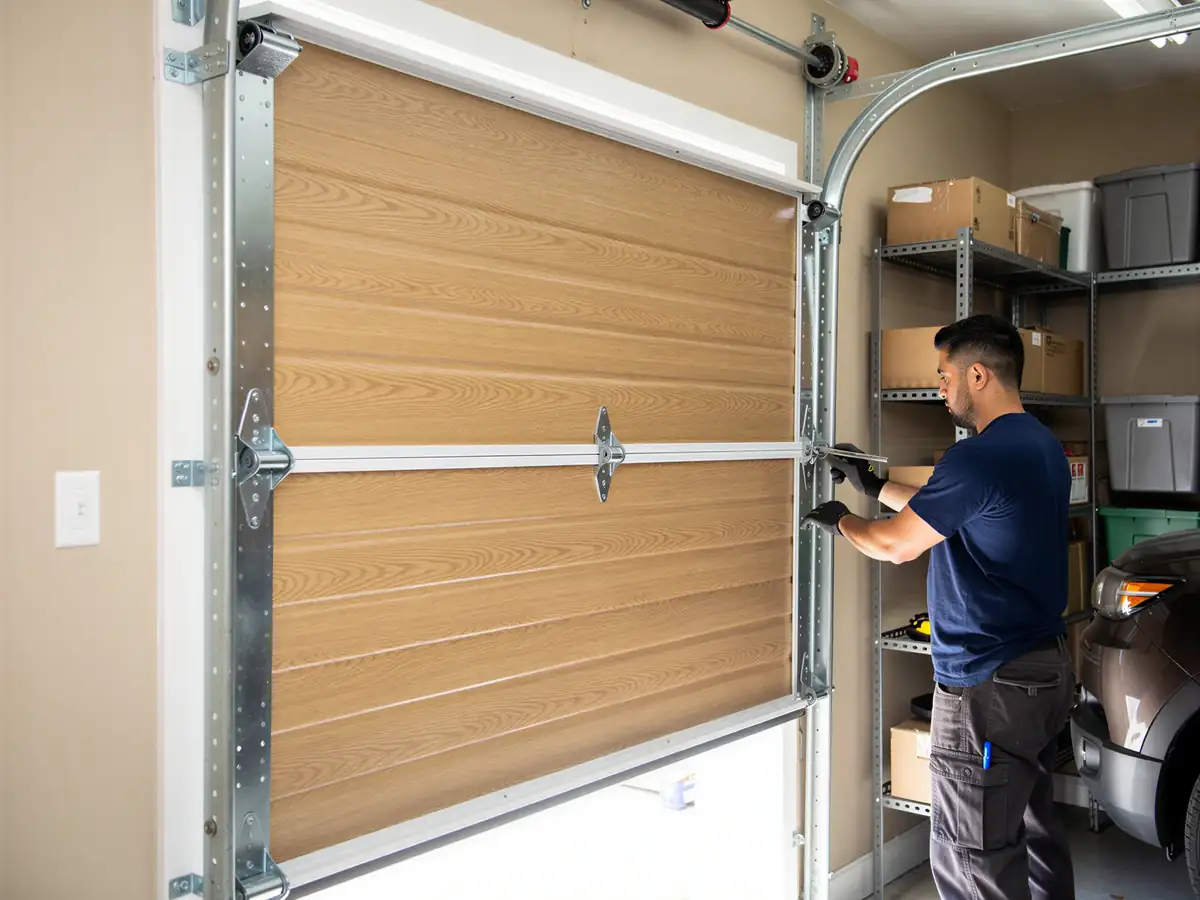
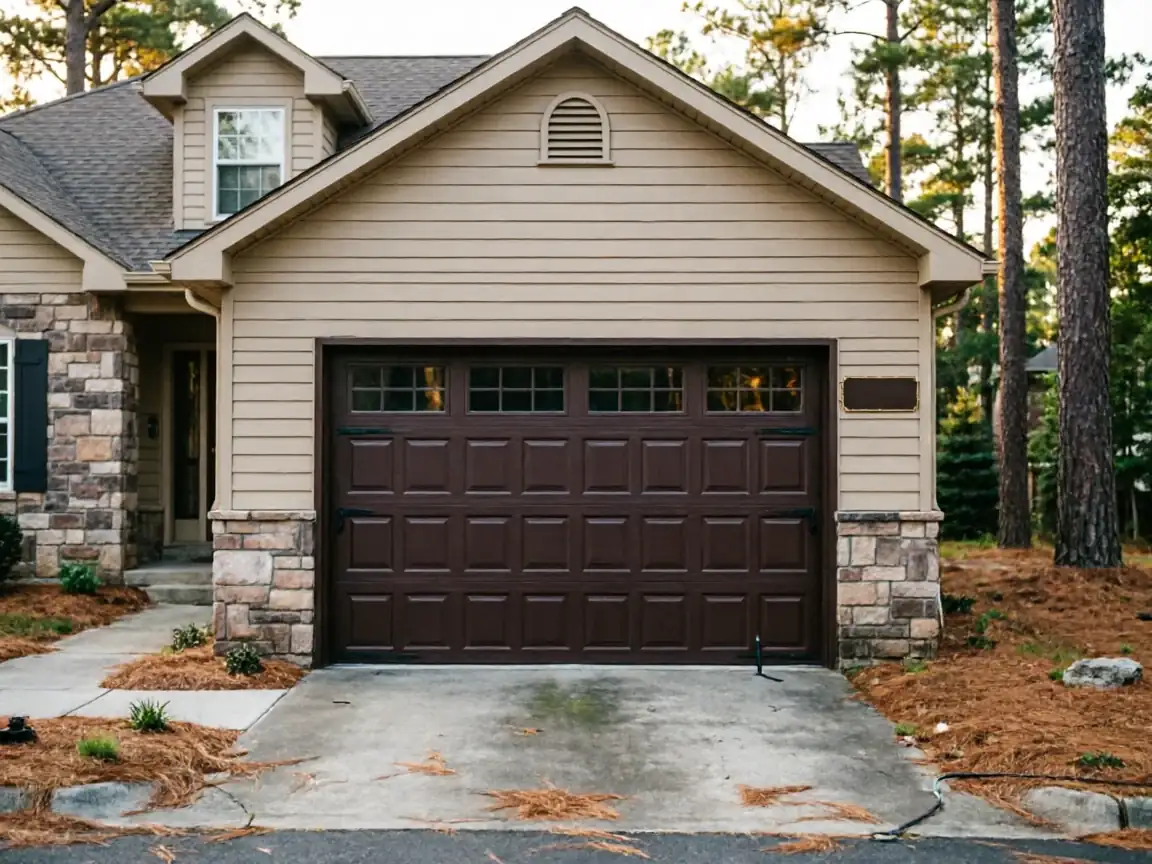
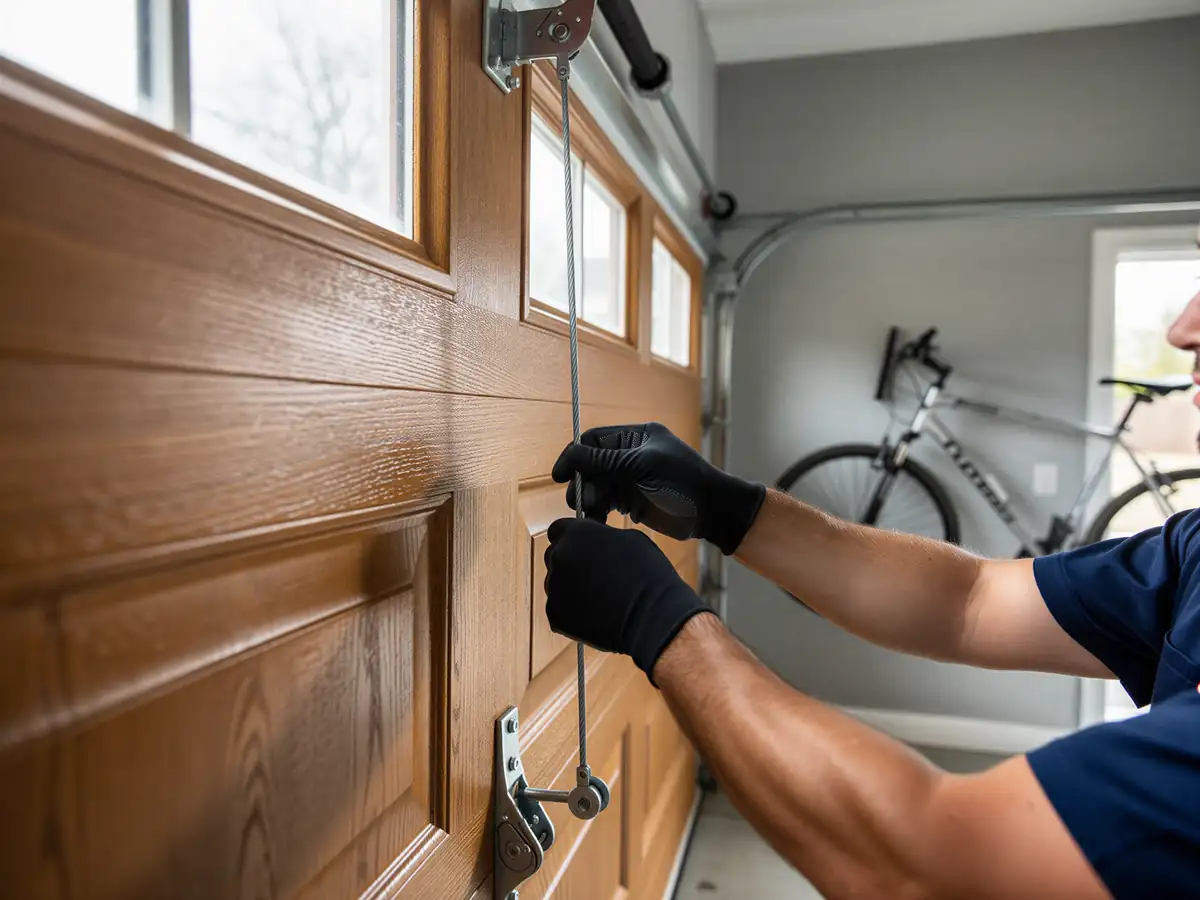
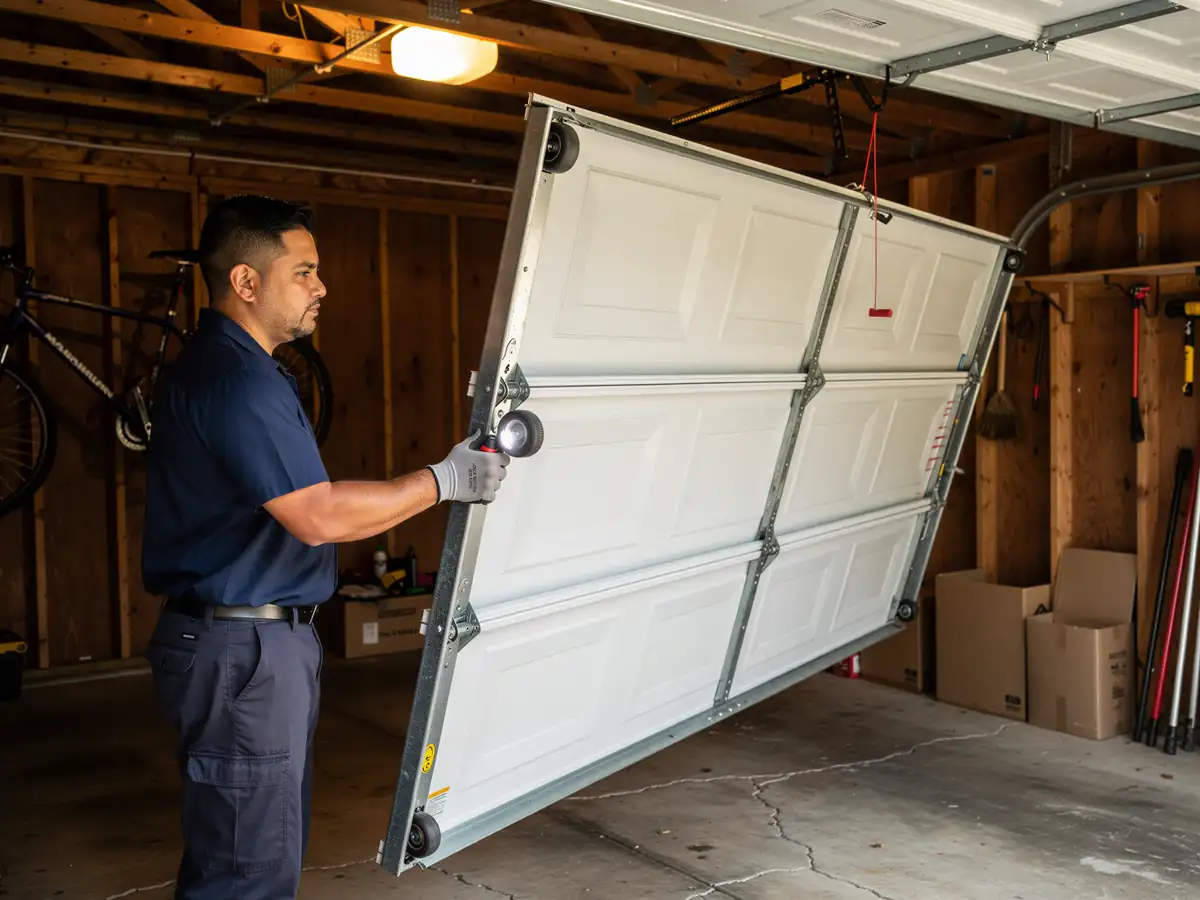
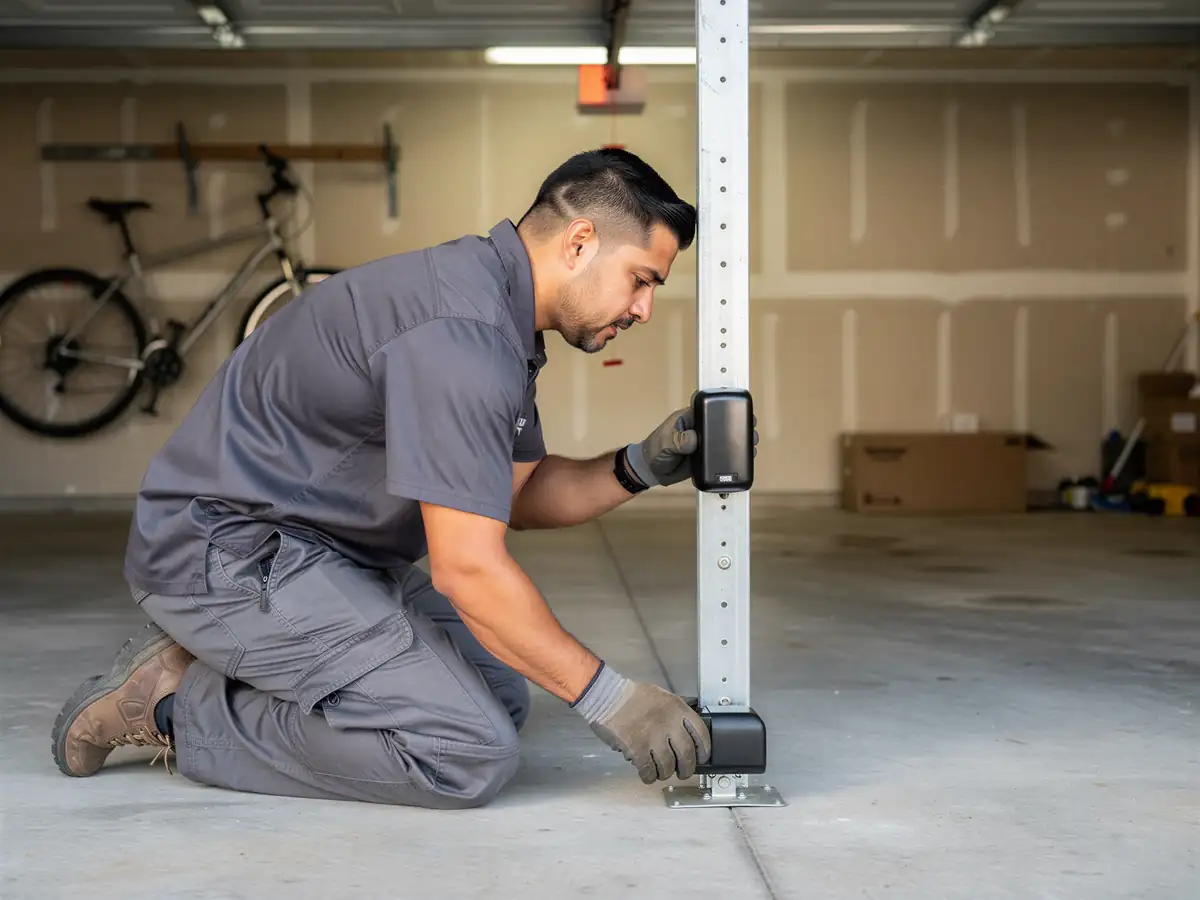
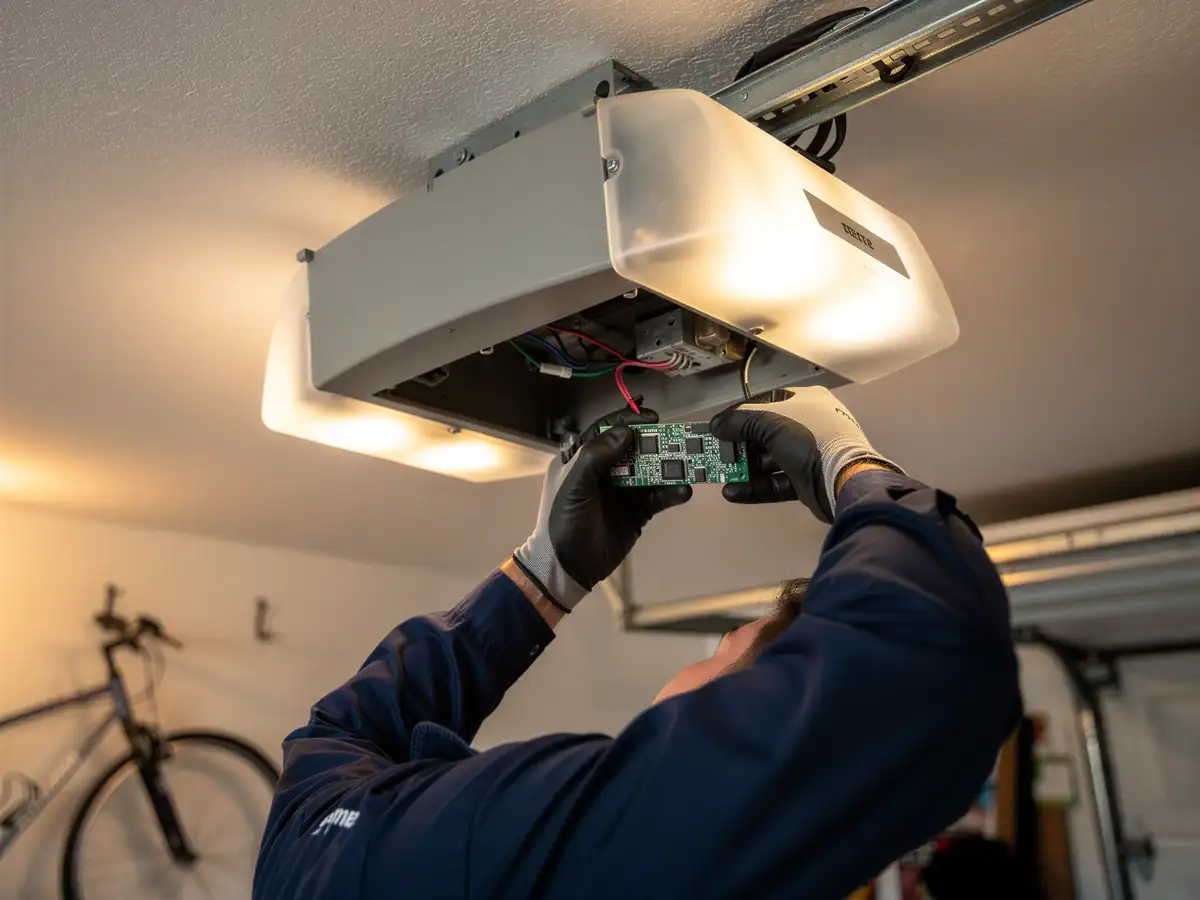
Most houses on this side of Pittsboro went up with a median build year around 1999, which puts the garage door and opener right at the point where builders switched from the older chain-drive units to belt and screw-drive models with plastic gear carriers. That gear carrier is usually the first thing to go. The door itself is a steel sectional, typically a 16-foot double, hung on standard-lift track with galvanized torsion hardware that's still young enough to be in spec rather than seized. We're not dealing with the one-piece wood doors or the undersized openers you'd find on older stock elsewhere in the county - this is newer gear, which changes what actually fails. Repair here usually means swapping a stripped gear-and-sprocket kit, a burned-out capacitor on the motor, or a logic board that's lost its memory of the travel limits, not re-hanging a door that's sagged out of its frame. We pull the opener housing, check the drive mechanism against the rail wear pattern, and test the safety sensors before we touch anything electrical - a bad sensor eye reads like a bad board if you don't rule it out first.
The Symptom
The call we get from this area is usually the door reversing itself halfway up, or the opener running but the door not moving at all - chain or belt slipping on a worn sprocket. Sometimes it's a light that blinks a fault code and nobody in the house knows what the blinks mean. Less often, the door opens fine on manual pull but the motor won't engage, which points at the carriage release or a stripped drive gear rather than the motor itself. We ask these questions on the phone before we load the truck, because a dead remote and a dead opener are two different jobs with two different parts.
How Long You Are Without the Door
A worn sprocket, a stripped gear kit, or a bad logic board is usually a same-visit repair once we're on site with the part in hand - we carry the common gear-and-sprocket kits for belt and chain units from this era because they're the parts that fail most often in houses built around the late 1990s. A dead motor or a board that's taken lightning damage sometimes needs an order, and we'll tell you straight if that's the case rather than guess. We don't stock every control board for every brand sold since 1999 - that's the honest limit - so a less common opener can mean a short wait on a part.
Why It Happens Here
Pittsboro's garage stock runs newer than a lot of what we service out of Sanford - the broader six-area service territory spans houses built 1955 through 1999, with Pittsboro sitting right at that late end. Newer openers mean plastic gears instead of the all-metal drives from the 1980s, and plastic gears wear out on a predictable schedule rather than lasting decades. The region sits in a cold-moderate climate band, and cold mornings make grease in an aging gearbox stiffen up, which is often the final push that cracks a gear that was already thinning. It's not a dramatic failure - it's a slow one that ends with a motor that hums but doesn't turn anything.