How to Book
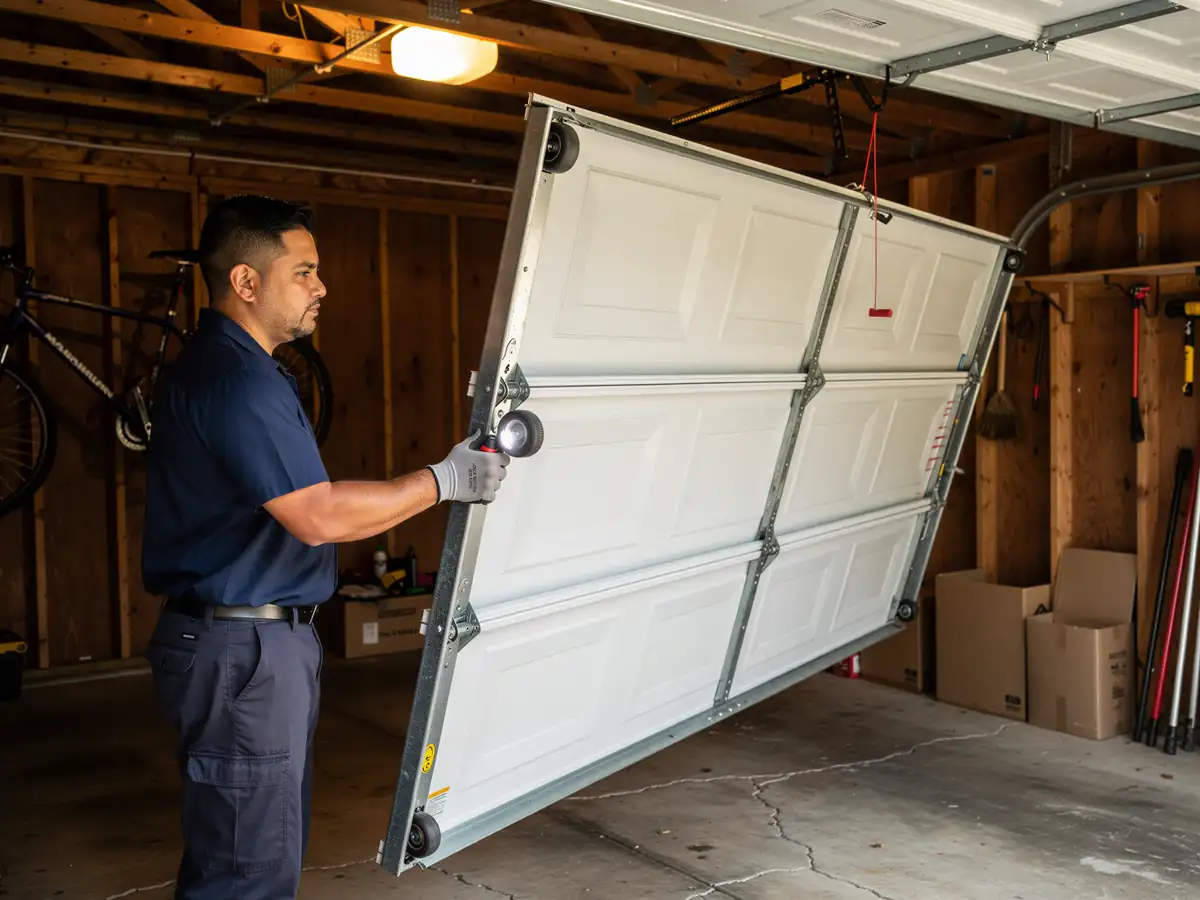
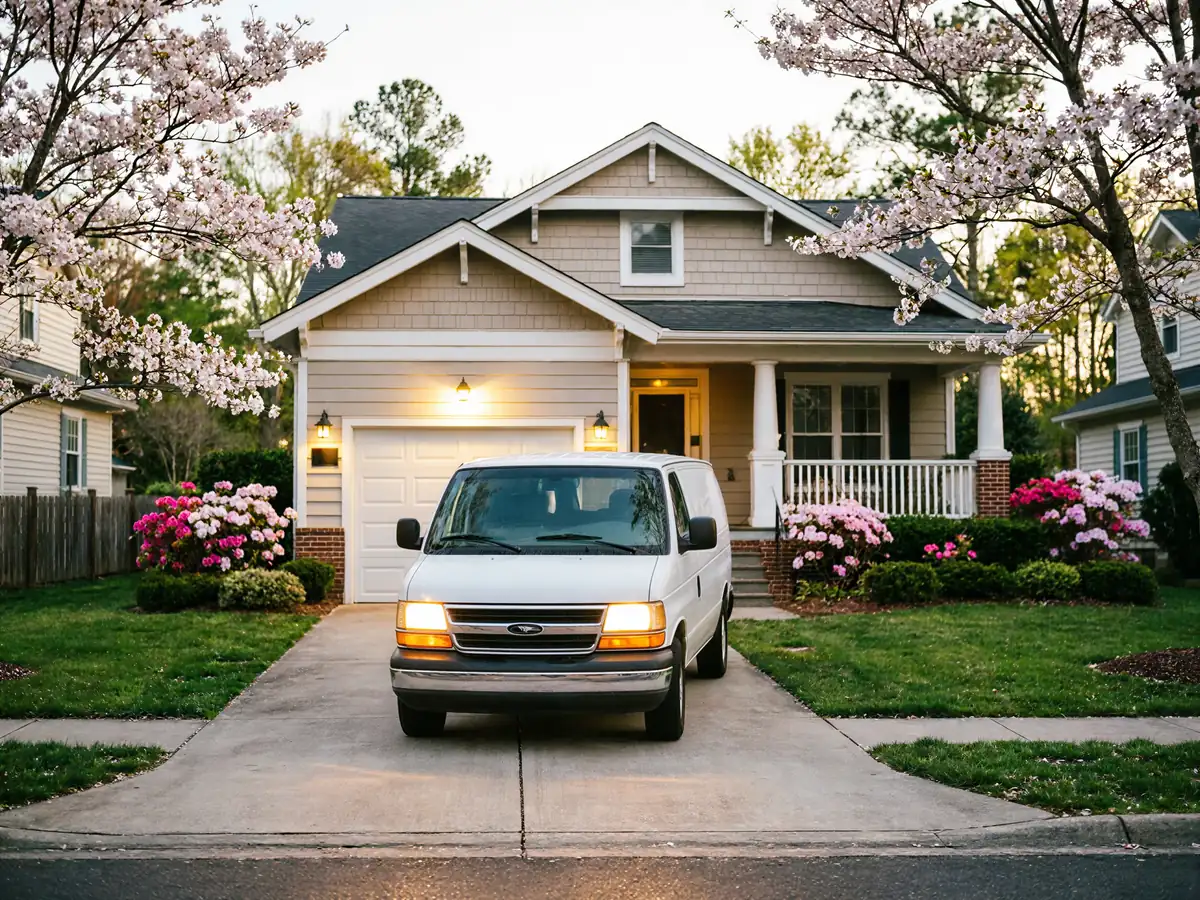
We're based in Sanford, about 18 miles out, and we run calls into Carthage on the same truck route we use for the rest of the service area. When you call, tell us the door is stuck, a spring let go, or the opener is dead - that's enough for us to load the right spring size and cable before we leave the shop. We don't keep a branch or a depot in Carthage, so we can't promise a Sanford-level response window here; we'll give you an honest estimate on arrival time when you call, not a number pulled out of the air. If your opener is simply unplugged or the wall button has a dead battery, we'll walk you through checking that first - no reason to pay a trip charge for a battery.
What the Fix Involves
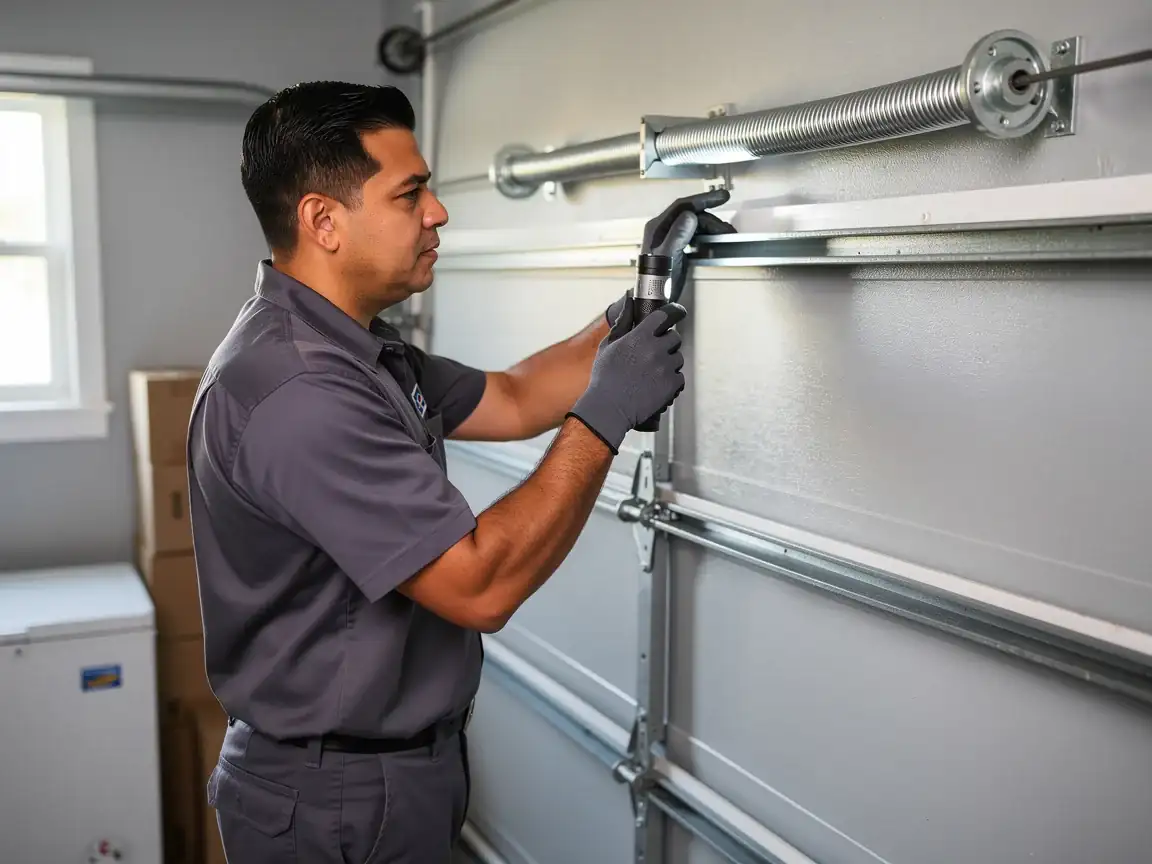
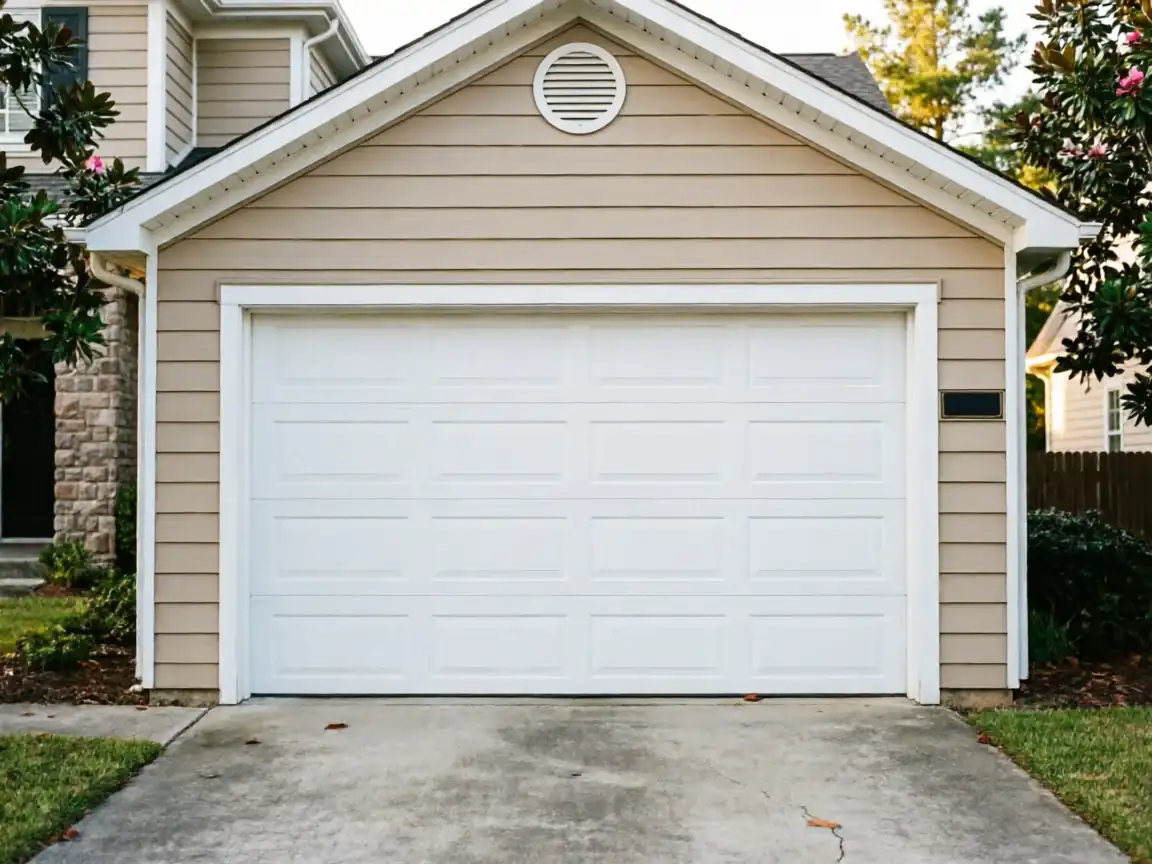
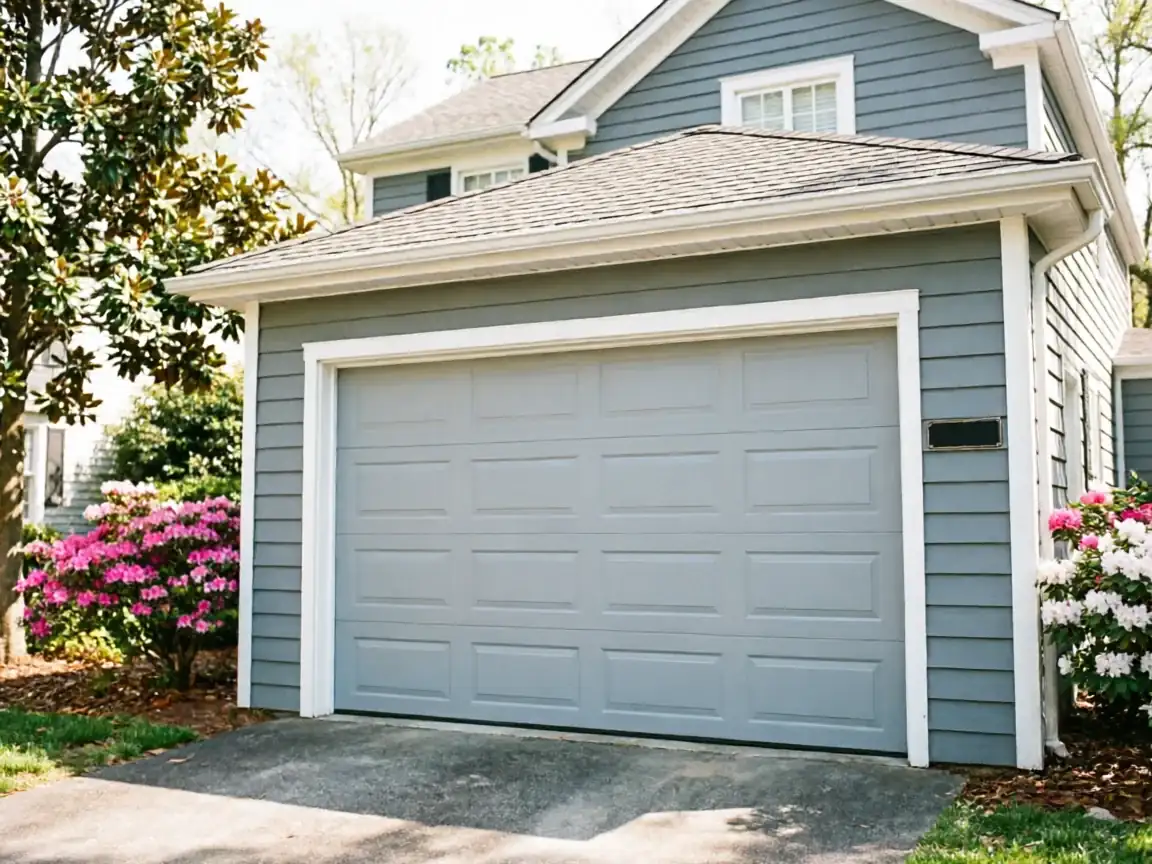
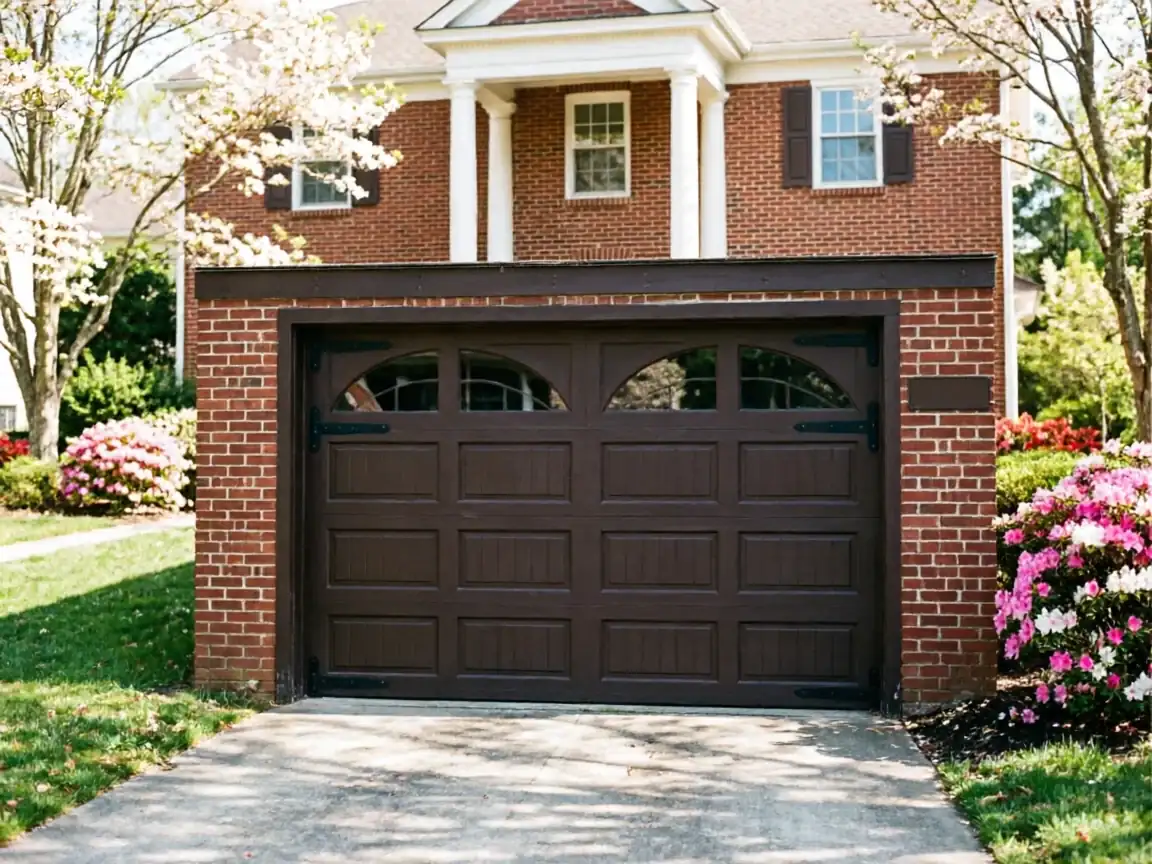
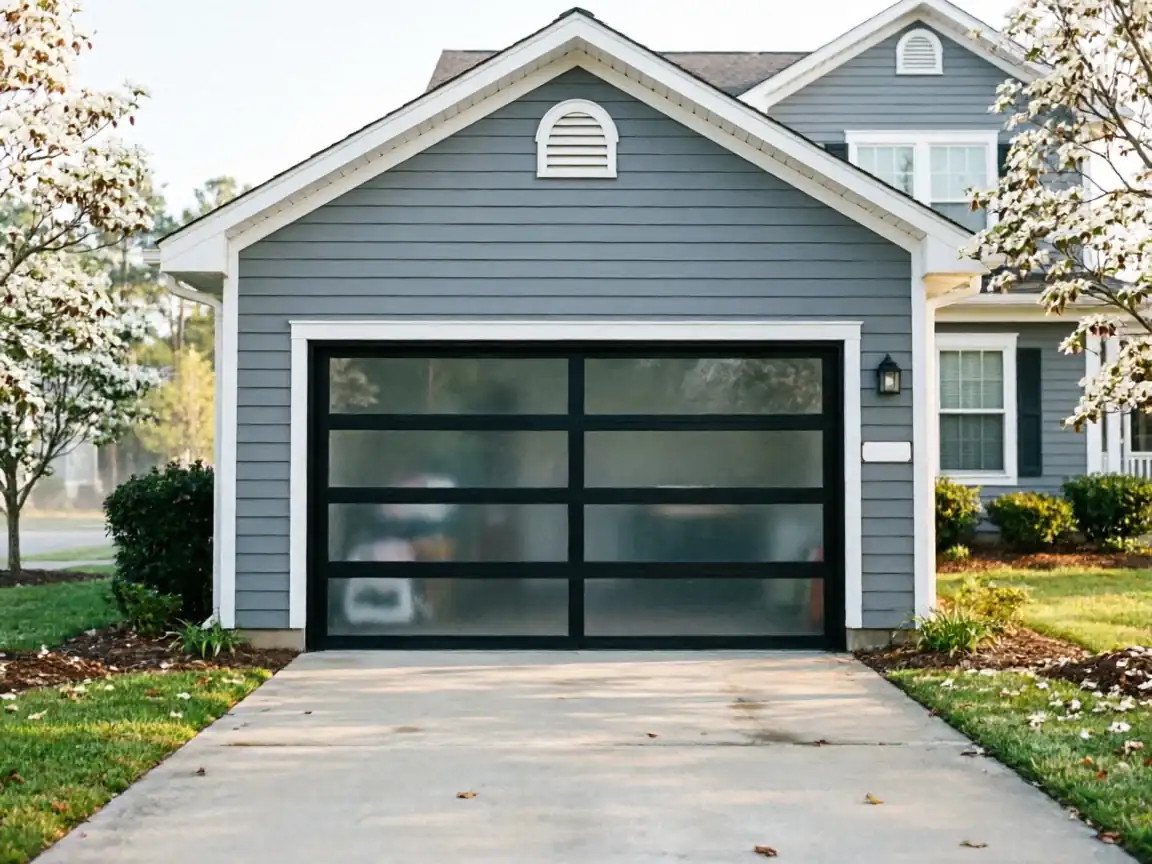
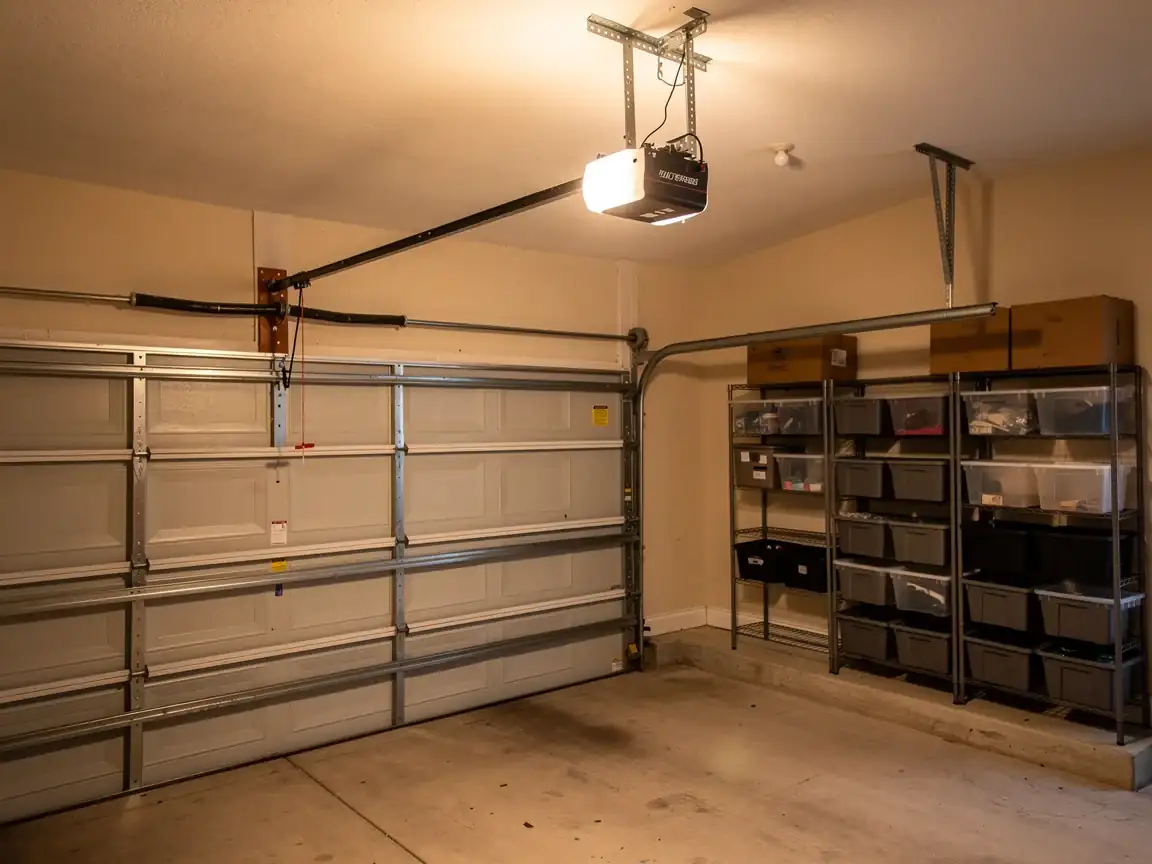
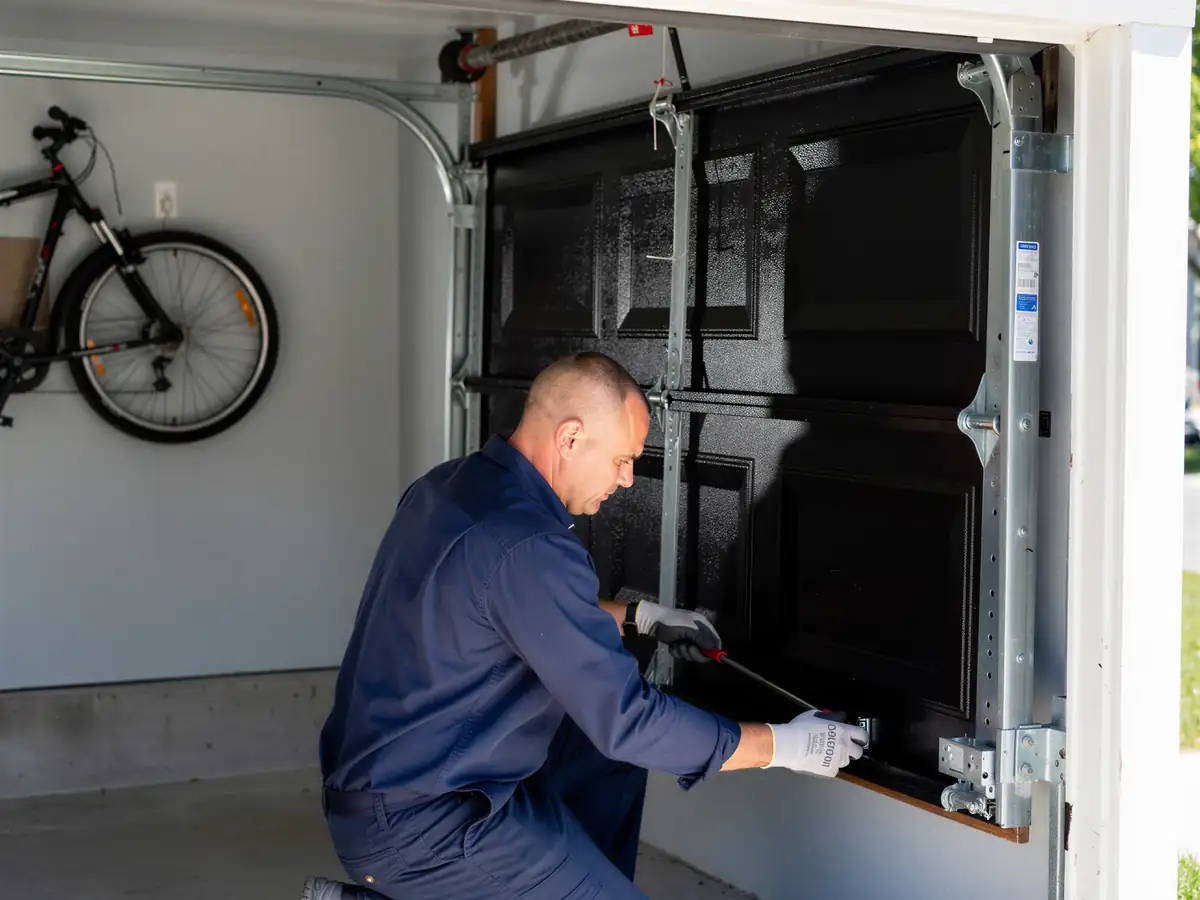
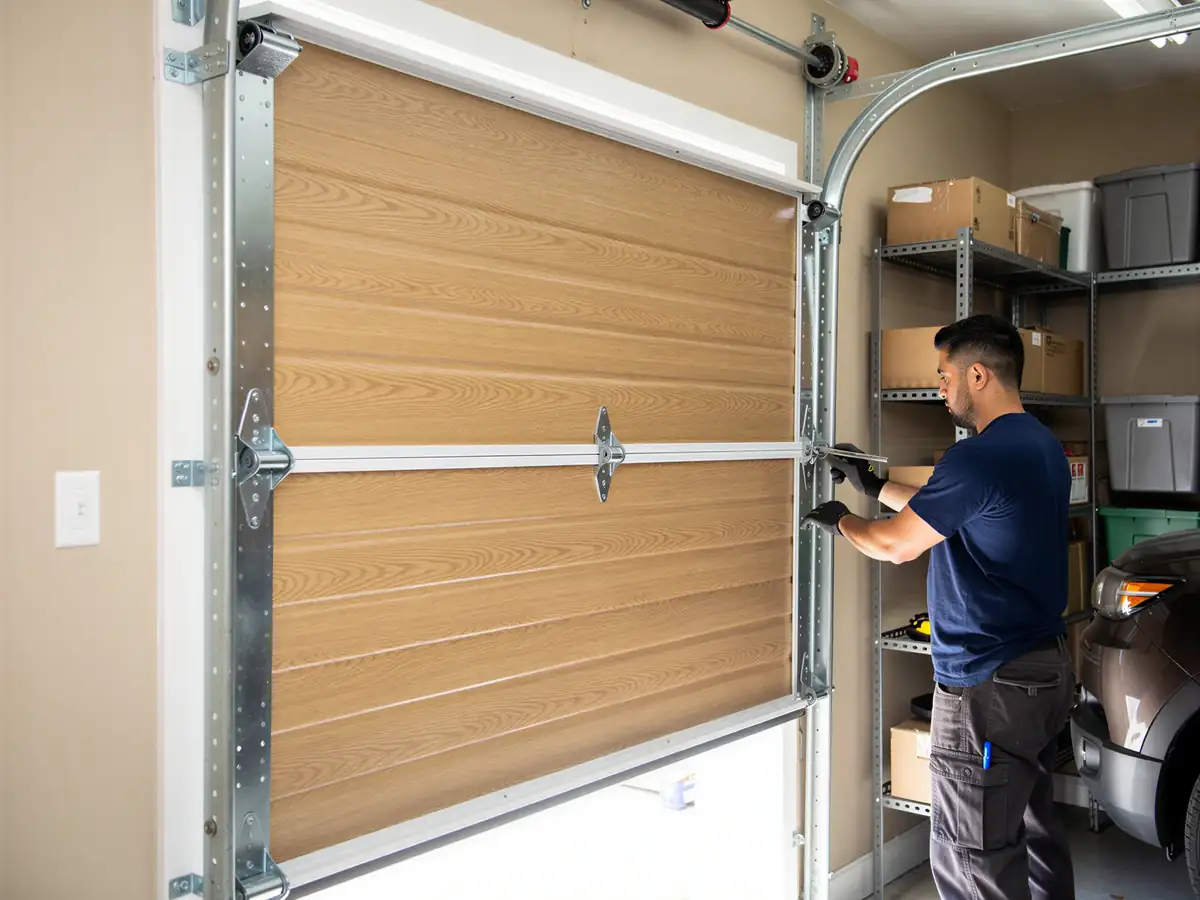
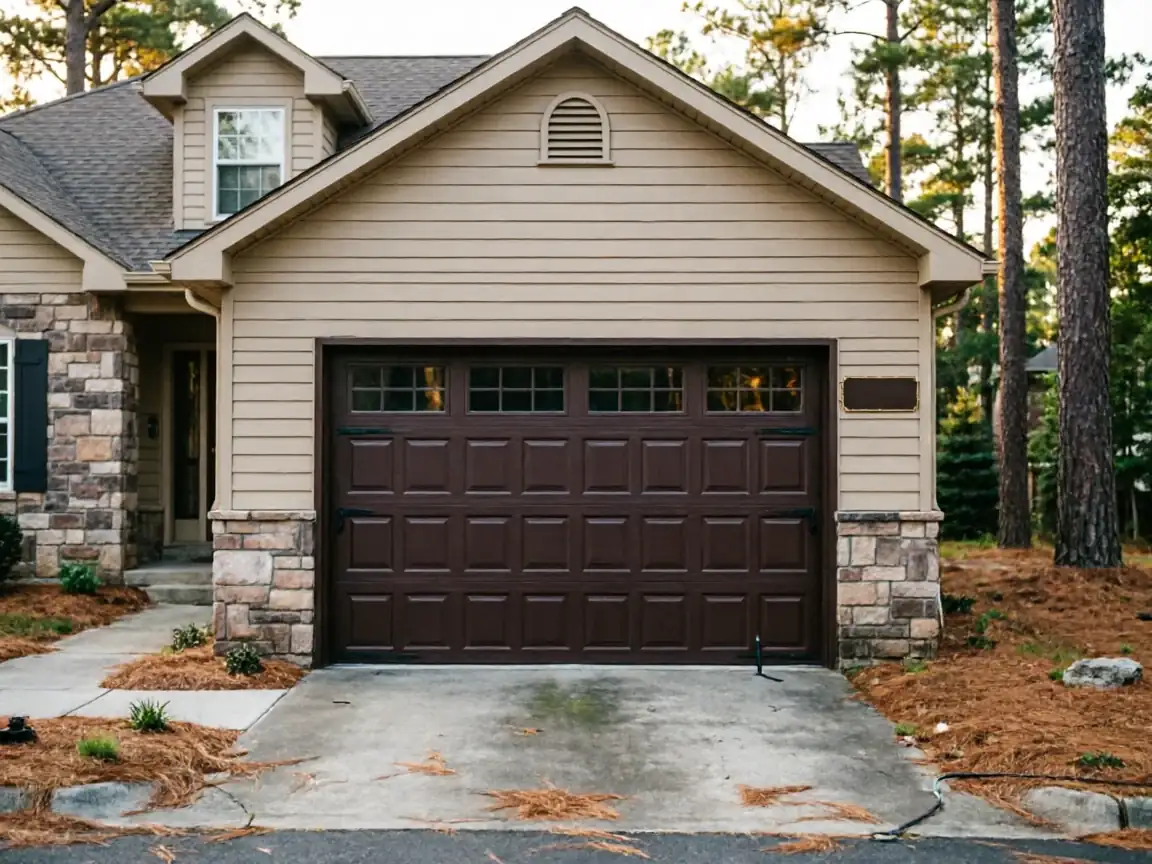
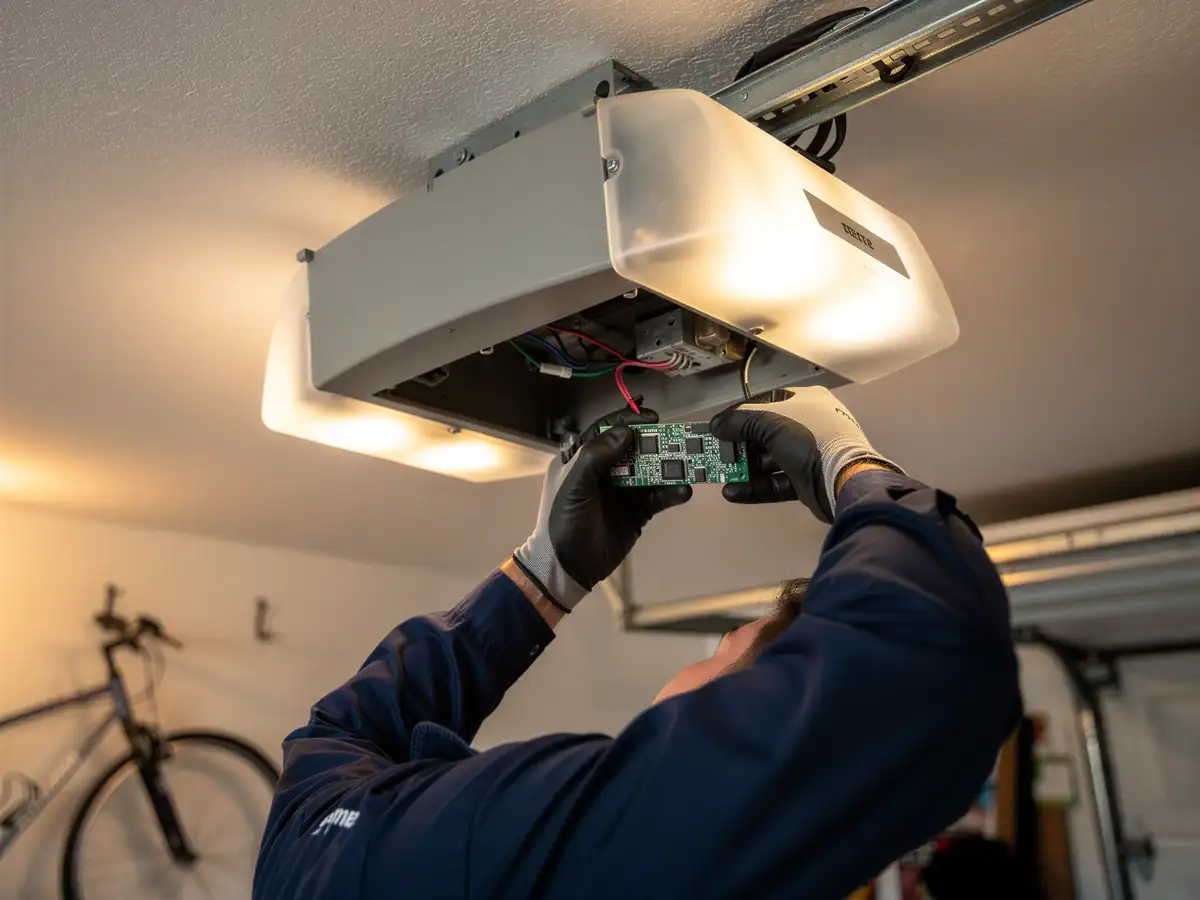
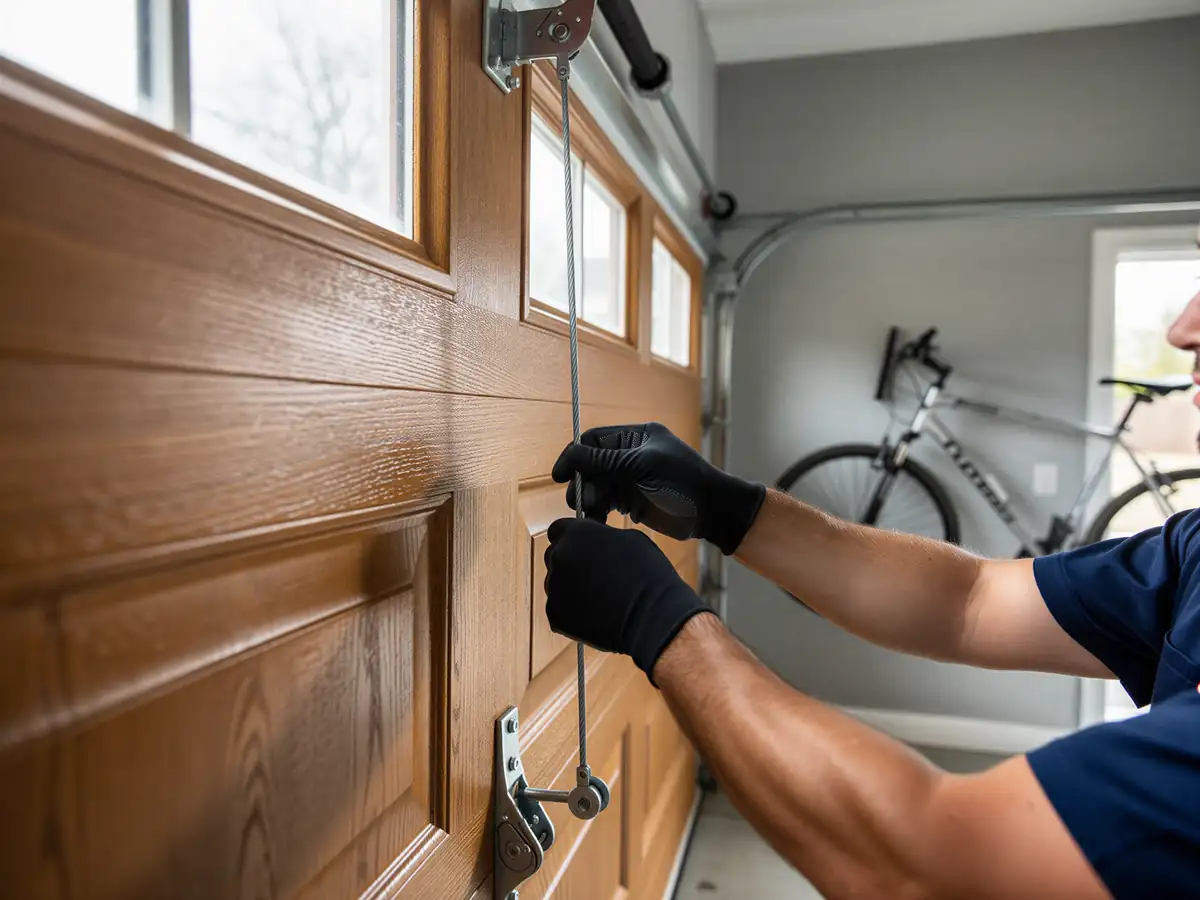
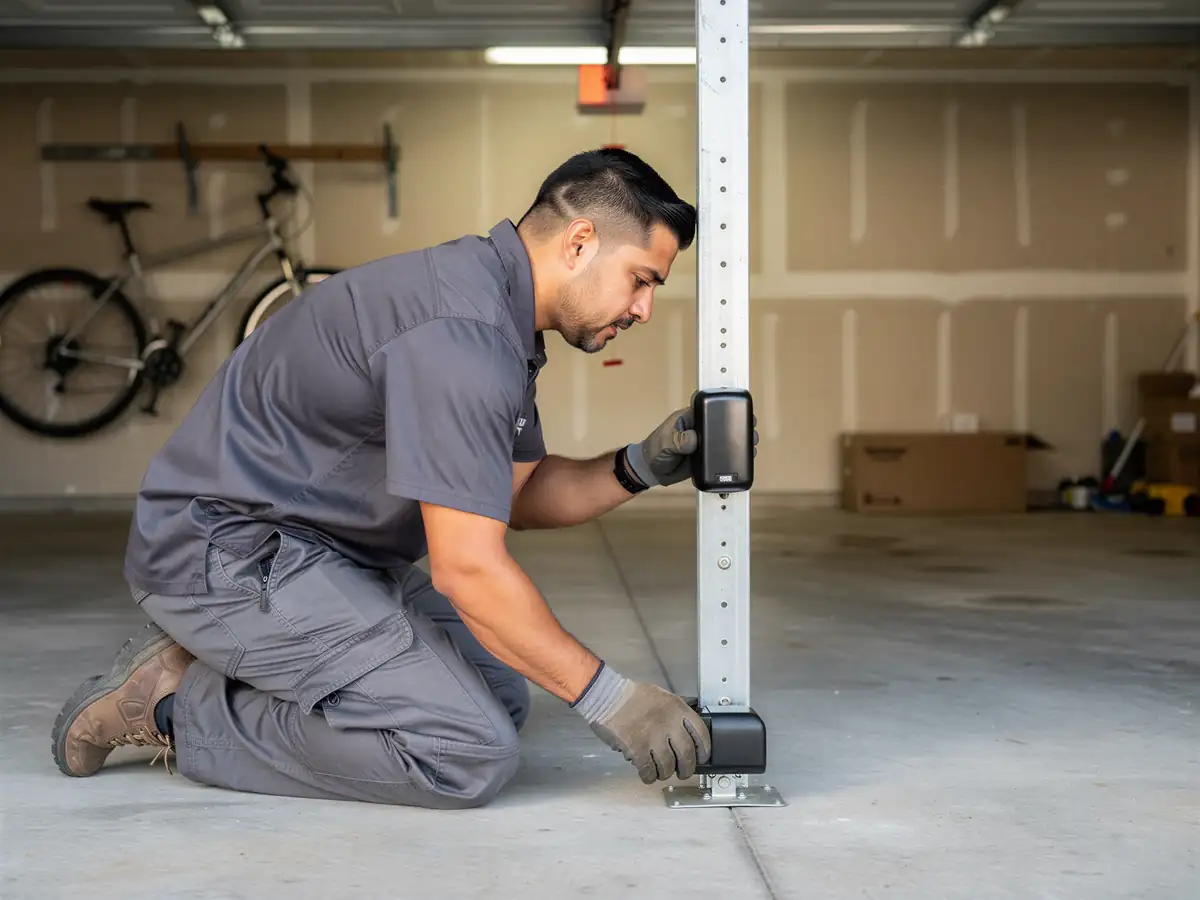
A house built around 1992 - which covers a lot of Carthage - almost always has a steel sectional door on torsion spring hardware, not the old extension-spring setup with the spring stretched along the horizontal track. That's the good news: torsion springs are safer to diagnose and the parts are still common. The work is usually one of three things. A broken torsion spring means we unwind the old one, measure wire size and wind count off the drum, and install a matched pair - we don't run a single spring on a double door even if that's what's there now. A snapped cable usually comes with a spring that's also tired and due. A dead opener from that era is often a chain-drive unit on its original capacitor or logic board; sometimes it's cheaper to replace the opener outright than chase a part for a 30-year-old unit, and we'll tell you straight when that's the case.
Why It Happens Here
With a median build year around 1992, most Carthage garage doors and their original hardware are now in the 30-plus year range, which is past the rated cycle count for a torsion spring under normal daily use. That's not a defect - it's just the math of a 10,000-cycle spring opening and closing twice a day for three decades. Winters here sit in the same cold-moderate band as the rest of the Sanford service area, and cold steel contracts; a spring that's already near the end of its life is more likely to let go on a January morning than a July afternoon. Houses from this era also tend to still have their original chain-drive opener, which is a mechanical part with brushes and a capacitor, not something that lasts forever either. None of that means the door is unsafe to own - it means the spring and opener are both candidates for failure around the same age, and when one goes, it's worth checking the other while we're there.