How to Book
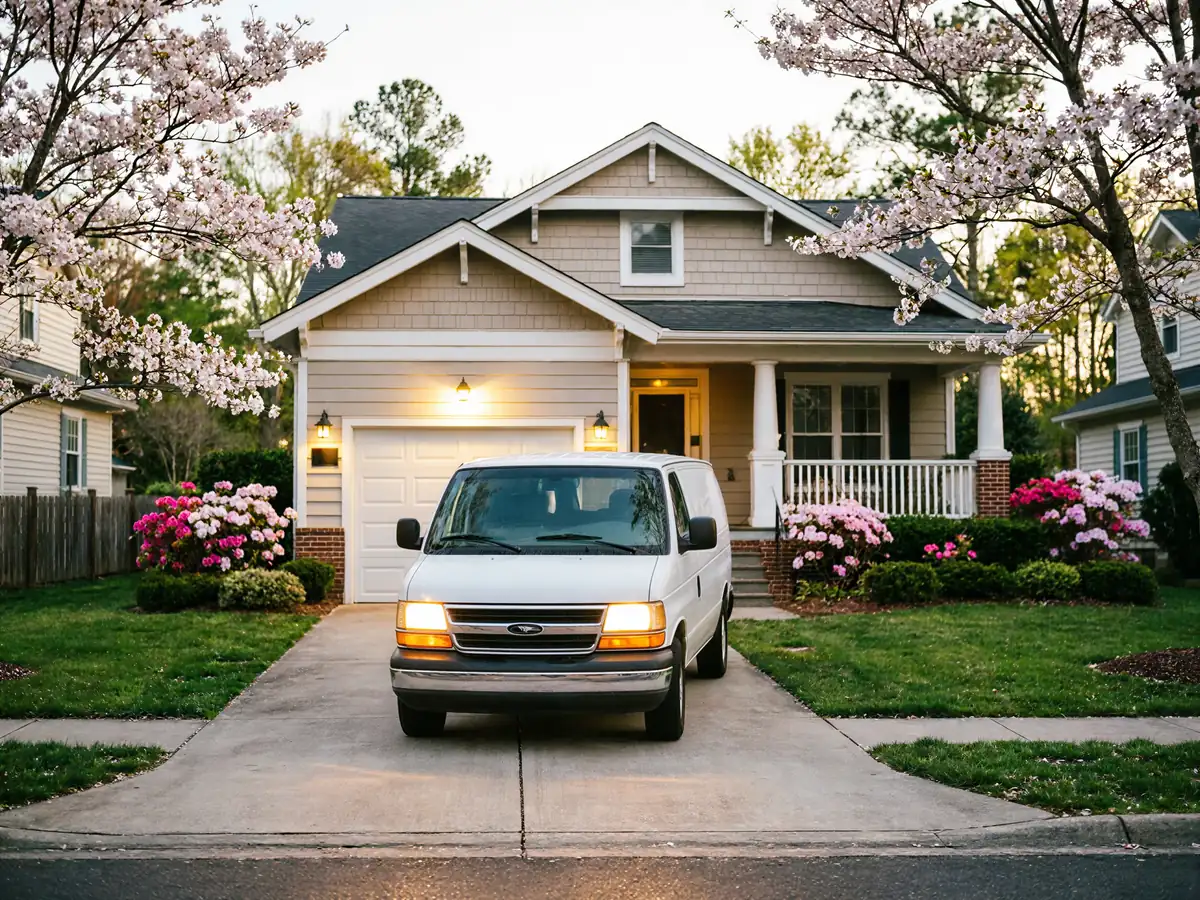
We run out of Sanford, about 18 miles from Carthage, so a repair call here isn't a same-block visit - it's a scheduled trip. When you call, tell us the door's age if you know it and whether it's the opener, the spring, or the track giving you trouble. That lets us bring the right spring size and the right opener parts on the truck instead of guessing and driving back. We don't keep a branch or drop-box in Carthage itself; every job is dispatched from the Sanford shop, which is why we ask a few extra questions up front rather than after we've already made the drive. If the fix turns out to need a part we don't carry on the truck - certain opener logic boards, for instance - there can be a short wait on that piece, and we'll tell you that before we quote the job, not after.
For general background on how we handle calls across the wider service area, see our Sanford garage door repair page. For more on how we cover Carthage specifically, see the Carthage area page.
What the Fix Involves
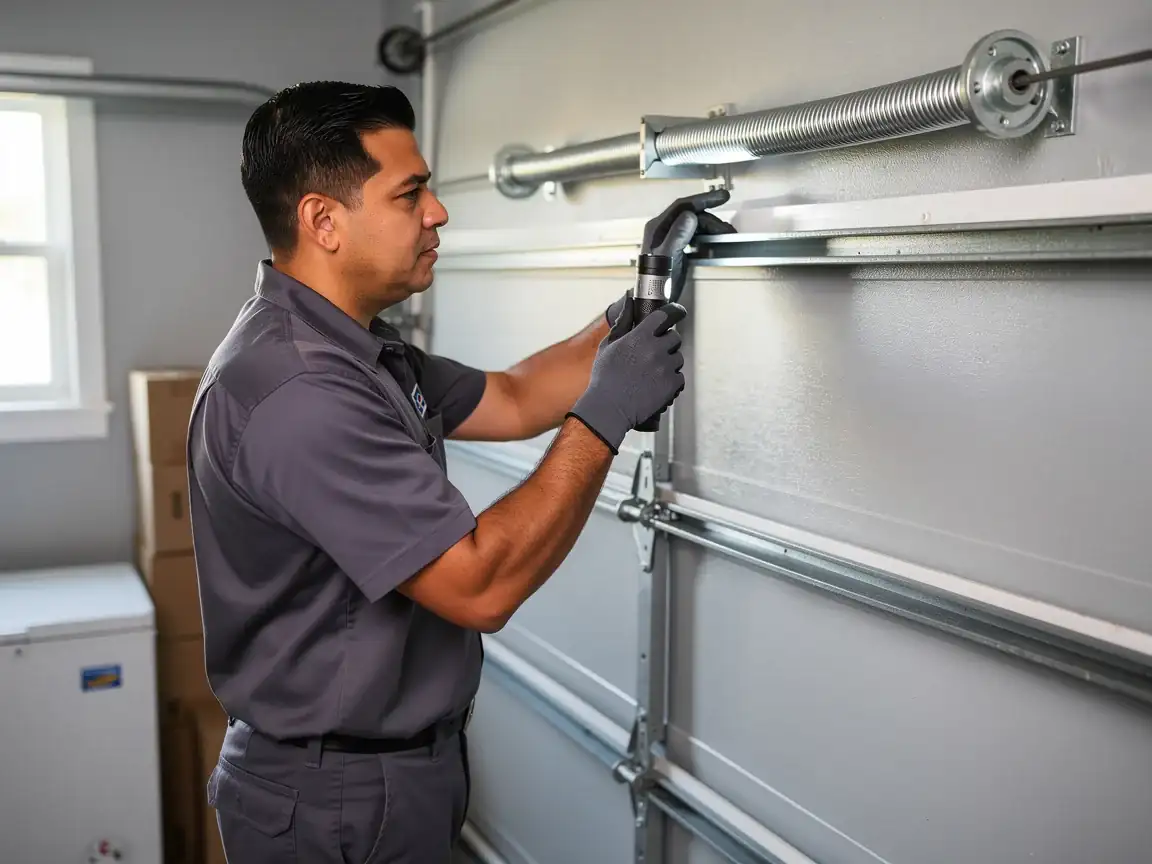
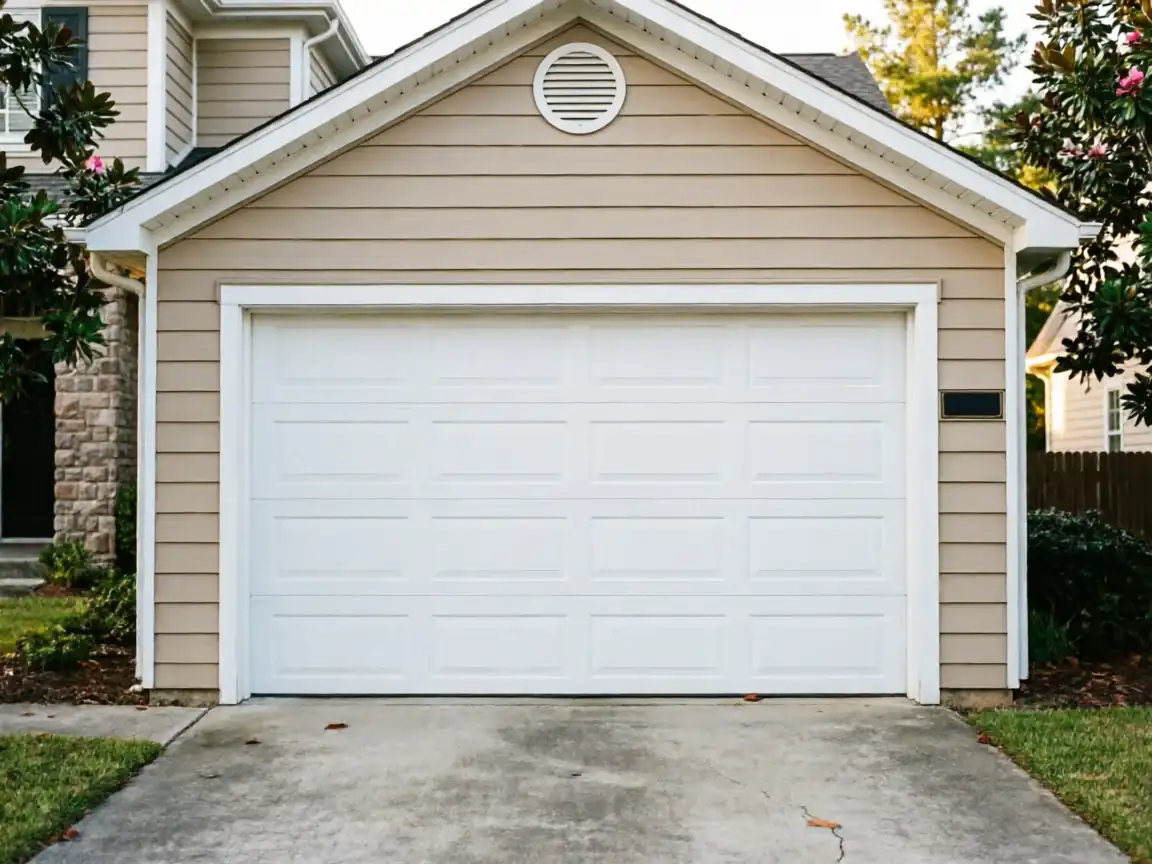
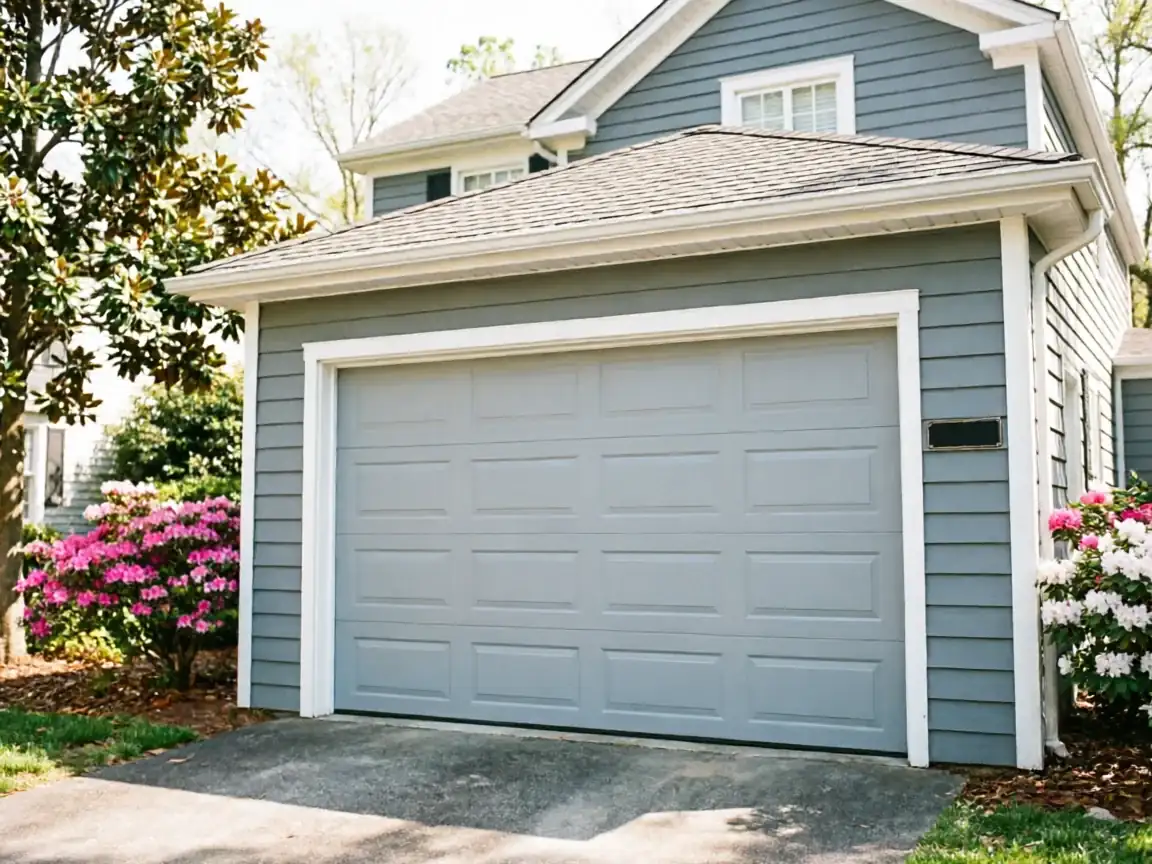
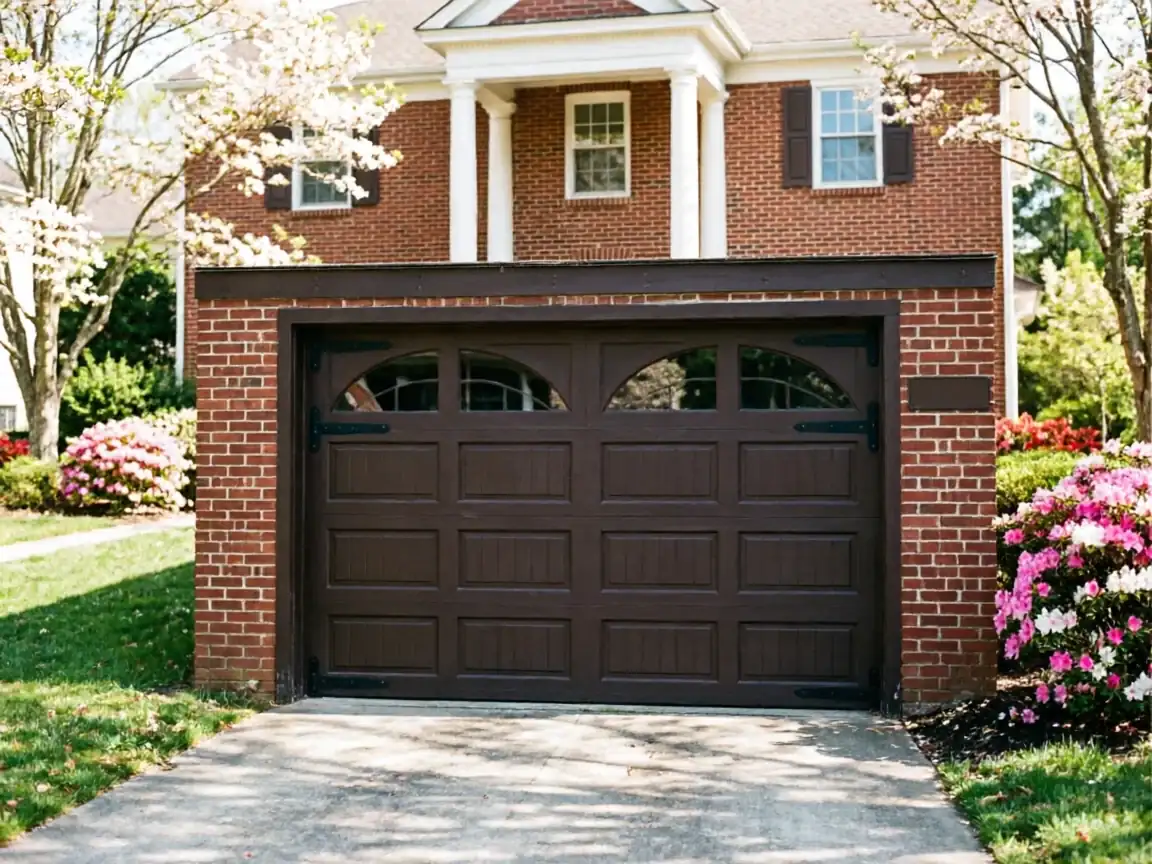
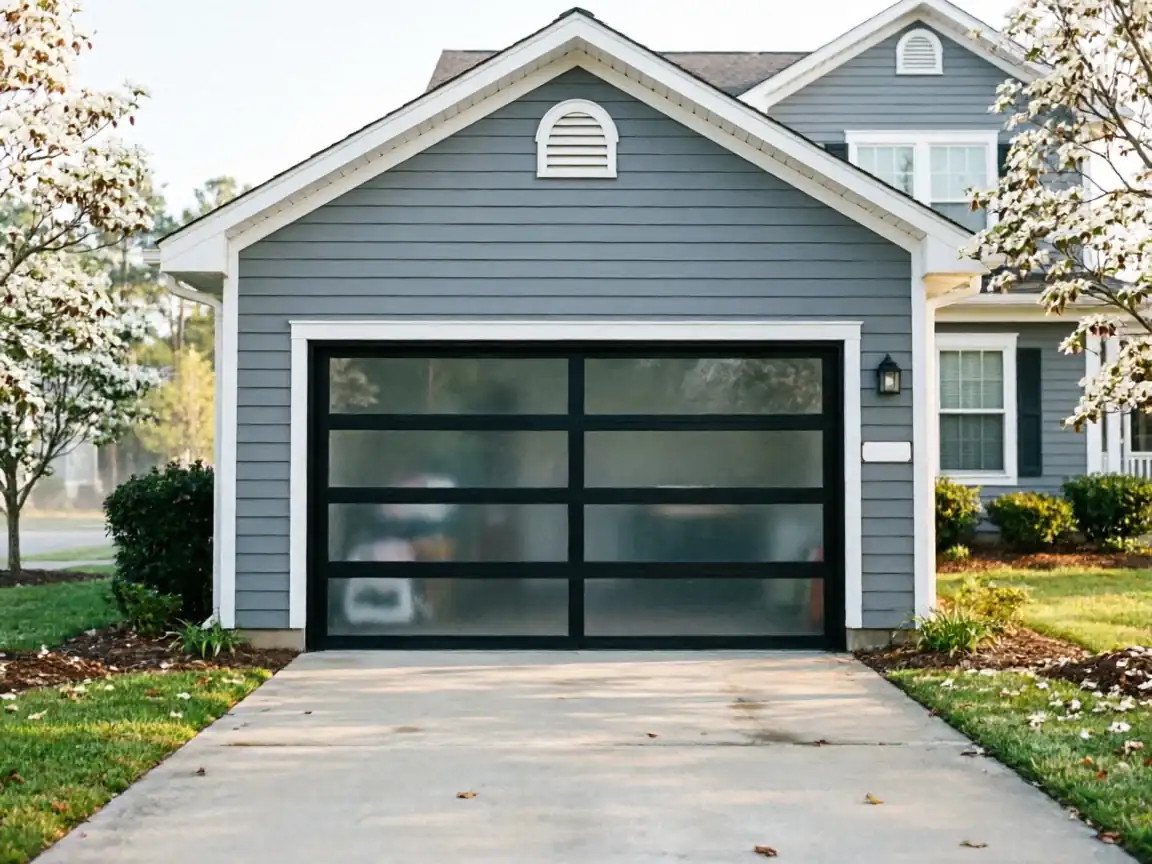
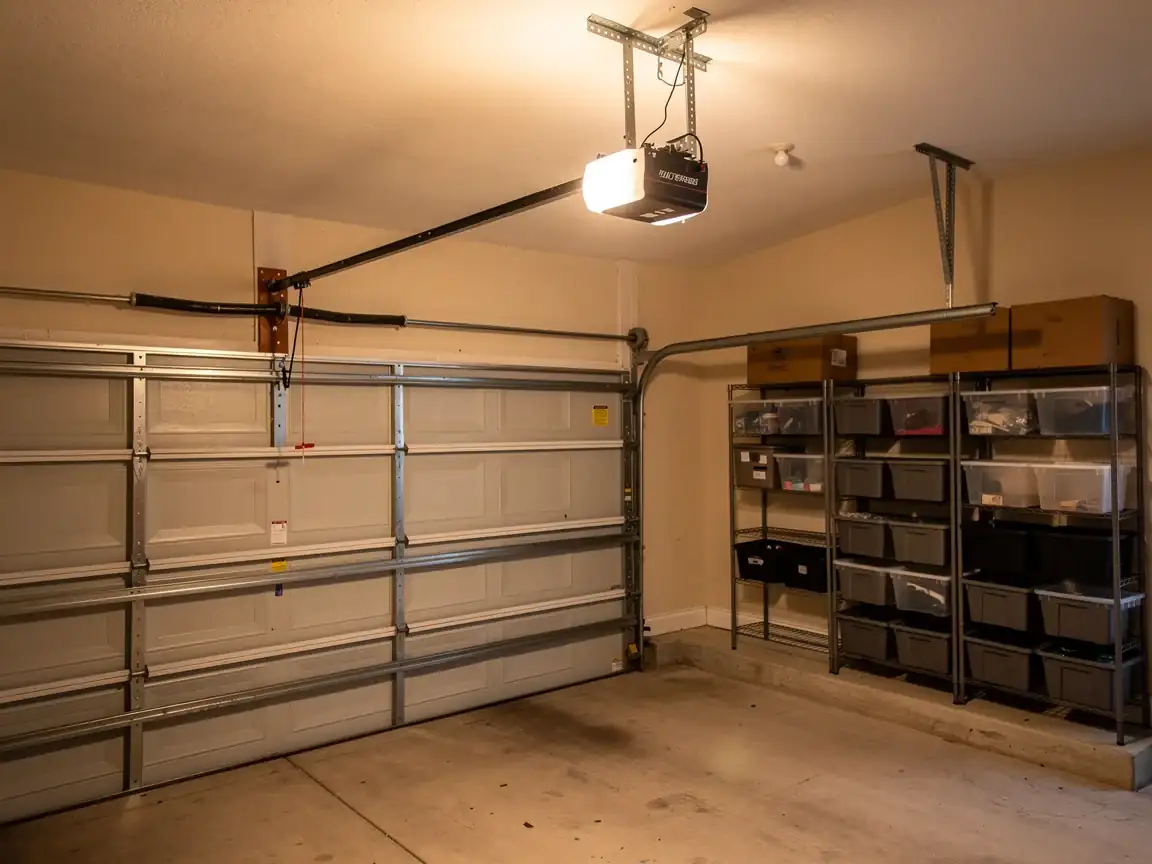
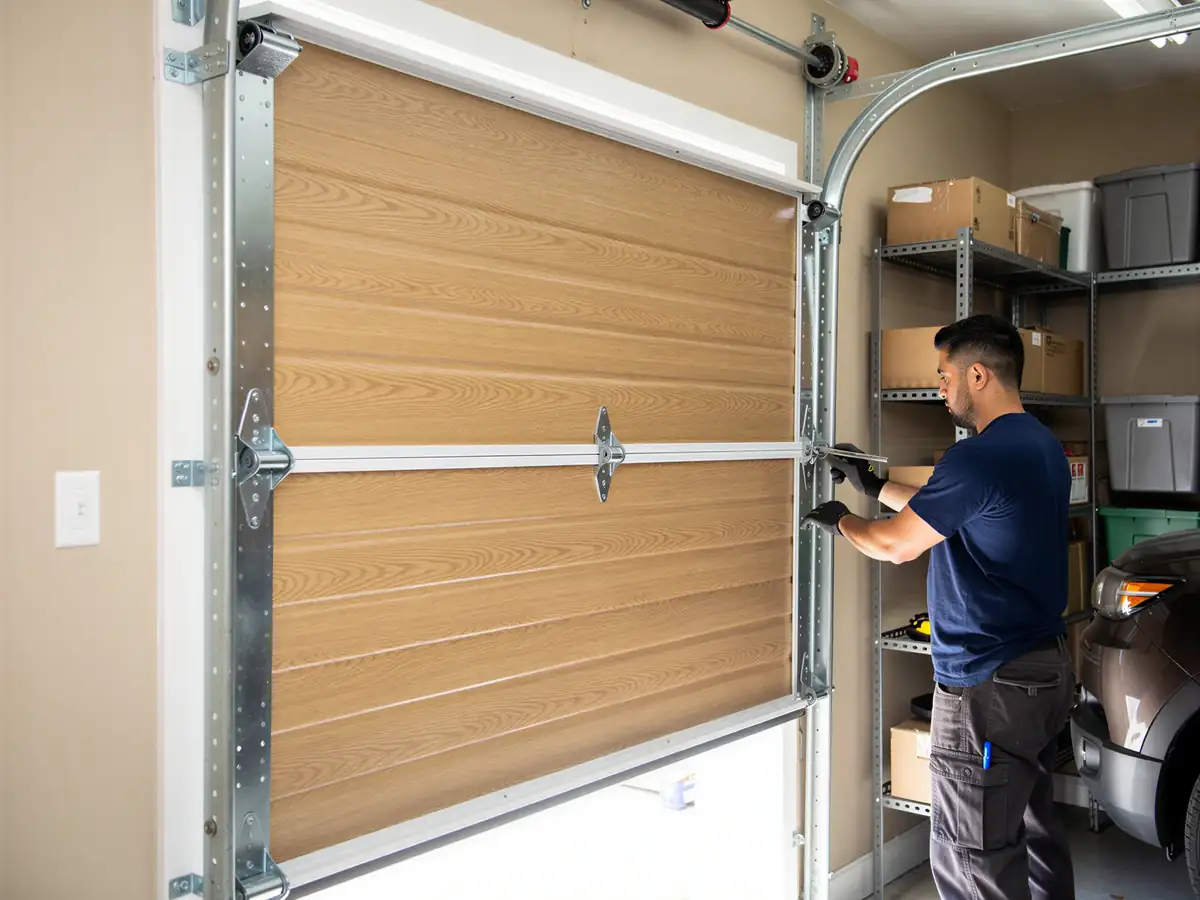
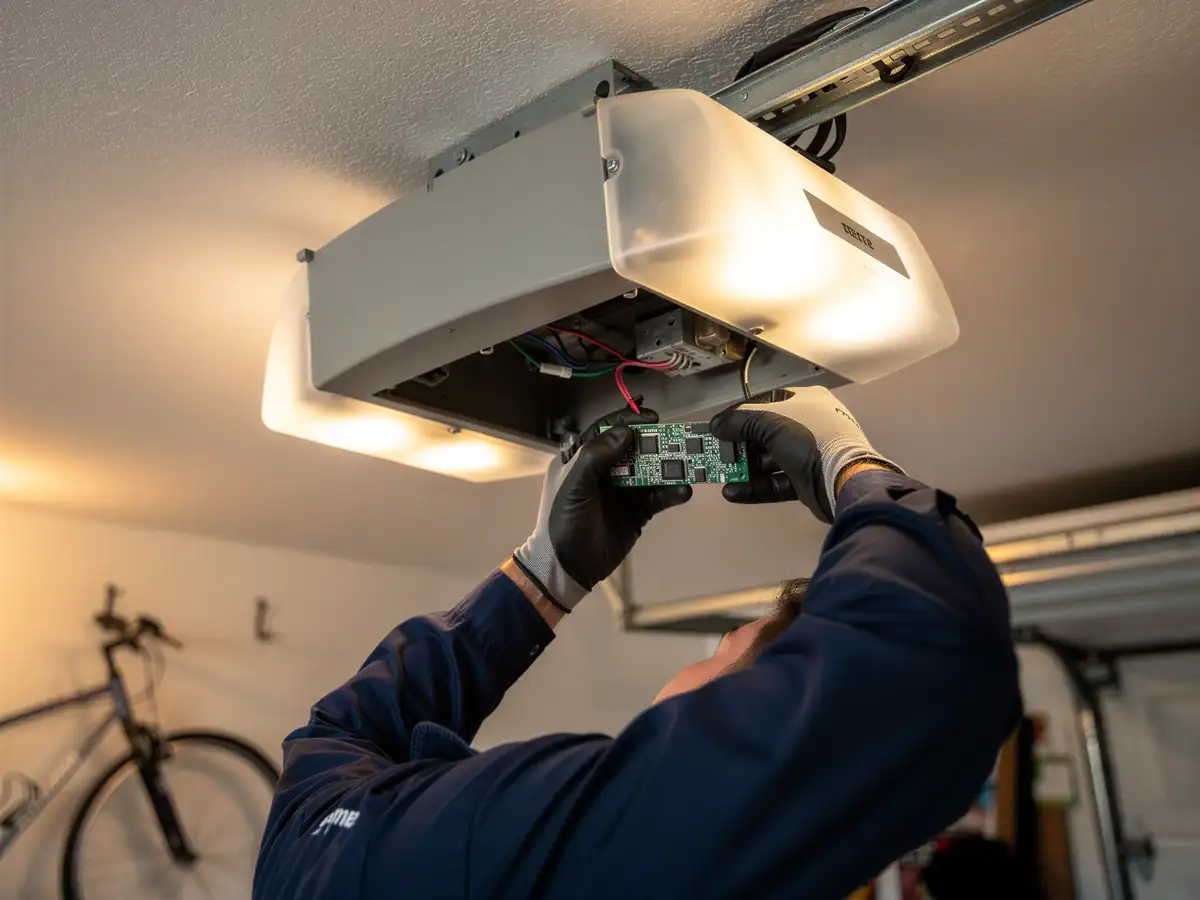
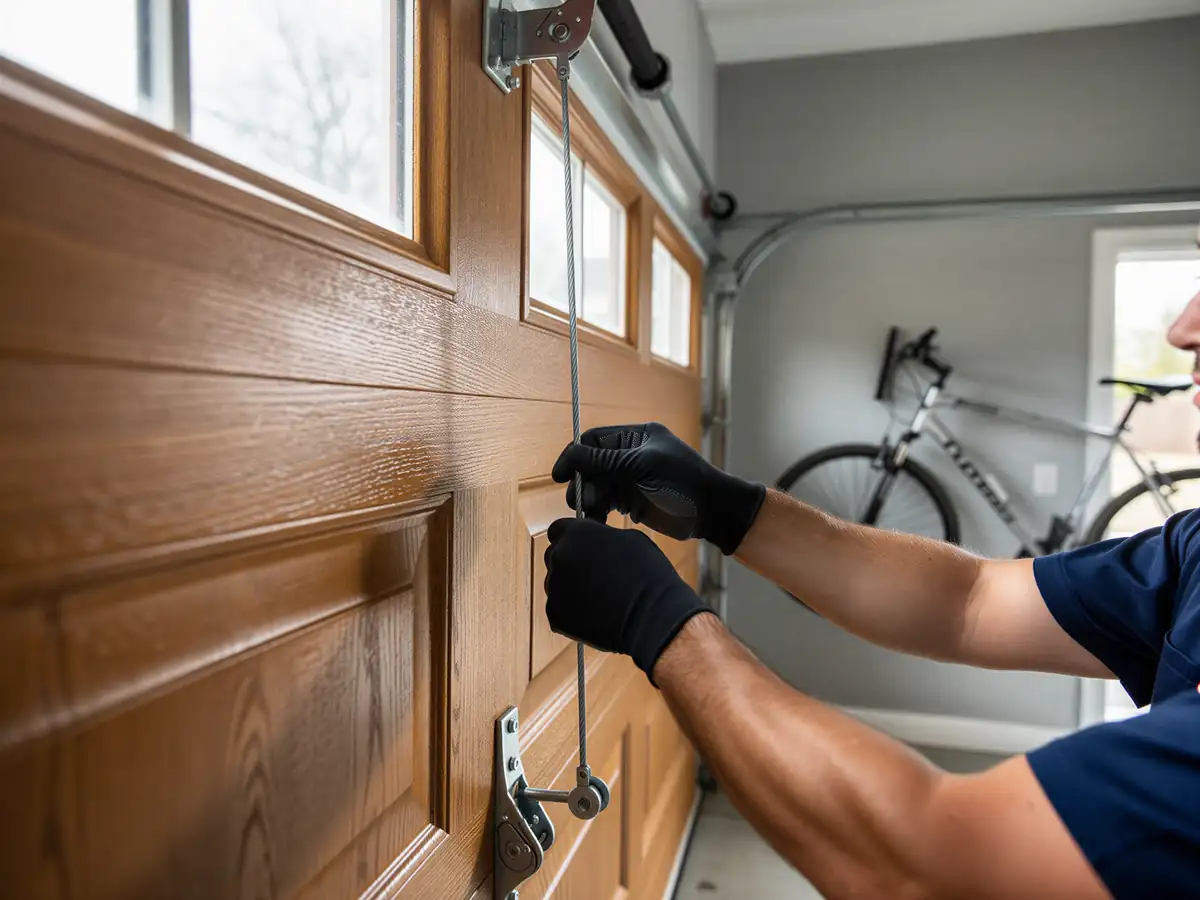
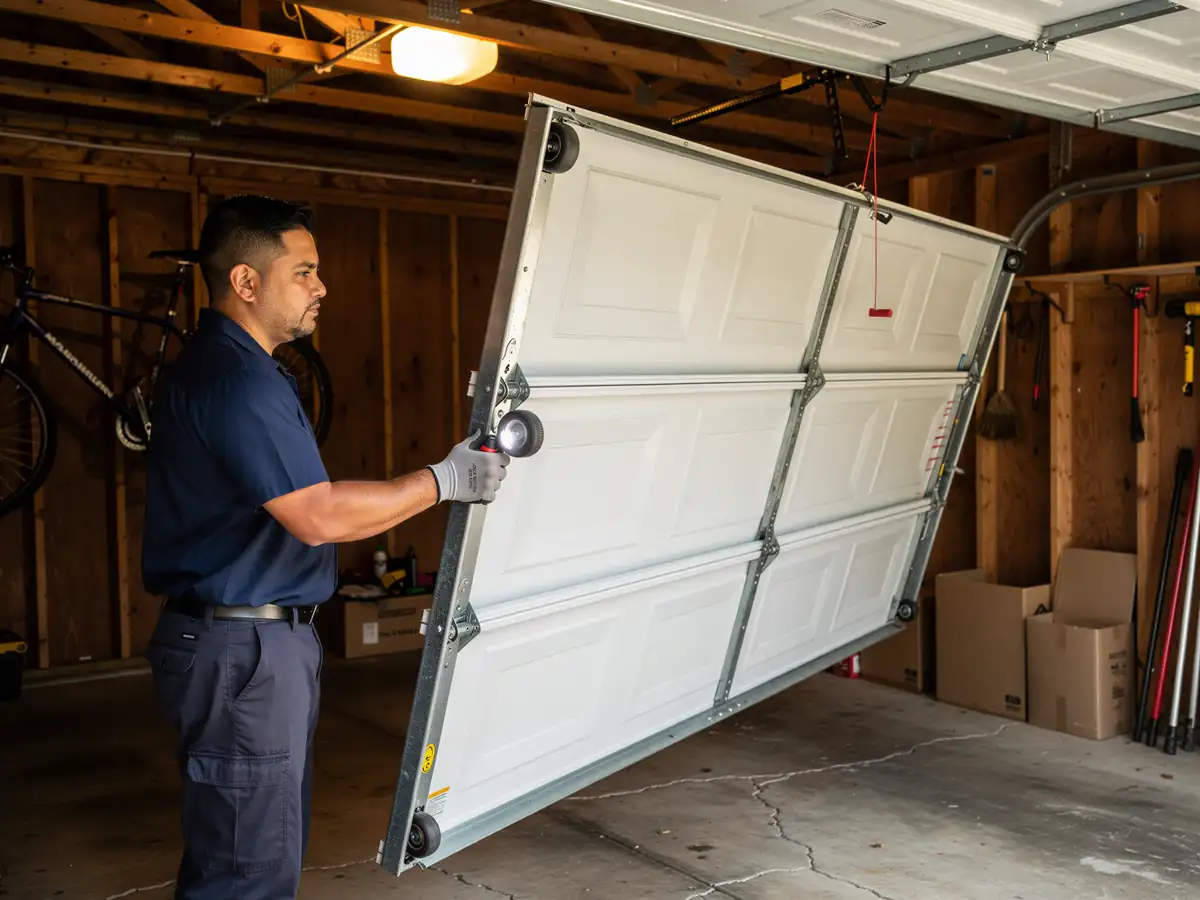
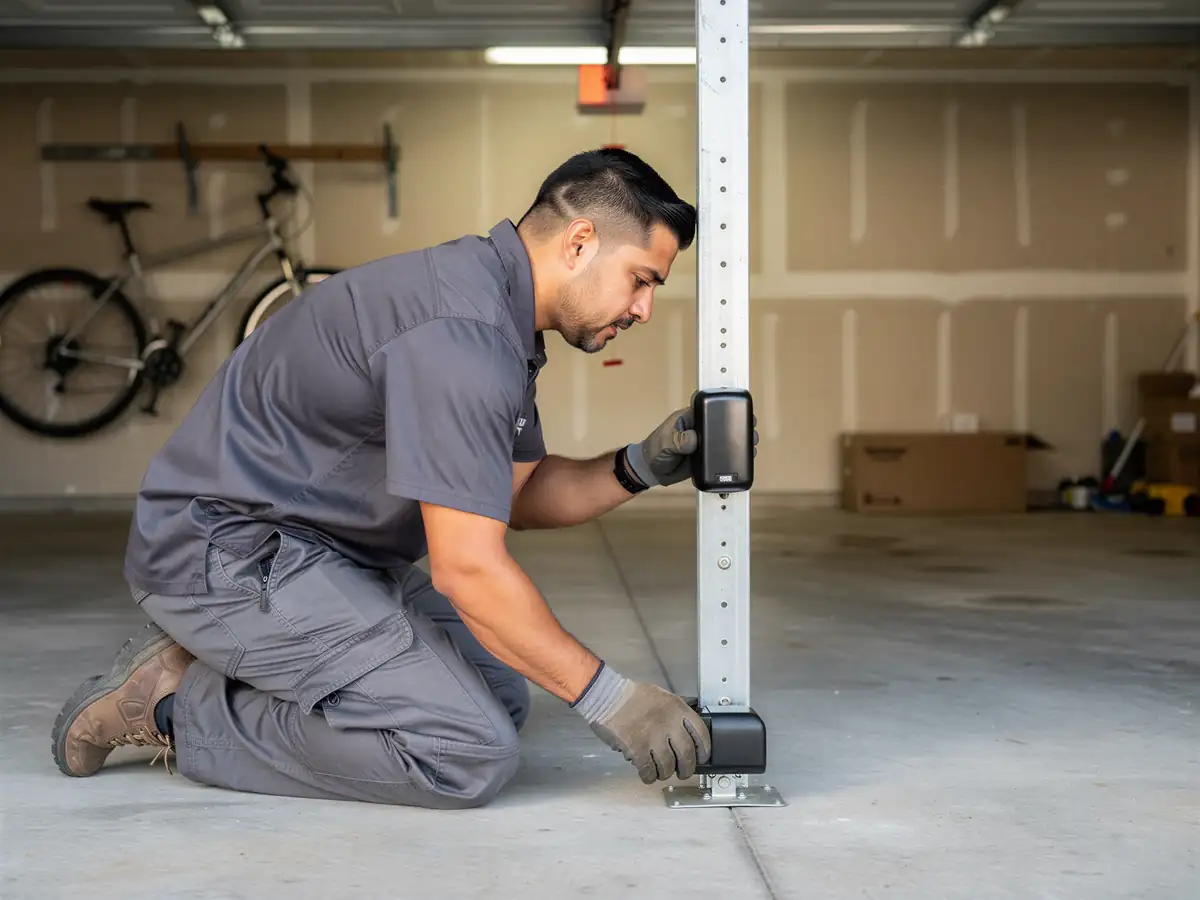
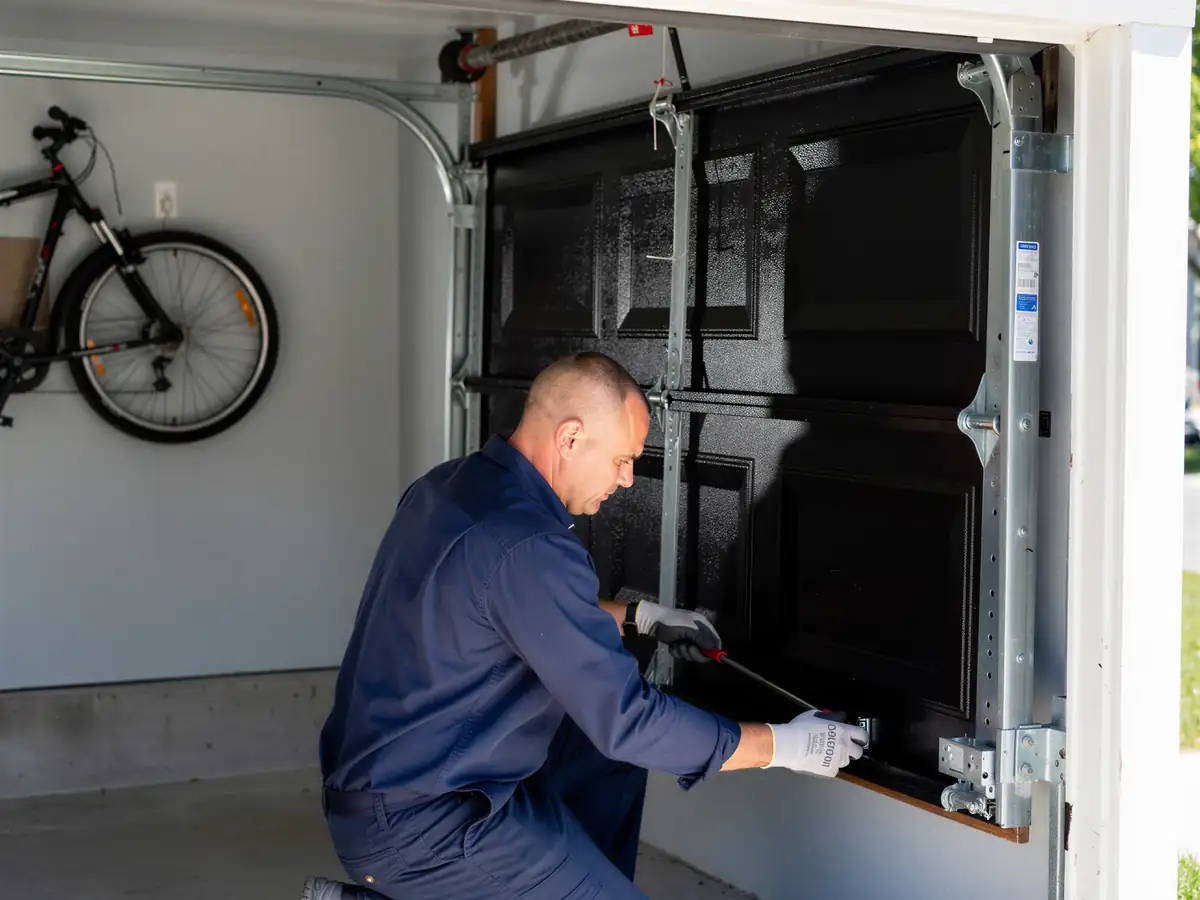
A lot of Carthage was built around 1992, which puts most garage doors and their openers squarely in the chain-drive and early-screw-drive era rather than the older cable-and-pulley setups you'd find on houses from the 1960s or 70s. That matters for the repair: these openers usually take a standard trolley and rail kit, and the springs are almost always torsion, mounted above the door rather than on the side. The fix is usually spring replacement, roller swap, or opener board/sensor repair rather than rebuilding an old side-mounted system from scratch. We size the torsion spring to the door weight and cycle count rather than eyeballing it, since an undersized spring just fails again in a year. One honest note: if the opener itself is original to a 1992 build, replacement parts for that specific unit can be harder to source than fixing a 2005-or-newer model, and sometimes swapping the opener outright is cheaper than chasing parts for it.
Why It Happens Here
Carthage's housing stock, averaging around 1992, is noticeably newer than the roughly 1983 median across the broader Sanford service area, and that gap shows up in the hardware. Newer doors here are more likely to have factory-set torsion springs and OEM opener electronics rather than the mix-and-match replacement parts you find on older houses that have been repaired piecemeal over decades. With median household income here at $62,177 and about 1,130 households in the area, most of these are owner-occupied single-family homes rather than rentals, which tends to mean the original door and opener have stayed in place longer before anyone calls for service. Add in the region's cold-moderate climate - enough freeze-thaw cycling in winter to stiffen grease on rollers and tracks - and the failures we see are mostly electronic drift and spring fatigue rather than full rust-through, which is more common on older housing stock elsewhere in the area.