What the Fix Involves
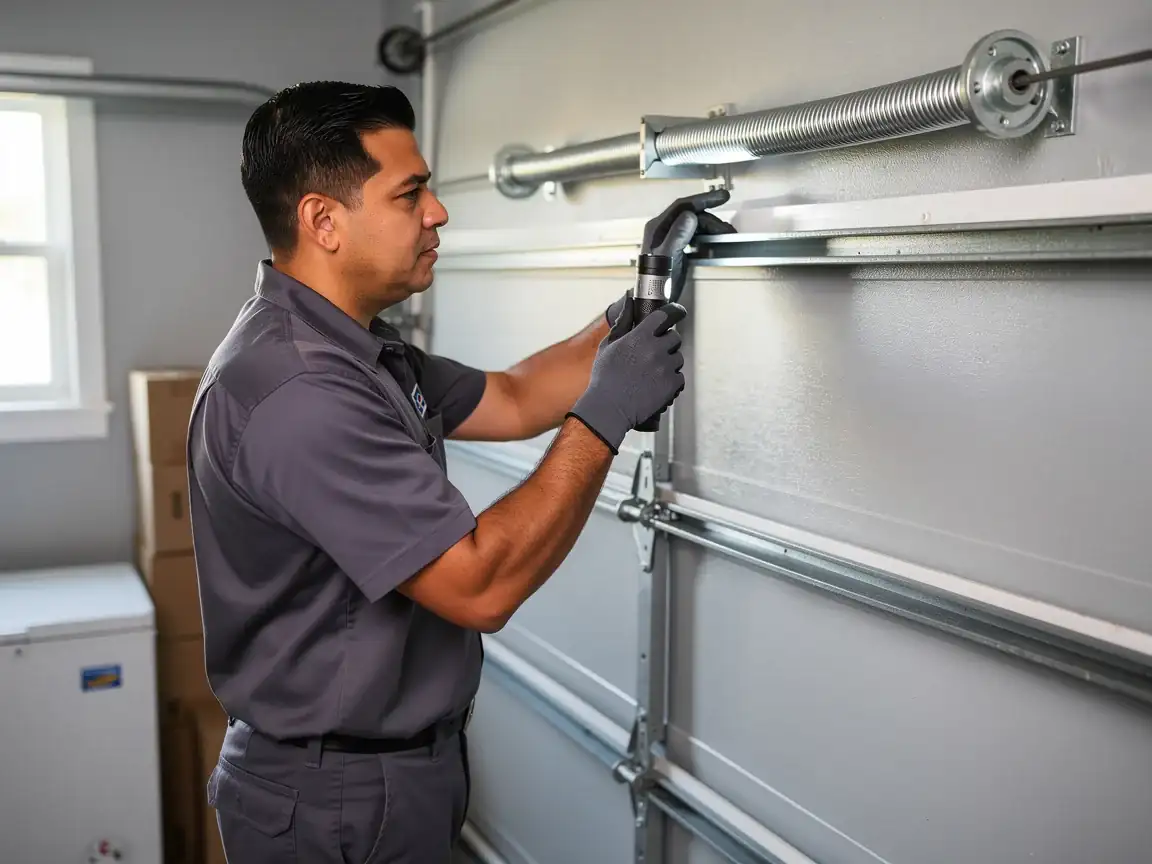
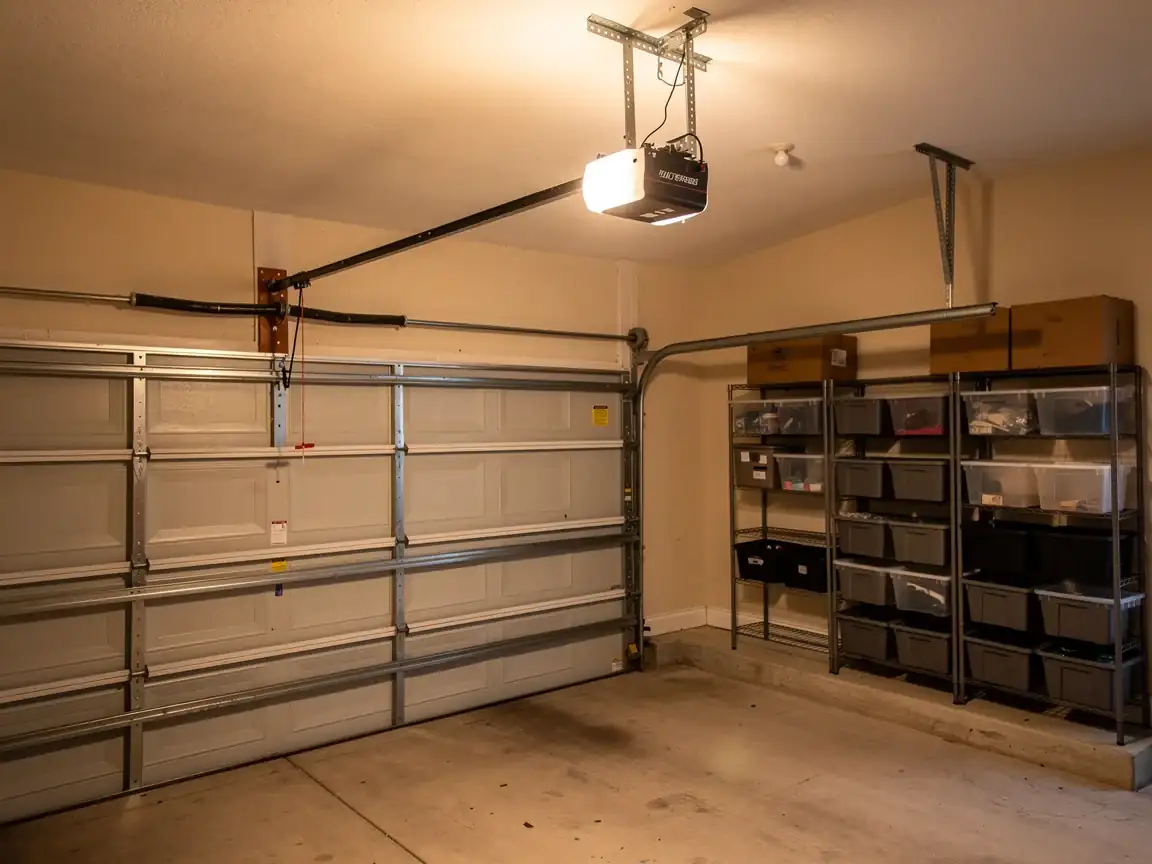
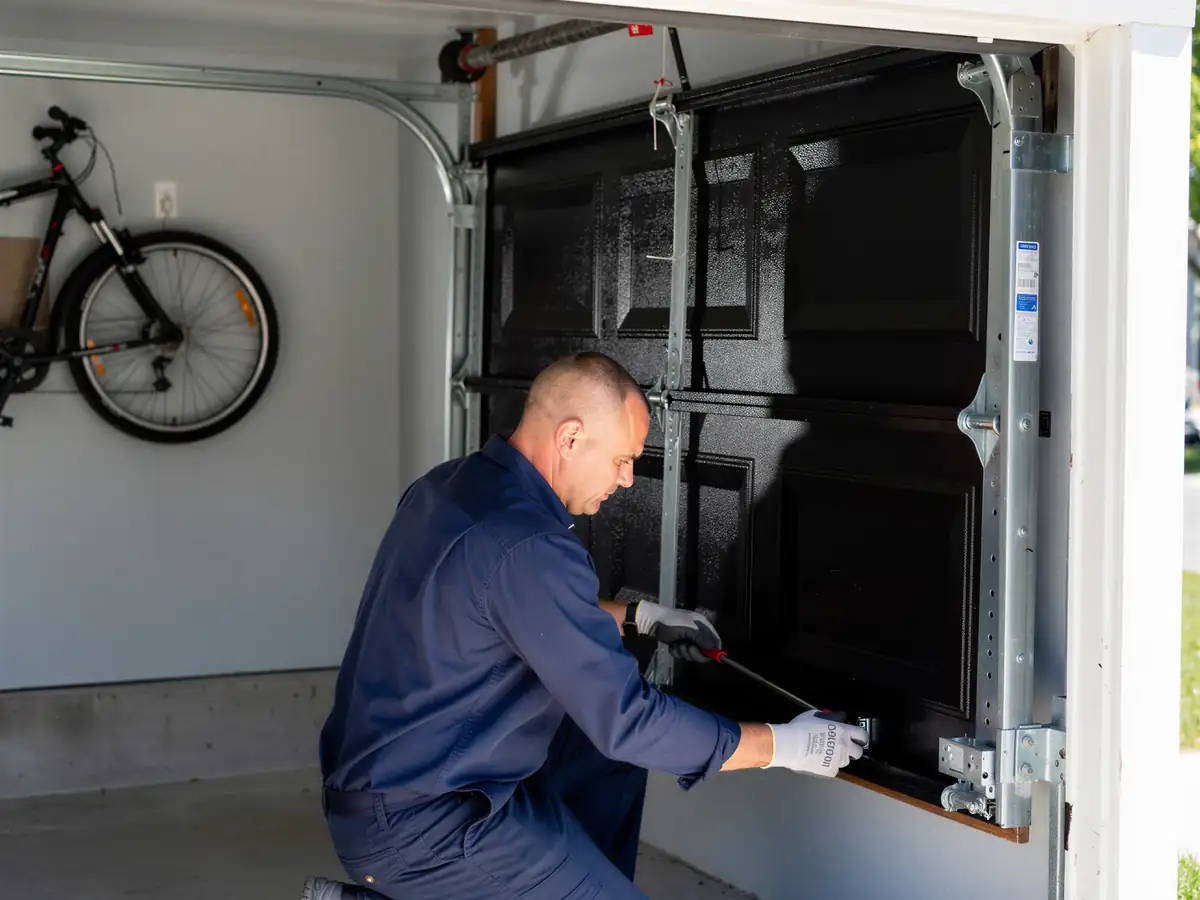
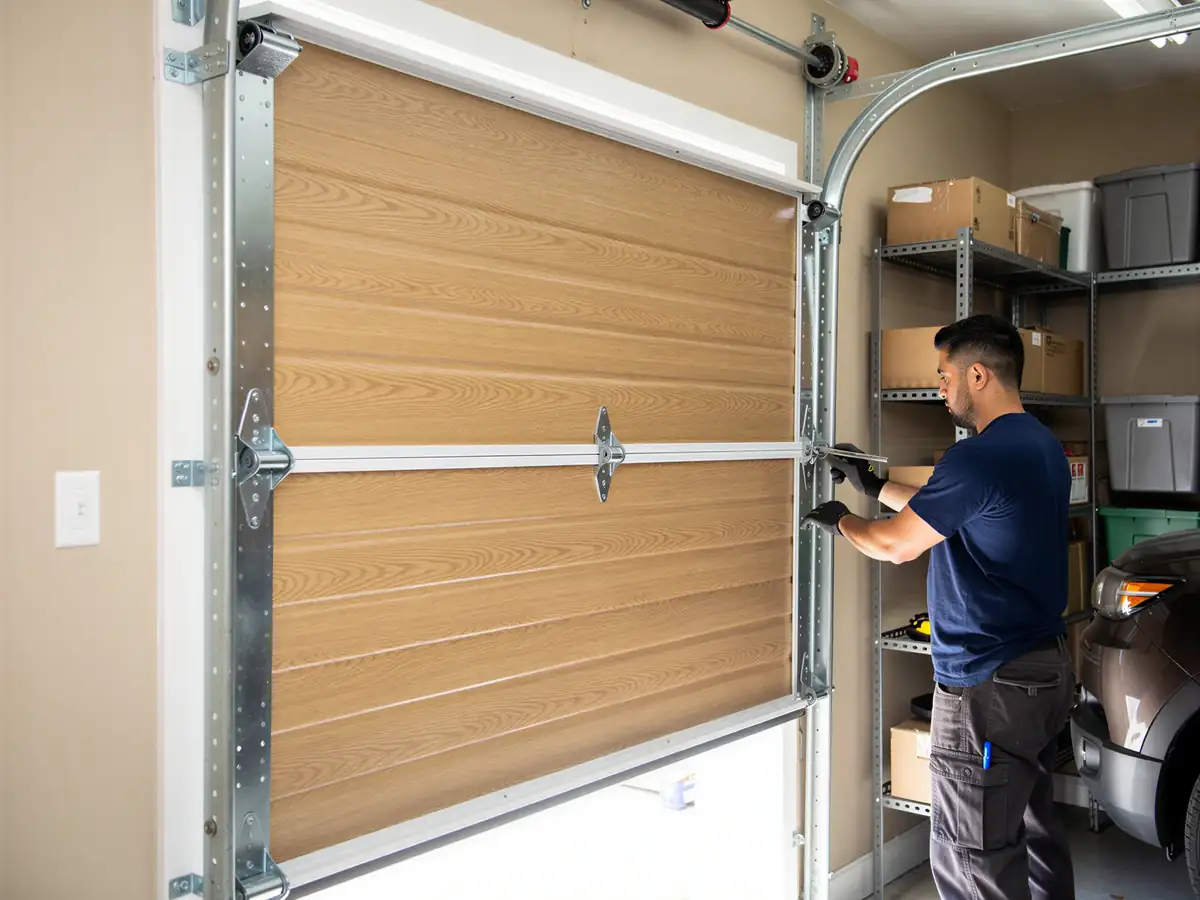
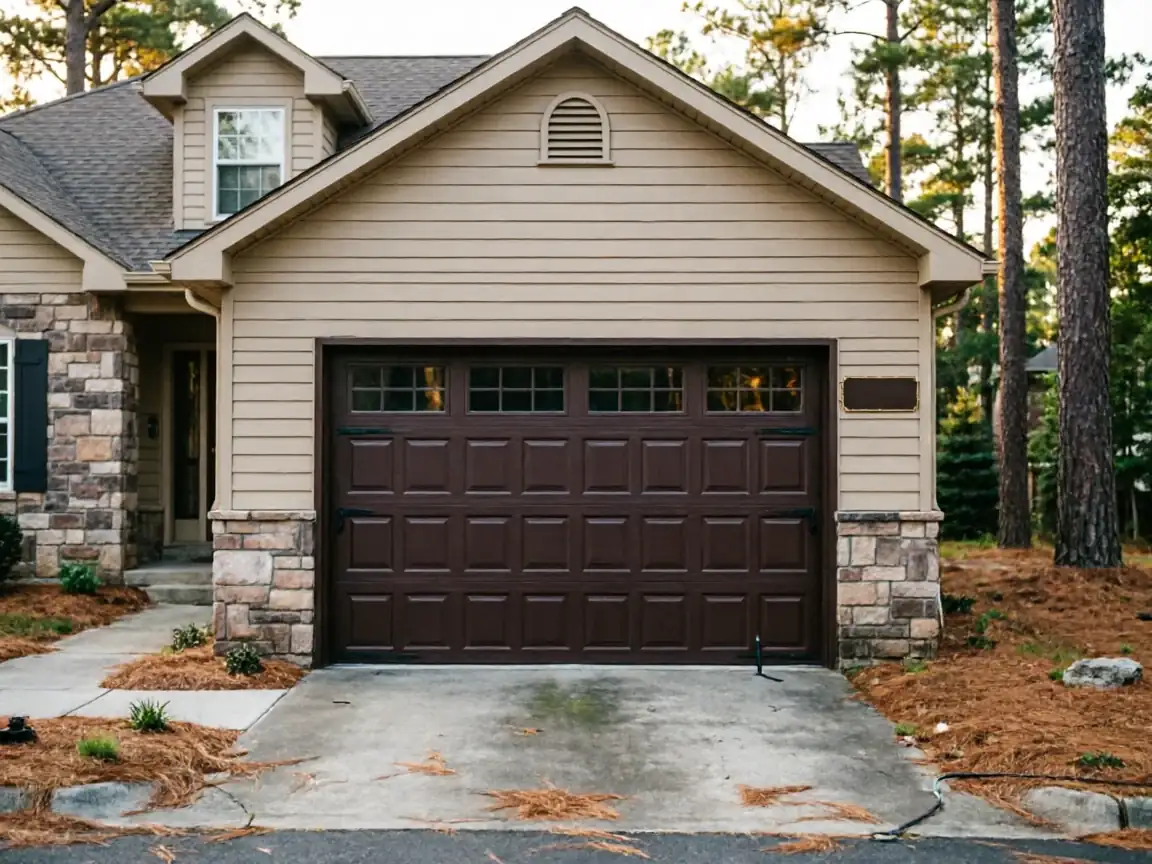
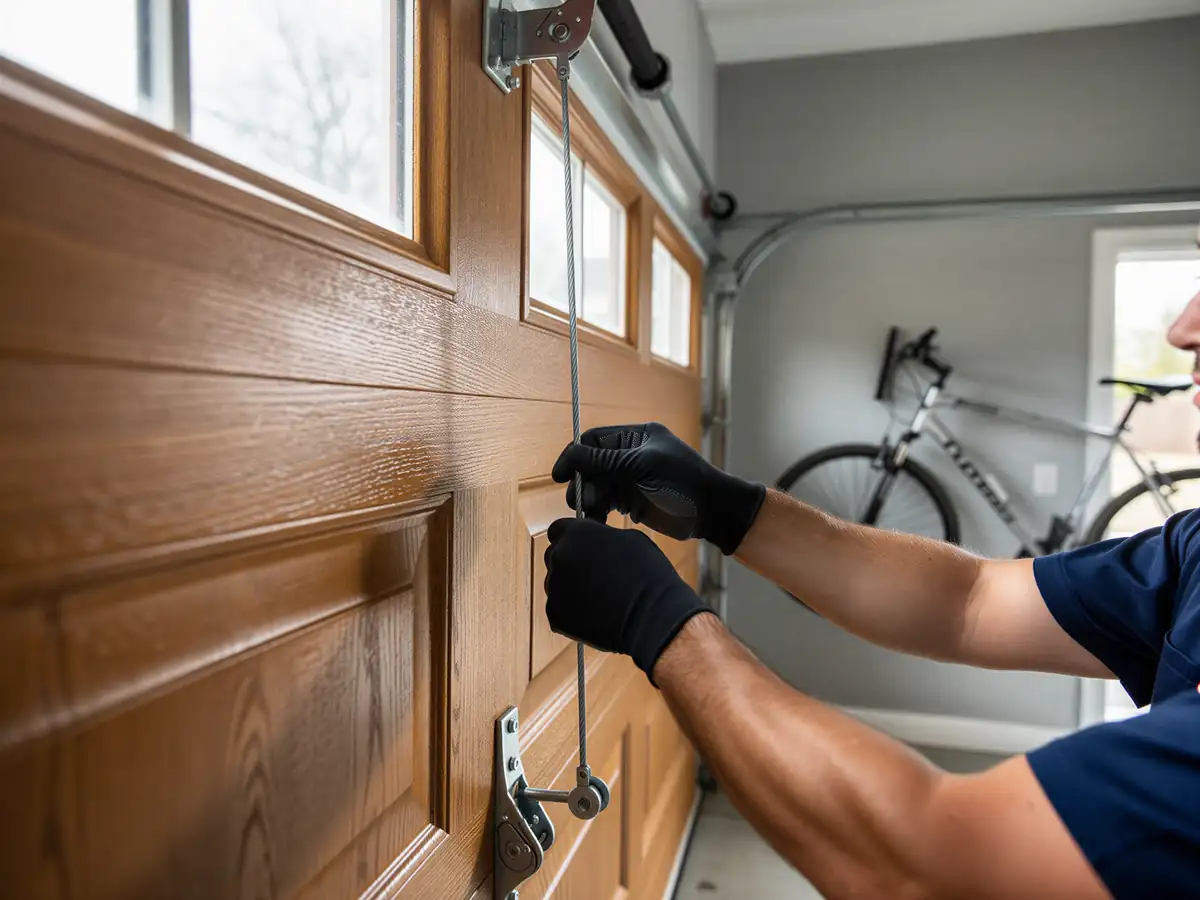
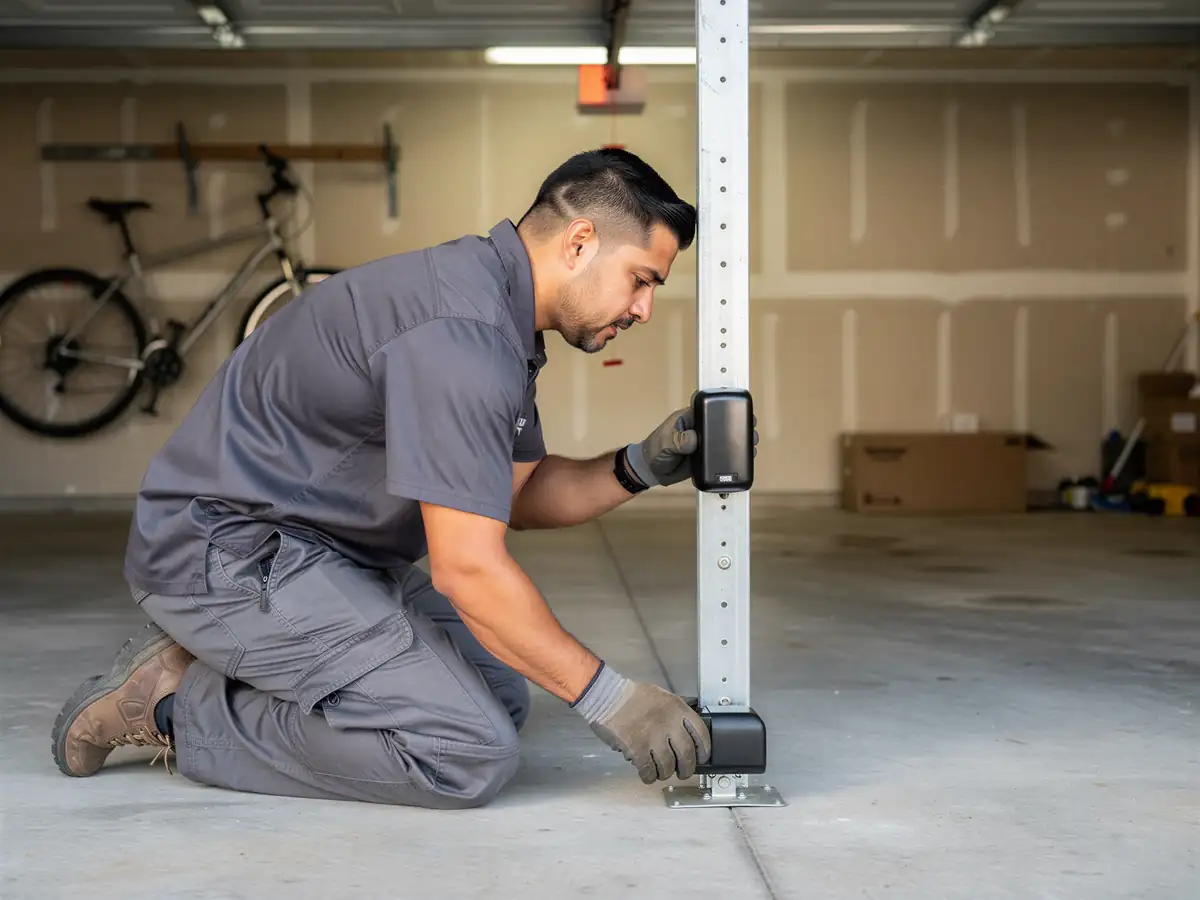
Broadway is a small place - around 646 households - so the jobs that come up here tend to repeat in a handful of patterns rather than a wide spread of door styles. Most houses in and around Broadway went up close to 1979, which puts the original door and opener hardware squarely in the era before today's safety cable standards were common. When we get a call, the first thing we check is whether the fault is the spring, the cable, or the track, because on a door this old those three failures look almost identical from the driveway - a door that won't lift, or one that lifts a few inches and stops. We test the torsion or extension spring tension first since that's the most common point of failure on hardware this age, then work outward to the drums, cables, and rollers before touching the opener itself. If the panel itself has racked or the track has pulled away from the jamb, that's a different repair, and we tell you so before we start charging for parts that won't fix it.
How Long You Are Without the Door
We travel from Sanford, about 7 miles to reach Broadway, so the door is down for the drive plus the time on the repair itself. A straight spring swap on a single door is usually the fastest job we do. A bent track, a cracked panel, or an opener that's seized along with the spring takes longer because we're diagnosing more than one failure at once. We don't quote a fixed response window here - that's a Sanford-city promise, not a Broadway one, since the trip itself is part of the job every time.
Stocked Parts
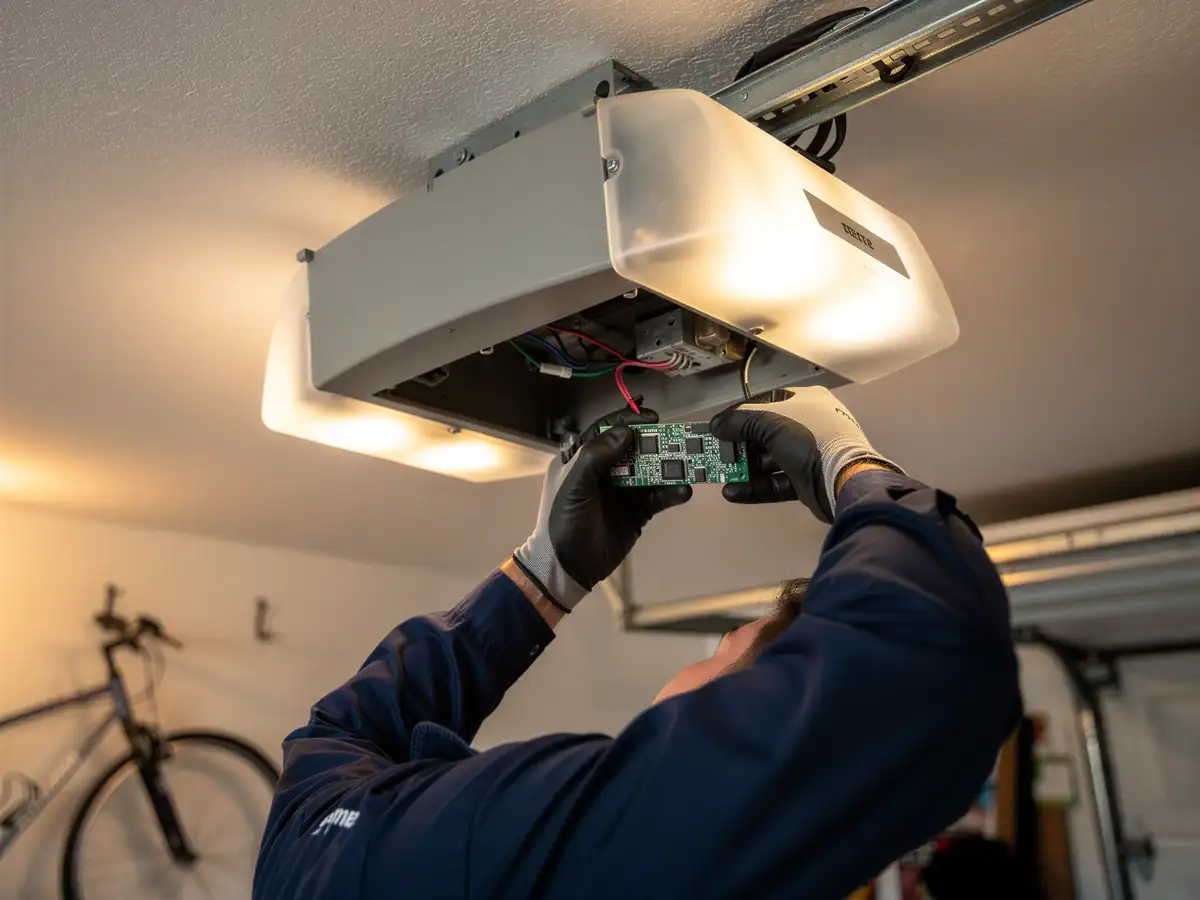
We carry common torsion and extension springs, standard cables, rollers, and hinges sized for the double and single door widths that show up on houses built through the 1980s and 90s, since that's the bulk of the stock across this part of the county. What we don't carry on the truck is anything custom - a non-standard panel width, a discontinued opener board, or hardware from a door brand that stopped making parts years ago. On a house from 1979, that's a real possibility, and if that's what we find, we'll tell you the part has to be ordered rather than pretend we can finish the same day.
The Complications
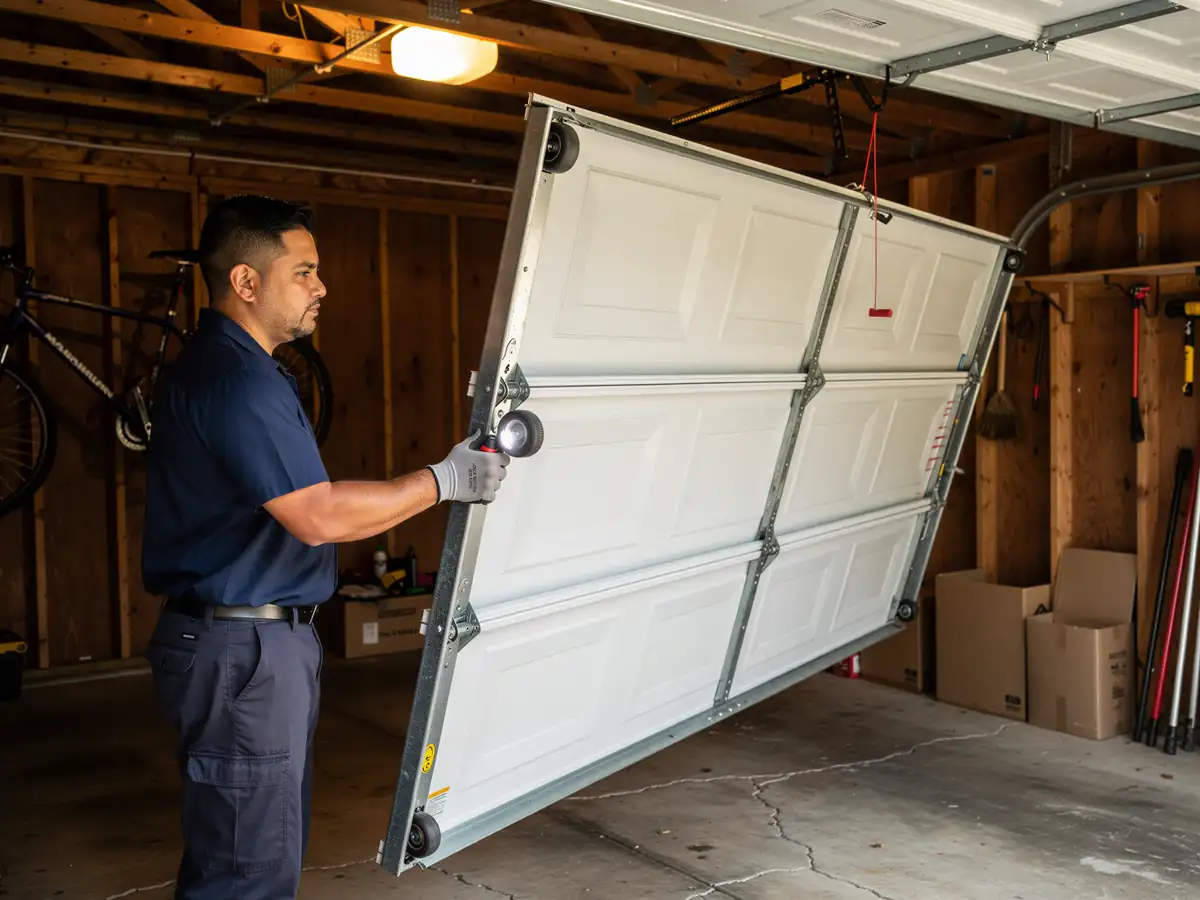
Cold snaps stiffen old lubricant and tighten metal tolerances, and in this climate band that's enough to turn a marginal spring into a snapped one on a cold morning - it's one of the more common reasons we get called out here. A second complication particular to older housing stock: double doors from this era sometimes ran on a single center-mounted torsion spring rather than two, which means the failure mode and the fix differ from a newer two-spring setup, and we won't know which we're dealing with until we're standing in front of it. We also won't do a quick patch on a panel that's structurally bent - if the track is pulled and the panel's racked, replacement is usually cheaper over time than repeated adjustment, and we'll say so rather than keep charging for temporary fixes.