What the Fix Involves
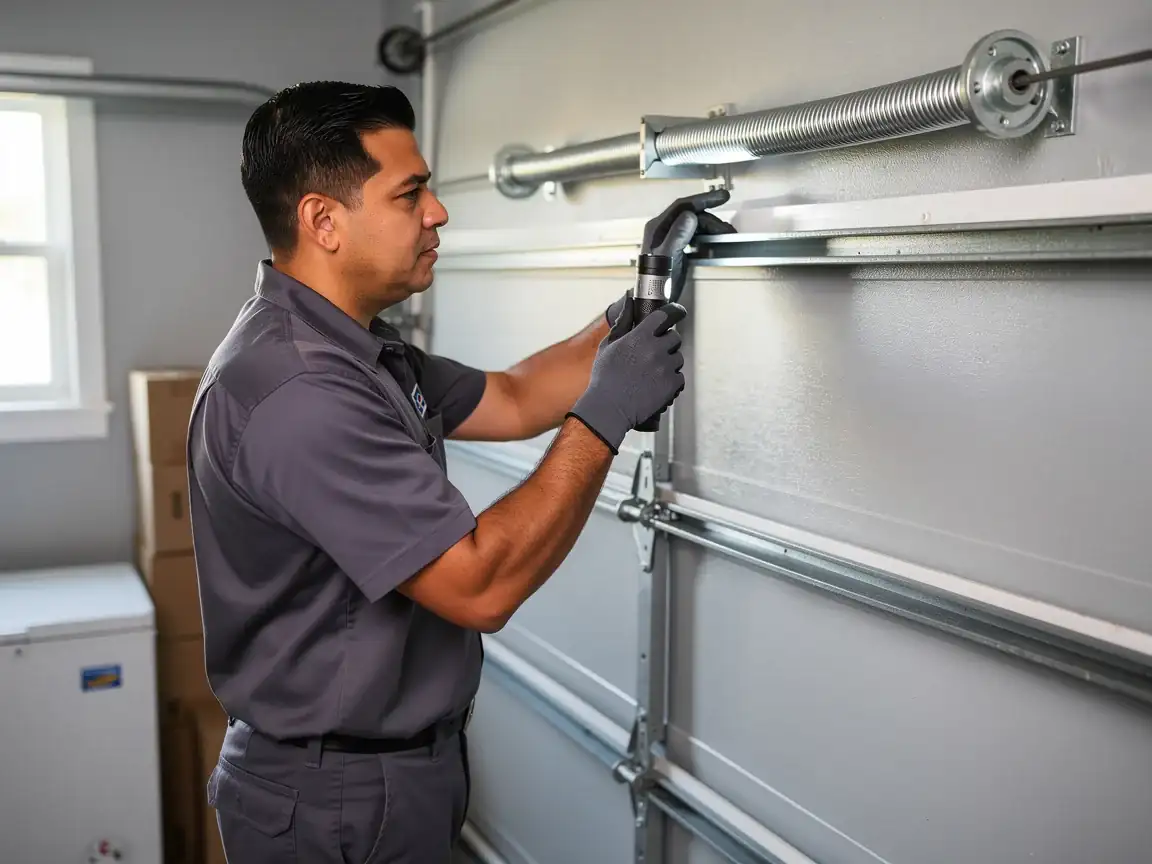
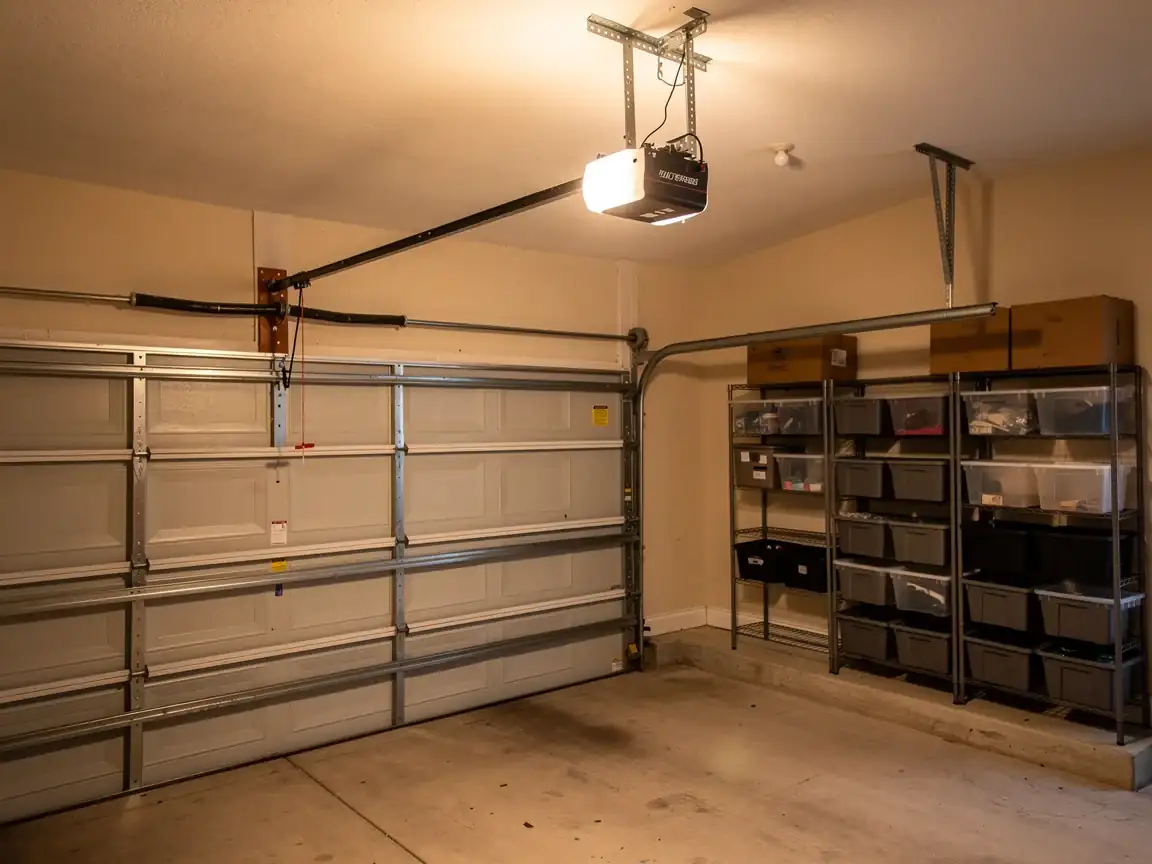
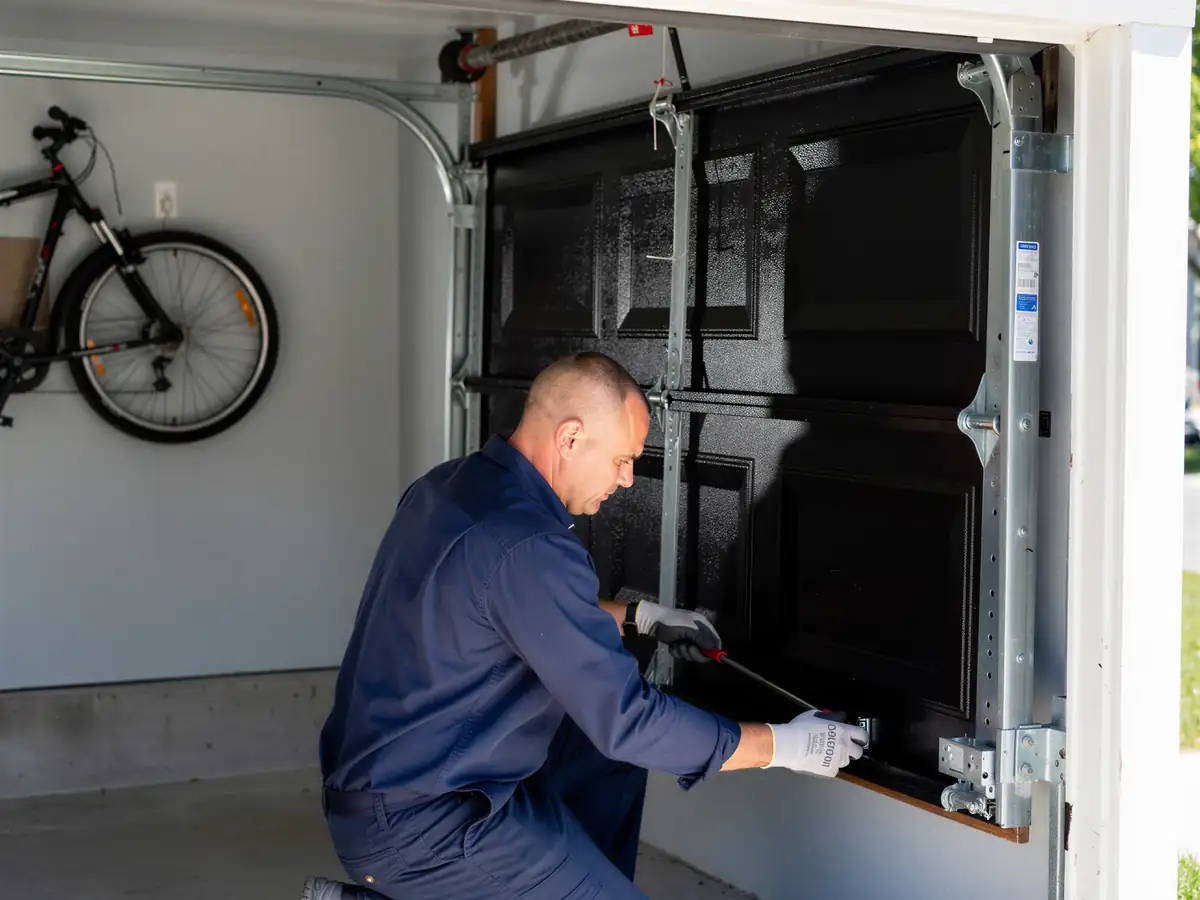
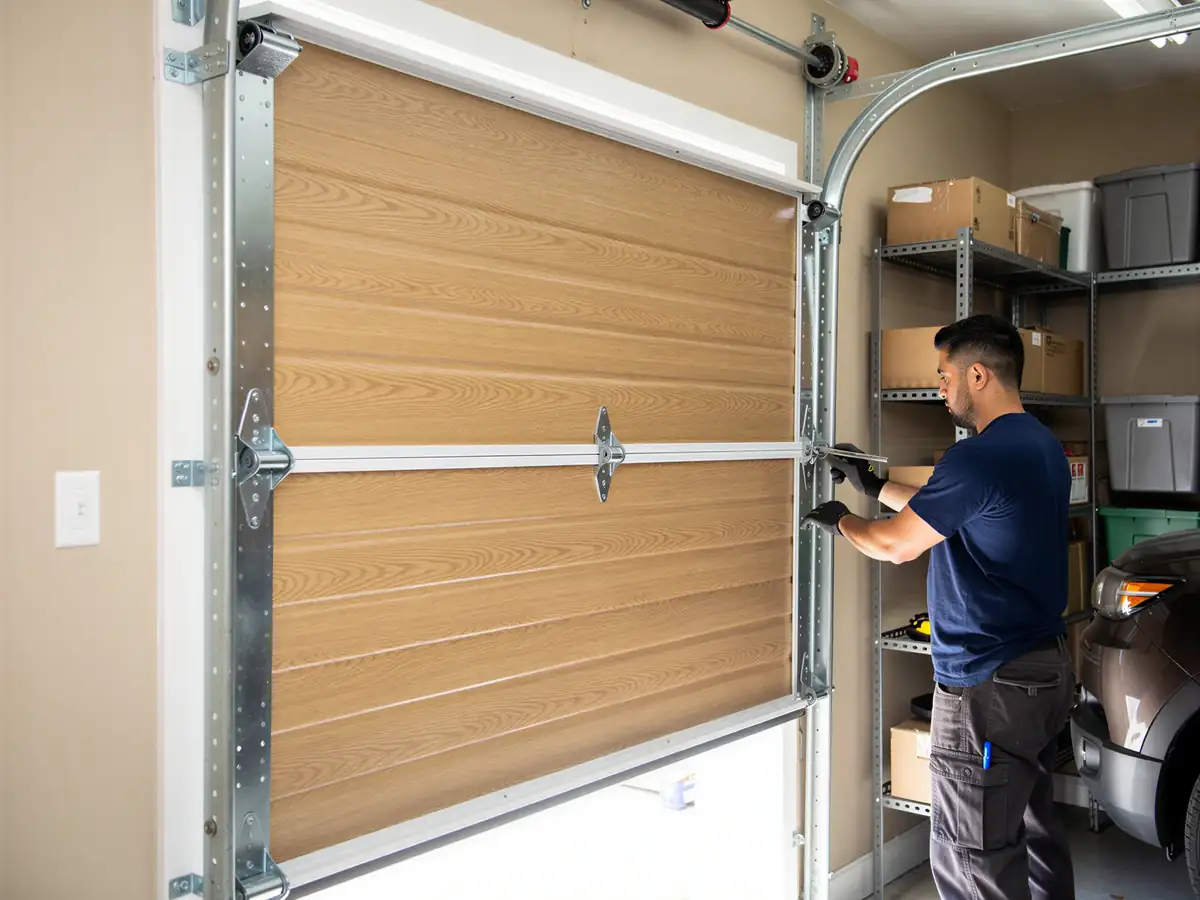
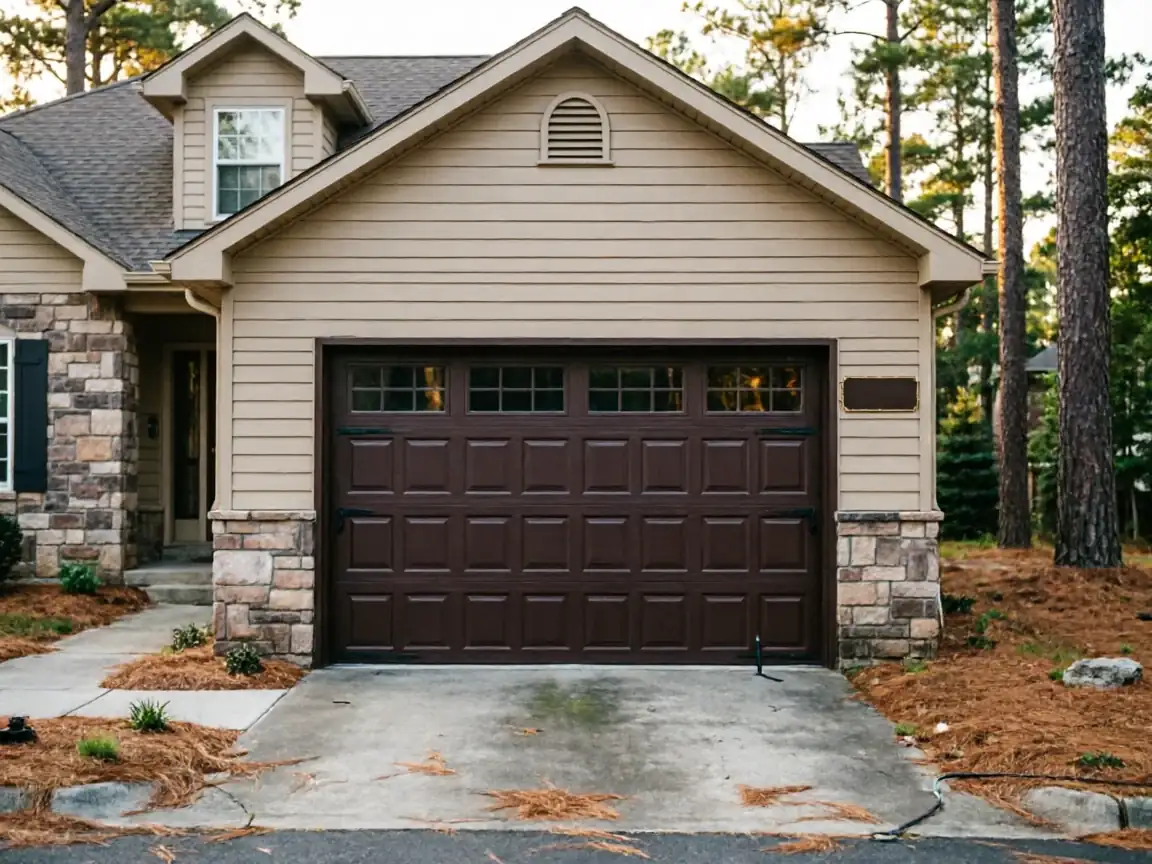
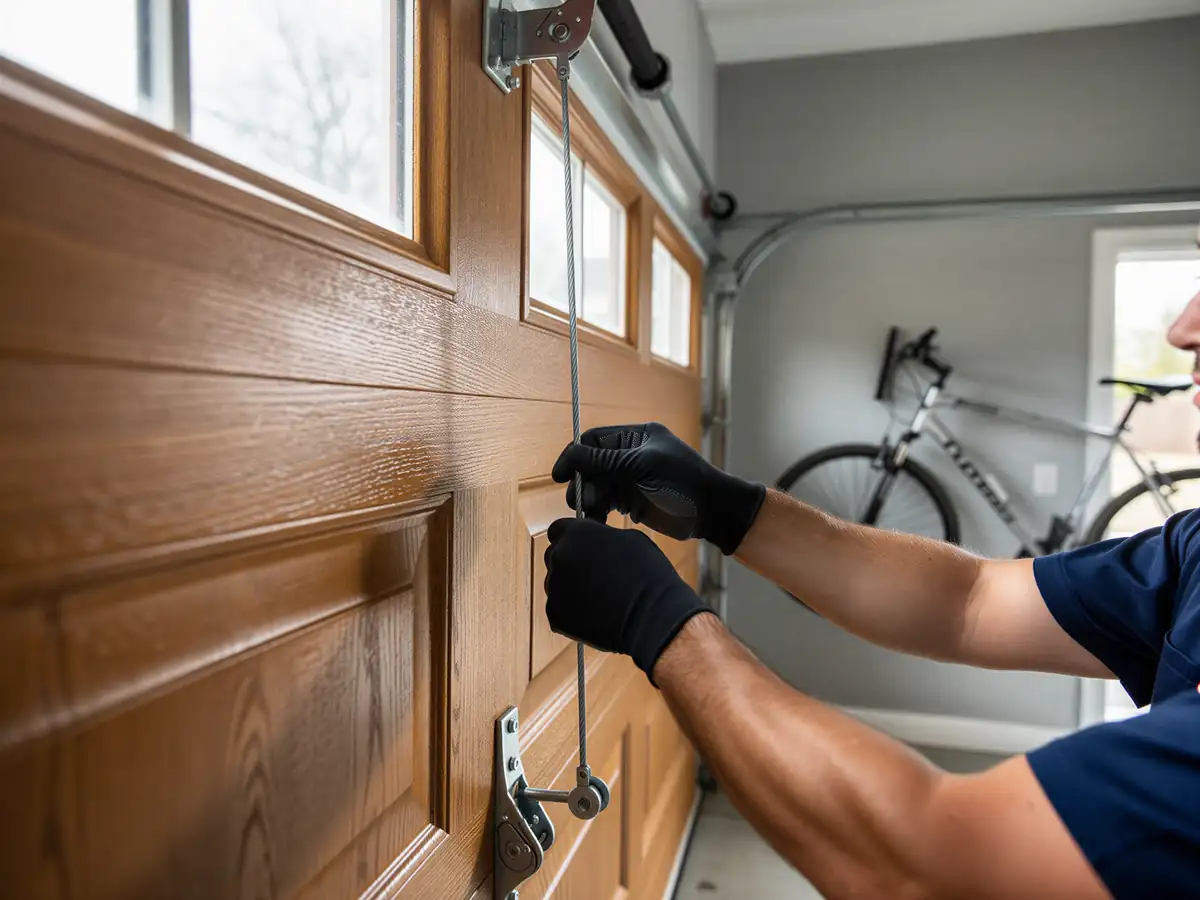
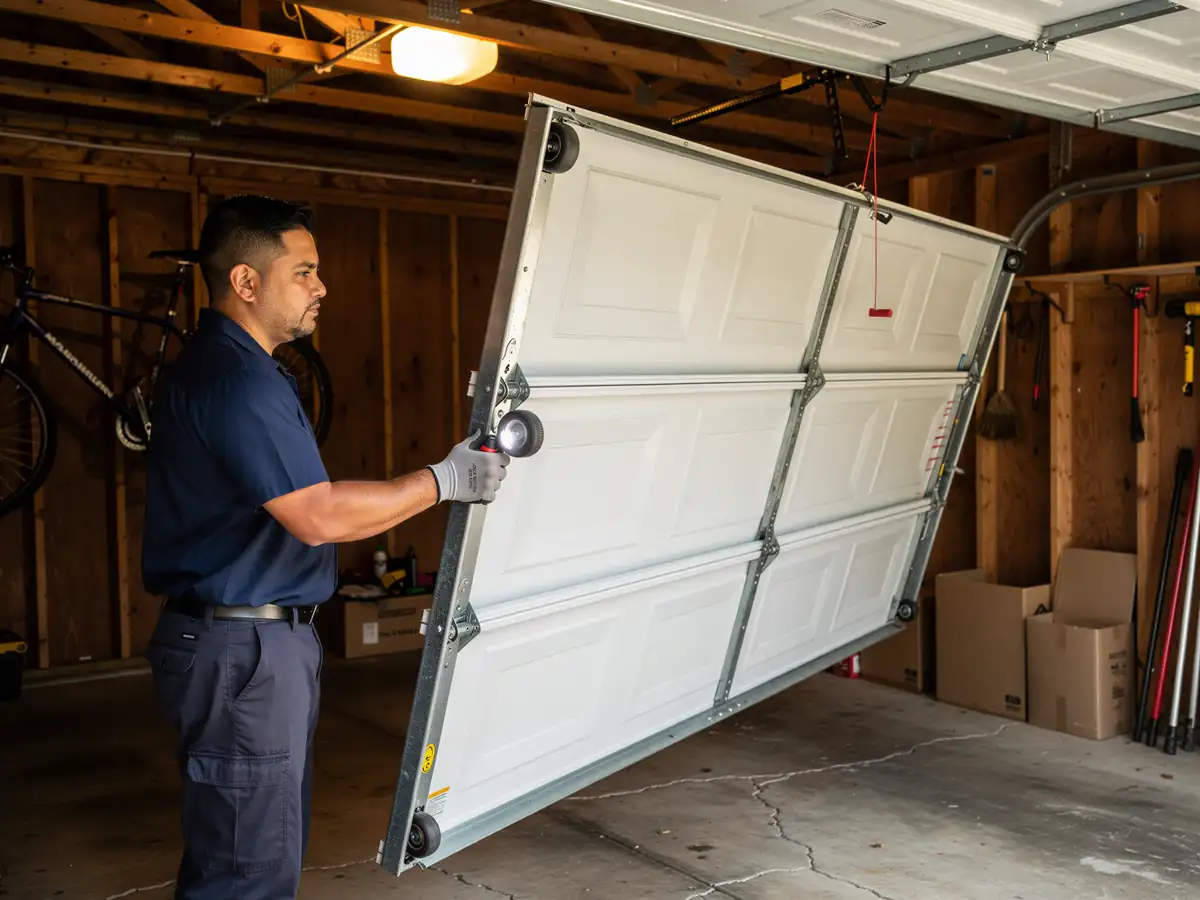
Broadway's housing stock centers on 1979, a bit earlier than the 1980s-90s median that covers most of the six areas Sanford Garage Door Pros works. That gap of a few years matters more than it sounds like it should. Track brackets and jamb mounts from the late 1970s were often fastened straight into framing that's shifted a little more over four extra decades of settling, so when a door jumps track in a Broadway house, we're usually looking at a bent or pulled-away bracket rather than just a bad roller. The fix starts with getting the door down safely if it's hanging at an angle - that's the part that hurts people when they try it themselves. Once it's secured, we check the track alignment against the jamb, see whether the bracket holes have worn oblong (common on houses this age), and decide whether we're re-shimming and re-fastening or replacing a section of track outright. On a door that's been forced back onto bent track by a homeowner before we got there, we also check the rollers and the bottom section of panel for damage, since that's usually the collateral cost of trying to push a door back on.
How Long You Are Without the Door
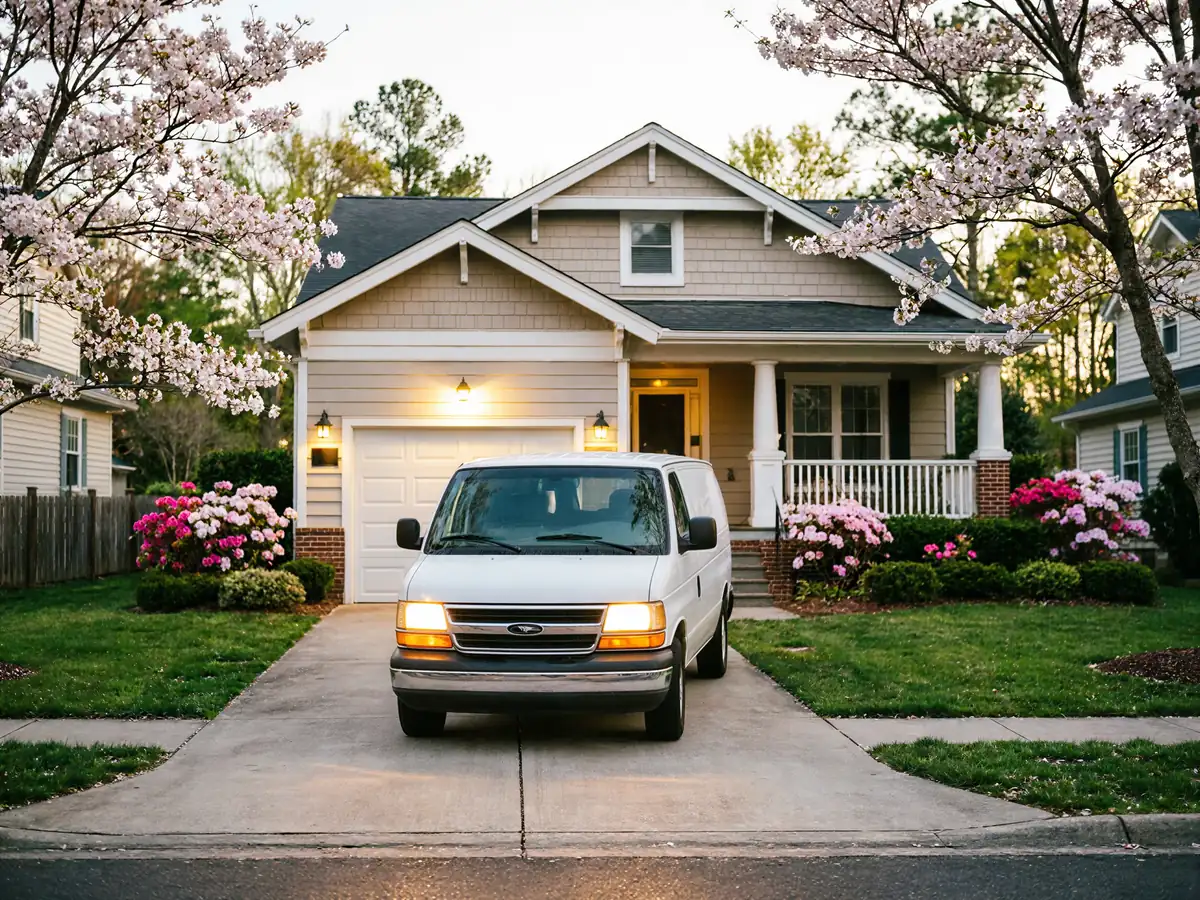
We don't quote a response time for Broadway specifically - the crew comes out of Sanford, about 7 miles away, and traffic and the day's schedule both play into when we can get there. What we can tell you is that an off-track door isn't something to leave alone once it's happened; a door hanging on one track can drop the rest of the way or tear loose from the opener arm, and either one turns a repair into a replacement. If the door is still partly on track and the opener is disconnected, it's reasonably safe to leave shut until someone gets there. If it's badly skewed or the cable has come off a drum, don't run the opener and don't try to force it straight - that's the point where panels crack and people get hurt.
Stocked Parts
We carry the rollers, standard track sections, and common bracket hardware that fit the torsion and extension setups found on houses from the 1970s through the 1990s, which covers the bulk of what's out in Broadway and the rest of the service area. Where it gets slower is a door old enough to have nonstandard track width or a bracket pattern that nobody's made in years - on a house built right around 1979, that's an occasional find, not a rare one. If your track or bracket is a legacy size, we'll tell you straight that it's an order-in part rather than something on the truck, and give you a real timeline instead of a guess.
The Complications
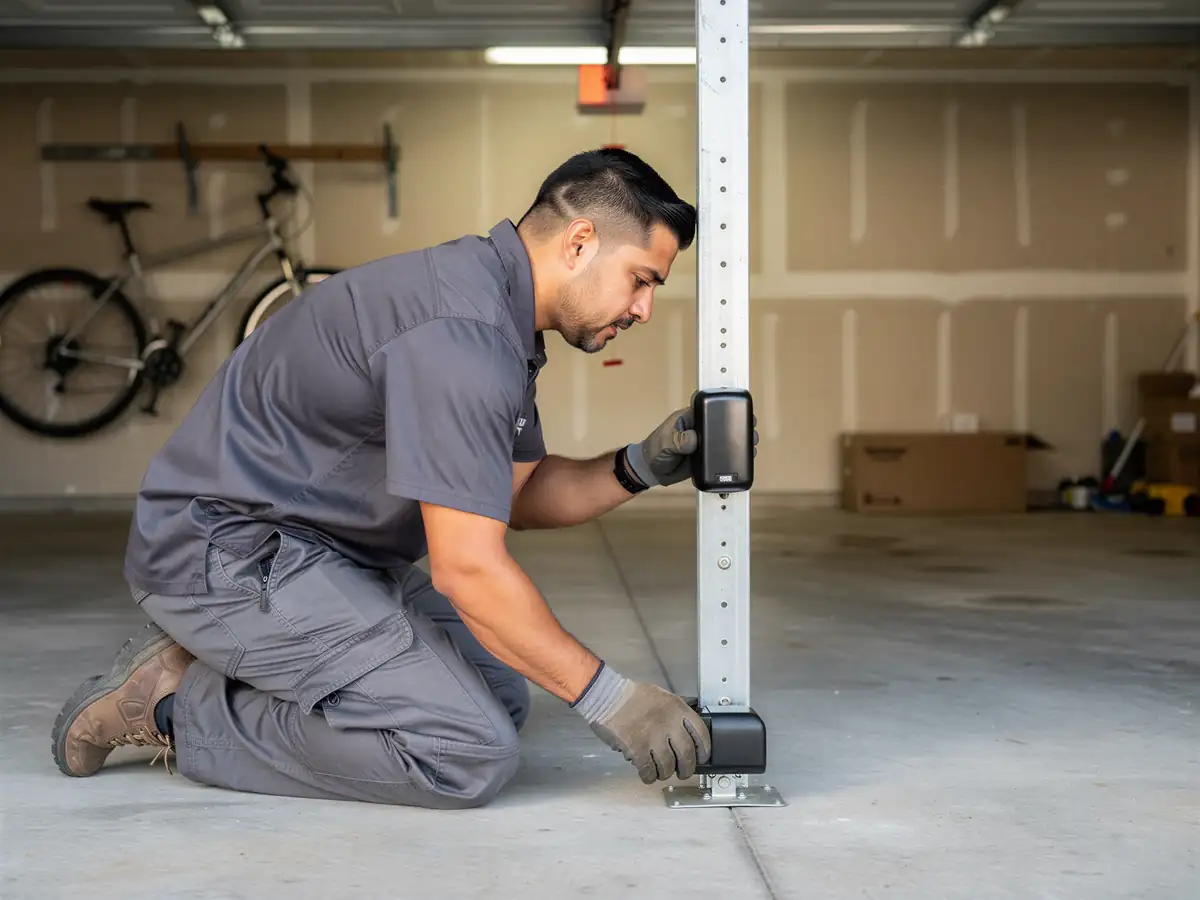
The complication we see most in Broadway houses isn't the track itself - it's what's holding it. Original jamb mounts from 1979 were often set with shorter fasteners than code calls for now, and forty-plus years of a door banging against them loosens the hold well before the bracket looks obviously bad. So a door that looks like a simple off-track job sometimes turns into resetting the mount into solid framing, which takes longer than swapping a bent bracket for a new one. Cold-climate swings add a smaller factor: metal track contracts in winter, and a bracket that's already a little loose is more likely to let the door walk off the rail on a cold morning than a mid-summer afternoon. None of this means every call turns complicated - most don't - but it's why we check the mount, not just the track, before calling the job done.