What the Fix Involves
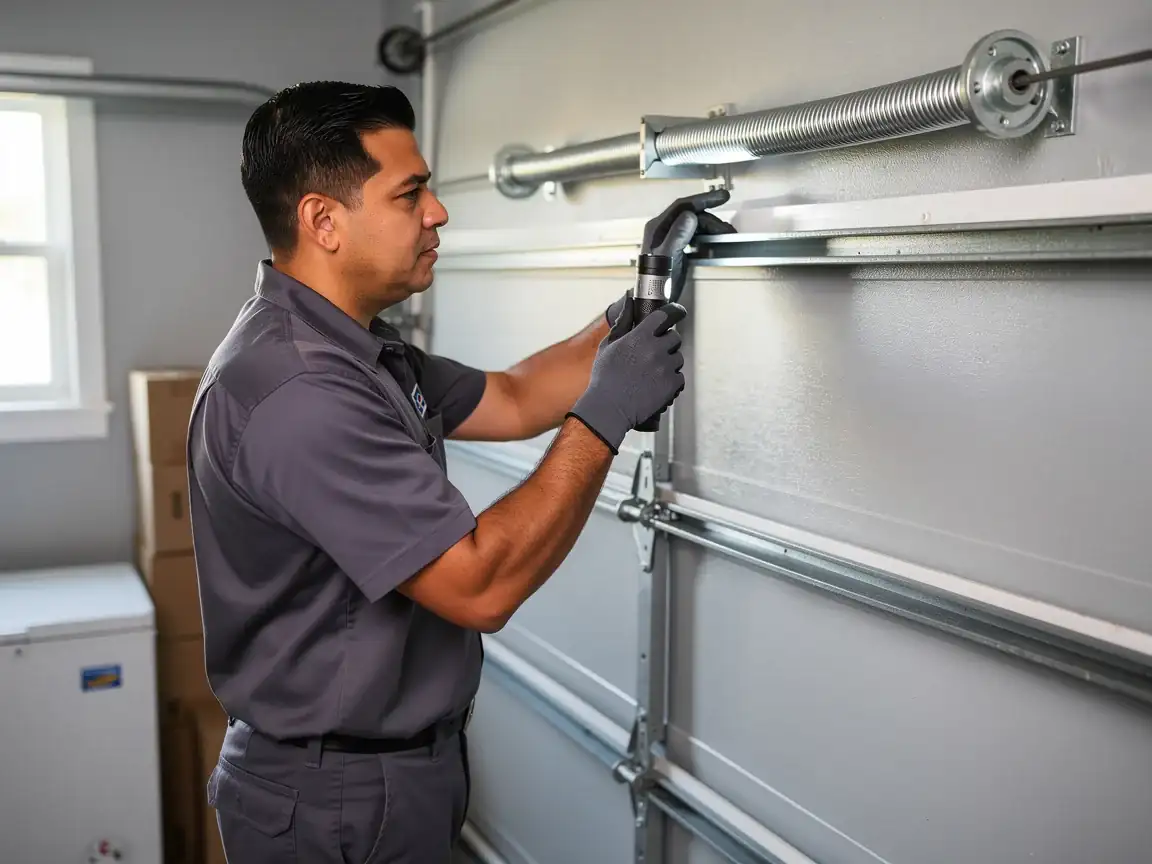
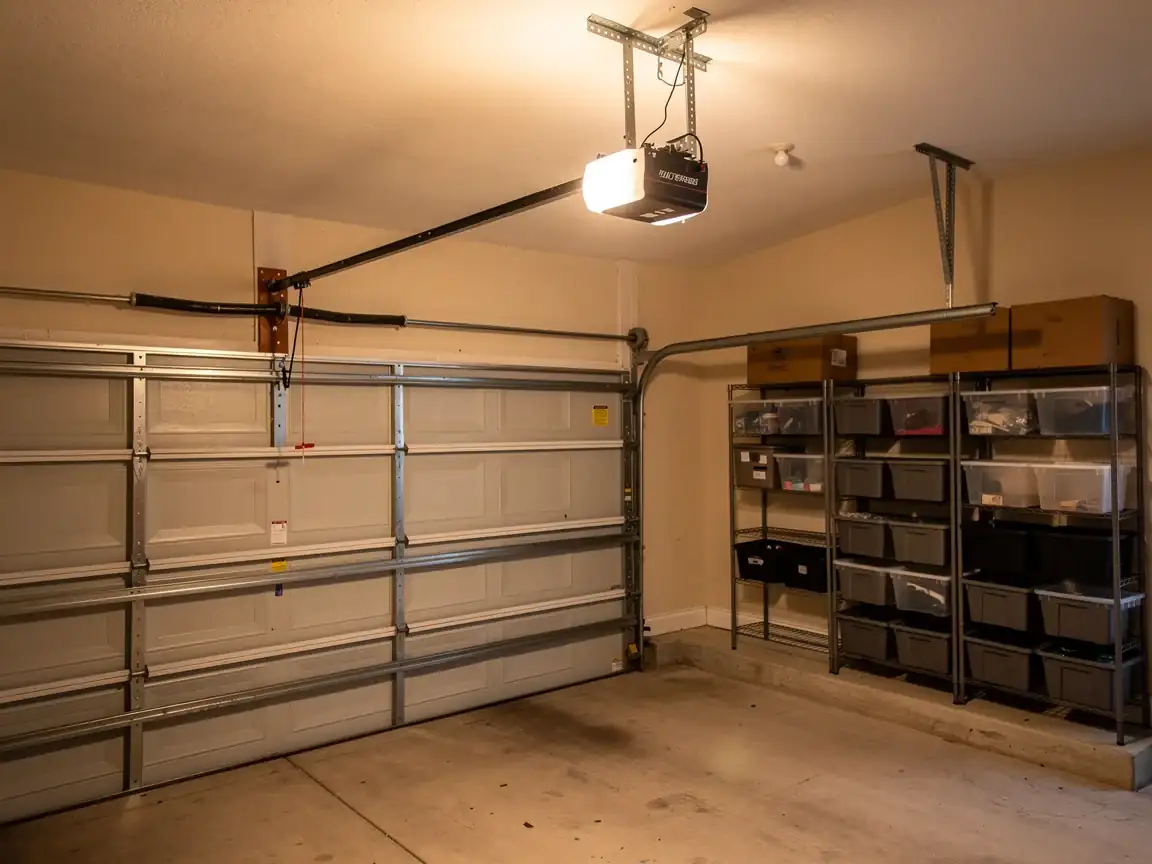
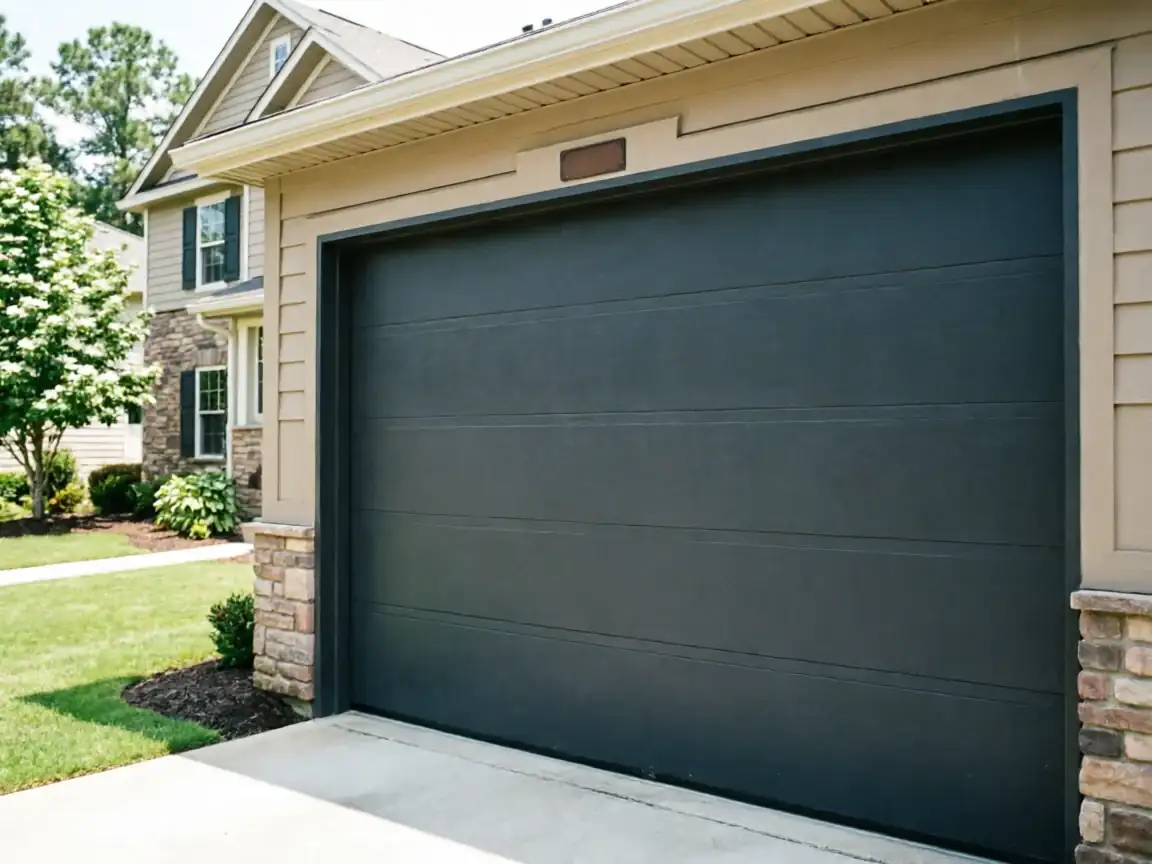
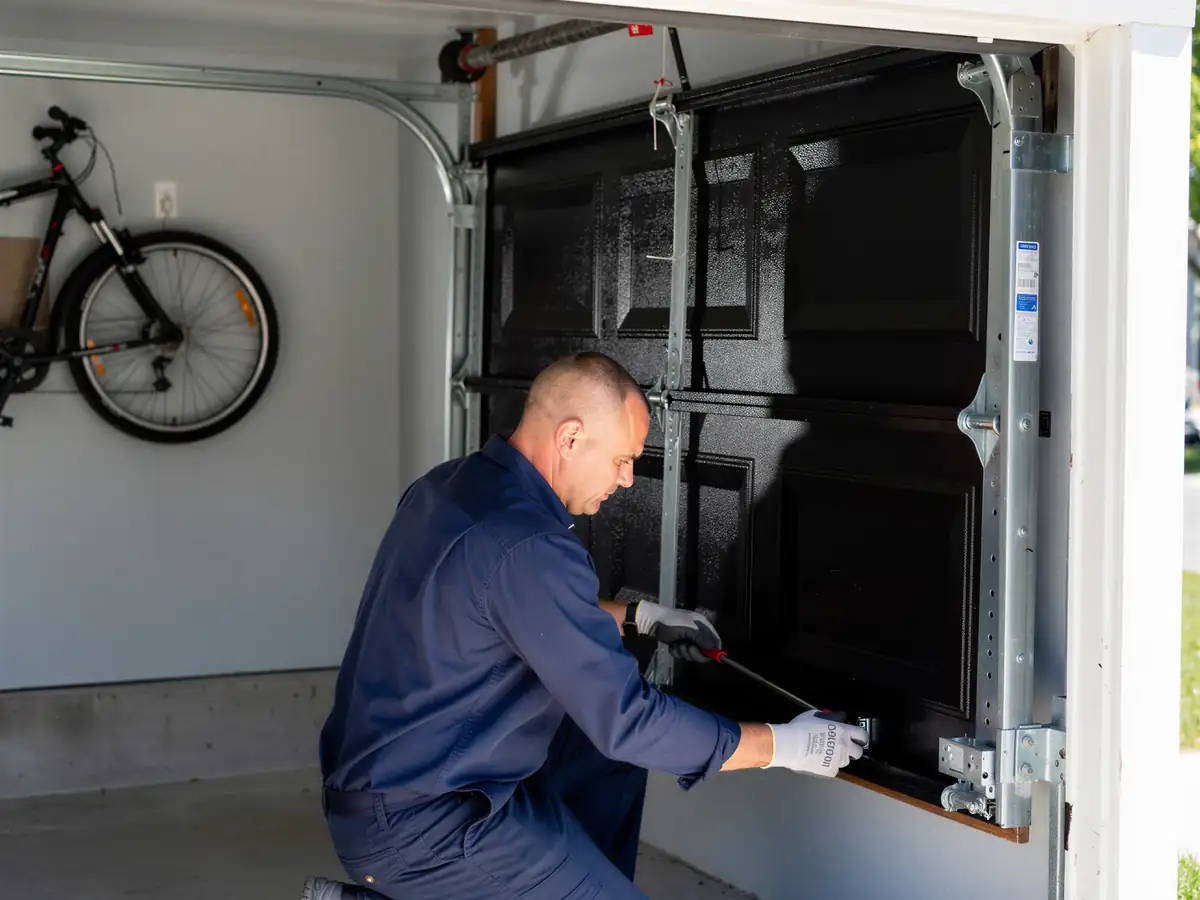
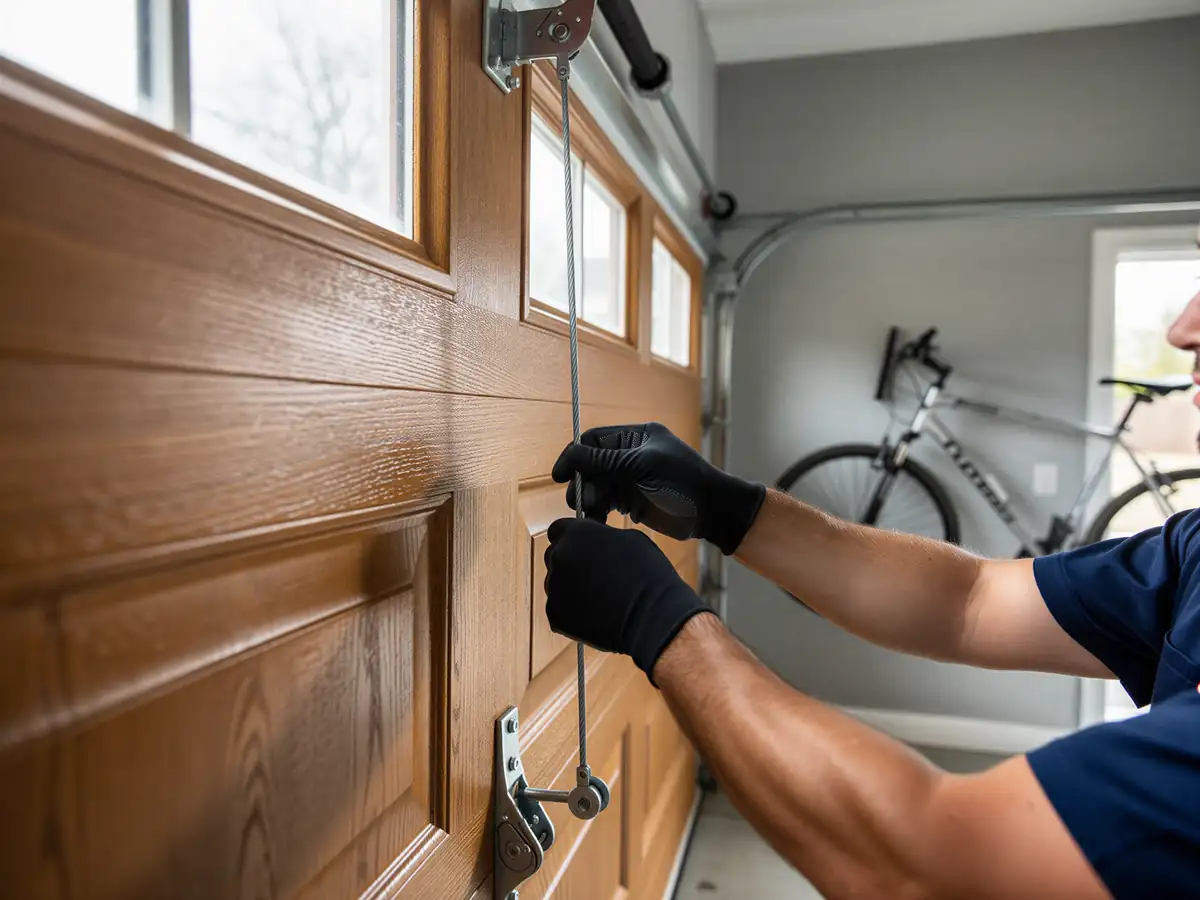
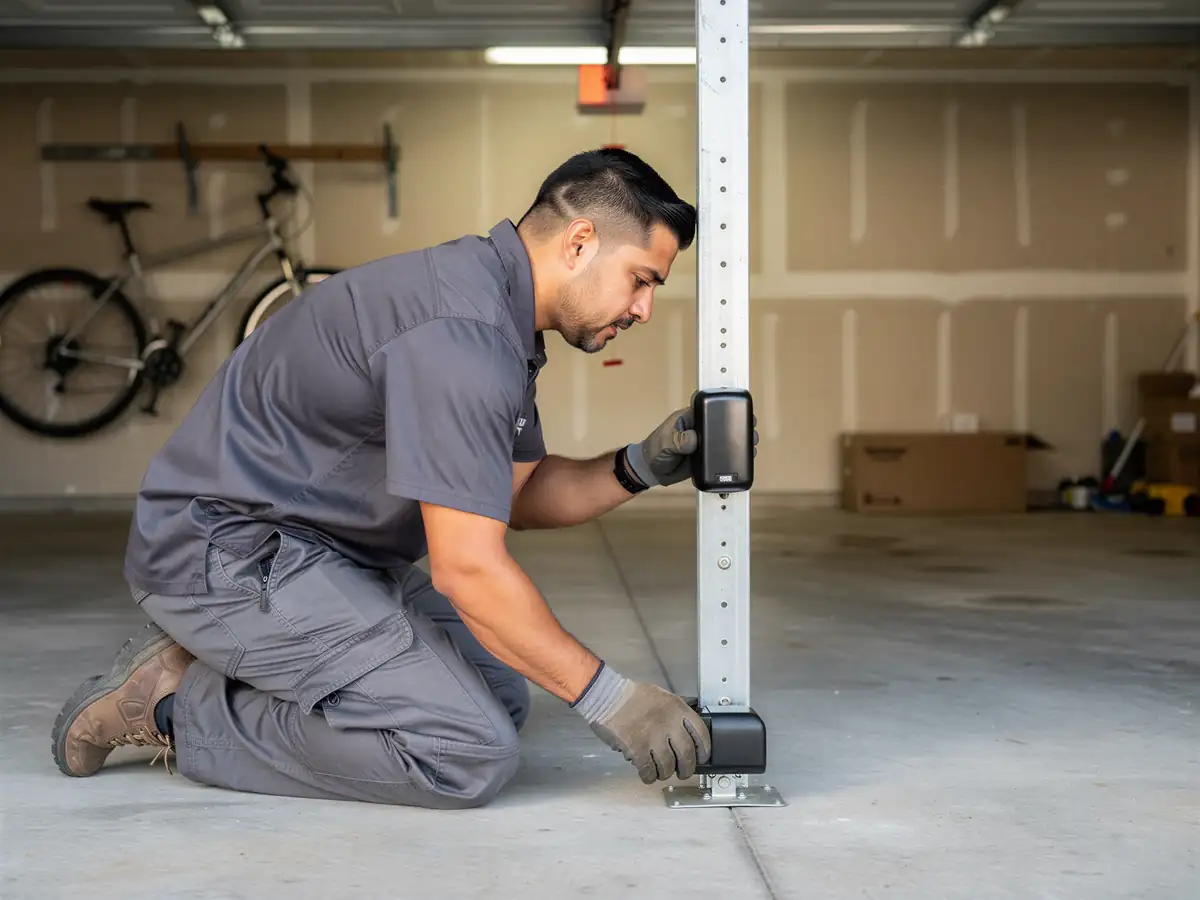
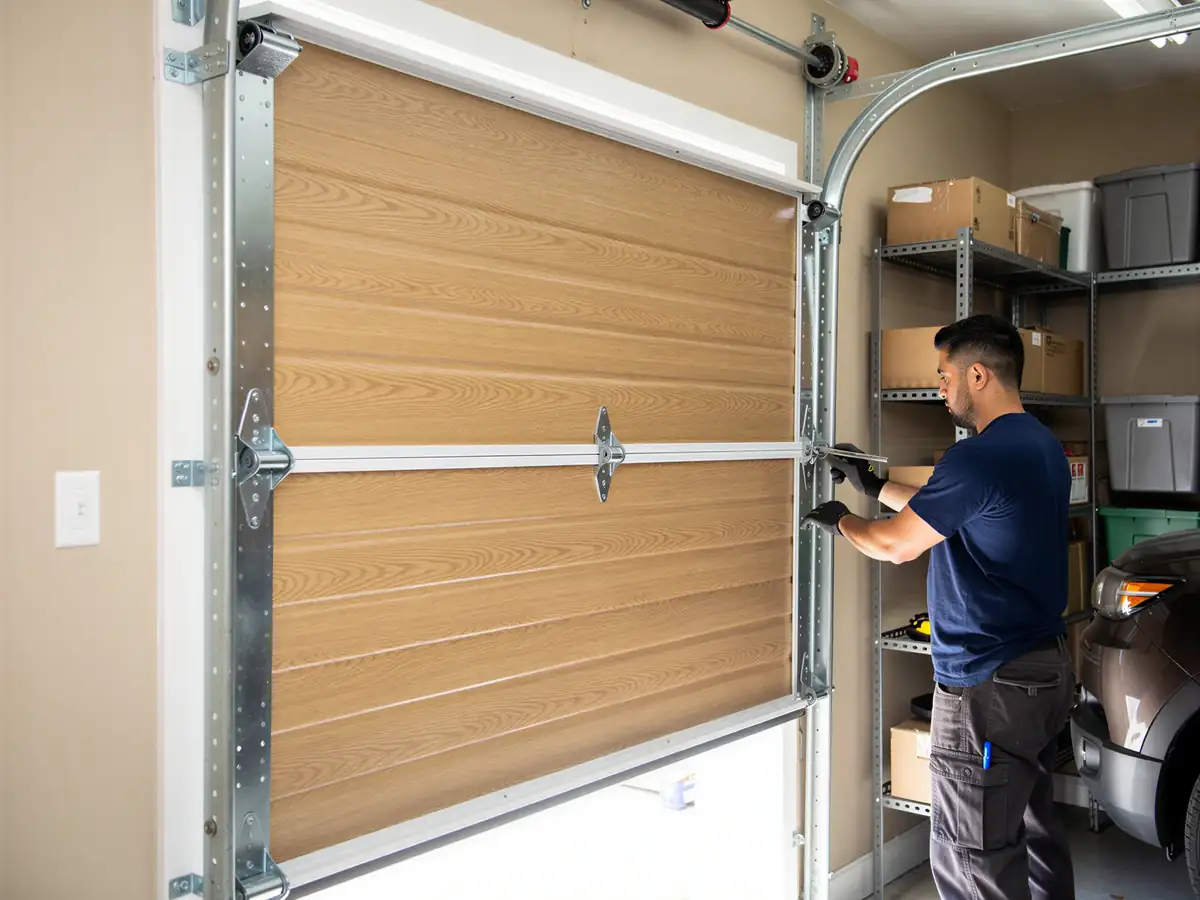
Most houses in Broadway went up around 1979, back when a garage door meant a single steel skin, extension springs mounted along the horizontal track, and an opener with no safety reversal sensors to speak of. A new install here isn't just swapping a panel - it's bringing the whole opening up to what's standard now: torsion spring on a header-mounted shaft, photo-eye sensors at the bottom of the track, and a door with an actual insulation value instead of a hollow steel shell. We pull the old track, check the jamb for square (46-year-old framing has usually shifted a little), and set new vertical track plumb before the door goes in. If the opening itself is out of square by more than a small margin, that gets corrected first - a door hung in a crooked frame will bind no matter how new it is.
How Long You Are Without the Door
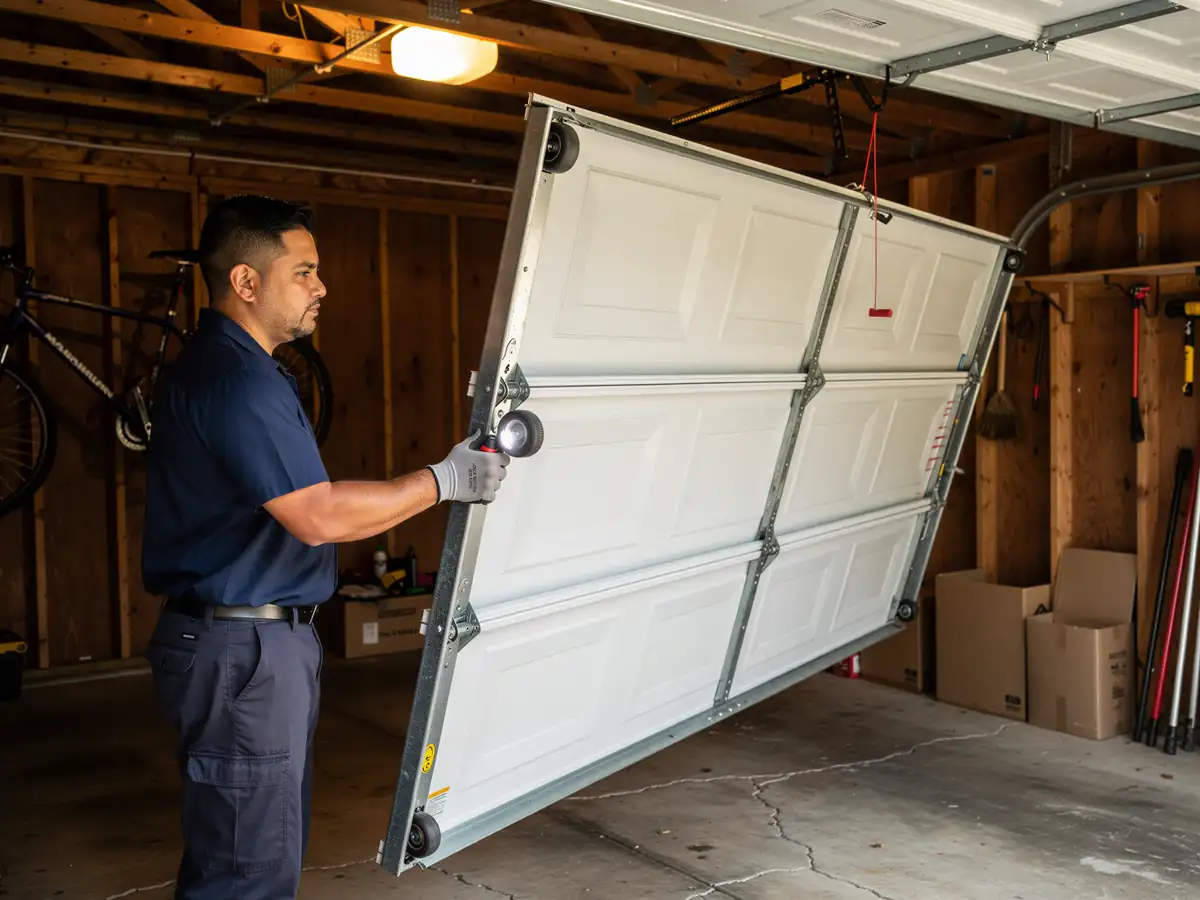
A standard single or double door replacement on a 1979-era opening is usually a one-day job once the door itself is on site. What stretches it out is parts: if the opening is a nonstandard size - not uncommon on houses from this era, before manufacturers settled on today's standard widths - the door has to be ordered, and that can add time before we ever touch the track. We won't promise a same-day turnaround here because we haven't measured your opening yet. What we can say is that once the door arrives, the swap itself doesn't take long, and you're not left with an open garage overnight unless the old door comes down and the new one can't go up the same visit.
Stocked Parts
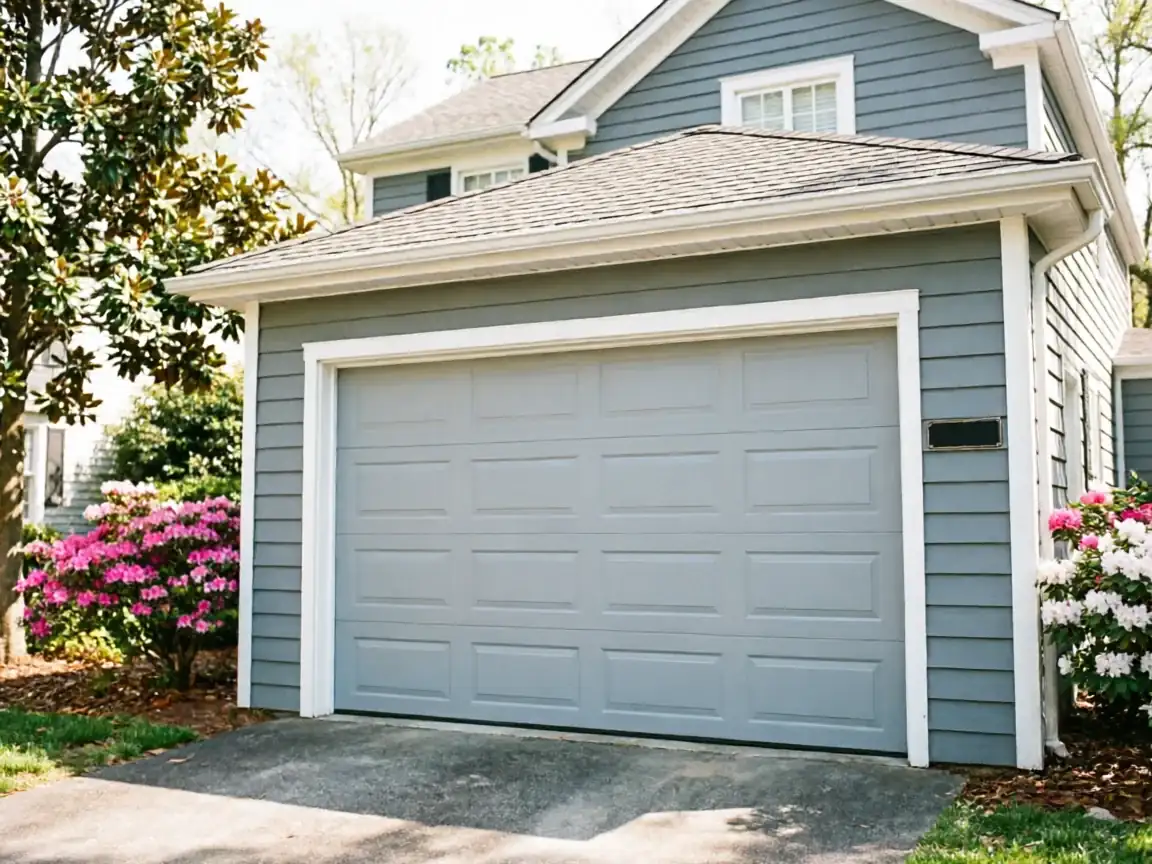
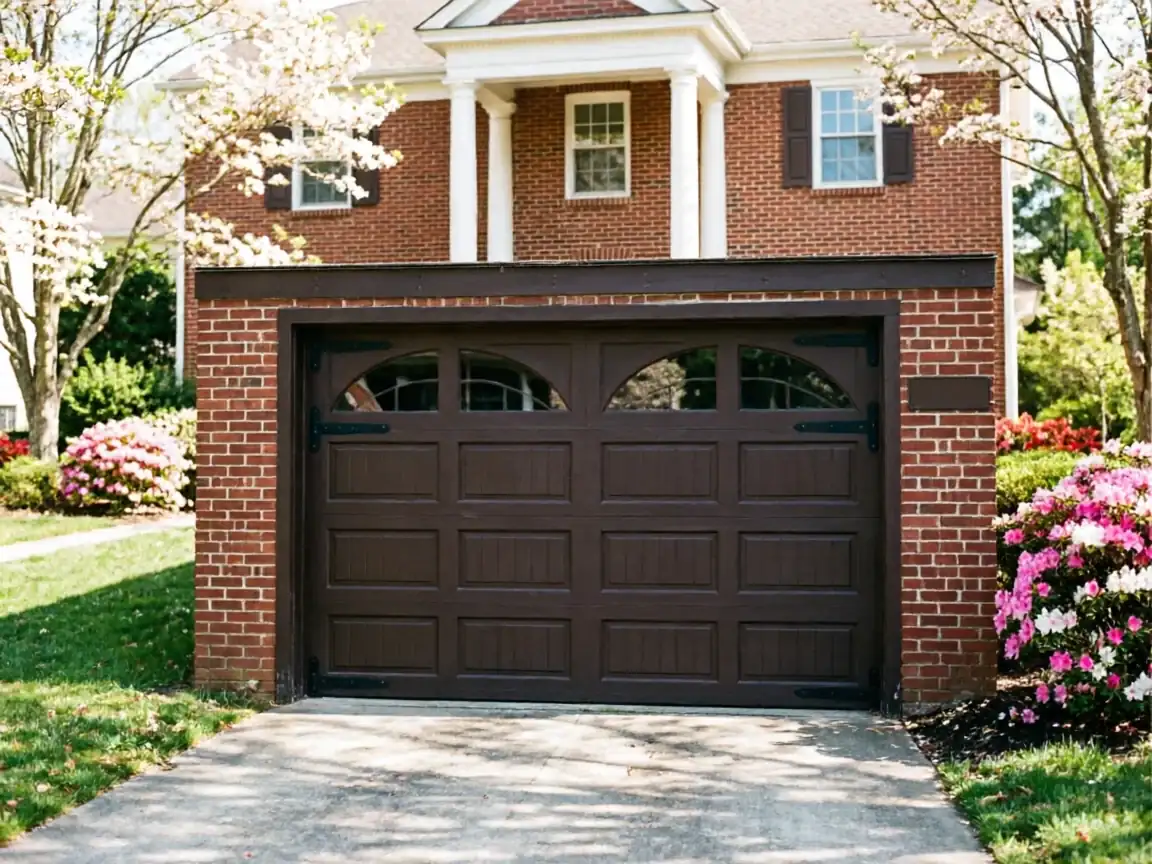
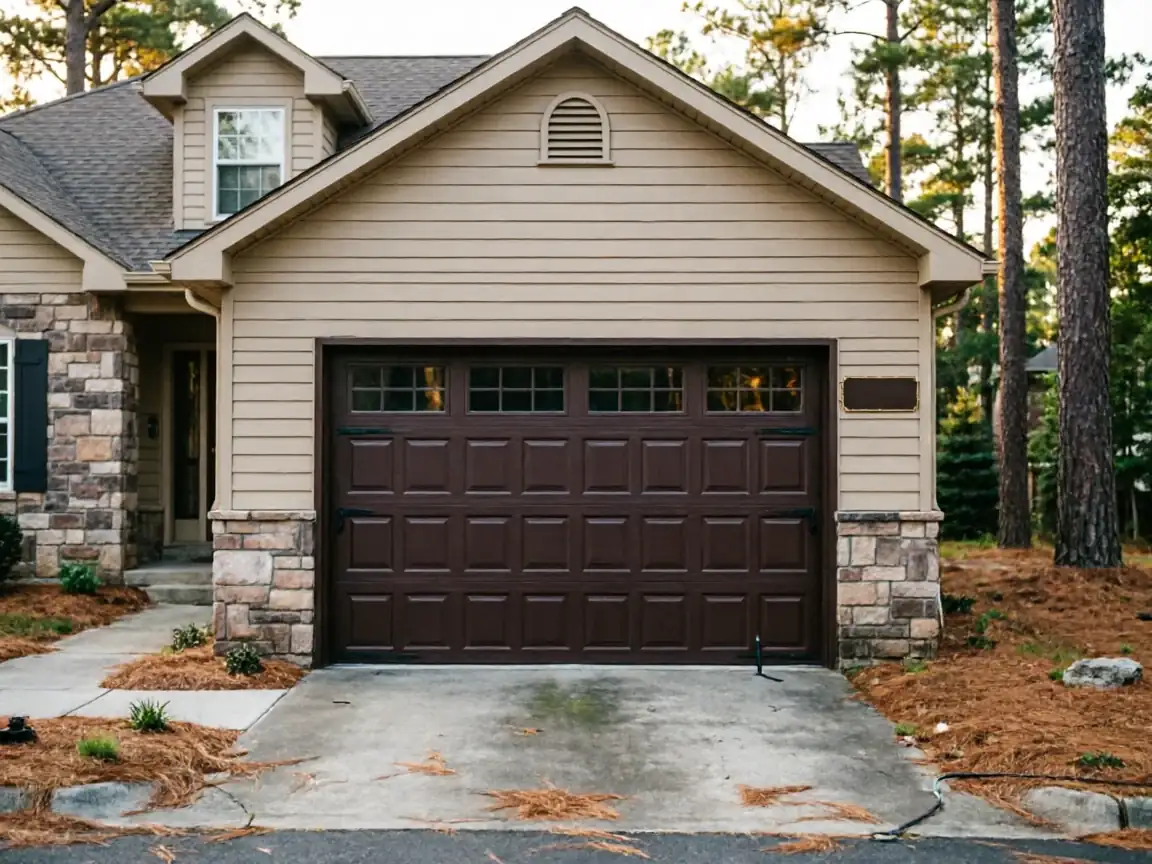
We carry torsion springs and standard-width steel doors sized for the openings common on 1970s-80s construction, which covers a good share of what's in Broadway. Where we run into a wait is on anything built to a nonstandard opening or a specialty finish - carriage-style doors, custom widths, or anything the manufacturer builds to order rather than keeps on a shelf. If your door falls into that category, we'll tell you up front rather than quote a date we can't hit. For the plain steel sectional doors that match most of what's already on these streets, parts are usually not the bottleneck - scheduling the crew is.
The Complications
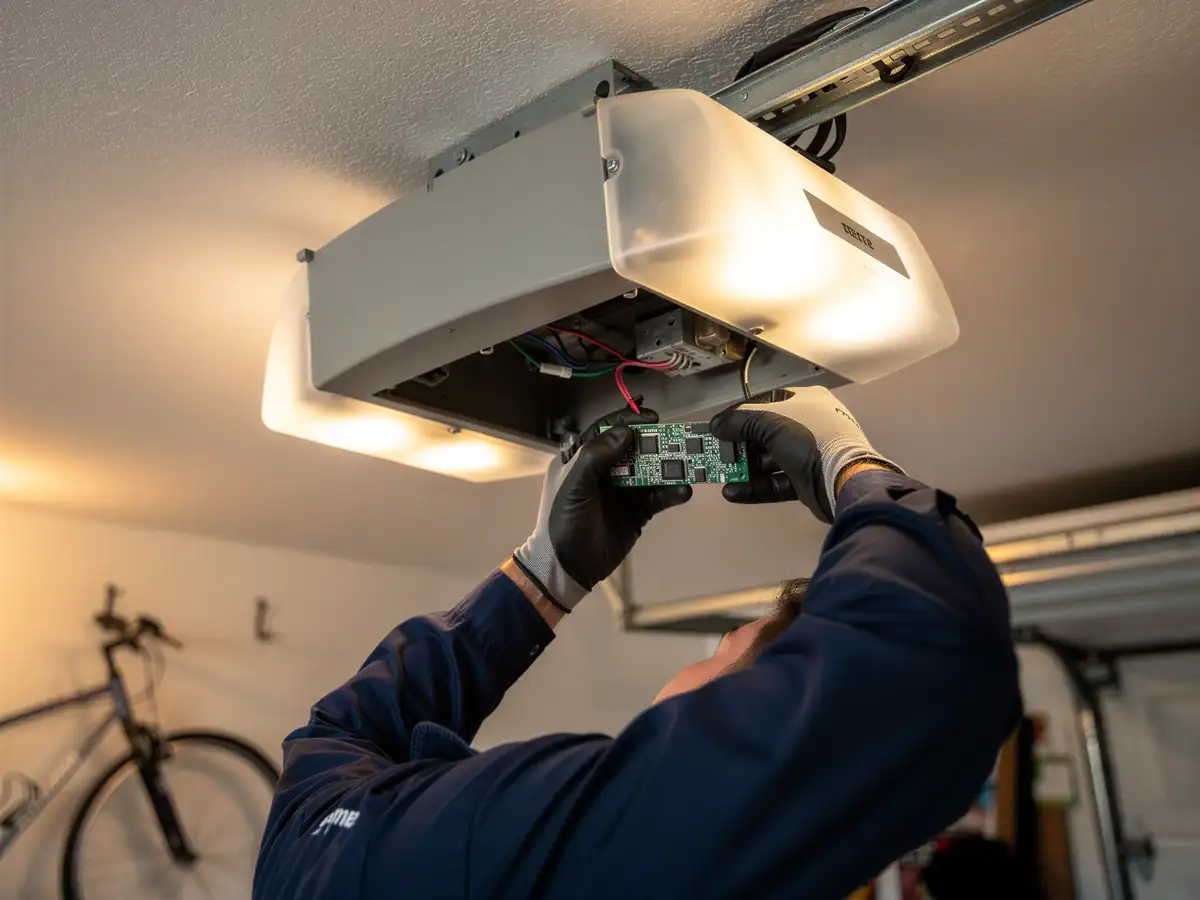
Houses from 1979 bring a specific set of wrinkles. Wiring to the garage is often original, which means no dedicated circuit for a modern opener with battery backup - that's a separate conversation with an electrician, not something we fold into a door install. Foundations have had 46 years to settle, so door openings aren't always the clean rectangle they were when poured; we shim and square as part of the job, but a badly out-of-level slab can mean a new door closes with a visible gap that no amount of weatherstripping fixes. And because the area sits in a cold-moderate climate band, a door with no insulation rating - which is what shipped standard in 1979 - loses real heat through that wall every winter. Swapping to an insulated door addresses that, but it's worth deciding on purpose rather than by default.