What the Fix Involves
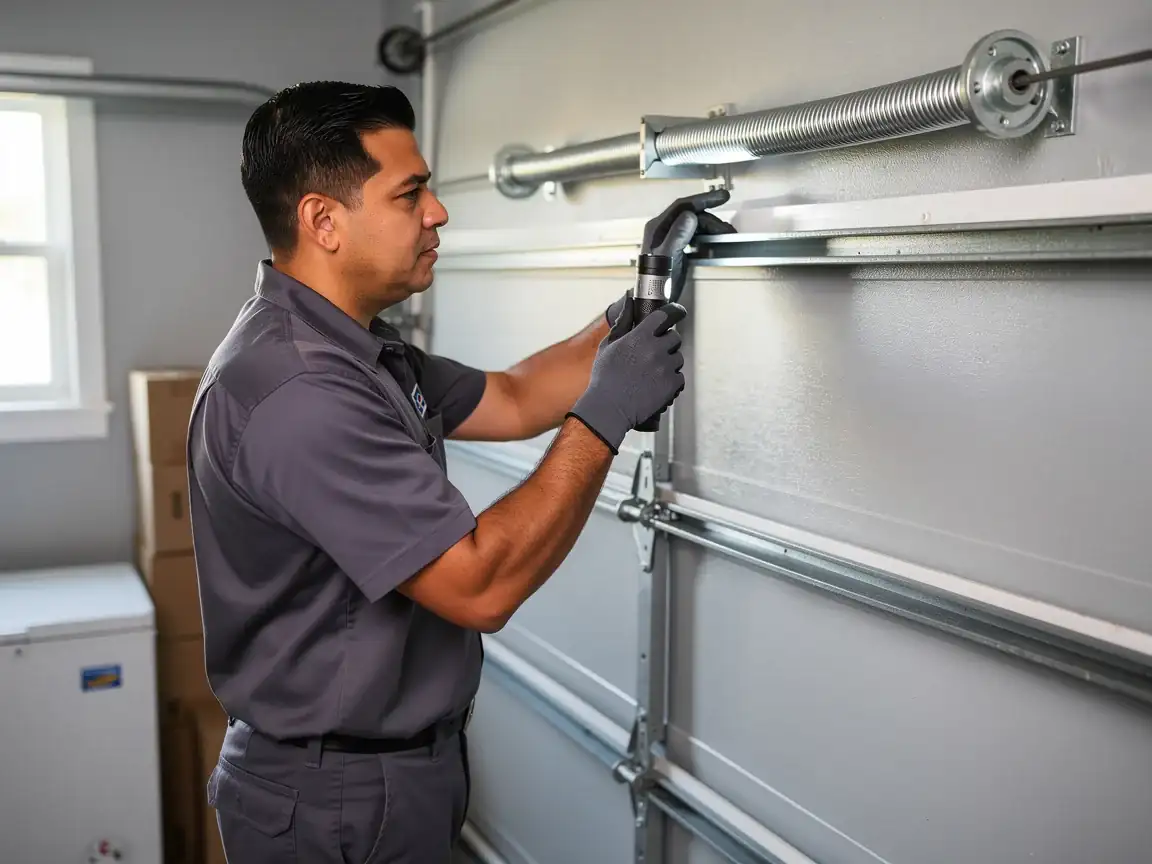
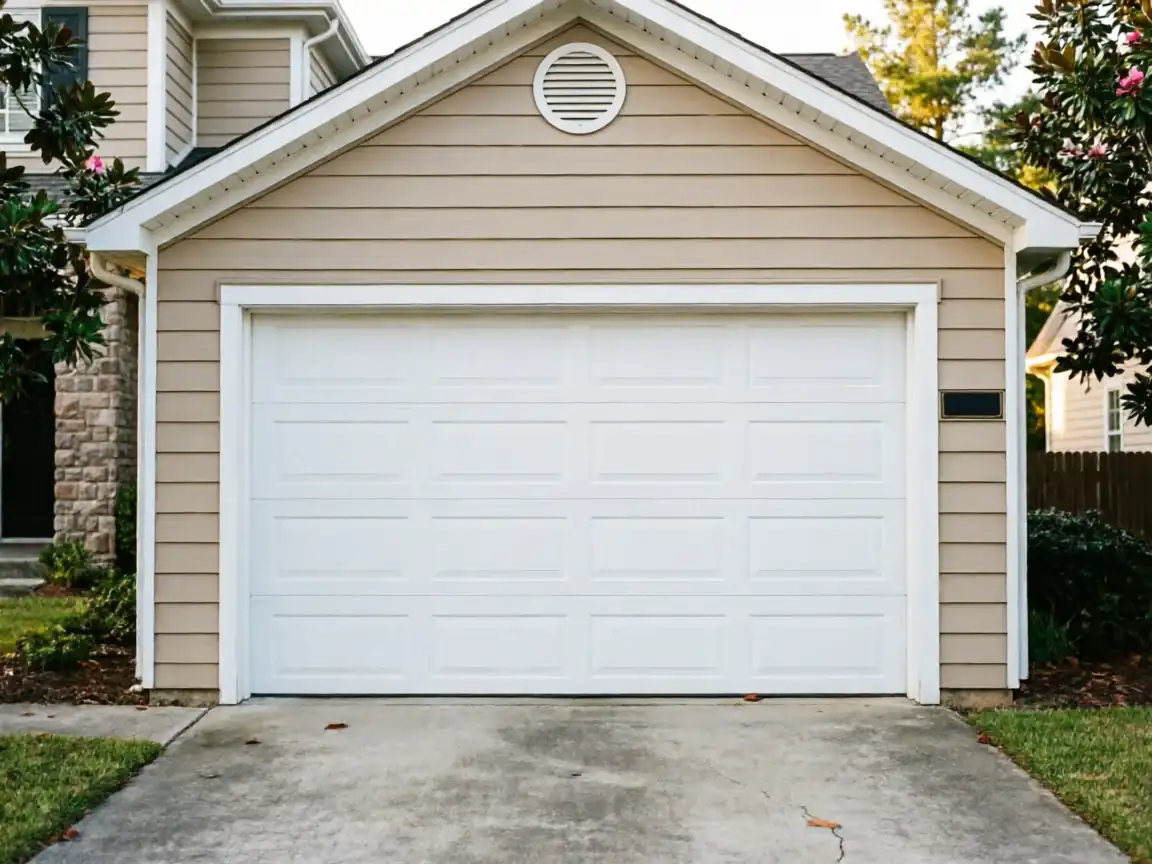
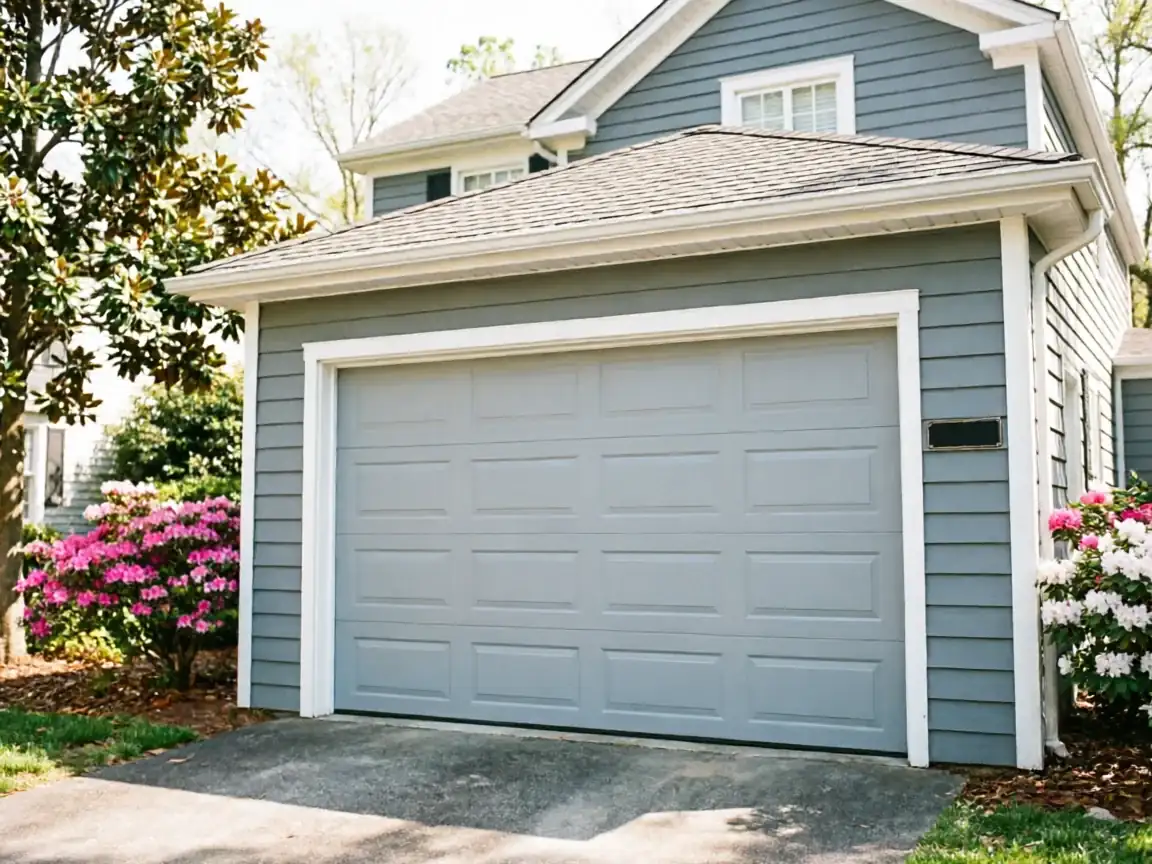
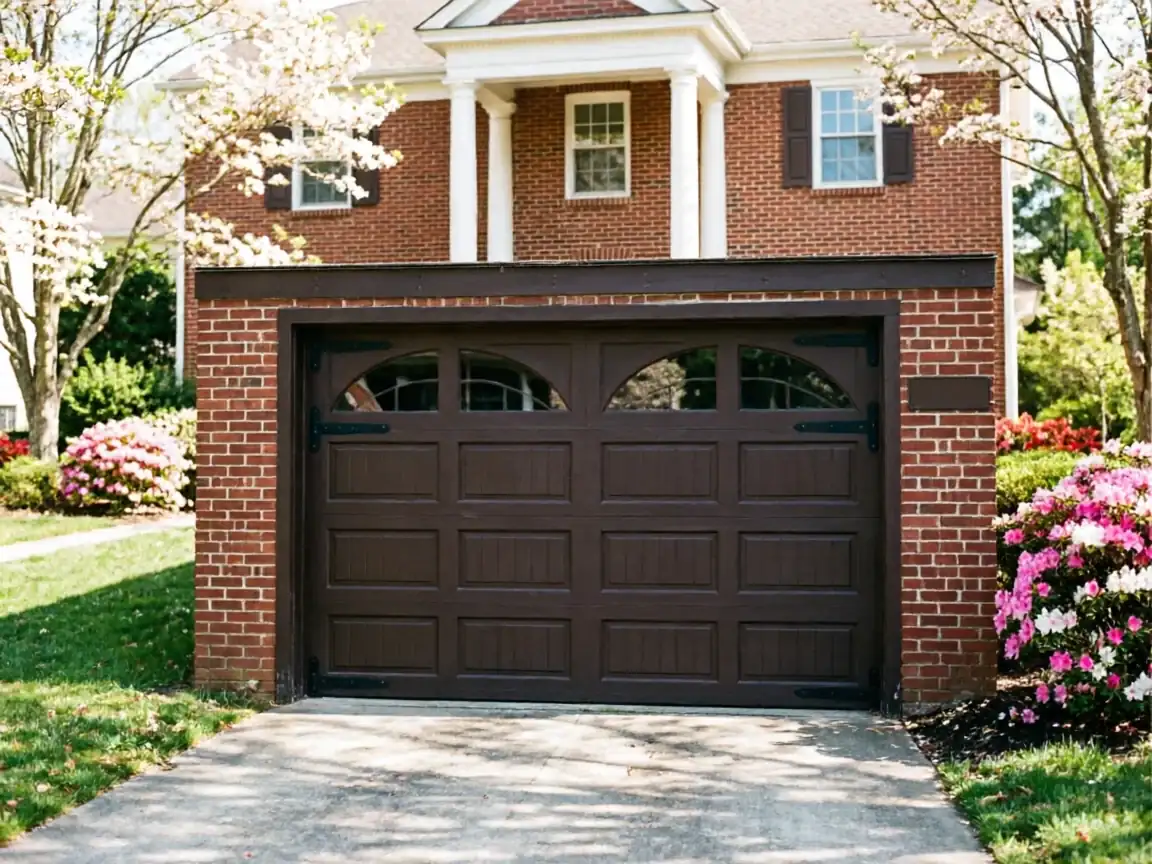
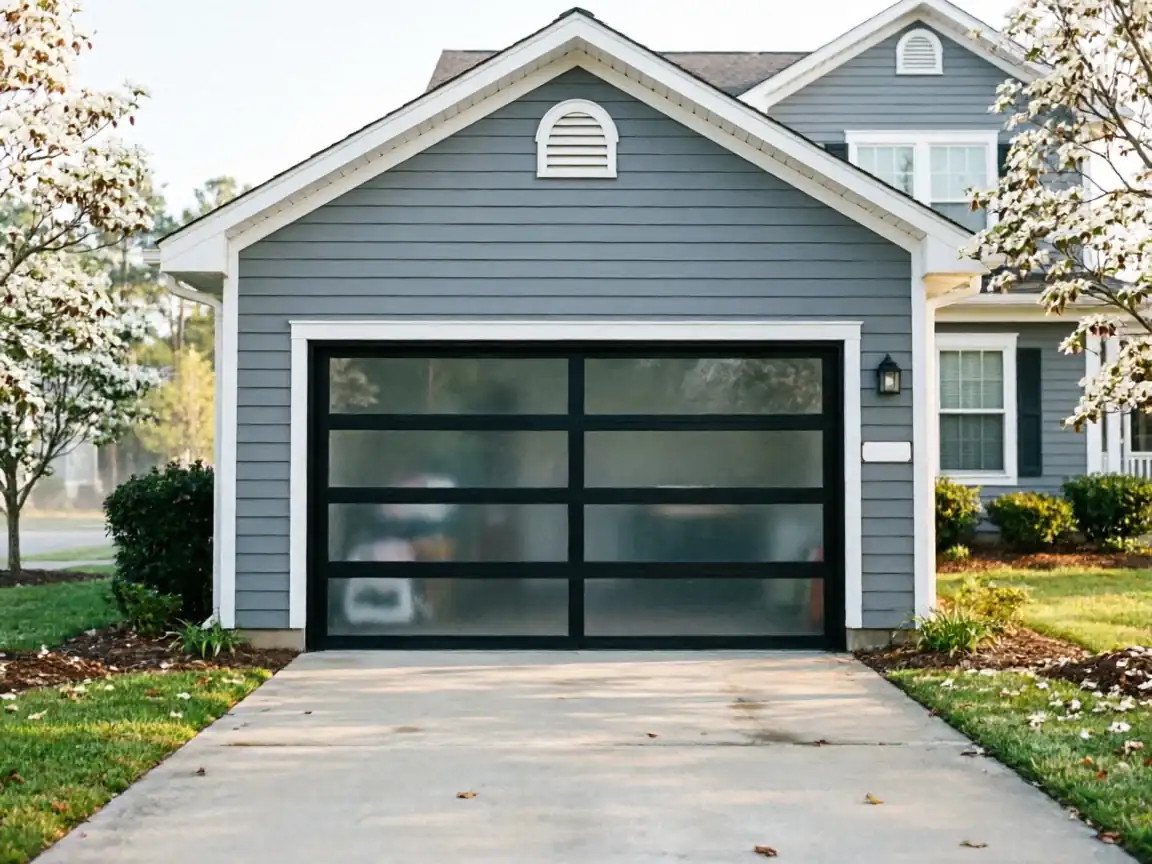
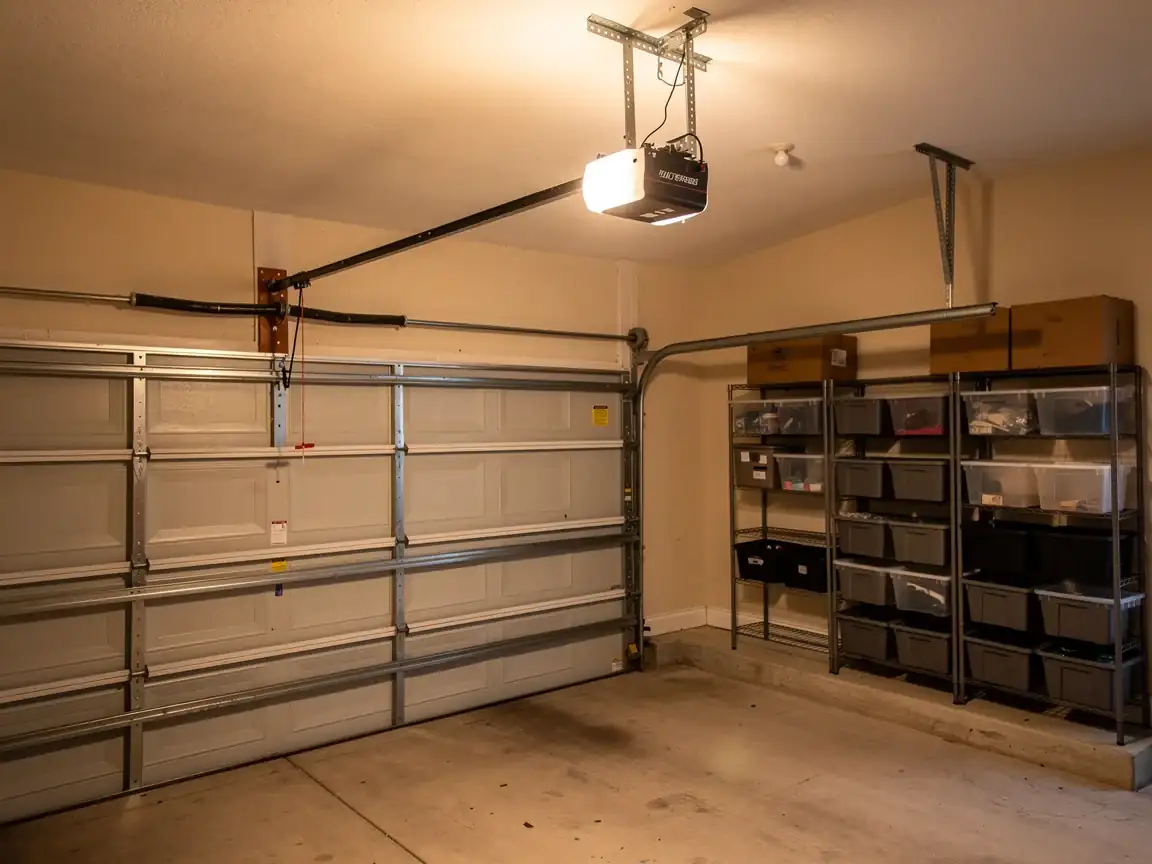
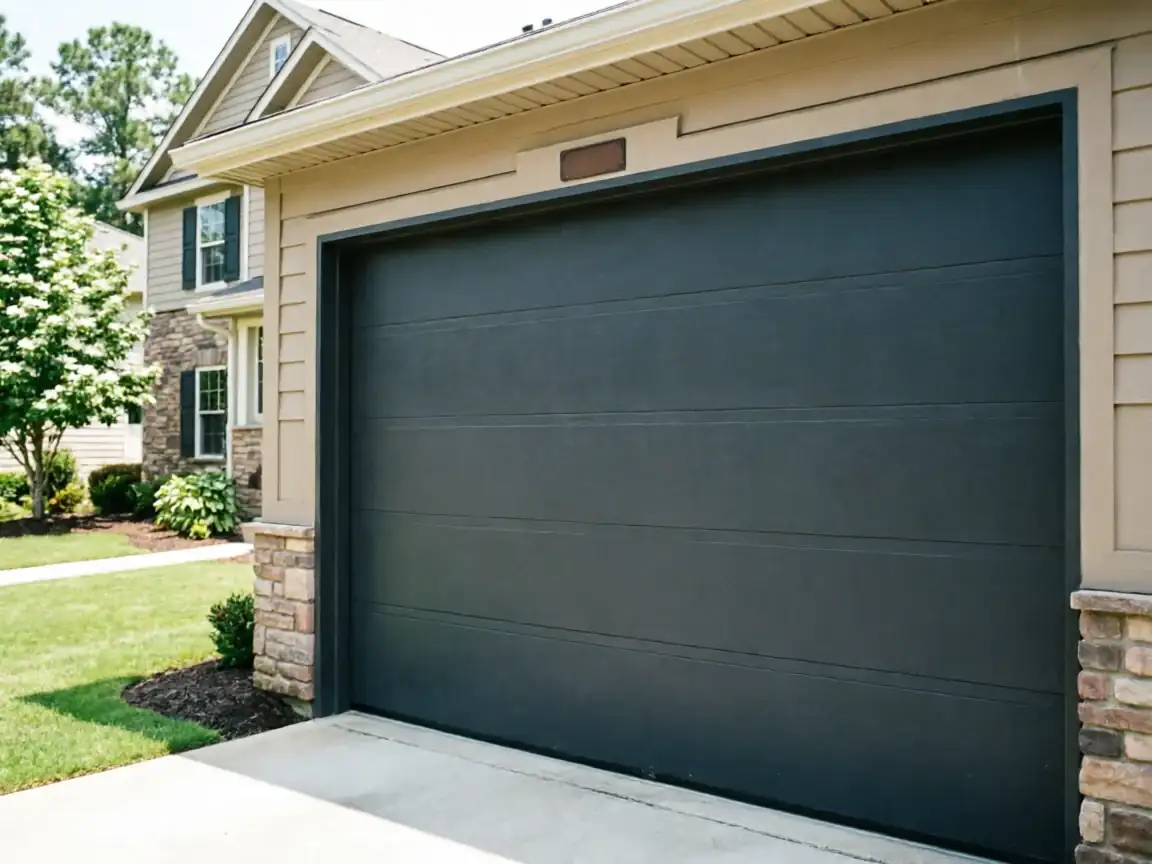
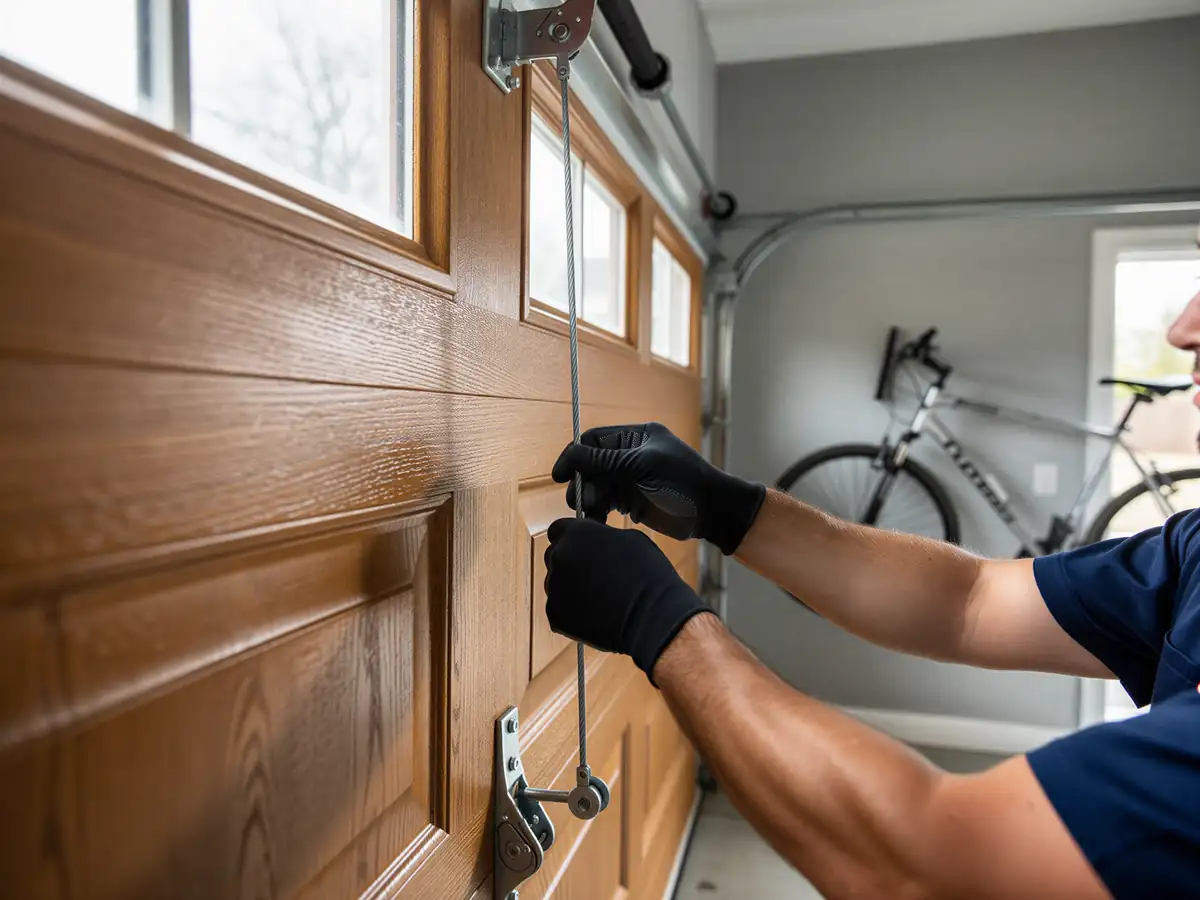
Most garage doors in Broadway went up around 1979, a few years ahead of the 1983 median for the wider Sanford service area. That puts a lot of these doors just before the shift to insulated steel became standard - what you've likely got is a single-layer steel panel door, 16x7 for a two-car garage or 9x7 for a single bay, hung on galvanized track that's been repainted at least once. Builders in this era leaned on extension springs mounted along the horizontal track rather than the torsion bar setup that became common through the 1980s and 90s across the rest of the area. That distinction matters because extension spring systems fail differently, wear their pulleys and cables on a different schedule, and need different replacement parts than what we pull for a newer door across town. Before we talk about what's wrong, we look at what's actually hanging in the opening - the fix starts with knowing which system you have, not assuming it matches the house next door.
How Long You Are Without the Door
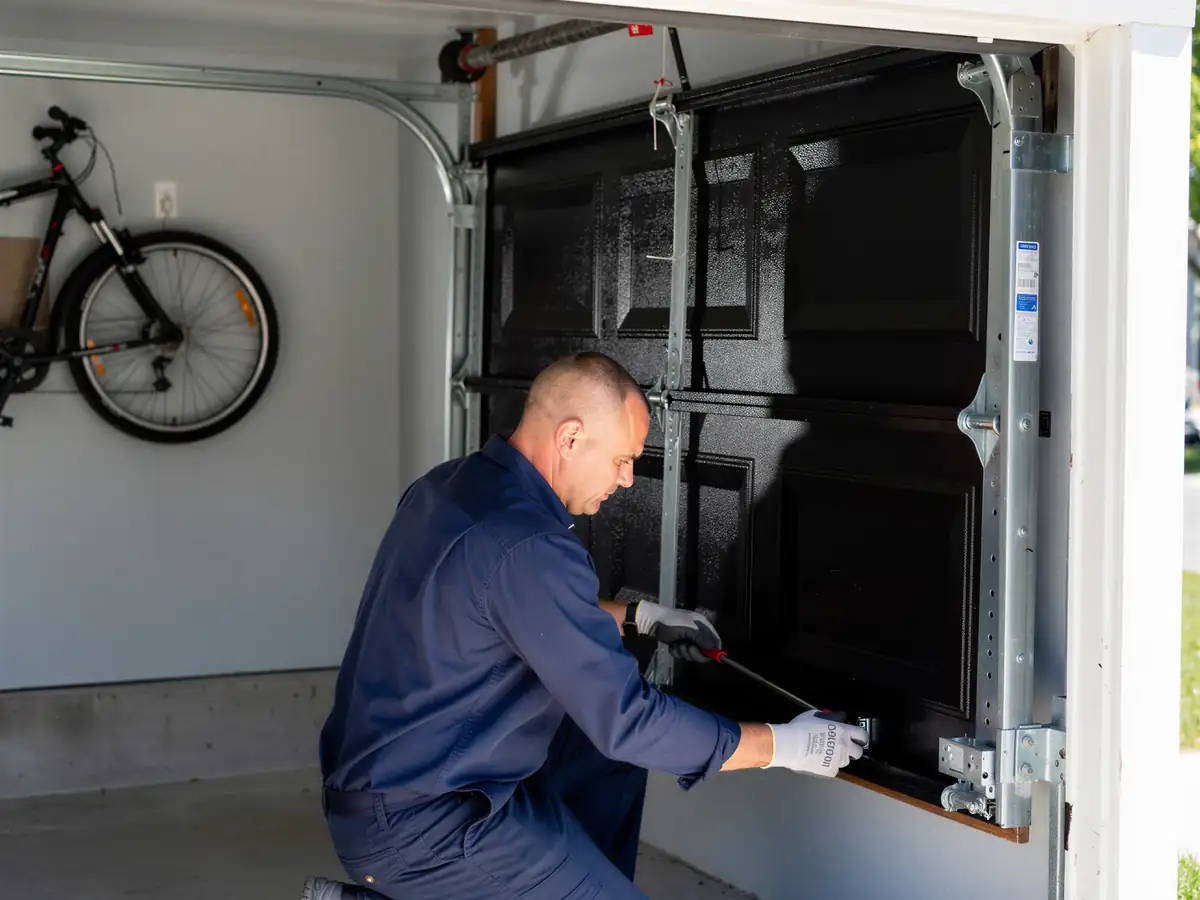
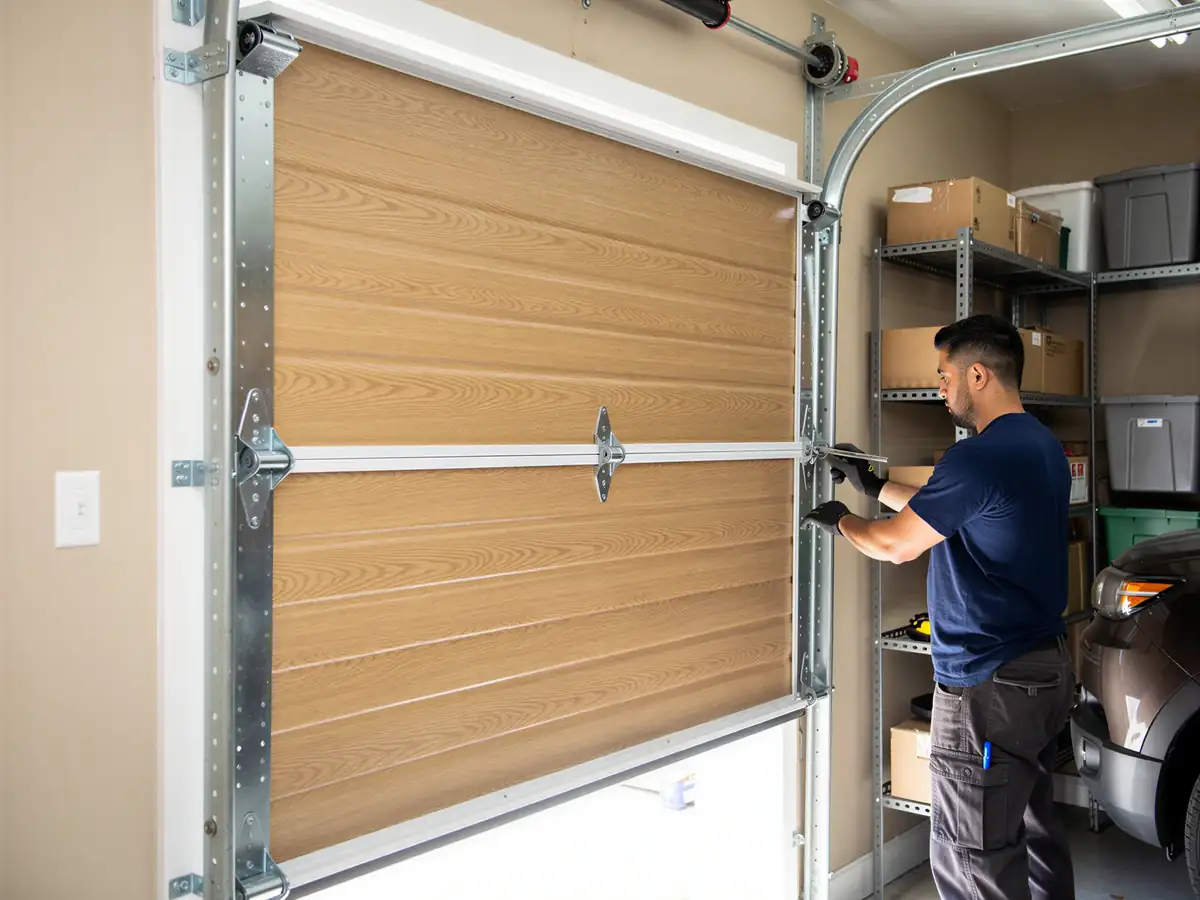
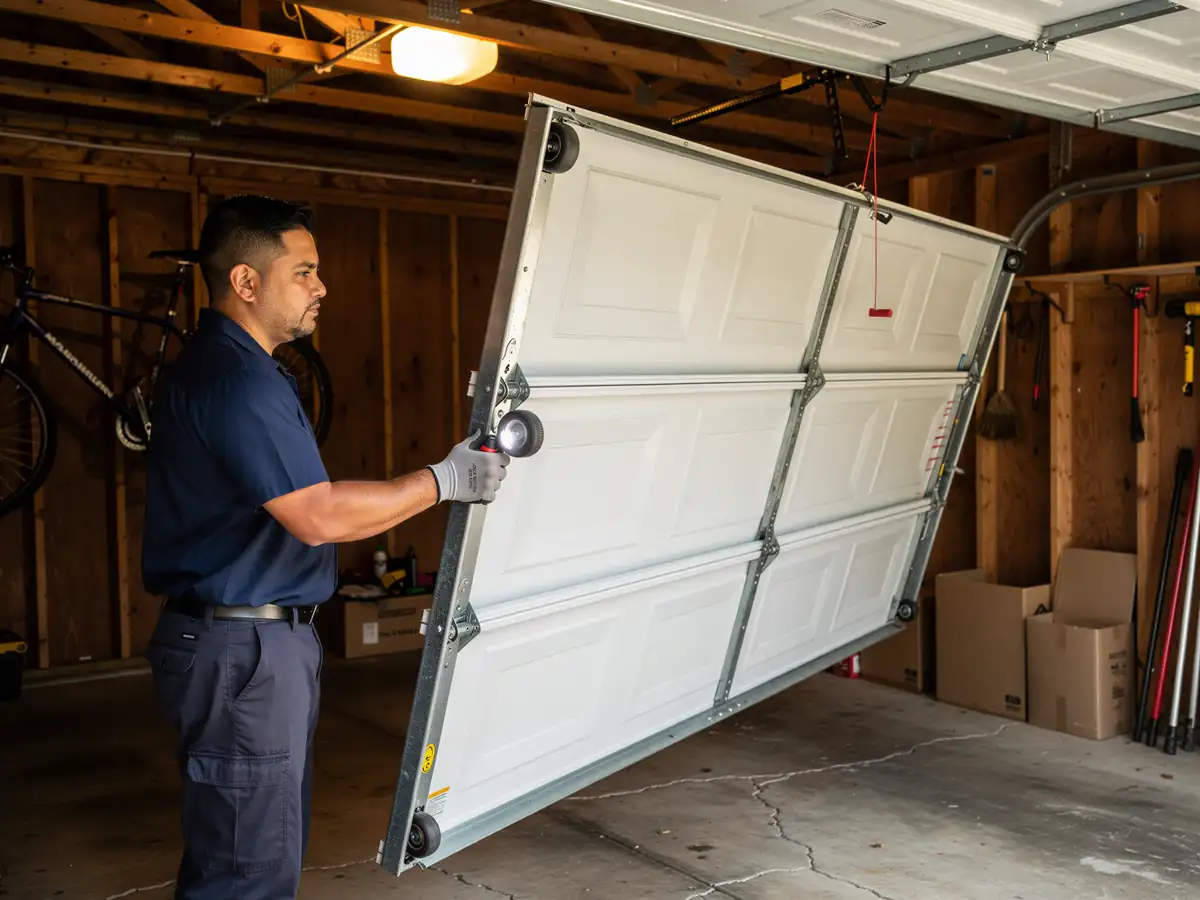
A broken extension spring on a single-layer steel door is usually a same-visit repair once we're on-site with the right length spring and cable set. Full cable or pulley replacement on original 1979-era hardware takes longer, since those pulley brackets aren't always a direct swap for current stock sizes. If the track itself has rusted or bent - common after four decades - straightening or replacing a section adds time but still fits in one trip. We don't sugarcoat it: if the door bottom panel is also warped or the steel has rusted through, replacement makes more sense than patching a door that old, and we'll tell you that up front instead of billing for a repair that won't hold.
Stocked Parts
Because Broadway's housing stock sits a few years older than the 1983 median for the rest of the service area, we carry extension spring sets and matched cable in the sizes that fit late-1970s single-layer steel doors, not just the torsion springs that cover the 1980s-90s builds more common elsewhere in the six areas we work. We also keep galvanized pulley wheels on the truck, since original pulleys from this era are a size that newer doors don't use. What we don't carry on the truck is a replacement steel skin panel matched to a specific original color - those get special-ordered, and that's the one piece of this job that can add a few days.
The Complications
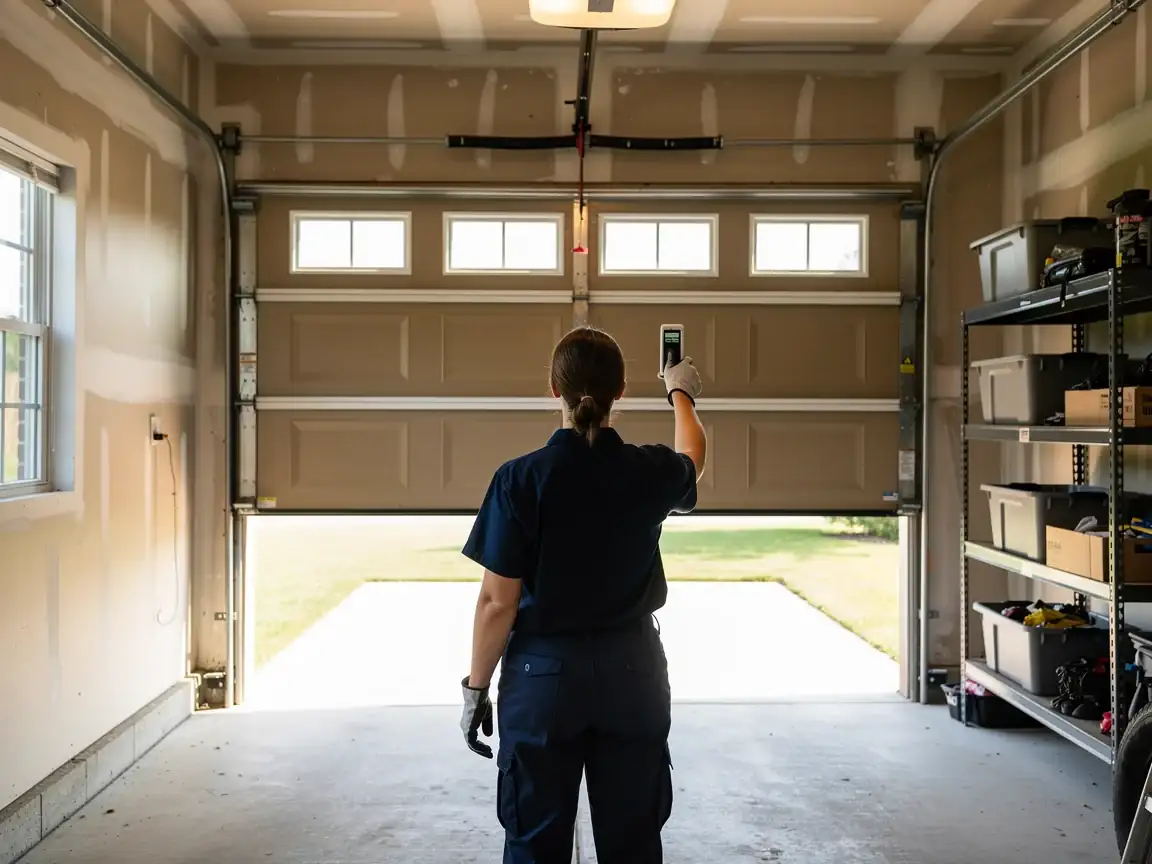
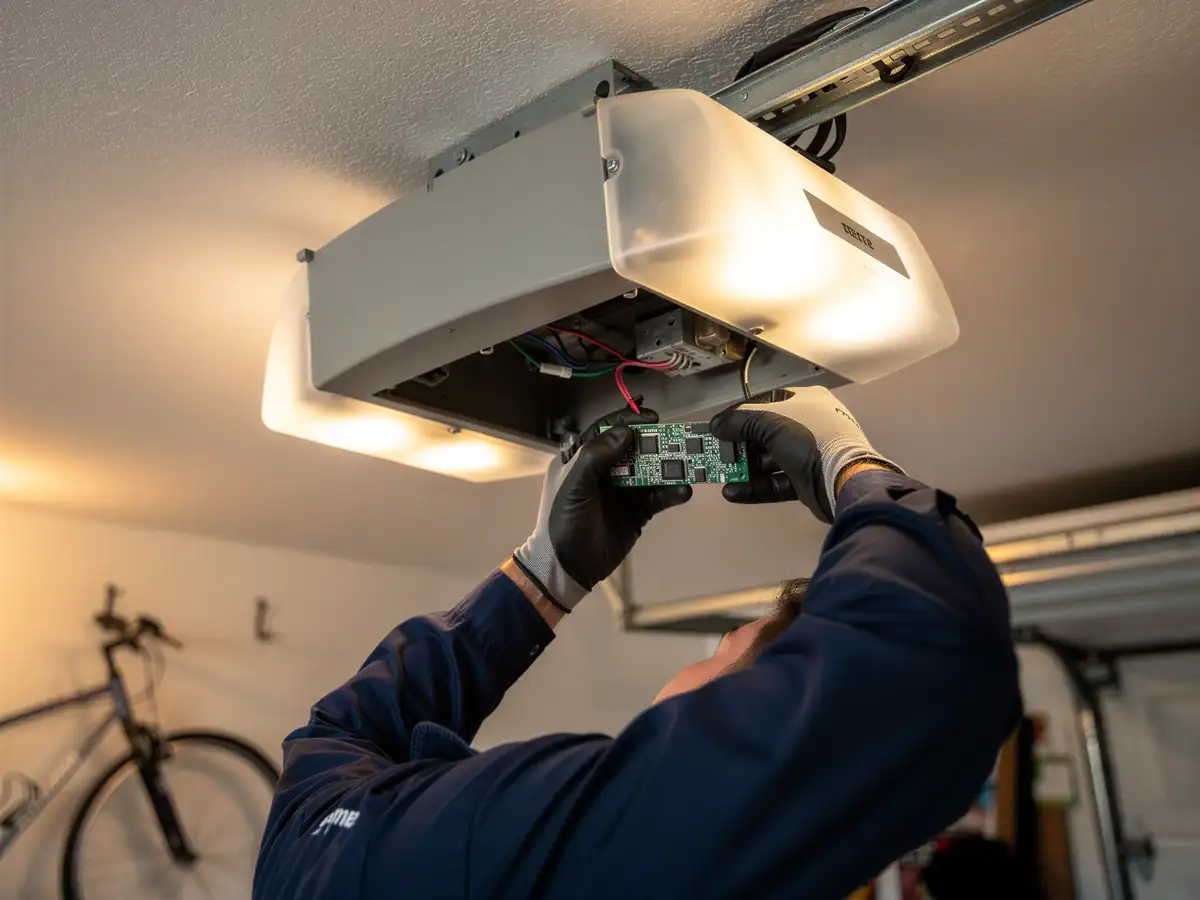
Cold, damp winters are hard on anything original to a 1979 build that's never been serviced - grease hardens in the pulley wheels, cables fray where they've rubbed against a rusted bracket, and extension springs that have lost tension stop absorbing shock the way they're supposed to. On a 16x7 double door, that uneven tension shows up as a door that drops crooked or jerks on one side. We also run into openers that were added or upgraded after the original door install, which means the opener's force settings were never matched to the door's actual weight - a problem specific to older housing stock that's been retrofitted piecemeal over the years rather than built with the opener from day one.